
Hamilton and Stoney Creek
Industrial Electrician in Hamilton & Commercial Electrical Contractor
For Hamilton steel and materials plants, food processors, new airport-area buildings and clinics, KCS Group acts as your industrial electrician and commercial contractor, licensed by ESA/ECRA, with maintenance programs sized to harsh operating conditions.
- ESA/ECRA licence #7014042
- COR from IHSA
- Level II thermographers
- Insured, WSIB covered
Request a callback
A licensed electrical contractor calls you back, usually the same business day.
Updated Reviewed by KCS Group licensed electricians
Industrial Electrician for Hamilton's Heavy and Advanced Industry
Hamilton plant floors call KCS Group when they need an industrial electrician; Hamilton offices, clinics and multi-tenant buildings call us as their commercial electrical contractor. Our licence, ESA/ECRA #7014042, covers that work, which matters in a city where many plants run large switchboards, long MCC lineups and their own dry-type transformers.
Hamilton's investment strategy names life sciences, clean technology, advanced manufacturing, agri-business and food processing, and ICT as target sectors, and lists materials and steel as a core strength. In practice our Hamilton work splits three ways: older heavy-industry sites with large distribution systems and long equipment histories, food and agri-business plants with washdown and refrigeration loads, and newer buildings going up on serviced employment land near the airport.
Each group needs something different, so we do not sell a single package. We start with what is on site, how hard it works and what a failure would cost, then build the inspection, testing and thermography schedule around that.
Why Harsh Hamilton Plant Conditions Shorten Maintenance Intervals
Heat, dust, vibration and moisture all push equipment into a worse condition rating, and a worse rating means shorter intervals. NFPA 70B works this way: every item is rated for its physical state, how critical it is and the surroundings it works in, and whichever rating is weakest decides how often it is serviced.
Here is how the 2023 edition of NFPA 70B spreads its intervals for some of the gear we maintain in Hamilton. Read condition 1 as healthy gear and condition 3 as gear that is worn, critical or working somewhere hostile.
| Hamilton equipment example | Condition 1, months | Condition 2, months | Condition 3, months |
|---|---|---|---|
| Thermal imaging of any energized gear | 12 | 12 | 6 |
| Mill main switchgear, visual check | 12 | 12 | 6 |
| Low-voltage power circuit breakers, full service | 60 | 36 | 12 |
| Motor control centres in dusty production areas | 60 | 36 | 12 |
Those numbers are a starting point, not a rule in Ontario. The binding requirements here are the Ontario Electrical Safety Code and Regulation 851, and CSA Z463 is the Canadian maintenance standard. The test methods our crews use on site come from ANSI/NETA MTS for existing gear and ANSI/NETA ATS for new installations. Manufacturer instructions still apply, and once an interval is chosen NFPA 70B asks that it stay in place for two full cycles unless unexpected failures prove it wrong.
Main Distribution Maintenance in Hamilton Facilities
Where a Hamilton plant runs a large main distribution system, our crews maintain the whole chain from the main switchgear to the motor terminals. That includes switchgear maintenance on switchboards and low-voltage switchgear, transformer testing on dry-type distribution units, and circuit breaker testing on insulated-case and low-voltage power breaker frames.
Breaker testing deserves a note. Secondary injection checks the trip unit alone; primary injection pushes current through the current transformers, wiring, trip unit and breaker together, so it proves the whole trip path. On important feeders we prefer primary injection and record contact resistance pole by pole, flagging any pole well above its neighbours for a closer look.
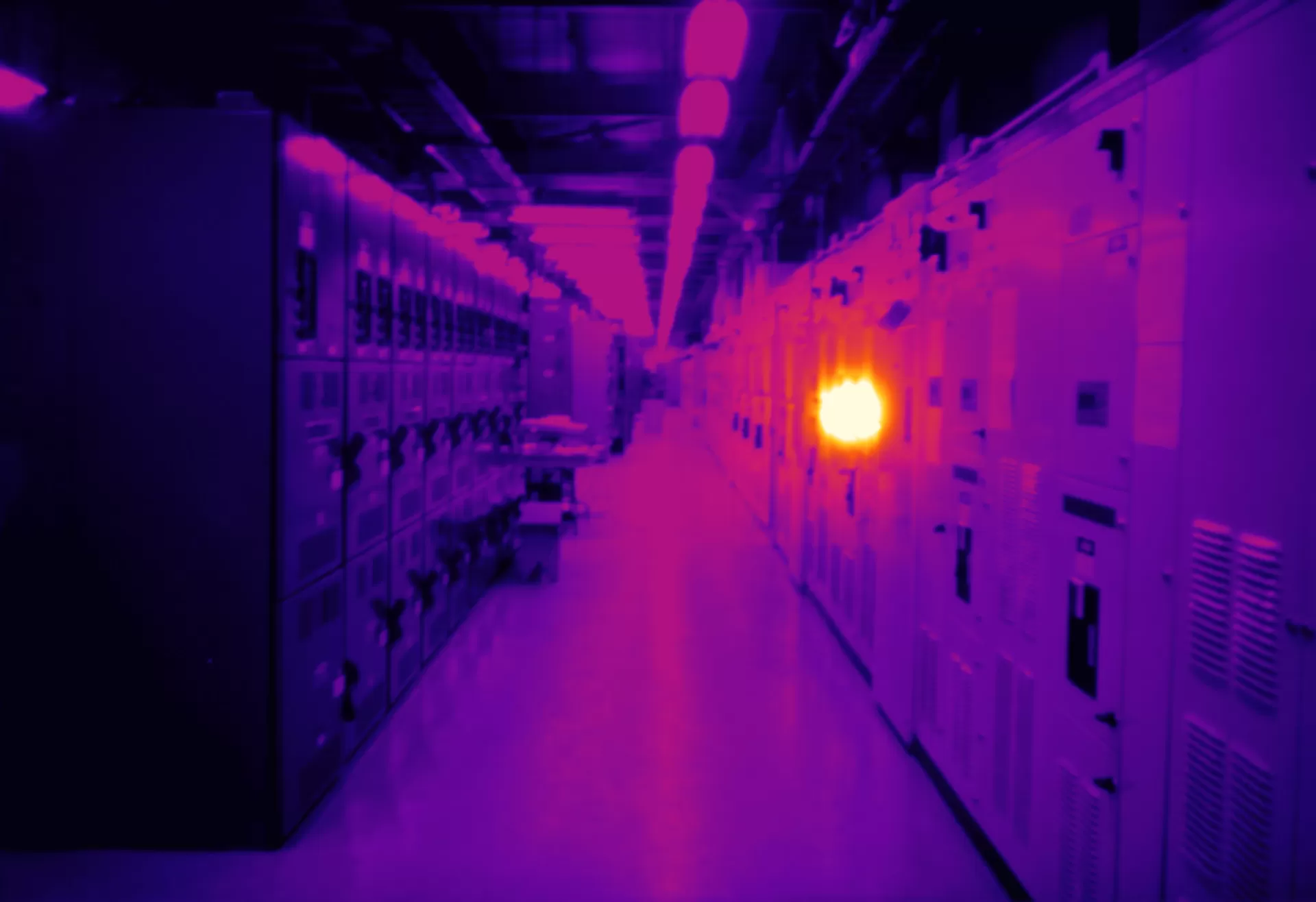
Between outages, industrial thermography keeps watch. One of our Level II (or higher) thermographers images the energized gear under production load, which in a Hamilton mill often means heavily loaded feeders where a deteriorating connection shows up clearly. Findings are repaired by our own licensed electricians during the next planned window.
Food Processing and Agri-Business Electrical Care in Hamilton
Food and agri-business plants in Hamilton put electrical equipment through washdowns, humidity, refrigeration cycles and corrosive cleaning chemicals, so corrosion and moisture at terminations are the faults we look for first.
Our programs for these sites focus on enclosure integrity and gasket condition, corrosion at lugs and bus, motor insulation on pumps, conveyors and compressors, and the panels feeding refrigeration and cold storage. Thermal scans pick up overloaded compressor feeders and failing contactors before they take a cold room down. Offline work is sequenced around sanitation shifts so production and food-safety schedules stay intact.
See food and beverage plant maintenance for how we approach these facilities, and motor electrical testing for the winding measurements we trend on critical drives.
New Buildings in Hamilton's Airport Employment Growth District
The Airport Employment Growth District covers roughly 555 hectares of employment land near John C. Munro Hamilton International Airport, and the newer industrial and logistics buildings there start life with a clean slate. The right time to begin a maintenance record is the day the building is handed over.
For a new Hamilton building we recommend a baseline: an equipment register, a first round of electrical testing and a thermal scan once real load is on the system. Those first values become the reference every later visit is compared with. If a tenant fit-out adds equipment, we update the register rather than starting over.
Owners who plan to keep a building for decades can go further with electrical asset management, which ranks equipment by condition and criticality and turns that ranking into a replacement plan. Established business parks in Stoney Creek, Flamborough and the Bayfront get the same approach, usually starting from a condition survey because records are thin.
Commercial Electrical Contractor for Hamilton Clinics and Buildings
Hamilton is home to two large hospital organizations, Hamilton Health Sciences and St. Joseph's Healthcare Hamilton, and a large share of medical offices, labs and dental clinics sit in the buildings around them. As a commercial electrical contractor we handle their fit-outs, equipment circuits and building maintenance.
Hamilton clinic projects are governed by the code's health care section, Section 24, read together with CSA Z32. The clinic's administrator settles which rooms count as patient care space and how each is classed, and the inspector asks for that paper when ESA visits. Exam rooms are often basic care areas, while dental operatories and many physicians' treatment spaces are intermediate. Dental owners also get our help preparing the HARP and XRIS forms for a new X-ray room while we wire it. More on our medical clinic renovation and dental office renovation pages.
For office and retail buildings, our commercial maintenance looks after main switchboards, tenant distribution and life safety wiring for Hamilton owners and property managers.
ESA Compliance and Alectra Coordination for Hamilton Sites
ESA enforcement is real in Hamilton: its Winter 2025 Plugged In newsletter reported a Hamilton corporation fined for not complying with an ESA order. Our approach is simple. As the licensed contractor we file notifications for the work we do, keep records an inspector can follow, and tell you plainly when an order or defect needs action.
Hamilton is in Alectra Utilities territory. When maintenance needs the utility supply isolated, we follow Alectra's customer process and plan timing with your operations team; there is no partnership between KCS and the utility. Inside the plant, lockout follows a written procedure under section 42 of Regulation 851.
Contractor onboarding at larger Hamilton sites usually asks for safety credentials. KCS is COR certified through IHSA, holds Avetta, ISNetworld and ComplyWorks profiles, is insured, and is covered by WSIB. Emergency response comes with a KCS maintenance contract. A Hamilton program begins with a callback, after which one of our licensed electricians books a walk-through. We also serve neighbouring Burlington.
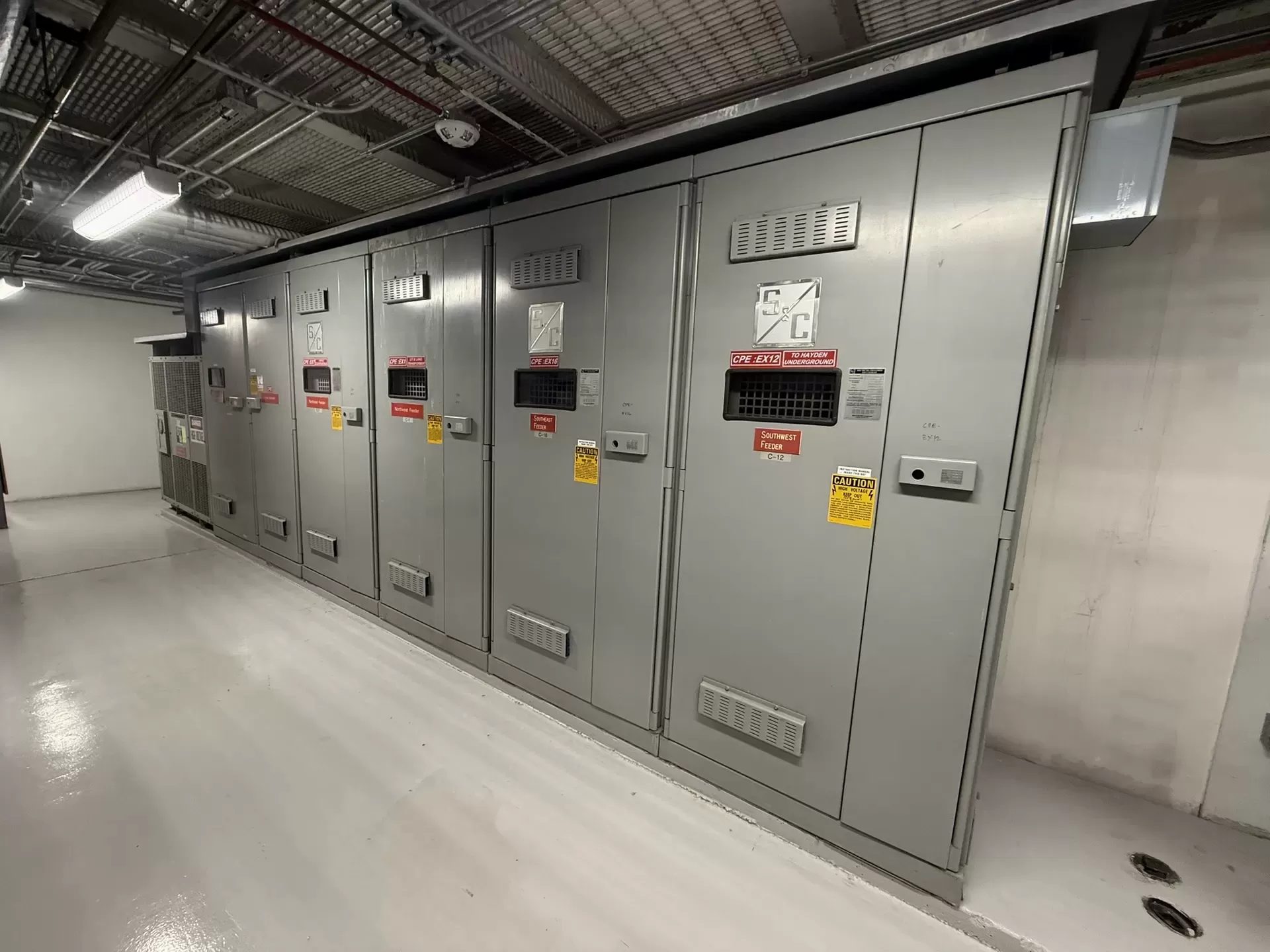
Hamilton distribution
From incoming switchgear to the motor terminals
Many Hamilton plants own long switchgear and MCC lineups. Our licensed crews inspect, test and scan the full chain, then rank corrective work by risk so your shutdown hours go where they matter most.
Questions
Frequently asked questions
Hamilton plants
Can you service a Hamilton plant's main switchgear during an annual shutdown?
Yes. We maintain customer-owned switchgear, power breakers, dry-type transformers and MCCs in Hamilton plants, and we fit the work into your shutdown window. Cleaning, torque checks, insulation resistance and breaker testing are planned in advance, and every outage runs from a written switching and lockout plan.
How often should a Hamilton steel or materials plant test its switchgear?
It depends on condition, criticality and environment. Using the interval table from NFPA 70B (2023 edition), switchgear in poor or harsh condition is cleaned, serviced and tested every 12 months, with visual checks every 6 months, while gear in good condition can go up to 60 months between full services. Dusty, hot mills usually land in the shorter bands.
Why prefer primary injection testing for breakers in Hamilton plants?
Primary injection sends test current through the whole protection path: current transformers, wiring, trip unit and breaker. Secondary injection tests only the trip unit. On critical Hamilton feeders, proving the full path is worth the extra setup, and we record contact resistance on each pole at the same time.
Can you scan a Hamilton mill's electrical rooms while production runs?
Yes. Infrared electrical inspection is done on energized equipment under normal load, so it needs no outage. Our certified thermographers work with a licensed electrician who removes covers safely or uses installed infrared windows. Findings are ranked by temperature rise and planned into your next shutdown for repair.
Food and agri-business
What electrical problems are common in Hamilton food processing plants?
Moisture and corrosion at terminations, failing enclosure gaskets after washdowns, overloaded refrigeration and compressor feeders, and motor insulation breaking down on pumps and conveyors. Our programs check all of these and schedule offline work around sanitation shifts so food-safety routines are not disrupted.
Can maintenance at a Hamilton food plant avoid production downtime?
Much of it can. Scanning and looking over running gear happen during production. Jobs that require dead equipment, for example cleaning, retorquing and breaker trip tests, is grouped into the sanitation windows or shutdowns you already have, with the most critical circuits returned to service first.
New and existing buildings
What should a new building in Hamilton's airport employment district do first?
Create a baseline at handover. That means an equipment register, initial electrical test values and a thermal scan once the building carries real load. Later results are compared with that baseline, which makes it far easier to see deterioration early and plan repairs or replacements.
Do you serve business parks in Stoney Creek and Flamborough?
Yes. We work across Hamilton, including the business parks in Stoney Creek and Flamborough and the industrial land along the Bayfront. Older parks often have thin records, so we usually begin with a condition survey and equipment list before proposing intervals and a testing plan.
Clinics and compliance
Do Hamilton medical and dental clinics need special electrical work?
Yes. Ontario's electrical code applies its health care rules in Section 24 to clinics and dental offices, not just hospitals. The clinic administrator classifies patient care areas under CSA Z32, and the wiring, bonding and receptacle choices follow that classification. Isolated-ground receptacles, for example, are not allowed in patient care areas.
Who files the ESA notification for electrical maintenance in Hamilton?
The licensed electrical contractor does. Ontario requires one for work on an installation, and for every job KCS performs in Hamilton we submit it ourselves. Some activities, such as routine emergency generator testing to CSA C282, have their own rules, and we explain these before the work is booked.
Does KCS coordinate utility disconnects with Alectra in Hamilton?
Yes, when a job needs the utility supply isolated. We follow Alectra Utilities' customer process and plan timing with your team. KCS has no business relationship with the utility; we simply manage the request on the customer's behalf and handle all of the work on your side of the service.
Is emergency electrical response available for Hamilton facilities?
Emergency response is offered to KCS maintenance-contract clients. Other Hamilton facilities book through a callback so a licensed electrician can scope the issue first. If unplanned failures are a concern, a maintenance agreement gives your site both scheduled care and access to our emergency response.
Related services
Related services
Industrial Plant Thermography
Thermographic surveys of manufacturing plants under production load, with trended findings, shutdown-ready work lists and licensed repairs.
View service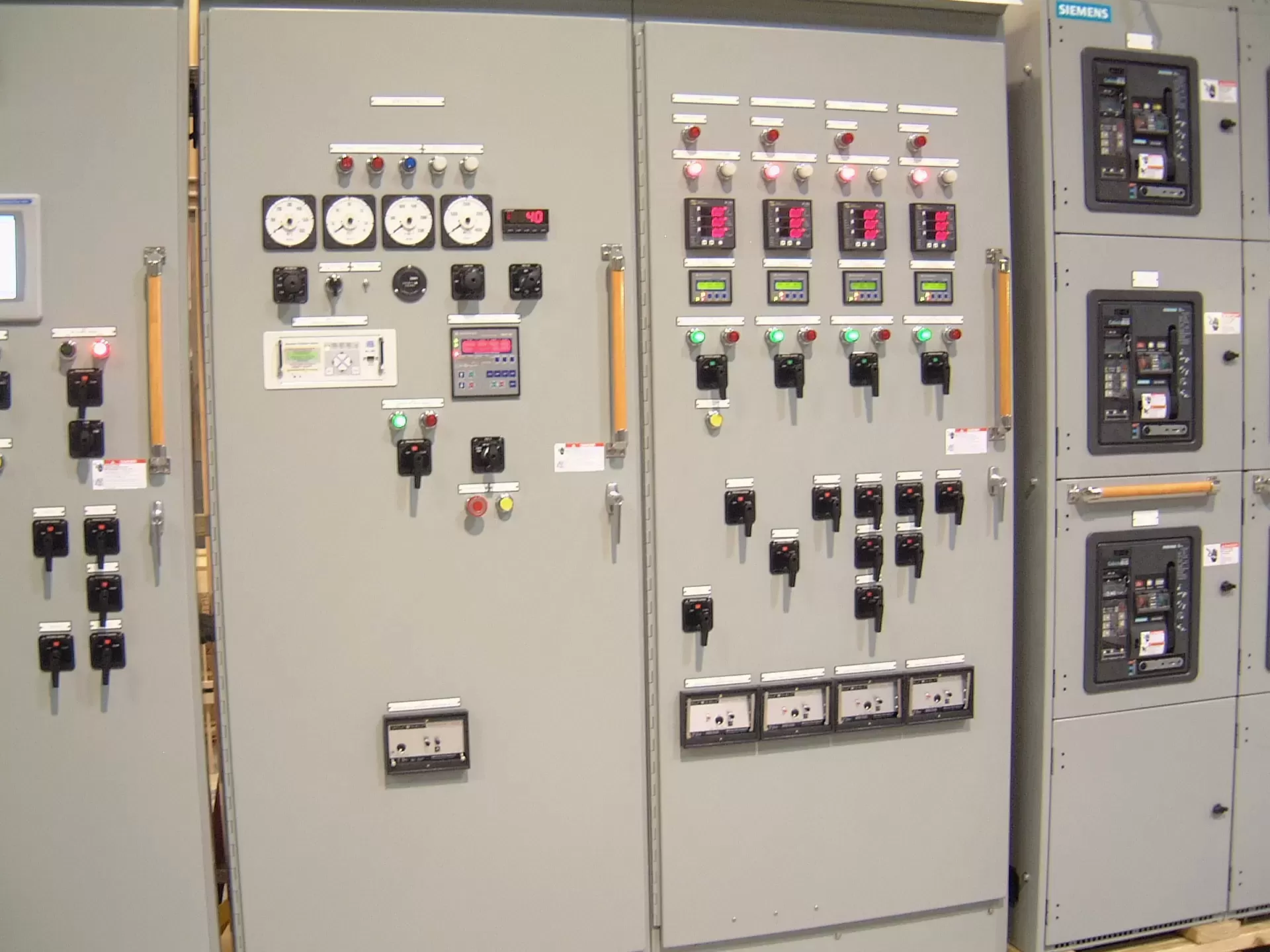
Switchgear Maintenance
Switchgear maintenance and inspection for low voltage lineups and switchboards, planned around shutdown windows and documented section by section.
View service
Food & Beverage Processing
Electrical maintenance for food and beverage plants, built around washdown, sanitation shifts and refrigeration loads.
View service
Burlington
Maintenance, testing and thermal scans for Burlington manufacturers, robotics and composites shops, offices and medical buildings.
View service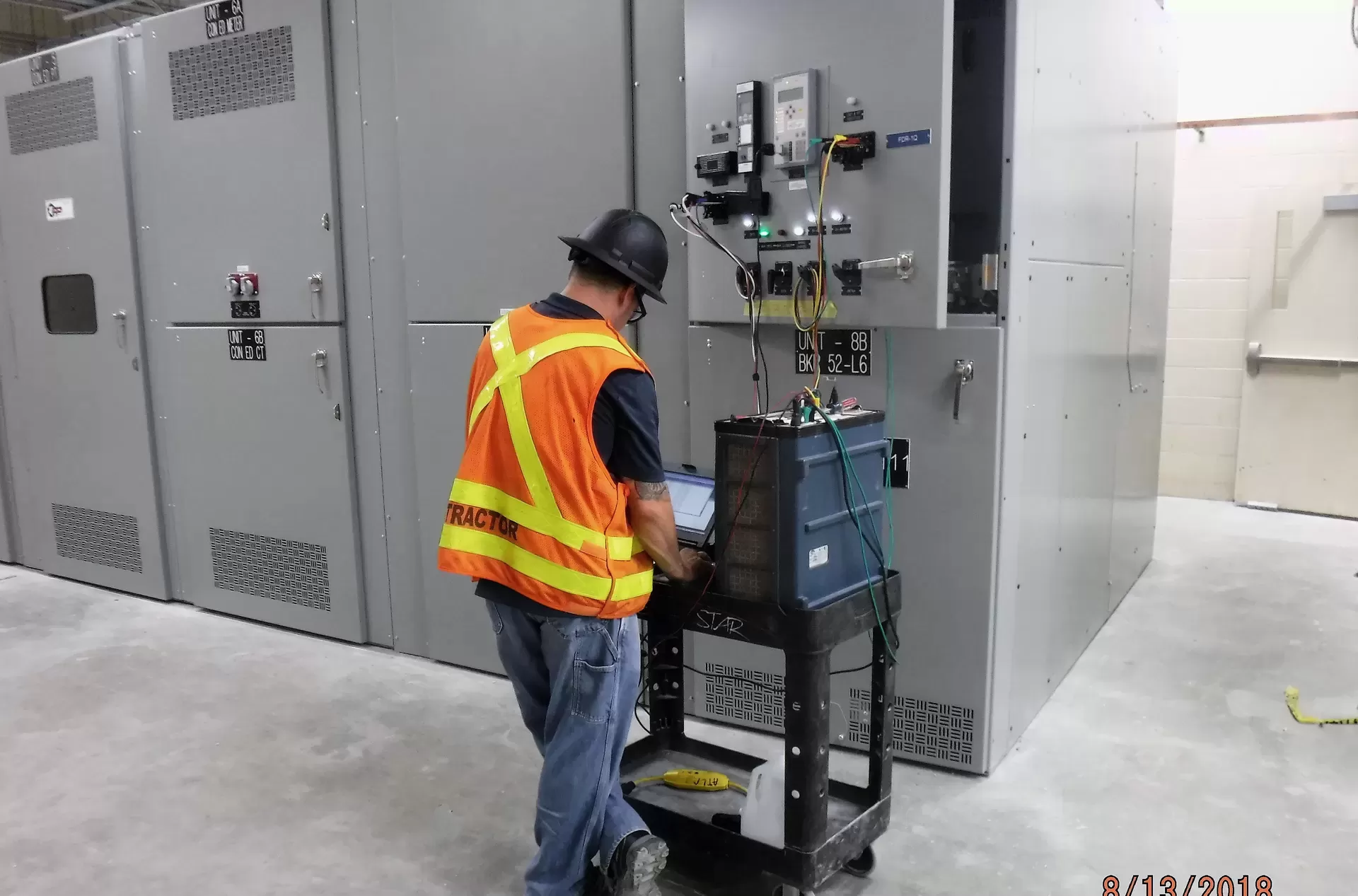
Transformer Testing
Ratio, winding, insulation and thermal checks on customer-owned dry-type transformers, with results trended visit to visit.
View serviceElectrical Asset Management
An electrical asset register, condition scores and a ranked repair and replacement plan for plants and building portfolios.
View service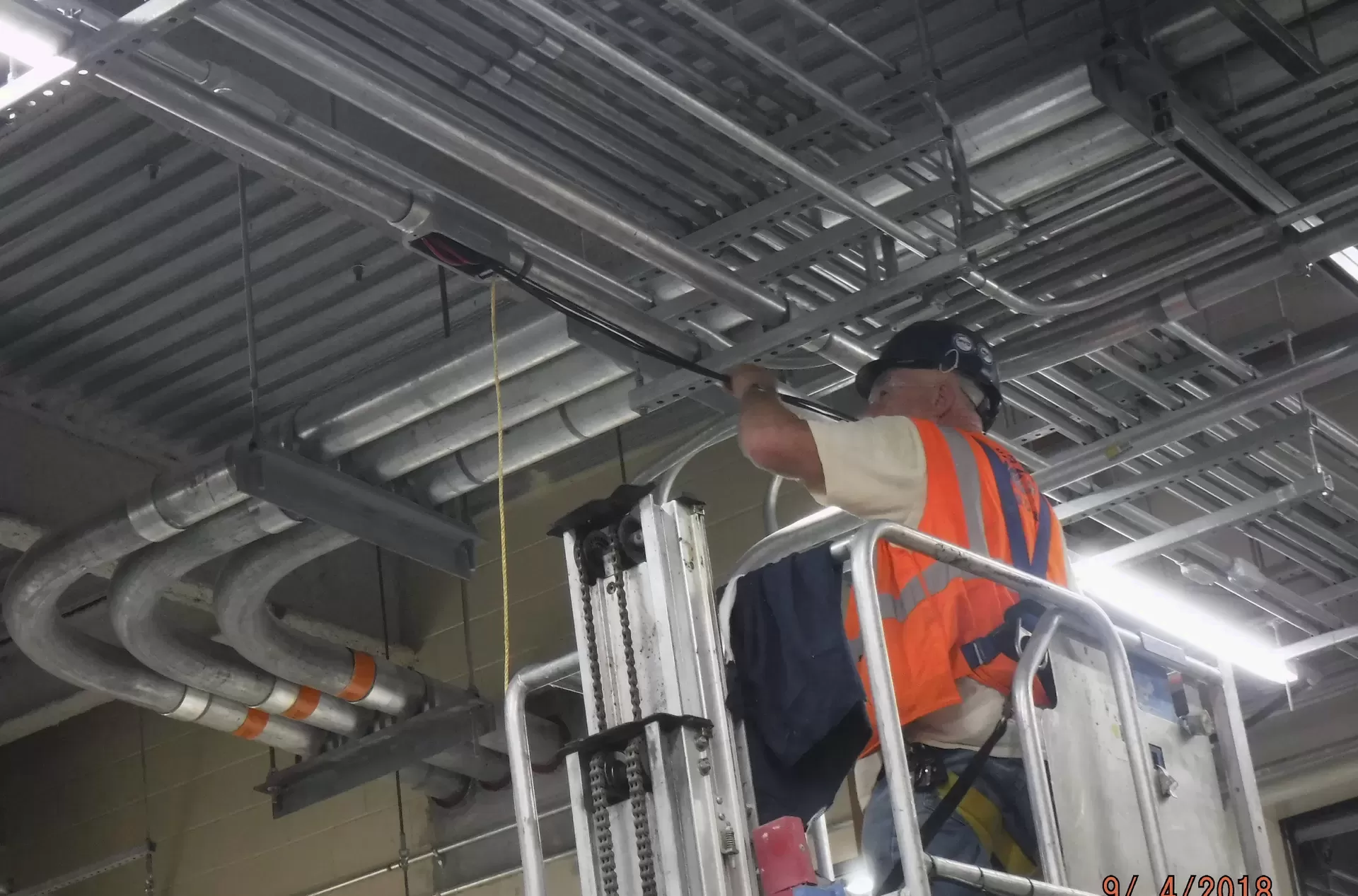
Request a callback
Plan your next electrical maintenance program with KCS
Tell us about the site and the equipment. A licensed electrician reviews it and calls you back.
- ESA/ECRA licence #7014042
- COR certified, ISNetworld, Avetta and ComplyWorks
- Work planned around shutdowns and tenant hours
- Emergency response for maintenance-contract clients
Send your request
We reply during business hours: Open daily, 9 a.m. to 9 p.m.