Know the hazard before the panel opens
Arc Flash Study and CSA Z462 Labels for Toronto & GTA Facilities
An arc flash study calculates how much energy an arcing fault could release at each piece of electrical equipment, so workers know the boundary and protection required before they open it. KCS carries out arc flash assessments in-house, from field data collection and system modelling to CSA Z462 arc flash labels, and supplies studies sealed by a professional engineer for plants, commercial buildings and healthcare facilities across Ontario.
- ESA/ECRA licence #7014042
- COR certified (IHSA)
- ISNetworld, Avetta, ComplyWorks
- Insured and WSIB covered
Request a callback
A licensed electrical contractor calls you back, usually the same business day.
Updated Reviewed by KCS Group licensed electricians
What Is an Arc Flash?
An arc flash is the sudden release of heat, light and pressure when electric current jumps through the air between conductors, or from a conductor to ground. It can happen in a fraction of a second and cause severe burns, hearing damage and injuries from flying metal, even to a worker who never touches a live part.
The arc itself needs a starting point. Common triggers include a tool or test probe slipping across live parts, a dropped part inside an open enclosure, insulation that has broken down from age, heat or moisture, dust and contamination tracking across a surface, loose or failed connections, and mistakes while racking breakers in or out. Once the arc forms, it is sustained until a protective device clears it, which is why the speed of your breakers and fuses matters so much.
The term arc blast is sometimes used for the pressure wave that comes with a large arc. It is part of the same event: the expanding air and vaporised metal can throw workers, doors and debris.
ESA has reported that 33 Ontario workers died and 146 were critically injured from electrical contact between 2009 and 2018. An arc flash study is one of the main tools for reducing that risk in your facility.
What an Arc Flash Study Includes
An arc flash study, also called an arc flash assessment or arc flash analysis, models your electrical system and calculates the incident energy and arc flash boundary at each piece of equipment where work could be done while energized. It produces labels for the equipment and a report your safety program can rely on.
A complete study is built from three linked calculations, which is why it starts with an accurate picture of the system.
| Part of the study | What it determines | Why it matters |
|---|---|---|
| Single-line diagram and data collection | The real layout of sources, transformers, cables and protective devices | Every calculation depends on it; out-of-date drawings give wrong answers |
| Short-circuit study | Available fault current at each bus | Confirms equipment ratings and feeds the incident energy calculation |
| Protective device coordination | How fast each breaker, fuse or relay clears a fault, and in what order | Clearing time is a major driver of arc flash energy |
| Incident energy analysis | Energy at the working distance and the arc flash boundary | Sets the PPE and approach limits for each location |
| Labels and report | Equipment labels, results tables and recommendations | Puts the information where workers need it |
The report also flags locations where energy is high enough that energized work should be avoided, along with practical changes that could lower it.
How an Arc Flash Assessment Is Carried Out
The assessment starts in the field, because most of the effort in an arc flash study goes into collecting accurate equipment data. A study is only as good as the nameplates and settings it is built on.
- Scoping. We agree which buildings and voltage levels are included, review existing single-line diagrams and previous studies, and note any report format your insurer, head office or a client contract specifies.
- Field data collection. Our licensed electricians record the utility service, transformers, conductor sizes and lengths, protective devices, trip unit settings and fuse types at each location. Covers are opened only under safe work procedures, and some readings are scheduled into planned shutdowns.
- System model and calculations. Our team builds the system model in-house and runs the short-circuit, coordination and incident energy calculations, and the finished study is sealed by a professional engineer.
- Review with your team. Results and any high-energy locations are explained before labels are printed, so decisions about settings or equipment changes can be made first.
- Labelling and handover. Durable labels are applied to each piece of equipment and the report is handed over with the updated single-line diagram.
The data collection walk also gives you an accurate equipment list, which is the starting point for electrical asset management if you want to go further.
CSA Z462 Arc Flash Labels: What They Show and Where They Go
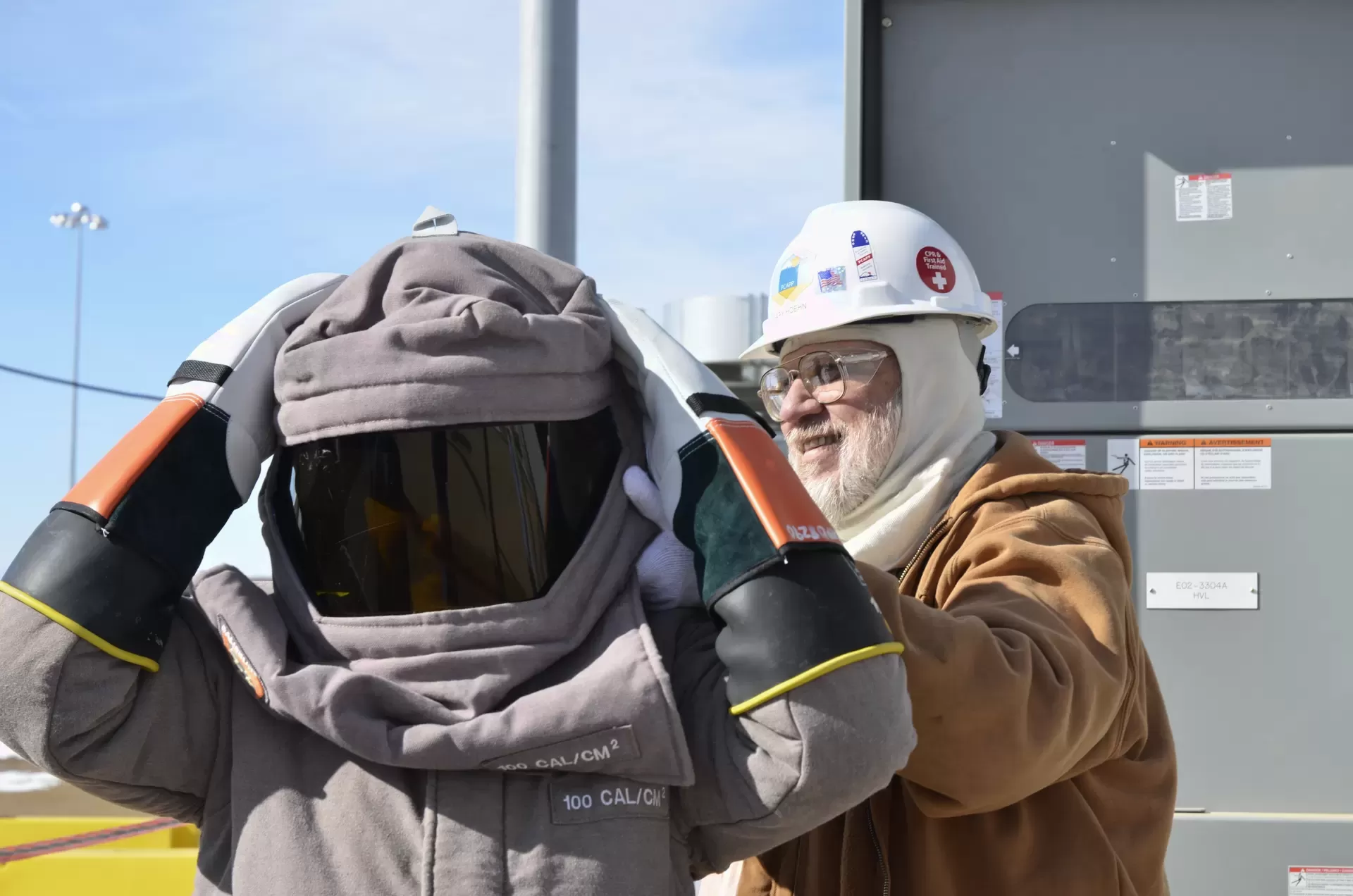
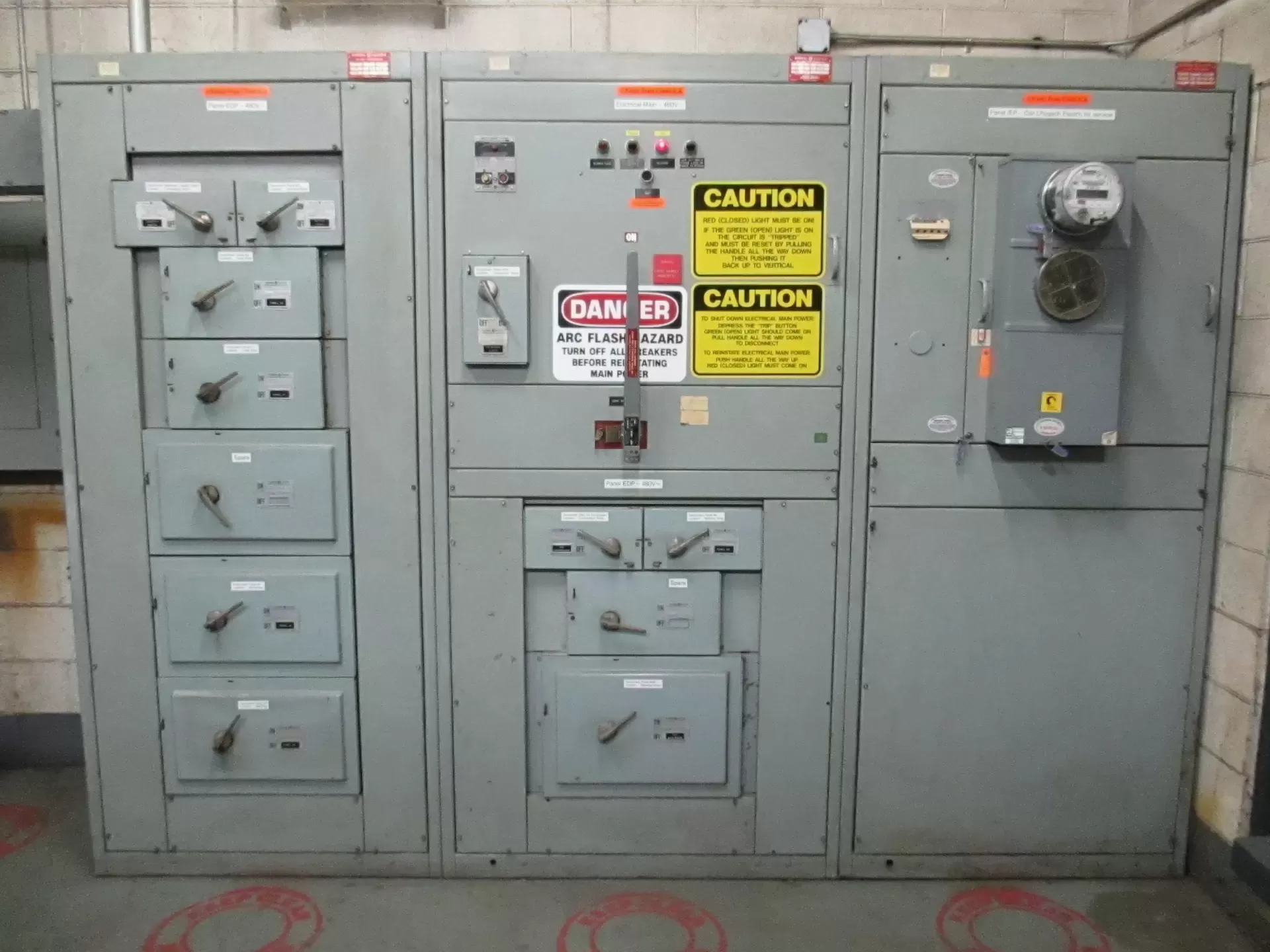
CSA Z462 arc flash labels tell a qualified worker the hazard at a specific piece of equipment before it is opened. They go on equipment that is likely to be examined, adjusted, serviced or maintained while energized, such as switchboards, panelboards, motor control centres, disconnects and industrial control panels.
Labels generally include the following information. Exact layout follows the annex guidance in CSA Z462 and your own safety program.
| Label field | What it tells the worker |
|---|---|
| Nominal system voltage | The voltage present, which sets shock protection and approach limits |
| Arc flash boundary | The distance at which an unprotected person could receive a second-degree burn |
| Incident energy at working distance, or PPE information | The level of arc-rated protection needed for tasks at that equipment |
| Equipment identification | A tag that matches the single-line diagram and the study report |
Separately, section 41 of O. Reg. 851 has industrial employers post a clearly visible sign keeping unauthorized people out of electrical rooms where live parts are exposed. Arc flash labels add equipment-level detail to that room-level warning.
Labels are only reliable while the system they describe stays the same. A new transformer, a changed breaker setting or a utility change can raise or lower the energy at a location, so labels should be reviewed whenever the system changes.
Arc Flash Requirements in Ontario and Canada
In Ontario, employers must protect workers from electrical hazards under the province's workplace safety law and, for industrial establishments, O. Reg. 851. CSA Z462 is the Canadian standard for workplace electrical safety and describes how to assess arc flash risk, select protection and label equipment.
Key points for facility owners and employers:
- O. Reg. 851 makes isolation, locks and tags the default for any job close to exposed energized conductors, backed by the employer's written procedure, and adds protective rules for the cases where isolation cannot be done.
- CSA Z462 provides the method for an arc flash risk assessment, including when energized work is justified and how PPE is selected.
- NFPA 70B, which many insurers and multinational owners reference, puts a ceiling of five years on the review cycle for the fault current, device coordination and incident energy calculations.
- CSA Z463 covers maintenance of electrical systems, which matters because equipment condition affects how a protective device will perform during a fault.
- ANSI/NETA MTS (2023 edition) is the specification we test protective devices to, so the clearing times the study assumes are checked in the field; new devices are tested to ANSI/NETA ATS before they are energized.
Many insurers, corporate safety standards and client prequalification programs also ask for a current study and labelled equipment. If you are being asked for one, share the request with us so the study meets it.
Why Equipment Maintenance Changes Arc Flash Results
Incident energy calculations assume each protective device opens as designed. A breaker with hardened lubricant or a drifting trip unit can take longer to clear a fault, and longer clearing time means more energy released at the arc.
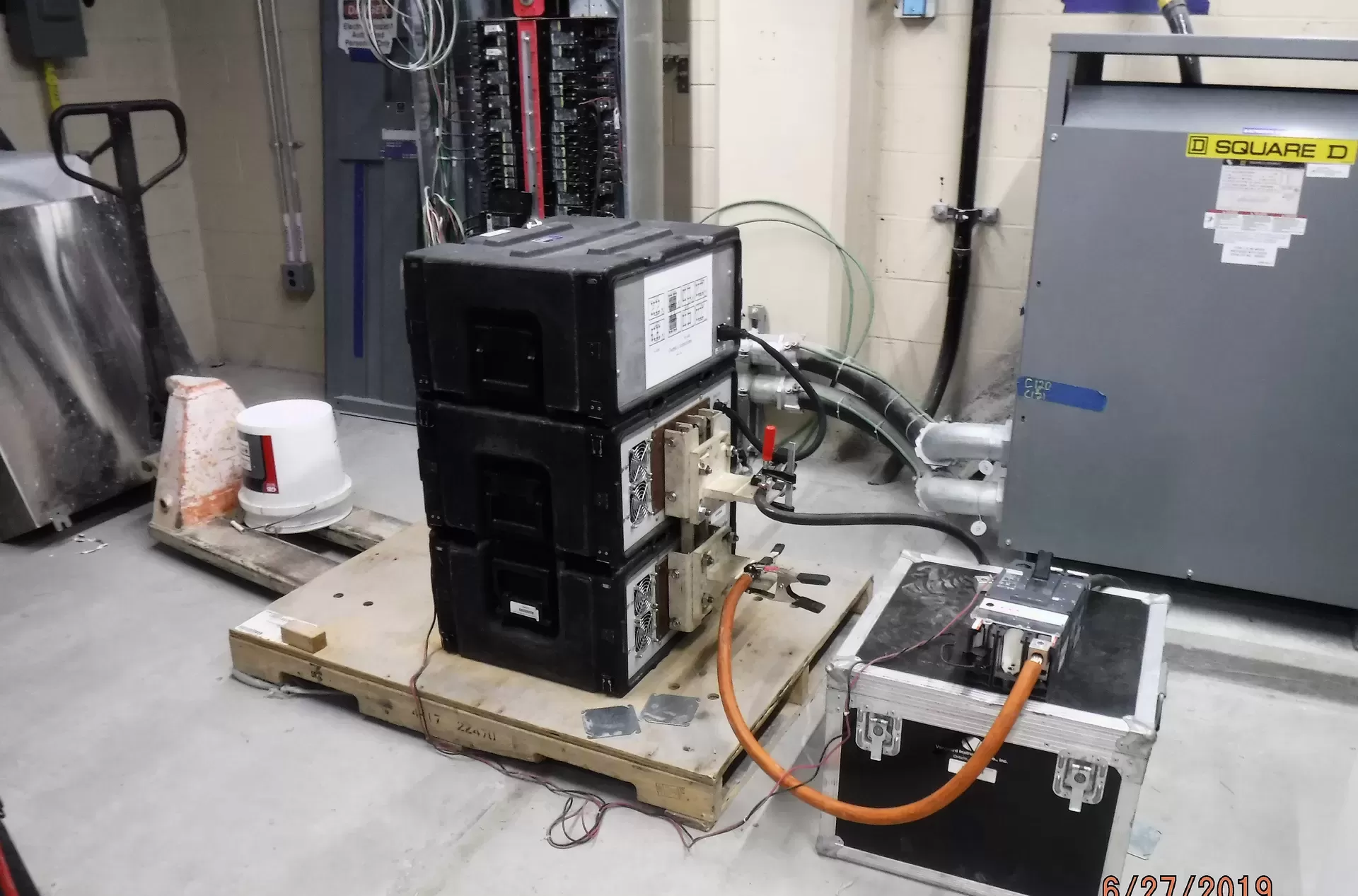
That is why an arc flash study and a maintenance program support each other. The study sets the expected clearing time; circuit breaker testing and switchgear maintenance confirm the devices still meet it when performed to ANSI/NETA MTS. Recent editions of CSA Z462 have added guidance on considering the maintenance condition of equipment as part of the risk assessment.
If your gear has no maintenance history, we will tell you, and the report will note where results depend on devices that have not been tested. Pairing the study with a round of electrical preventive maintenance closes that gap.
Ways to Lower Arc Flash Energy at High-Risk Equipment
Where results are high, the study report lists practical options to bring the energy down or keep workers further away. Not every option suits every site, and some require an engineering review before they are made.
- Adjusting protective device settings to clear faults faster, within the limits of coordination.
- Adding a maintenance mode switch or similar temporary setting that speeds up clearing while people work on the equipment.
- Remote racking and remote operation, so breakers can be operated from outside the arc flash boundary.
- Moving routine tasks outside the enclosure, for example with infrared windows for scanning; note that the window does not remove the hazard inside the gear.
- Replacing worn or obsolete devices that cannot be relied on to trip as designed.
- Planning tasks so equipment is de-energized and verified dead, which remains the first choice for any work on live parts.
Our electricians can then make the physical changes the report recommends and re-label the affected equipment.
What Affects the Scope and Timeline of a Study
The size of an arc flash study depends mostly on how many pieces of equipment are included and how much reliable information already exists. We provide a fixed scope and quote after a short review, rather than a price on this page.
Factors that shape the effort:
- Number of buses: switchboards, panelboards, MCCs and disconnects to be modelled and labelled.
- Whether a current single-line diagram exists, or must be rebuilt from the field.
- Access to electrical rooms, tenant spaces and shutdown windows.
- Utility fault current data requests and the number of supply sources, such as generators.
- Whether a previous study can be updated rather than redone.
Field work is scheduled around production and tenant hours. Utility fault current data can take some time to arrive, so we request it early.
Healthcare and clinic buildings add one more consideration: essential power branches, generators and transfer switches have to be modelled in each operating mode, because fault current on generator power can differ sharply from fault current on the utility supply. Lower fault current is not always safer, since it can slow some protective devices and stretch the arc duration. The study reports the worse of the two cases for each location, and the labels reflect it.
Arc Flash Studies for GTA Plants, Buildings and Clinics
We carry out arc flash studies in-house for manufacturing and food plants, warehouses, commercial office and retail properties, and healthcare buildings, from single-service sites to campuses with several electrical services. Most of this work is in Toronto and the GTA, including industrial areas in Mississauga, Brampton and Vaughan.
KCS holds ESA/ECRA licence #7014042. We hold COR certification through IHSA and active vendor profiles on ISNetworld, Avetta and ComplyWorks, which many owners require before arc flash field work can start. For facilities that also want plant-wide support, see our industrial electrical services.
From survey to labels
How an arc flash project runs
Scope and records
We review drawings, previous studies and any insurer or contract requirements, and agree what equipment is included.
Field data
Licensed electricians collect nameplates, cable runs and device settings, working under written safe work procedures.
Calculate and review
Fault current, coordination and incident energy are modelled, and high-energy locations are discussed with your team.
Label and hand over
Durable labels go on each piece of equipment, with the report and an updated single-line diagram.
On every label
Information your electricians can act on
A label is only useful if the person reading it trusts it. Each one we apply carries an equipment tag that matches the single-line diagram and the study report, so anyone can trace the numbers back to their source.
When your system changes, we review the affected labels and update the report rather than leaving outdated values on the gear.
Questions
Frequently asked questions
Arc flash basics
What is the difference between an arc flash and an arc blast?
An arc flash is the intense heat and light released when current flows through the air between conductors. Arc blast describes the pressure wave and flying material that come with the same event. Both happen together during a large arcing fault, and an arc flash study addresses the thermal hazard, while safe work practices and distance help with blast effects.
What usually causes an arc flash in industrial electrical equipment?
Typical causes are tools or test leads slipping across live parts, objects dropped into open enclosures, insulation failure from age, heat or moisture, dust and contamination, loose connections, and errors while racking breakers. Poorly maintained protective devices do not start the arc, but they can let it last longer and release more energy.
What is an arc flash boundary on an electrical label?
The arc flash boundary is the distance from exposed live parts at which a person without arc-rated protection could receive a second-degree burn if an arc occurred. Anyone crossing that boundary toward the equipment needs suitable protection. The study calculates the boundary for each location, and the label shows it so workers can set up their work area correctly.
What does incident energy mean in an arc flash study?
Incident energy is the amount of thermal energy that would reach a surface at a set working distance from an arc, usually expressed in calories per square centimetre. It depends on available fault current, the time the protective device takes to clear the fault, and the equipment configuration. It is the main number used to select arc-rated clothing.
The study
What does an arc flash study include from start to finish?
It includes collecting field data and updating the single-line diagram, a short-circuit study, a protective device coordination review, incident energy calculations at each location, equipment labels, and a report with results and recommendations. A good study also explains high-energy locations to your team and suggests practical ways to reduce the hazard.
Who is qualified to carry out an arc flash study?
The study needs people who understand power system calculations, protective devices and safe field work. Field data collection must be done by qualified electrical workers, because it involves opening equipment. KCS does all of this in-house: our licensed electricians collect the data, our team builds the model and runs the calculations, and every study we deliver is sealed by a professional engineer.
Will collecting arc flash data require a power shutdown?
Most data can be collected without a shutdown by reading nameplates and settings with proper protection. Some equipment cannot be safely opened while energized, and those items are scheduled into planned outages. We list which locations need a shutdown during scoping, so your team can plan around production or tenant hours.
How long does an arc flash study take for a typical facility?
The timeline depends on the number of electrical buses, the state of existing drawings, access, and how quickly the utility provides fault current data. A small building with a current single-line moves much faster than a plant that needs drawings rebuilt from the field. We set out a schedule after the initial review.
Cost and scope
How much does an arc flash study cost in the GTA?
Cost depends on the number of pieces of equipment to be modelled and labelled, whether drawings must be rebuilt, the number of supply sources such as standby generators, and access constraints. Updating a recent study usually costs less than starting over. We quote a defined scope after reviewing your drawings or a short walk-through, rather than publishing a price list.
Can an existing arc flash study be updated instead of redone?
Often, yes. If the original model is available and the system has changed only in parts, the model can be updated with new data and the affected labels reprinted. If the original data is missing or the system has changed significantly, a new study is usually more reliable. We review the previous report before recommending either path.
Requirements
Are arc flash studies required by law in Ontario?
Provincial law places a general duty on employers to protect workers from electrical hazards, and O. Reg. 851 sets lockout and protection rules for industrial establishments. CSA Z462, the Canadian workplace electrical safety standard, describes the arc flash risk assessment used to meet that duty. Insurers, owners and prequalification programs commonly require a current study by policy or contract.
How often should an arc flash study be reviewed or updated?
Under NFPA 70B, the three system calculations behind the labels should be revisited no more than five years apart, and CSA Z462 practice is to review the assessment periodically and whenever the system changes. A new transformer, a utility change, altered breaker settings or a major addition should trigger a review sooner.
Is CSA Z462 a mandatory standard or a voluntary one?
CSA Z462 is a national consensus standard. It becomes binding when a regulation, a contract or an employer's own safety program adopts it. In practice it is the reference Canadian employers, insurers and safety auditors use to judge whether arc flash risk has been assessed and controlled, so most organisations treat it as their working rule.
Labels
Are arc flash labels required on electrical equipment in Canada?
CSA Z462 calls for equipment likely to be worked on while energized to be marked with arc flash hazard information, and many insurers and corporate standards require labels. Ontario's industrial regulation adds a sign on the door of any electrical room where energized parts are exposed. Labels give workers equipment-specific information at the point of work.
What information appears on a CSA Z462 arc flash label?
Labels generally show the nominal system voltage, the arc flash boundary, and either the incident energy at the working distance or the required PPE information, along with an equipment identifier. Layout follows the guidance in CSA Z462 and your safety program. Some organisations also add the study date so workers can see how current the information is.
Which pieces of electrical equipment need arc flash labels?
Labels go on equipment that is likely to be examined, adjusted, serviced or maintained while energized. That typically includes switchgear, switchboards, panelboards, motor control centres, industrial control panels, disconnect switches and meter sockets in commercial and industrial settings. The study report lists every labelled location so nothing is missed.
Protection and training
How is arc flash PPE chosen after a study is completed?
PPE is selected from the incident energy calculated for each location, so workers wear clothing with an arc rating at least equal to the hazard. CSA Z462 also provides a table method for common tasks where conditions match its limits. The study gives location-specific results, which avoids both under-protection and wearing heavier gear than needed.
Does an arc flash study replace arc flash safety training?
No. The study tells workers what the hazard is at each location; training teaches them how to recognise it, plan the task, choose and inspect PPE, and work safely. Employers need both. We walk your team through the study results at handover so maintenance staff understand the labels on their own equipment.
Can arc flash energy be reduced without replacing switchgear?
Often it can. Options include faster protective device settings, a maintenance mode setting used during work, remote racking and operation, and moving tasks outside the enclosure. Each change has to keep the system coordinated and is reviewed before it is made. Where a device is worn or obsolete, replacement may be the only reliable option.
Working with KCS
Can KCS make the electrical changes an arc flash study recommends?
Yes. As a licensed electrical contractor holding ESA/ECRA licence #7014042, we can adjust settings, install remote operation or maintenance mode devices, replace worn equipment and test breakers, then update the affected labels and report. Work is notified to ESA where required. Reach us at (647) 979-0549 with your equipment list.
Related services
Related services
Circuit Breaker Testing
Trip, timing, contact resistance and mechanism checks that prove each breaker will open when a fault demands it, from 15 A branch breakers to drawout power breakers.
View service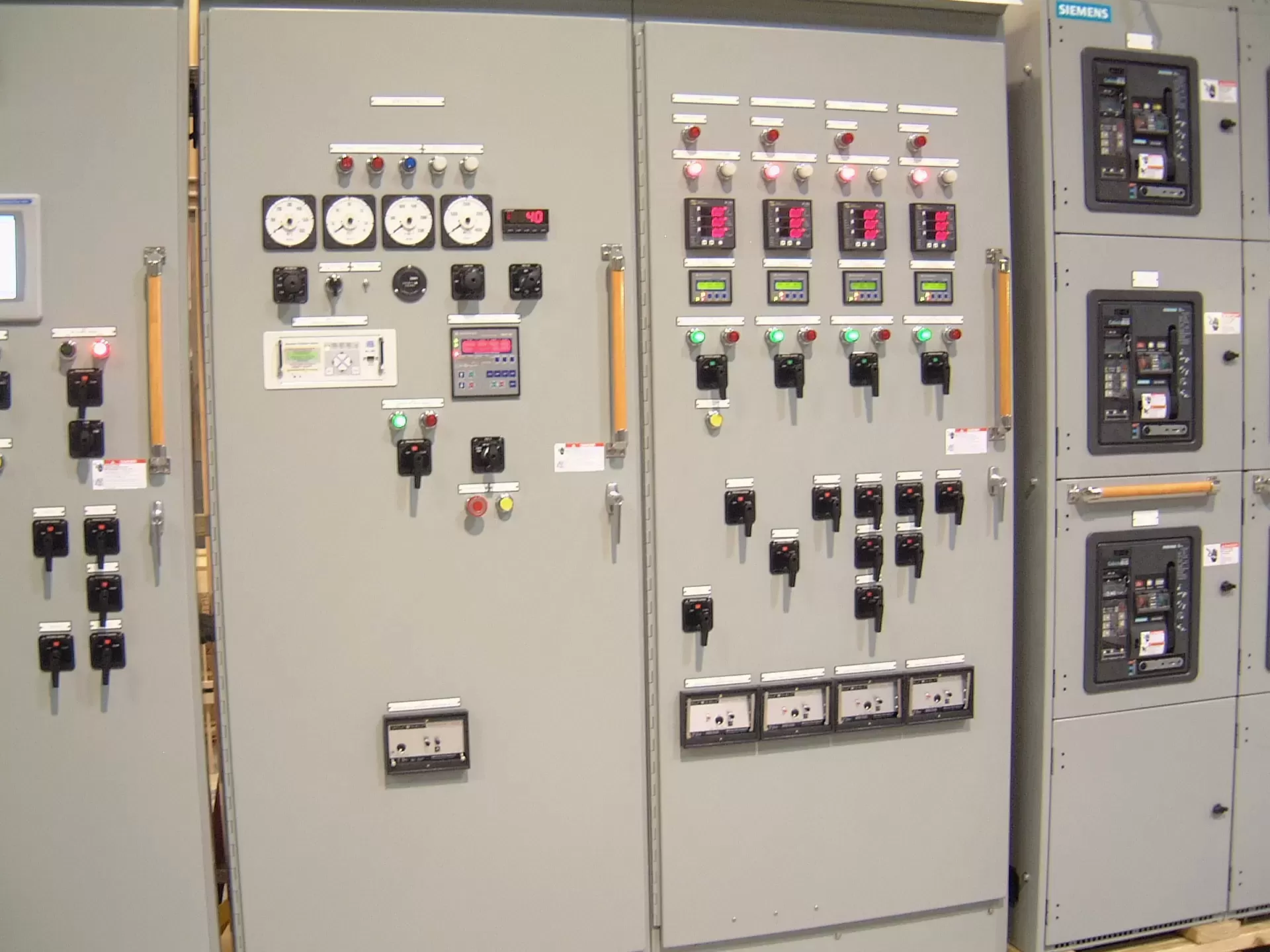
Switchgear Maintenance
Switchgear maintenance and inspection for low voltage lineups and switchboards, planned around shutdown windows and documented section by section.
View service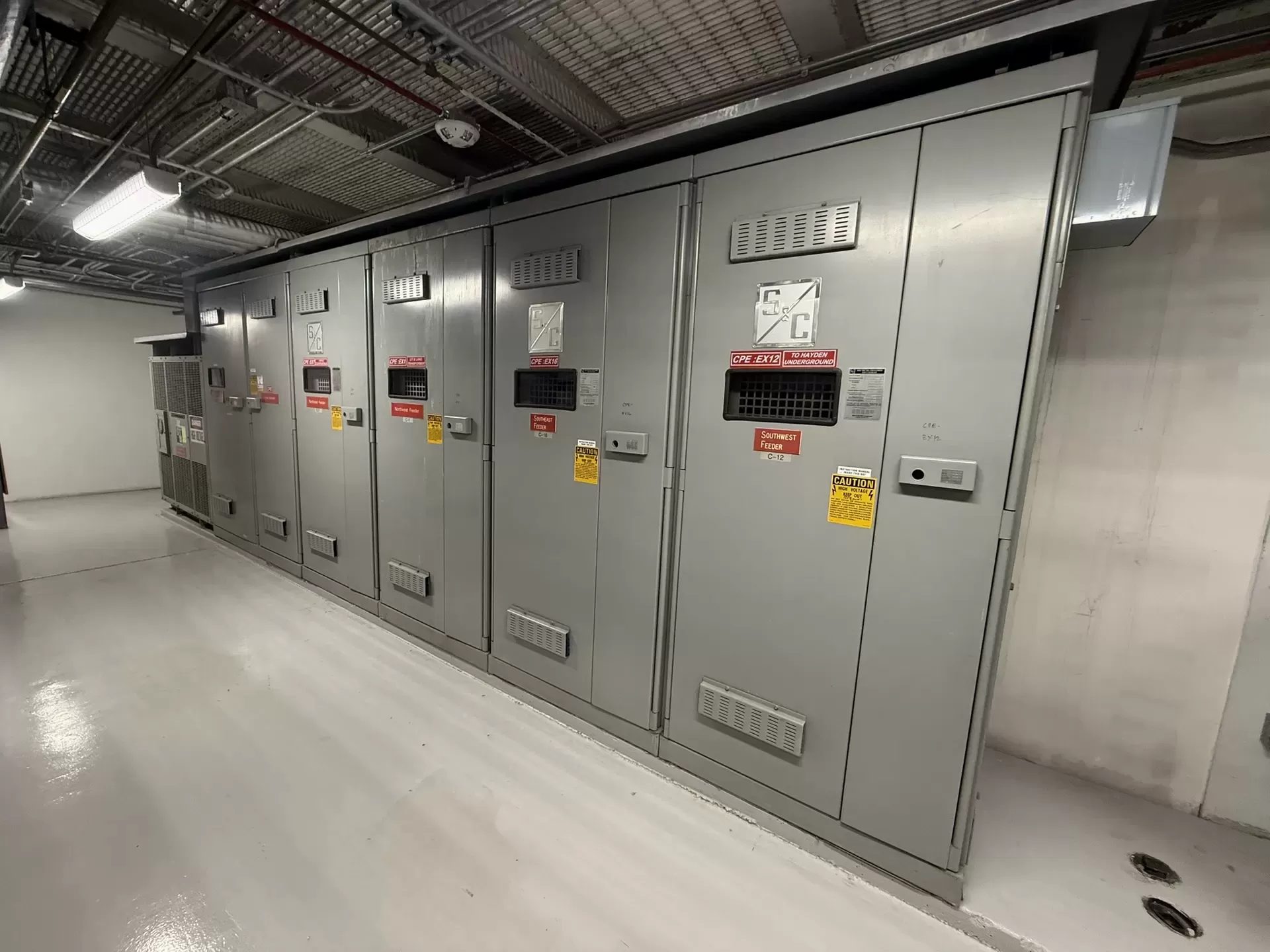
Electrical Asset Management
An electrical asset register, condition scores and a ranked repair and replacement plan for plants and building portfolios.
View service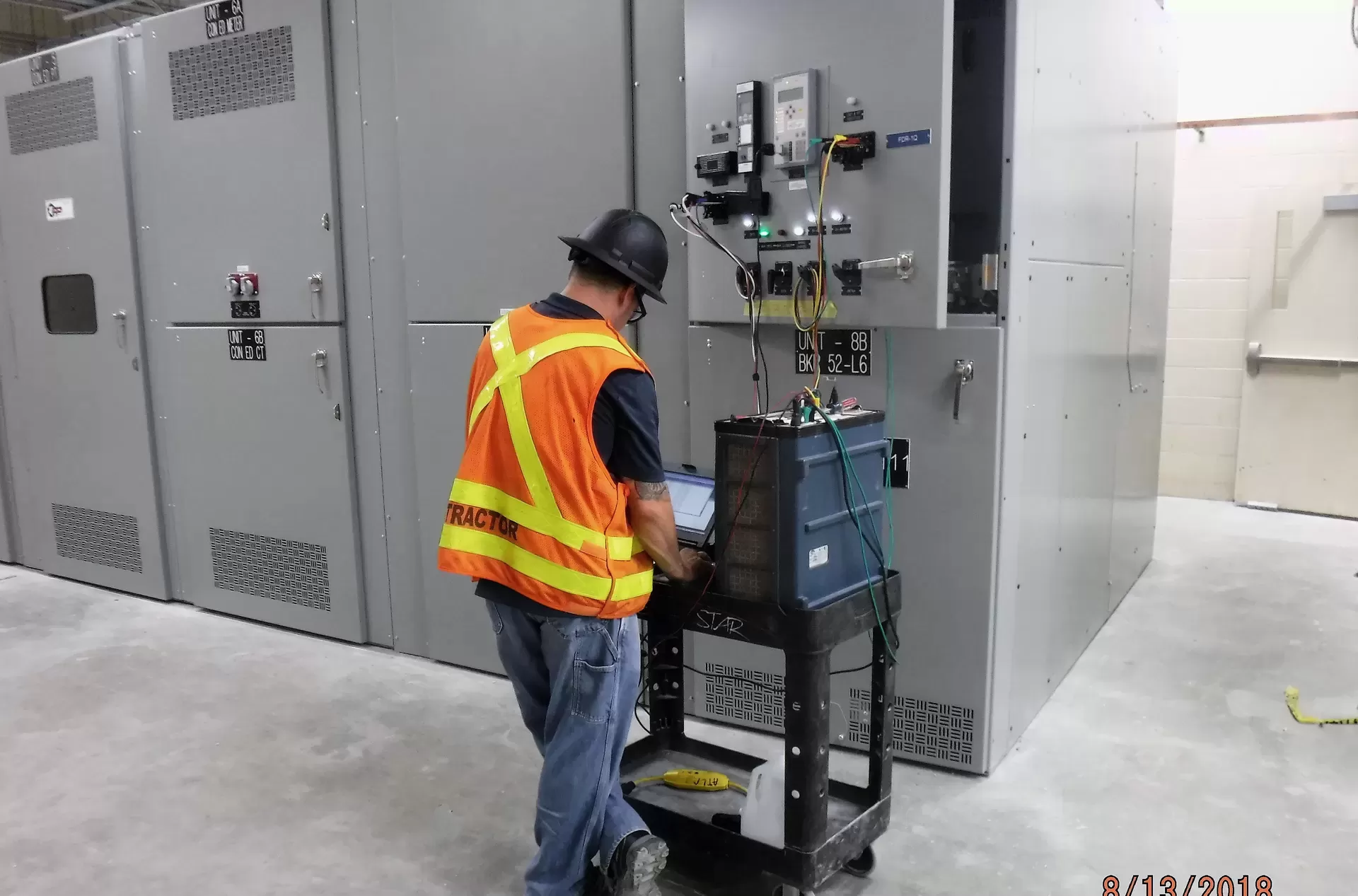
Electrical Preventive Maintenance
A written program of scans, cleaning, tightening and tests for switchgear, panels and transformers, aligned with CSA Z463 and NFPA 70B.
View serviceInfrared Window Installation
Planning and installation of IR viewing windows so switchgear, transformers and bus can be thermally scanned with covers closed.
View service
Industrial Electrical Services
Industrial electricians for GTA plants: repairs, machine hookups, troubleshooting and shutdown work under a COR certified safety program.
View service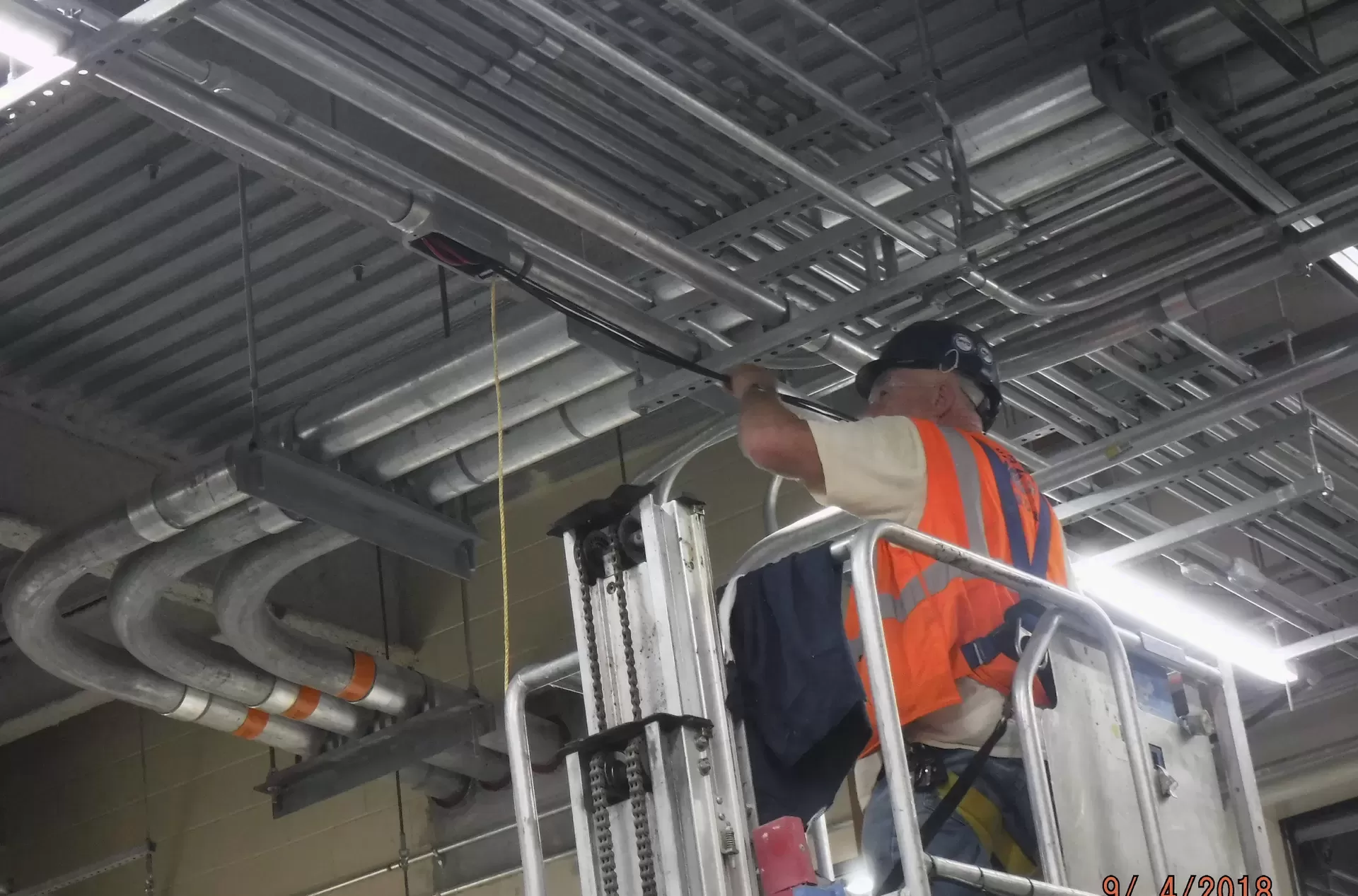
Request a callback
Plan your next electrical maintenance program with KCS
Tell us about the site and the equipment. A licensed electrician reviews it and calls you back.
- ESA/ECRA licence #7014042
- COR certified, ISNetworld, Avetta and ComplyWorks
- Work planned around shutdowns and tenant hours
- Emergency response for maintenance-contract clients
Send your request
We reply during business hours: Open daily, 9 a.m. to 9 p.m.