
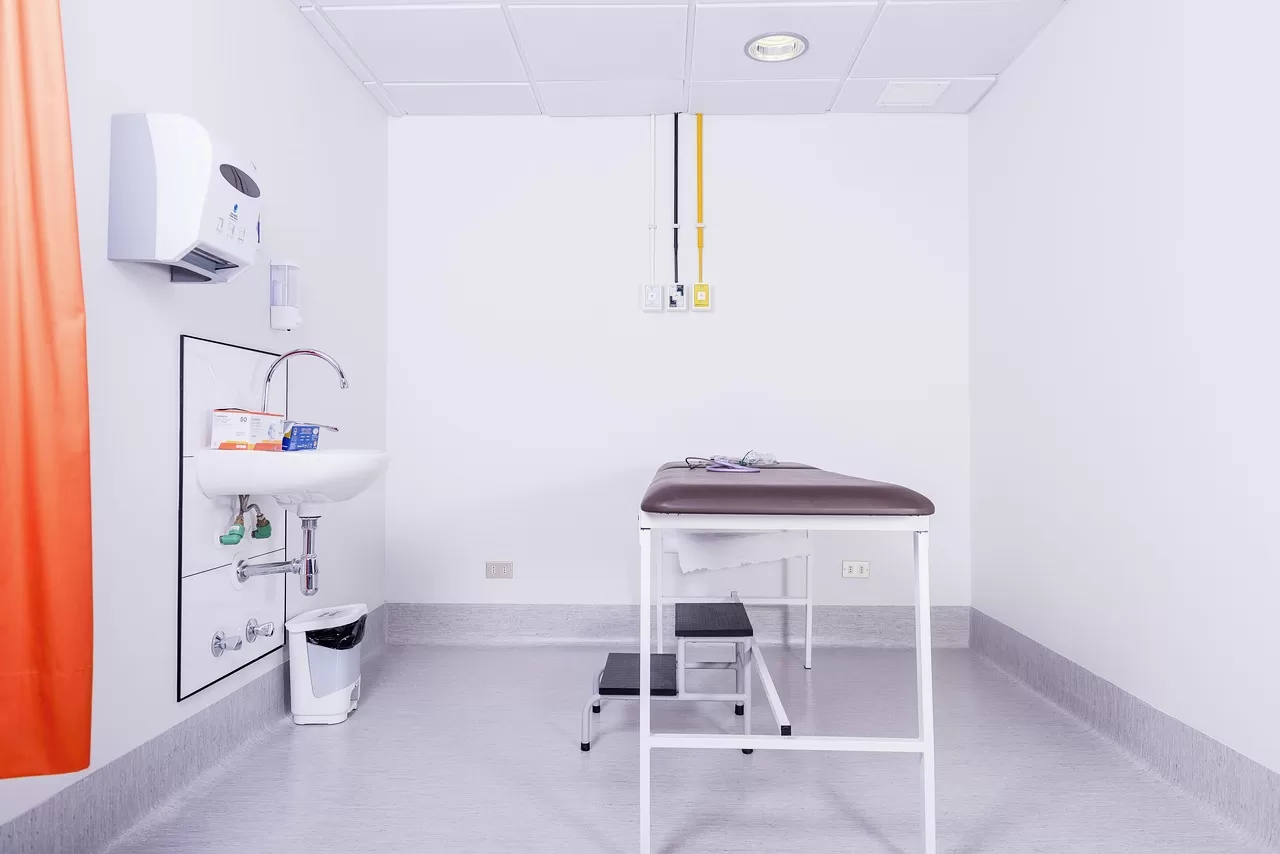
Industries: healthcare and dental facilities
Electrical Maintenance for Healthcare and Medical Office Buildings
KCS delivers electrical maintenance for healthcare buildings and medical office buildings throughout Toronto, York, Peel and the wider GTA, looking after the switchboards, tenant distribution, emergency power and life safety circuits that clinics and dental practices share. Building or renovating a suite? That work lives on our clinic renovation and dental renovation pages.
- ESA/ECRA #7014042
- COR certified (IHSA)
- Level II thermographers
- Insured, WSIB covered
Request a callback
A licensed electrical contractor calls you back, usually the same business day.
Updated Reviewed by KCS Group licensed electricians
What Electrical Maintenance for Healthcare Buildings and Medical Office Buildings Covers
Electrical maintenance for a healthcare building keeps the shared electrical system in documented, working condition once the clinics are open: main switchboard, risers and tenant panels, emergency generator and transfer equipment, UPS units, emergency lighting and the circuits that feed imaging, sterilization and refrigeration. KCS runs it as a recurring program for building owners, property managers and multi-site clinic and dental groups.
This page is about the building over its life. Building a new suite is a different job, covered on our pages for medical clinic electrical contractor services and the dental office electrician. Here the questions are different: is the switchboard running hot, will the generator carry the load it is supposed to, are tenant panels still safe after five turnovers, and is there a record to show it?
- Infrared scans of electrical rooms and tenant panels under normal clinic load.
- Switchboard, panel and breaker maintenance on a condition-based schedule.
- Electrical support for generator, transfer switch and UPS testing, with repairs when tests fail.
- Emergency lighting repairs and rewiring after Fire Code tests.
- Load reviews before a tenant adds imaging, sterilizers or a new operatory.
Why Medical Office Buildings Need More Electrical Attention Than Standard Offices
A medical office building packs many independent clinics, each with its own high-demand equipment, onto one electrical service, and it serves patients whose appointments cannot simply move when the power goes off.
Compared with an ordinary office tower, a medical or dental building typically has:
- Heavy, cycling loads in many suites: autoclaves and sterilizers, dental compressors and vacuum pumps, X-ray and imaging units, and medication or vaccine refrigerators.
- Frequent tenant change: each new clinic rewires part of its suite, and after a few turnovers the panel schedules and the actual circuits rarely match.
- Equipment that dislikes poor power: imaging and computer systems that fault when connections are loose or phases are unbalanced.
- Longer hours: evening and weekend clinics leave fewer natural windows for shutdowns.
- Rules beyond the general code: OESC Section 24 and CSA Z32 add requirements for patient care areas that ordinary office maintenance does not consider.
The result is that small faults in shared equipment, such as a warm riser connection or a tired transfer switch, can affect a dozen practices at once. A planned maintenance program finds them before they do.
OESC Section 24 Duties That Continue After the Clinics Open
The OESC's health care rules in Section 24 are not reserved for hospitals: ESA's patient care bulletin names dental offices, doctors' clinics, physiotherapy and chiropractic clinics in its list. Its requirements depend on how the facility administrator has classified each patient care area, and that classification does not stop mattering after the opening inspection.
For a building owner or clinic group, three things carry forward into maintenance:
- Room use changes. When a tenant turns an office into a treatment room, or a new practice takes over a suite, the administrator's classification may change, and the wiring has to suit the new class. At inspection ESA asks to see the administrator's room classification, or written confirmation that no room is classified.
- Replacement parts must suit the area. ESA has told contractors that isolated-ground devices have no place where patients are treated, since one failed bonding point would leave them unprotected. A maintenance electrician replacing a damaged receptacle in an operatory or exam room has to know which device is allowed there.
- Bonding and grounding integrity. Patient care areas depend on bonding that stays intact; we check it during panel and receptacle work rather than assuming it.
The detailed rules for classifying rooms and building to them are on our medical clinic electrical contractor page.
Emergency Generators, UPS Units and Life Safety Power in Healthcare Buildings
Emergency power is the part of a healthcare building that is least used and most relied on, so it needs scheduled testing with a written record rather than an assumption that it will start.
- Emergency generators follow CSA C282: a yearly run at full load plus a permanent record of every test. Rule 24-306 makes CSA Z32 compulsory for the generator in a health care facility, even though Z32 otherwise applies only where the inspector calls for it. ESA Bulletin 2-22-3 lets owners inspect and test to C282 without a notification while the log book is available to ESA; repairs to field wiring or devices, or moving them, need a notification, which we file.
- Transfer switches carry the building load at the worst possible moment. We inspect connections, scan them under load and repair them when generator tests show a problem.
- UPS units protecting imaging, servers and practice systems need frequent checks. NFPA 70B (2023 edition) sets visual inspection of UPS equipment from monthly to every six months, depending on condition.
- Emergency lighting and exit signs are tested under the Ontario Fire Code, with records kept. We repair units, circuits and wiring that fail those tests.
We work alongside your generator service company where one is already in place, handling the electrical distribution side so both records line up.
A Maintenance Calendar for Medical and Dental Buildings
Most medical and dental buildings can work from a simple calendar: frequent checks of emergency and backup power, a yearly electrical infrared scan, and condition-based outage maintenance of the distribution. The table shows a starting point we adjust for each building.
| Item | Starting frequency | Reference |
|---|---|---|
| Infrared scan of electrical rooms and tenant panels | Yearly; twice yearly for critical or heavily loaded gear | NFPA 70B (2023 edition) |
| UPS visual inspection | Monthly to every six months, by condition | NFPA 70B (2023 edition) |
| Emergency generator full-load test and log | At least yearly, with routine checks between | CSA C282 |
| Emergency lighting tests and records | Periodic, per the Fire Code | Ontario Fire Code |
| Switchboard and panel cleaning, torque and breaker tests | Every one to five years, by condition | NFPA 70B and CSA Z463; tests to ANSI/NETA MTS (2023 edition) |
| Acceptance tests on new or replaced panels, breakers and feeders | Before the equipment is energized | ANSI/NETA ATS (2025 edition) |
| Arc flash study review and labels | No longer than five years, or after changes | NFPA 70B, CSA Z462 |
The schedule tightens for buildings with older switchgear, a history of tenant overloads or clinics that cannot tolerate outages, and relaxes where results stay stable over several cycles. Our electrical preventive maintenance page shows how tasks are set item by item, and an arc flash study covers the labelling.
Planning Building Shutdowns Around Patients, Sterilizers and Vaccine Fridges
In a building full of clinics, a shutdown has to suit every tenant, so we plan it with the property manager and the practices weeks ahead, not on the day.
- Shutdowns are booked for times all affected tenants agree to, usually late evening or a day when the clinics are closed.
- Each tenant gets the date, the duration and which circuits are affected, and confirms what must stay powered.
- Sterilizer cycles are allowed to finish, imaging units are shut down in the order their manufacturers specify, and medication and vaccine refrigerators are moved to backup power or planned around.
- After restart we check each suite, including refrigerators, compressors, vacuum systems and server equipment, before the crew leaves.
Scans and visual checks need no shutdown at all and are done during clinic hours, when load is highest. Buildings and clinic groups on a KCS maintenance contract also have our emergency response if shared power fails during the day.
Electrical Programs for Multi-Site Clinic and Dental Groups
Groups that run many clinics or dental practices can put every location on one electrical program, with the same tasks, the same report layout and one contact, which makes budgeting and audits simpler.
For each site we keep an equipment list, a scan history and a log of repairs. When a location plans new equipment, such as an extra operatory, a cone beam unit or a larger autoclave, we check the panel and feeder before the order is placed. When the plan includes a new X-ray unit, the X-ray owner must first obtain XRIS approval in writing (XRIS is the provincial X-ray Inspection Service). Our office assists with the HARP registration forms, and the wiring follows once that approval arrives.
Dental groups will find equipment power details on our dental equipment electrical installation page, and medical groups on the medical equipment electrical installation page.
Medical Office Buildings We Maintain Across the GTA
Medical office buildings in the GTA tend to cluster near hospitals and along major arterial roads, and our maintenance work follows that pattern across Toronto, Richmond Hill, Markham, Aurora and Newmarket and Mississauga.
Our base in Aurora keeps York Region buildings close for routine visits, and we serve clinic and dental groups with locations elsewhere in Ontario through the same program. Property managers with mixed portfolios can read how we handle the rest of their buildings on our property management page.
Building a suite instead?
Fit-out and equipment pages for clinics and dental offices
Medical Clinic Fit-Out
Electrical design, rough-in and ESA inspection for new and renovated clinics.
Learn more
Dental Office Fit-Out
Operatory wiring and equipment circuits for new and renovated practices.
Learn more
Starting a building program
How we take on a medical or dental building
Building walk-down
Electrical rooms, tenant panels, emergency power and life safety equipment are listed with age and condition.
Baseline scan
An infrared survey under clinic load shows which connections and panels already need repair.
Tenant-aware schedule
Tasks and intervals per item, with shutdown windows agreed with property management and tenants.
Recurring reports
Each visit adds readings, images and repairs to the building record.
Questions
Frequently asked questions
Program basics
What does electrical maintenance for a medical office building include?
It covers the main switchboard, risers, tenant panels, emergency generator and transfer equipment, UPS units, emergency lighting and the circuits feeding imaging, sterilization and refrigeration. Tasks include infrared scans under clinic load, condition-based panel and breaker maintenance, support for generator testing, and repairs, all recorded in a building report.
How is healthcare building maintenance different from a clinic fit-out?
A fit-out builds a suite to the code and the clinic's equipment list, then passes ESA inspection. Maintenance starts after that and lasts the life of the building: scanning, testing and repairing shared equipment, keeping records, and checking that tenant changes still suit the patient care area rules.
How often should a medical building's electrical rooms be scanned?
A yearly electrical infrared scan suits most medical office buildings, done during clinic hours when load is highest. Critical or heavily loaded equipment, such as a main switchboard feeding many imaging suites, can move to every six months, matching the shortest thermography interval NFPA 70B gave in 2023.
Rules
Does OESC Section 24 apply to dental and physiotherapy buildings?
Yes. ESA reads Section 24 as reaching every kind of health care facility, and its bulletin on patient care areas names dental offices, doctors' clinics, physiotherapy and chiropractic clinics. The requirements in each room depend on how the facility administrator has classified it under CSA Z32.
Are isolated-ground receptacles allowed as replacements in exam rooms?
No. ESA's guidance rules isolated-ground devices out wherever patients receive care, because their protection hangs on one bonding connection. Reception, staff rooms and other non-clinical spaces can still use them. Anyone replacing receptacles in exam rooms or operatories needs to know this before choosing a device.
Is CSA Z32 mandatory for emergency generators in medical buildings?
Yes, for the generator itself: Rule 24-306 makes Z32 compulsory there, while elsewhere in the building it is applied at the inspector's discretion. Generators are also tested to CSA C282, which includes a yearly full-load test and a log book.
Who classifies patient care areas when a new tenant moves in?
The facility administrator, meaning the person operating the clinic, classifies the patient care areas and documents them. ESA does not do it for you. When ESA inspects electrical work in the suite, the inspector will ask for that classification record, or the administrator's written statement that the suite has none.
Emergency power
Who tests the emergency generator in a medical office building?
Often a generator service company handles the engine and the CSA C282 testing, while an electrical contractor maintains the transfer switch and distribution and repairs field wiring. We work alongside your generator service provider, and when a test shows an electrical fault, we file the ESA notification and make the repair.
How often should UPS units in a clinic building be inspected?
NFPA 70B (2023 edition) sets visual inspection of UPS equipment between monthly and every six months depending on its condition, with cleaning and electrical checks less often. Clinics relying on a UPS for imaging or practice systems should keep a written record of each check and each battery replacement.
Tenants and equipment
Can our building's electrical service handle a new dental or imaging tenant?
A load review answers that before the lease is signed. We compare the tenant's equipment list with the capacity and recorded load of the feeder and panel that would serve the suite, and scan the related equipment for existing heat problems. The review says whether the suite can be served as is or needs an upgrade.
Do you help with HARP or XRIS paperwork for X-ray units?
Yes. Our team assists clinics with the registration forms and carries out the electrical work, but the approval belongs to the X-ray owner, who needs XRIS's written approval in hand before any new unit is installed. We schedule the wiring after that letter arrives.
Can electrical shutdowns in a medical building avoid cancelling appointments?
Yes. Shutdowns are booked when every affected clinic is closed, with notice to each tenant, a list of equipment that must stay powered, and planning for sterilizer cycles, imaging shutdown and vaccine refrigerators. Scans and visual inspections need no shutdown and are done during open hours.
Service
Is emergency electrical service available for medical and dental buildings?
Yes, for buildings and clinic groups under a KCS maintenance contract, which get priority when shared power fails. Buildings without a contract should phone (647) 979-0549 for a scheduled visit; owners often begin with a baseline scan of the electrical rooms and tenant panels before choosing a program.
Related services
Related services
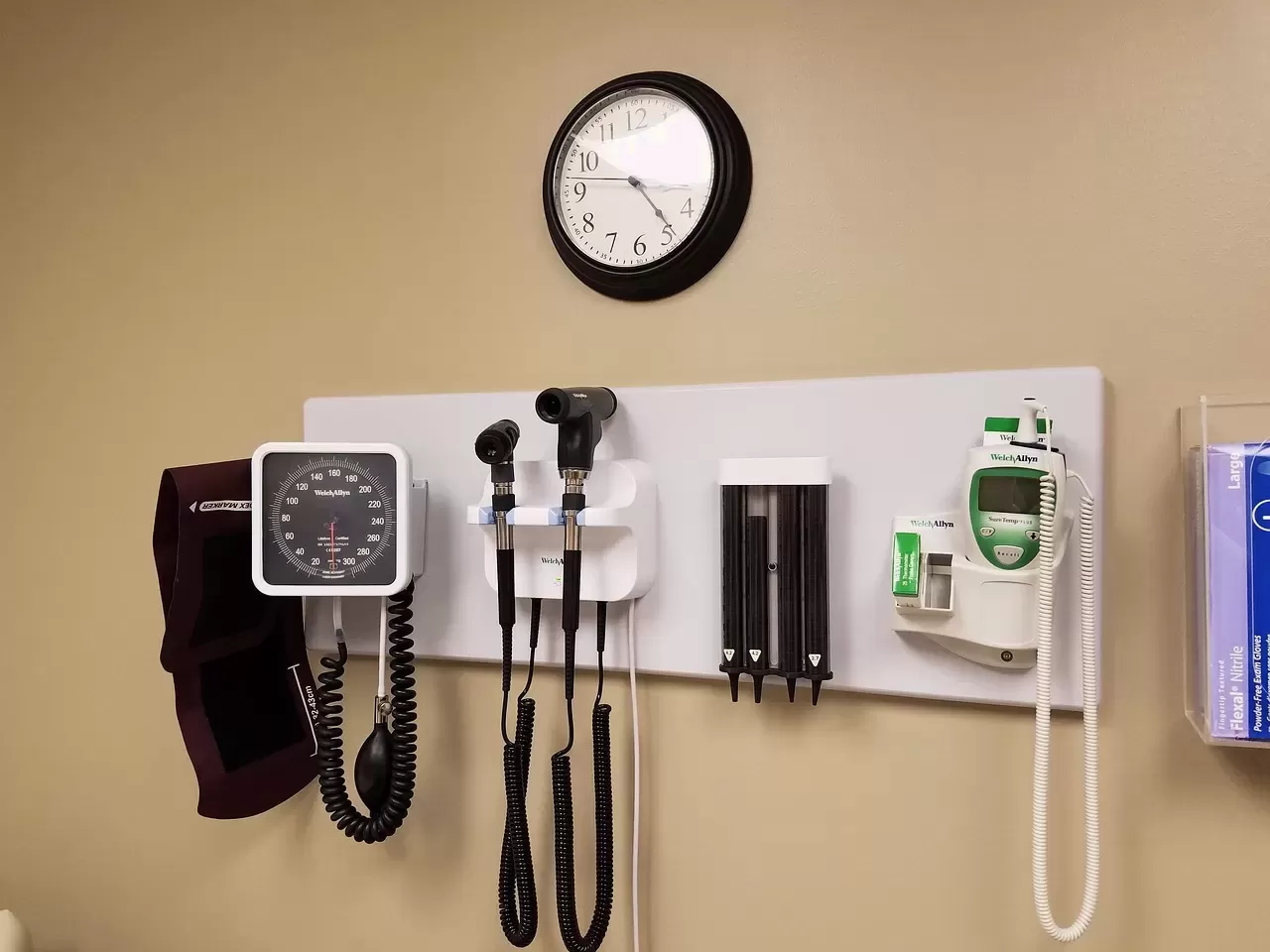
Medical Clinic Electrical Contractor
Licensed contractor that builds, services and inspects clinic electrical systems and medical building power to OESC Section 24.
View service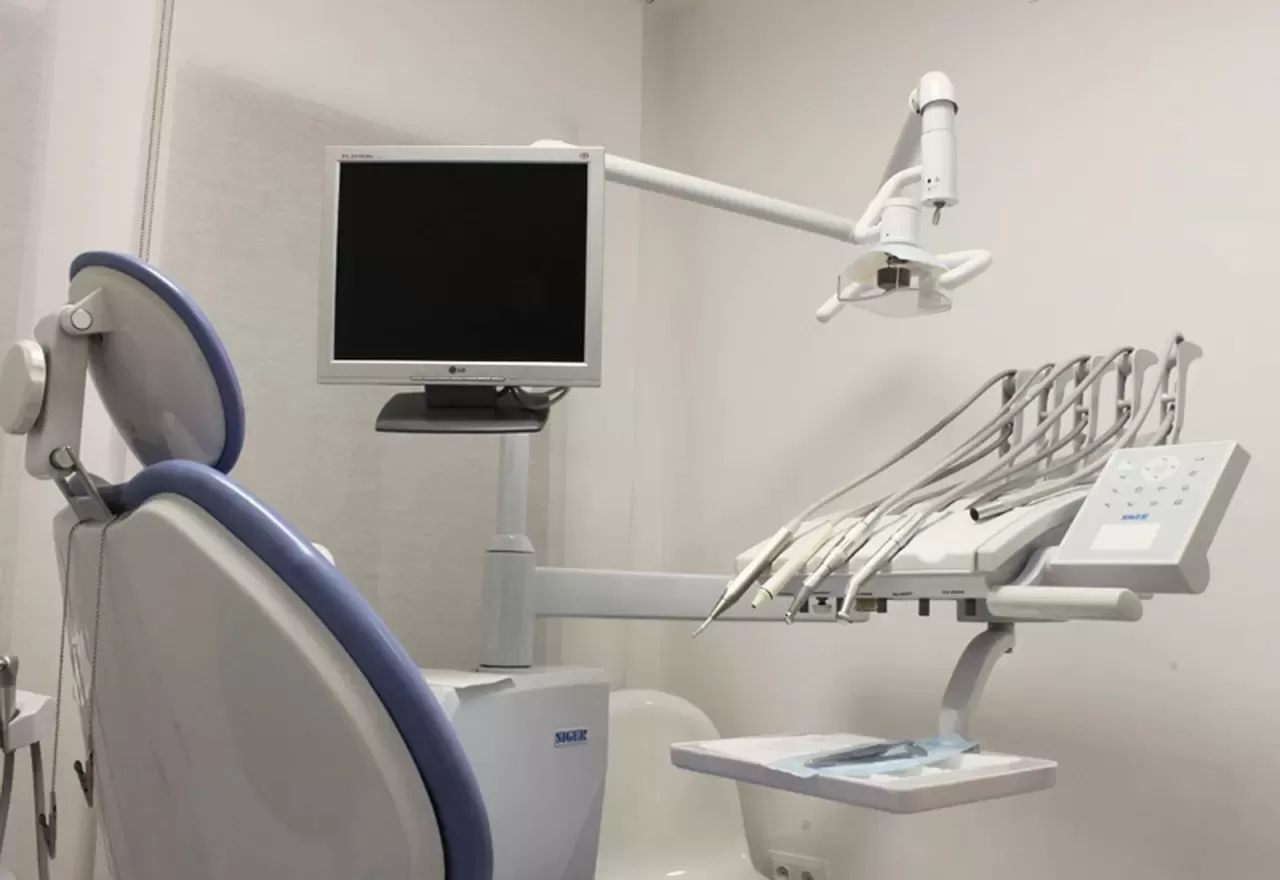
Dental Office Electrician
Licensed dental office electrician for operatories, dental equipment circuits, X-ray rooms and HARP/XRIS paperwork across the GTA.
View service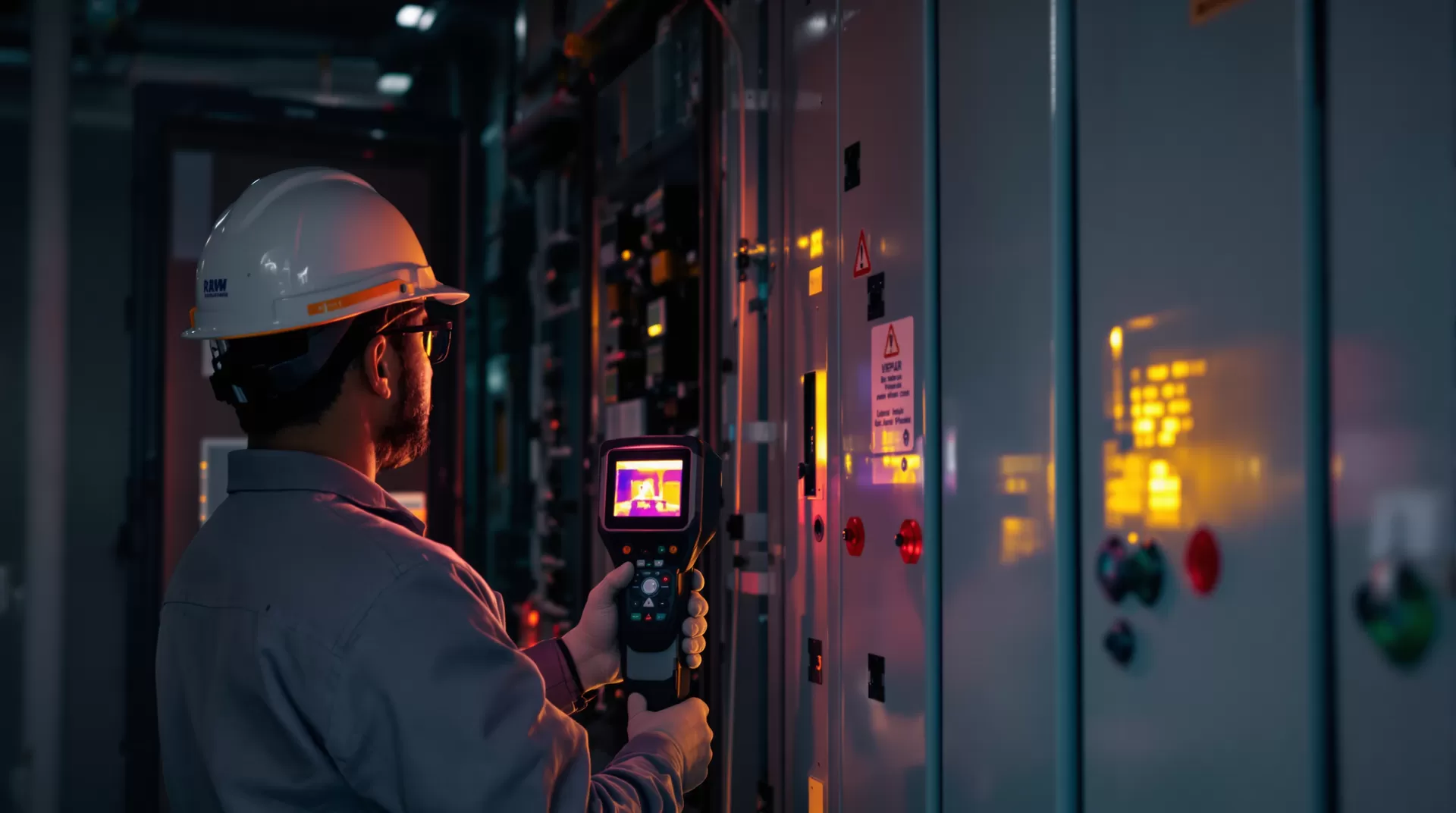
Commercial Building Thermography
Electrical infrared scans for office, retail and industrial buildings, with one report format across a property manager's whole portfolio.
View service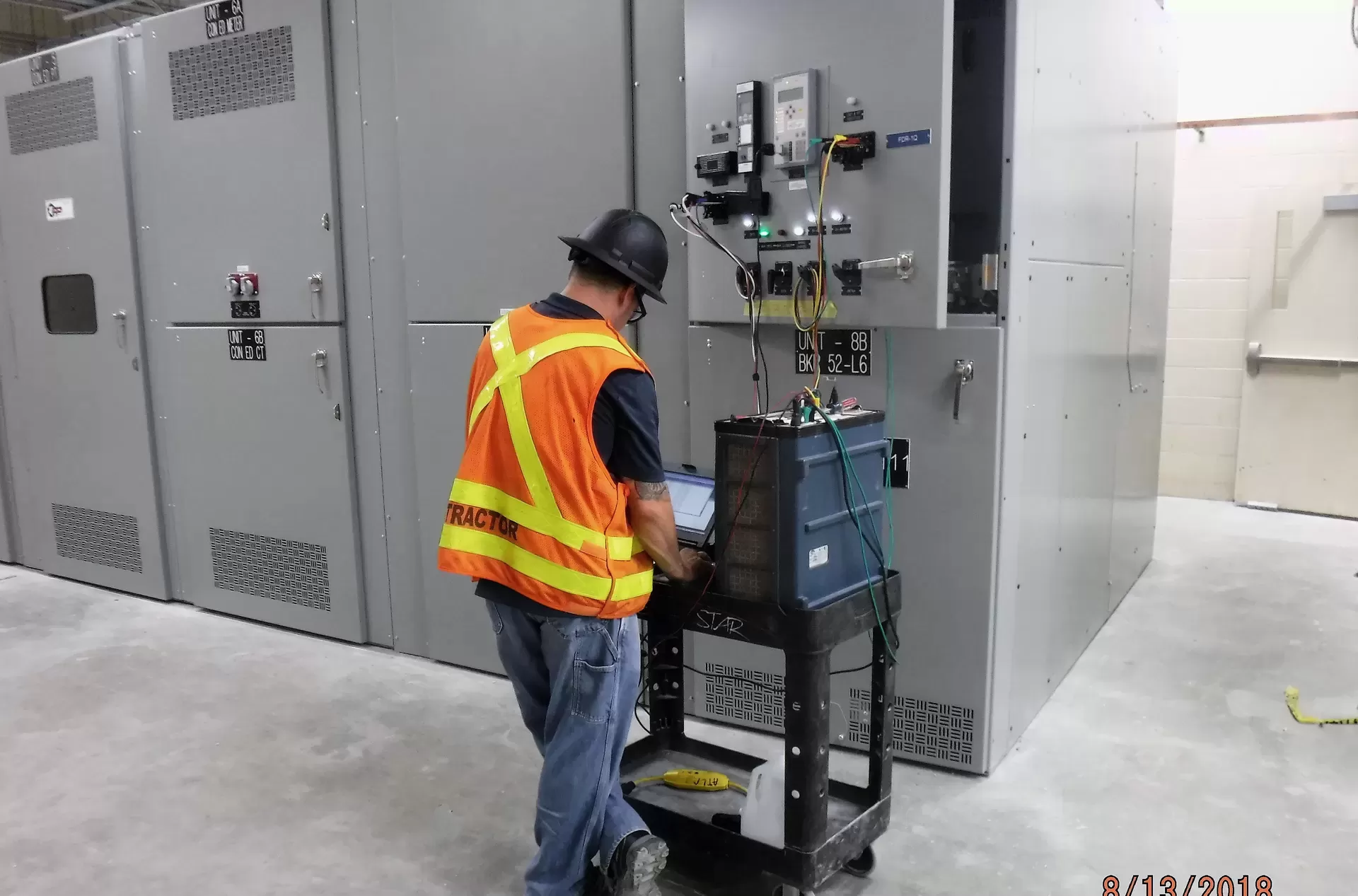
Electrical Preventive Maintenance
A written program of scans, cleaning, tightening and tests for switchgear, panels and transformers, aligned with CSA Z463 and NFPA 70B.
View serviceMedical Clinic Fit-Out & Renovation
Fit-outs, rough-in, upgrades and phased renovations for new and existing medical clinics, through to ESA inspection.
View serviceDental Office Fit-Out & Renovation
New dental office builds, renovations and upgrades: operatory floor boxes, mechanical rooms, X-ray rooms and ESA sign-off.
View service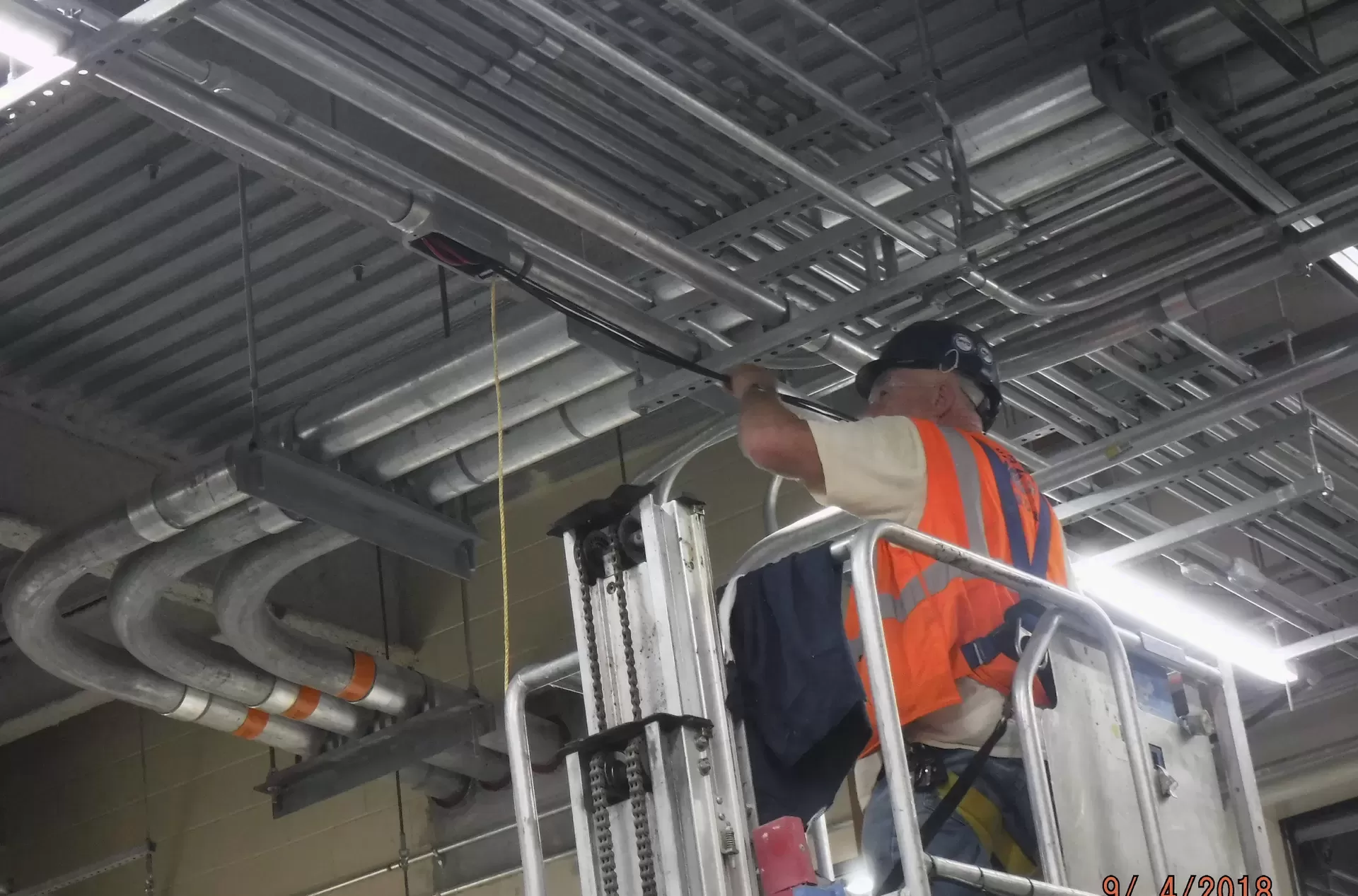
Request a callback
Plan your next electrical maintenance program with KCS
Tell us about the site and the equipment. A licensed electrician reviews it and calls you back.
- ESA/ECRA licence #7014042
- COR certified, ISNetworld, Avetta and ComplyWorks
- Work planned around shutdowns and tenant hours
- Emergency response for maintenance-contract clients
Send your request
We reply during business hours: Open daily, 9 a.m. to 9 p.m.