

Industries: warehousing and logistics
Warehouse Electrical Maintenance for GTA Distribution Centres
KCS provides warehouse electrical maintenance for distribution centres, cross-docks and cold storage sites across Toronto and the GTA, from the main switchboard to the conveyor controls and lift truck charging circuits. Our licensed electricians (ESA/ECRA #7014042) work around your shifts so the dock keeps moving.
- ESA/ECRA #7014042
- COR certified
- ISNetworld and Avetta approved
- Level II thermographers
Request a callback
A licensed electrical contractor calls you back, usually the same business day.
Updated Reviewed by KCS Group licensed electricians
What Warehouse Electrical Maintenance Covers in a Distribution Centre
Warehouse electrical maintenance is the scheduled inspection, testing and repair of the power system that runs a distribution centre: service entrance and switchboard, distribution panels, motor control for conveyors and sortation, dock equipment, lift truck charging, high-bay lighting and the rooftop units that heat and cool the building. KCS runs it as a program with written results, not as a list of service calls.
A modern DC carries far more electrical load than the shell it was built as. Automation, charging rooms, refrigerated zones and more dock doors are often added in stages by different contractors, and nobody steps back to check the distribution as a whole. Our program starts by doing exactly that: walking the building, listing every panel, MCC and transformer, and scanning it under real operating load.
- Infrared electrical inspection of switchboards, panels, bus duct and MCCs while the building is working.
- Motor control centre maintenance for conveyor and sortation drives.
- Panel and disconnect inspection, with schedules rewritten to match what is actually connected.
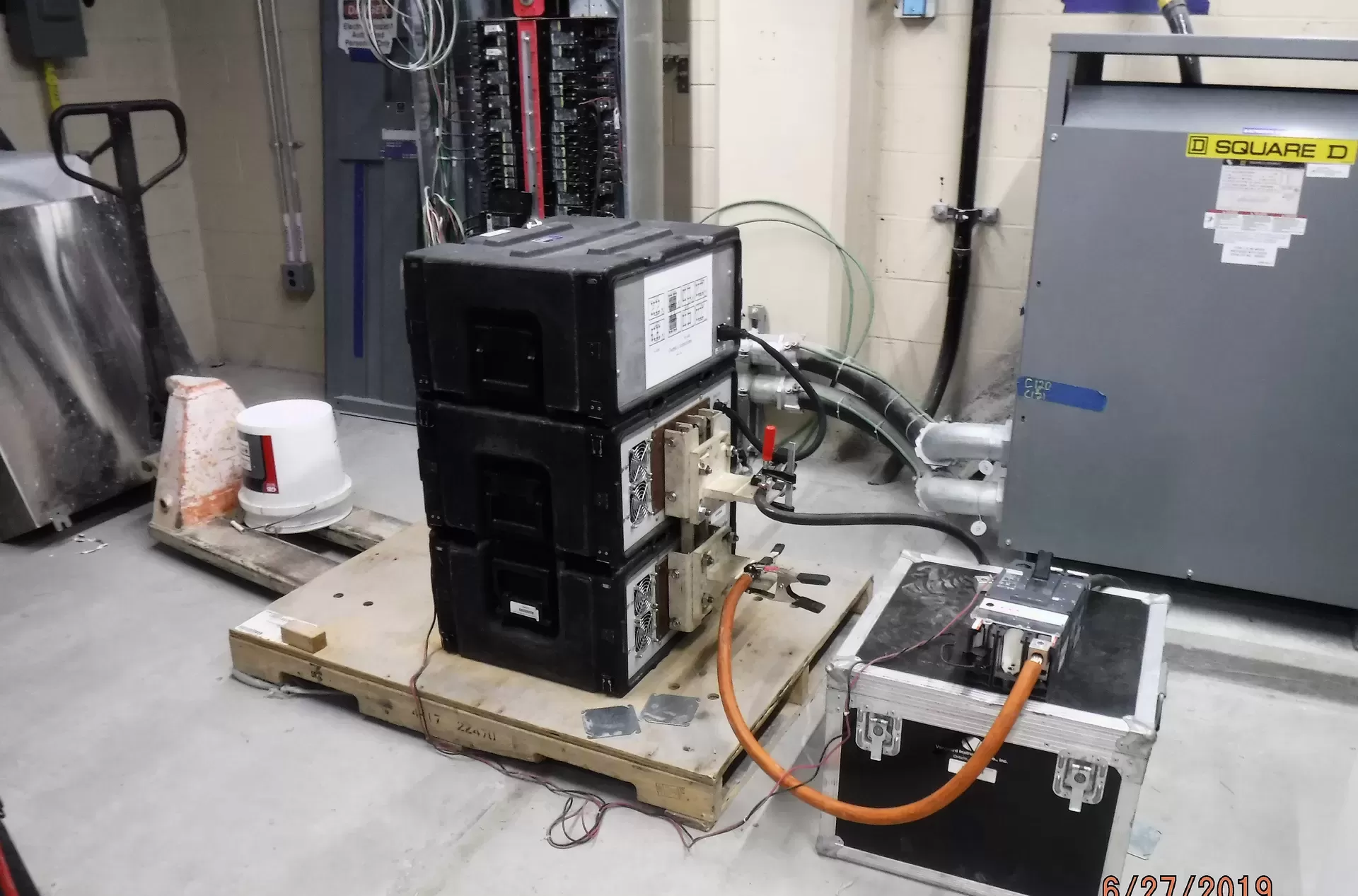
- Breaker testing on main and feeder breakers that may have sat closed since the building opened.
Why Electrical Faults in a Distribution Centre Stop Throughput
In a distribution centre, one failed feeder or drive can stop a conveyor loop, idle a dock or leave lift trucks uncharged for the next shift, so small electrical faults turn into missed shipments fast.
The weak points we find most often in GTA warehouses are:
- Charging rooms: chargers added one at a time on circuits sized for fewer units, with warm terminations and crowded panels.
- Conveyor and sortation controls: drives clogged with cardboard dust, overloads set by guesswork and motors running unbalanced phases.
- Dock equipment: door operators, levellers and dock lights that take hits from trucks and weather, with damaged conduit and wet boxes.
- High-bay lighting circuits and rooftop units fed from panels that were never rebalanced after retrofits.
- Cold storage: refrigeration compressors and evaporator fans, where a lost circuit puts product at risk within hours.
Most of these failures give a thermal or electrical warning first. A connection that is starting to loosen shows as a hot spot under load, and an aging motor winding shows as falling insulation resistance well before it burns out.
Warehouse Systems and the Electrical Checks Each One Needs
Each warehouse system has its own failure pattern, so each gets a different mix of inspection and testing. This is how we split the work in a typical distribution centre.
| System | What we check | Related service |
|---|---|---|
| Service entrance and main switchboard | Thermal scan, visual condition, breaker operation, torque | Switchgear maintenance |
| Conveyor and sortation MCCs | Buckets, contactors, overload settings, drive cooling | MCC maintenance |
| Conveyor and fan motors | Insulation resistance, current balance | Motor electrical testing |
| Lift truck charging circuits | Circuit loading, termination heat, panel capacity | Panel inspection |
| Dock doors and levellers | Conduit and box damage, disconnects, ground faults | Electrical inspection |
| Building transformers | Connections, cooling, insulation tests | Transformer testing |
For a first visit, most warehouse clients choose a full infrared survey plus a visual walk-down of every panel. That gives a ranked repair list in a single shift and a baseline for the program that follows.
Scheduling Electrical Work Around Shifts and Peak Season
We schedule warehouse electrical work so it never competes with your busiest weeks: scans and inspections run during normal operations, and shutdown work moves to quiet nights, weekends or the slow period after peak.
Many GTA distribution centres run two or three shifts, so there is no obvious outage window. We work with your operations manager to find the right gaps:
- Infrared scans during the busiest part of a shift, when circuits carry real load.
- Section-by-section shutdowns of conveyor MCCs during low-volume hours instead of a full building outage.
- Main switchboard maintenance on a long weekend or a planned facility shutdown.
- A pre-peak scan in late summer or early fall, so problems are fixed before holiday volume arrives.
Sites under a KCS maintenance agreement also have our emergency response if a feeder, charger bank or conveyor drive fails mid-shift. Because that response is limited to agreement holders, we can commit a crew to it.
Ontario Safety Rules for Electrical Work in Warehouses
Electrical work in an Ontario warehouse follows the same core rules as any industrial workplace: the OESC for what is installed, O. Reg. 851 for how workers are protected, and CSA Z462 for safe work practices near energized equipment.
- Lockout: Reg. 851 section 42 calls for the supply to be cut, locked and tagged before work on or around live exposed parts, using written procedures the employer sets. Warehouses with many contractors on site need those procedures shared and followed by every trade.
- Ground fault protection: section 44.1 requires GFCI protection for portable tools in wet or outdoor work, so the rule reaches dock aprons, yards and washdown areas. Section 44.2 says a hazardous ground fault has to be investigated and removed without delay.
- Arc flash labelling: switchboards and MCCs should carry current arc flash labels so staff and contractors know the hazard before opening a door. Our arc flash study page explains the process.
- ESA notifications: new charging circuits, added conveyor feeders and relocated equipment are installation work, and a licensed contractor files the notification with the Electrical Safety Authority.
We bring our own safety program to every site: KCS holds a COR certificate from IHSA, and our electricians follow your site orientation and permit rules on top of it.
Electrical Capacity Checks Before Adding Automation or Charging
Before you add a sortation line, robotic picking, more chargers or a refrigerated zone, check that the existing switchboard, feeders and panels can carry the new load. Adding it first and finding the limit later is how most warehouse electrical problems begin.
Our capacity review combines a few things: the nameplate and panel schedule data, recorded load on the main and affected feeders, an infrared scan to see which parts of the system are already running warm, and a condition check of the breakers that will protect the new equipment. The result is a short written answer: what can be connected where, what needs upgrading and what the upgrade involves.
When the answer includes new feeders or panels, our industrial electrical services team can install them and file the ESA notification. When it shows aging gear near the end of its life, the findings feed into your electrical asset management plan.
How Often a Warehouse Should Scan and Service Electrical Gear
Most warehouses should scan their electrical distribution at least once a year, and twice a year where sortation, charging or cold storage would stop the operation if one circuit failed. Shutdown maintenance on switchboards and MCCs typically runs every one to five years depending on condition.
NFPA 70B, which many logistics owners adopt through corporate standards, links frequency to an equipment condition assessment: physical condition, criticality and environment, with the worst of the three setting the interval. Warehouses tend to score worse than offices on environment because of dust from cardboard and pallets, temperature swings near docks and vibration from traffic. CSA Z463 is the Canadian standard for maintenance programs, and we can build your program around either document. Whichever one sets the calendar, our breaker, insulation and connection tests follow ANSI/NETA MTS (2023 edition), and new charging circuits or distribution get ANSI/NETA ATS (2025 edition) acceptance tests before they carry load.
For the task-by-task logic behind those intervals, see electrical preventive maintenance.
Logistics Hubs We Serve in Peel, Halton, York and Toronto
Most of the GTA's large distribution buildings sit in a band around Pearson airport and along the 400-series highways, and that is where most of our warehouse work happens.
In Milton, the Derry Green Corporate Business Park covers about 800 hectares zoned for logistics, warehousing and advanced manufacturing. Mississauga names smart logistics as a strategic sector, and Brampton lists logistics among its key industries. We also maintain distribution and cross-dock buildings in Vaughan, north Toronto and York Region, close to our Aurora base, and support multi-site operators across Ontario.
Before peak
A pre-peak scan finds the hot spots before volume does
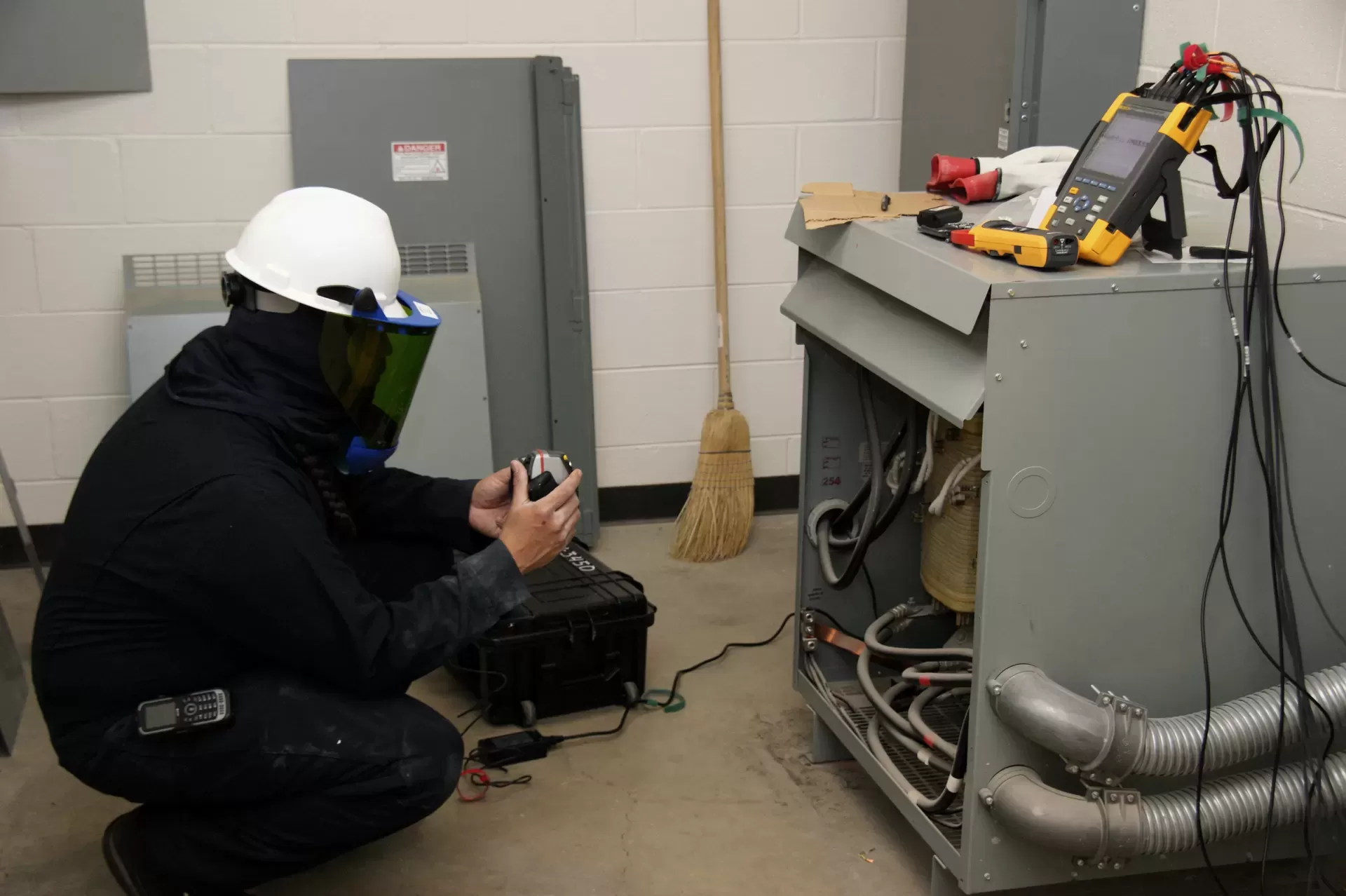
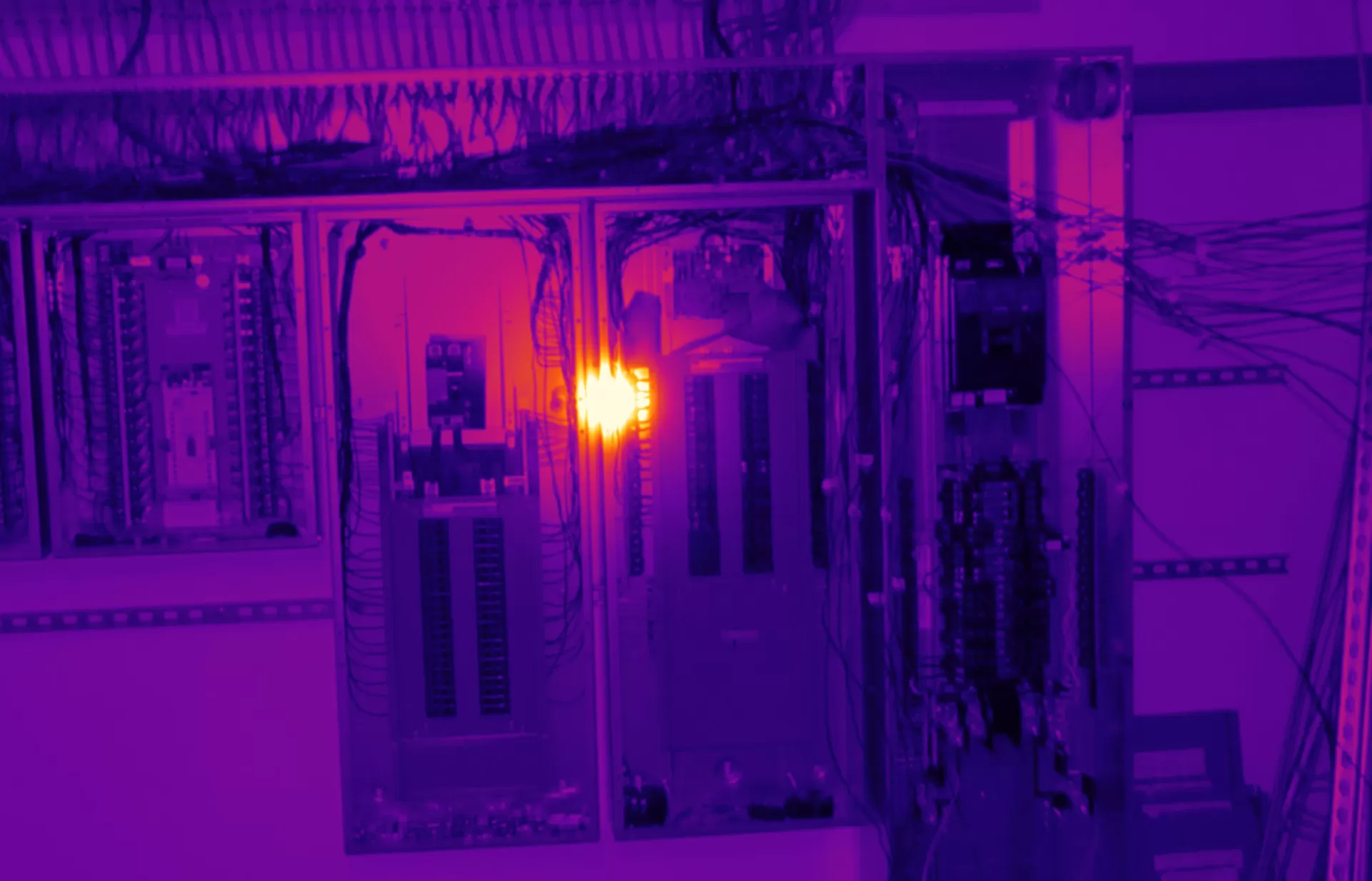
An infrared survey in late summer or early fall shows which panels, MCC buckets and charger circuits are running hot while there is still time to repair them. The report ranks every finding so the urgent items are fixed first.
Warehouse services
Services distribution centres ask for
Infrared Electrical Inspection
Thermal scans of energized distribution under operating load.
Learn more
Questions
Frequently asked questions
Planning
What does a warehouse electrical maintenance program include?
It covers the main switchboard, distribution panels, conveyor and sortation MCCs, motors, dock equipment, lift truck charging circuits, lighting panels and building transformers. Tasks include infrared scans under load, visual inspection, cleaning, torque checks, breaker and insulation testing, and a written report that ranks each finding by urgency.
When is the right time of year for warehouse electrical maintenance?
Plan a scan and repairs before your peak season, usually late summer or early fall for retail distribution, and leave shutdown work for the slow weeks after peak or a long weekend. That way problems found under heavy load are repaired before volume rises, and outages fall in the quietest part of the year.
Can electrical maintenance be done in a distribution centre that runs three shifts?
Yes. Infrared scans and inspections are done while the building operates. Shutdown work is split by section, such as one conveyor MCC at a time during low-volume hours, so the whole building never goes dark. The main switchboard is the only item that usually needs a planned facility outage.
How do we know if our warehouse has enough capacity for more lift truck chargers?
A capacity review compares the panel and feeder ratings with the load they already carry, recorded on site, and adds the new chargers' demand. An infrared scan shows whether existing circuits already run warm. The review tells you which panels can take more chargers and which need a new feeder first.
Equipment
Why do conveyor motors and drives in warehouses fail early?
Cardboard and pallet dust blocks drive cooling, overloads are often set incorrectly after changes, and motors run with unbalanced phases or degrading insulation. Infrared scans catch hot drives and connections, while insulation and current balance tests on the motors show which ones are wearing out before they stop a line.
What electrical problems are common at loading docks?
Dock doors, levellers and lights take impact and weather damage: crushed conduit, water in boxes, loose disconnects and ground faults. We inspect dock circuits, repair damage and check that ground fault protection works. Under Reg. 851, handheld tools used on a wet or outdoor dock apron need GFCI protection.
Does cold storage need different electrical maintenance from a dry warehouse?
The method is the same, but the priority is higher. A failed circuit on a refrigeration compressor or evaporator fan can put product at risk within hours, so those circuits usually move to the shortest scan interval and get first place on the repair list. Condensation around doors and docks also needs attention.
Rules
Do warehouse electrical changes need an ESA notification in Ontario?
Yes. New charging circuits, added conveyor feeders and relocated equipment all count as installation work, and ESA expects a notification for each job. A licensed electrical contractor files it and the work is inspected. Routine maintenance that does not alter the installation is handled differently, and we confirm the requirement for each job.
Which Ontario regulation covers lockout for warehouse electrical work?
Section 42 of O. Reg. 851, the Industrial Establishments regulation, covers disconnection, lockout and tagging for electrical work, and makes the employer responsible for putting the procedure in writing. Where disconnecting is not practical, section 42.1 sets the protective equipment and procedures to use instead. Every contractor on site should follow the same procedures.
Should warehouse switchboards and MCCs have arc flash labels?
Yes. Labels tell workers and contractors the hazard before they open equipment, and CSA Z462 is the Canadian standard behind them. Labels come from an arc flash study, which should be revisited when equipment, transformers or breaker settings change, such as after adding a sortation line or a charging room.
Service
Does KCS provide emergency electrical service to distribution centres?
Emergency response is part of our maintenance agreements, so distribution centres on a KCS program get priority when a feeder, drive or charger bank fails. Sites without an agreement can call (647) 979-0549 to arrange a regular service visit, and a pre-peak infrared survey is a common first job before a site joins a program.
Can KCS meet our warehouse contractor prequalification requirements?
Most likely. KCS holds COR from IHSA and approved profiles on ISNetworld, Avetta and ComplyWorks, carries commercial insurance and WSIB coverage, and holds ECRA/ESA licence #7014042. Thermographers on our team are certified to Level II or above. We can complete your vendor onboarding before the first visit.
Related services
Related services
Infrared Electrical Thermography
Thermal scans of energized switchgear, panels and motor controls by Level II thermographers, with rated findings and repairs by licensed electricians.
View service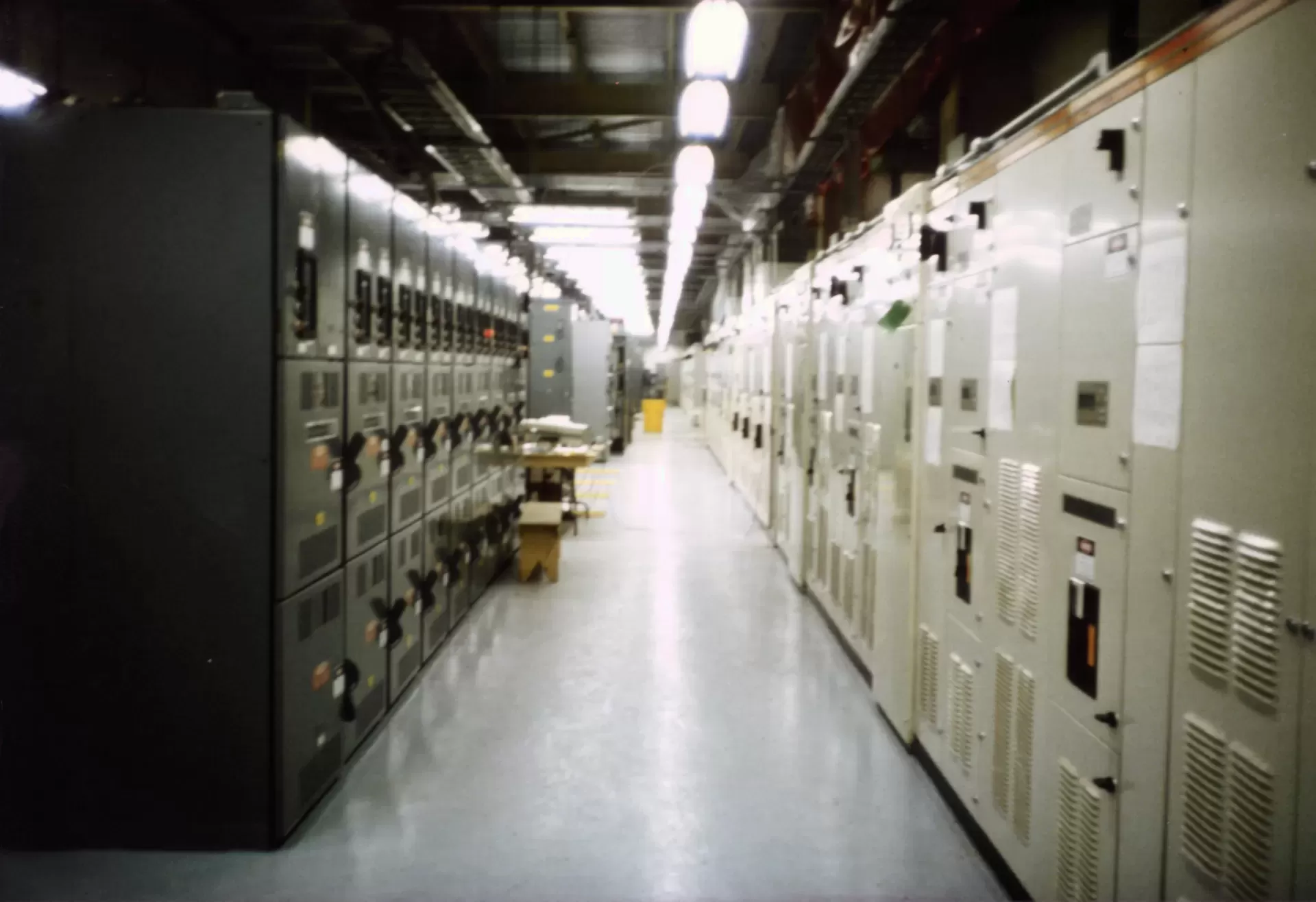
MCC Maintenance
Motor control centre maintenance covering buckets, stabs, bus, starters and overloads, scheduled section by section so production keeps running.
View service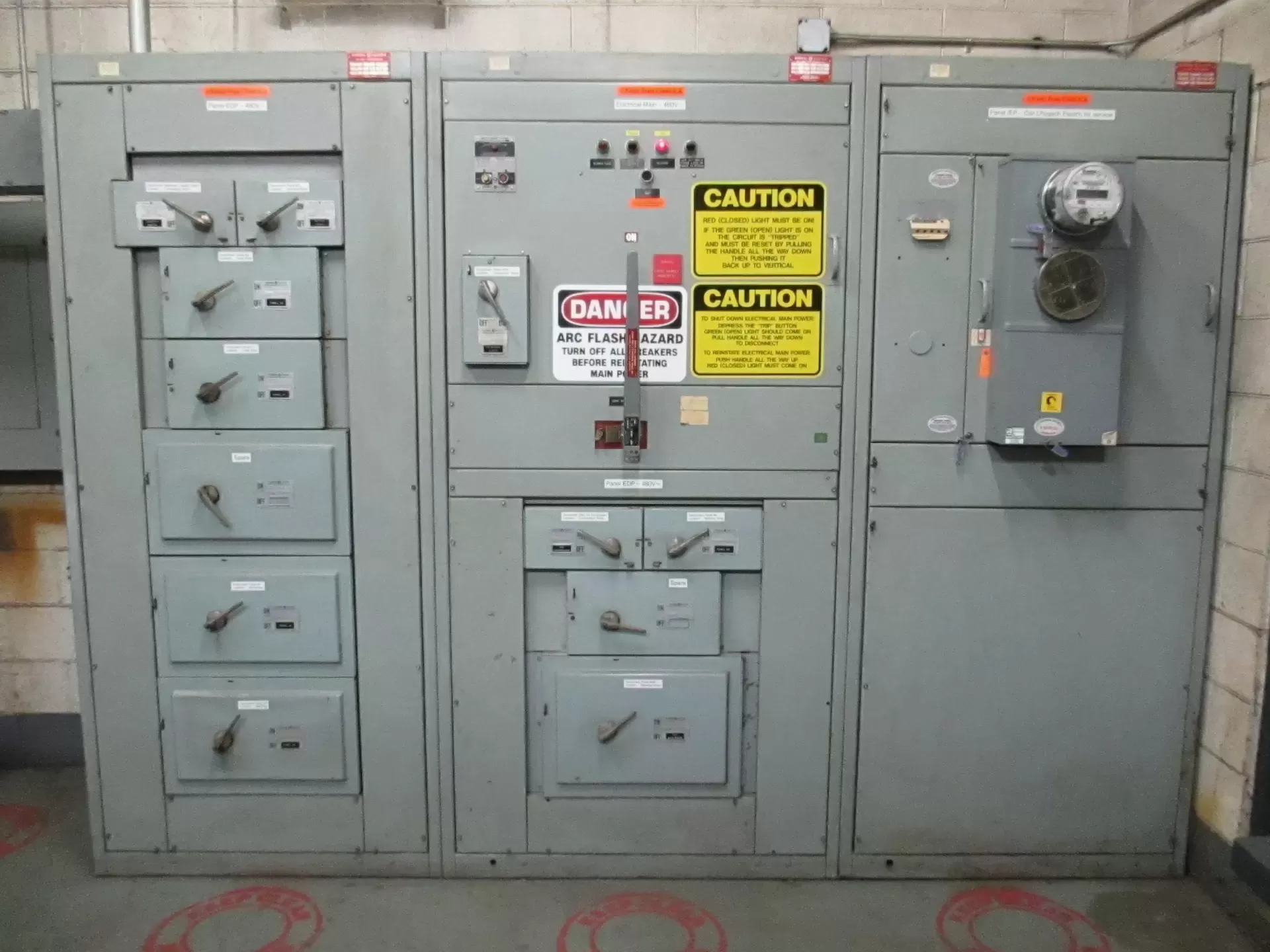
Electrical Panel Inspection
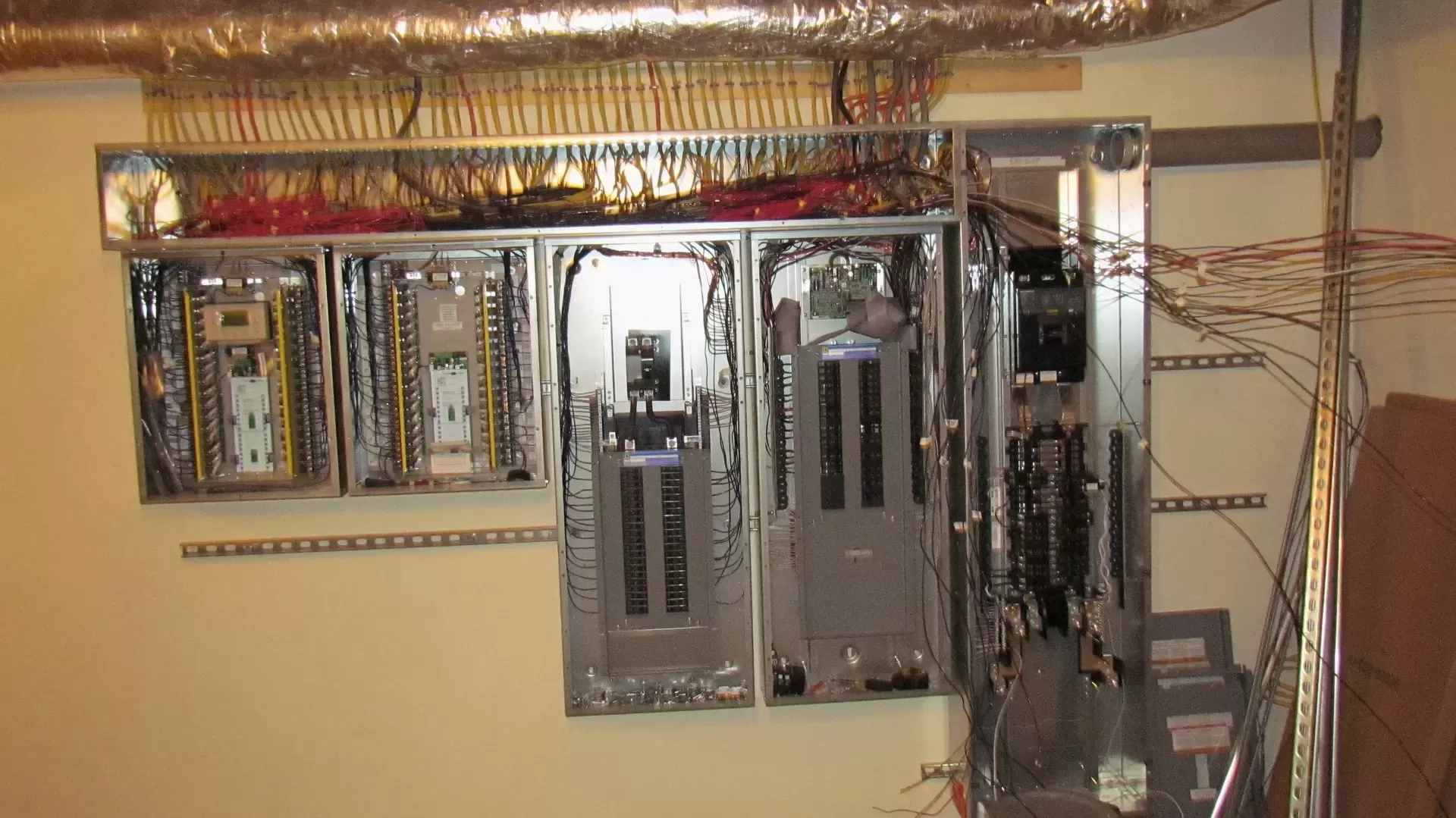
Panelboard, switchboard and disconnect switch inspection with thermal scans, torque checks and a written condition report.
View serviceCircuit Breaker Testing
Trip, timing, contact resistance and mechanism checks that prove each breaker will open when a fault demands it, from 15 A branch breakers to drawout power breakers.
View service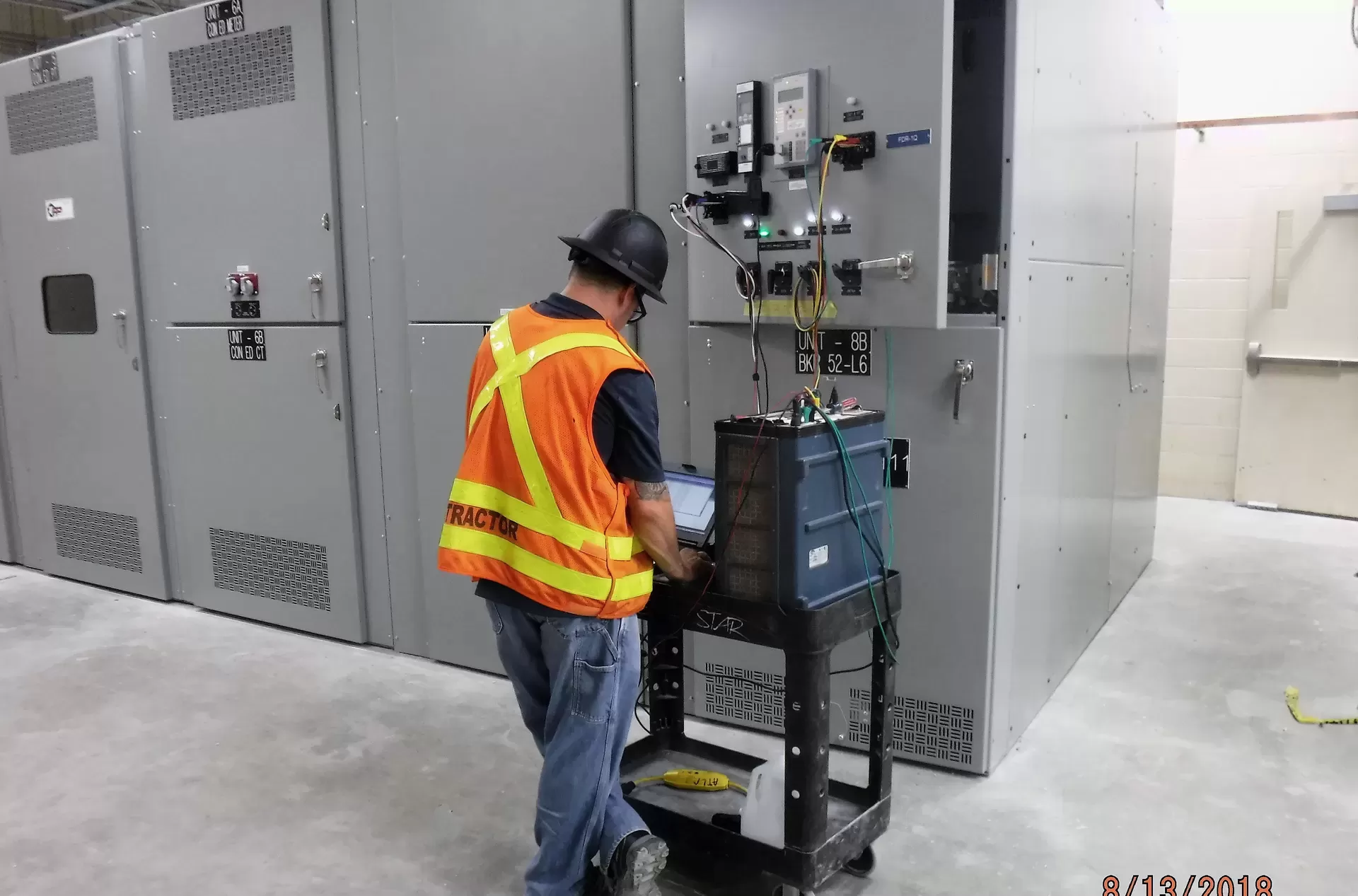
Electrical Preventive Maintenance
A written program of scans, cleaning, tightening and tests for switchgear, panels and transformers, aligned with CSA Z463 and NFPA 70B.
View serviceMilton
Electrical maintenance for Milton distribution centres, Derry Green and 401 business park buildings, offices and clinics.
View service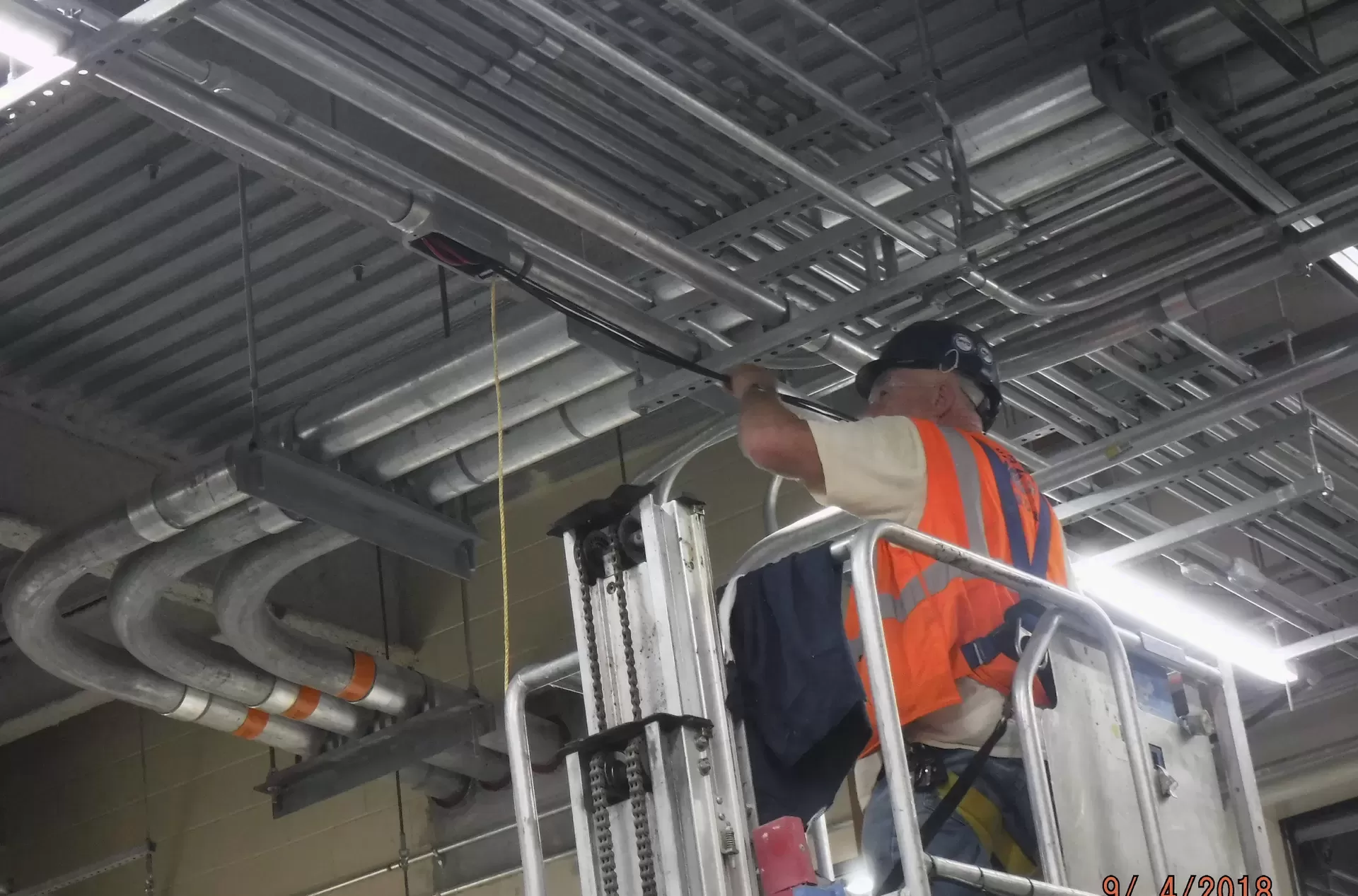
Request a callback
Plan your next electrical maintenance program with KCS
Tell us about the site and the equipment. A licensed electrician reviews it and calls you back.
- ESA/ECRA licence #7014042
- COR certified, ISNetworld, Avetta and ComplyWorks
- Work planned around shutdowns and tenant hours
- Emergency response for maintenance-contract clients
Send your request
We reply during business hours: Open daily, 9 a.m. to 9 p.m.