
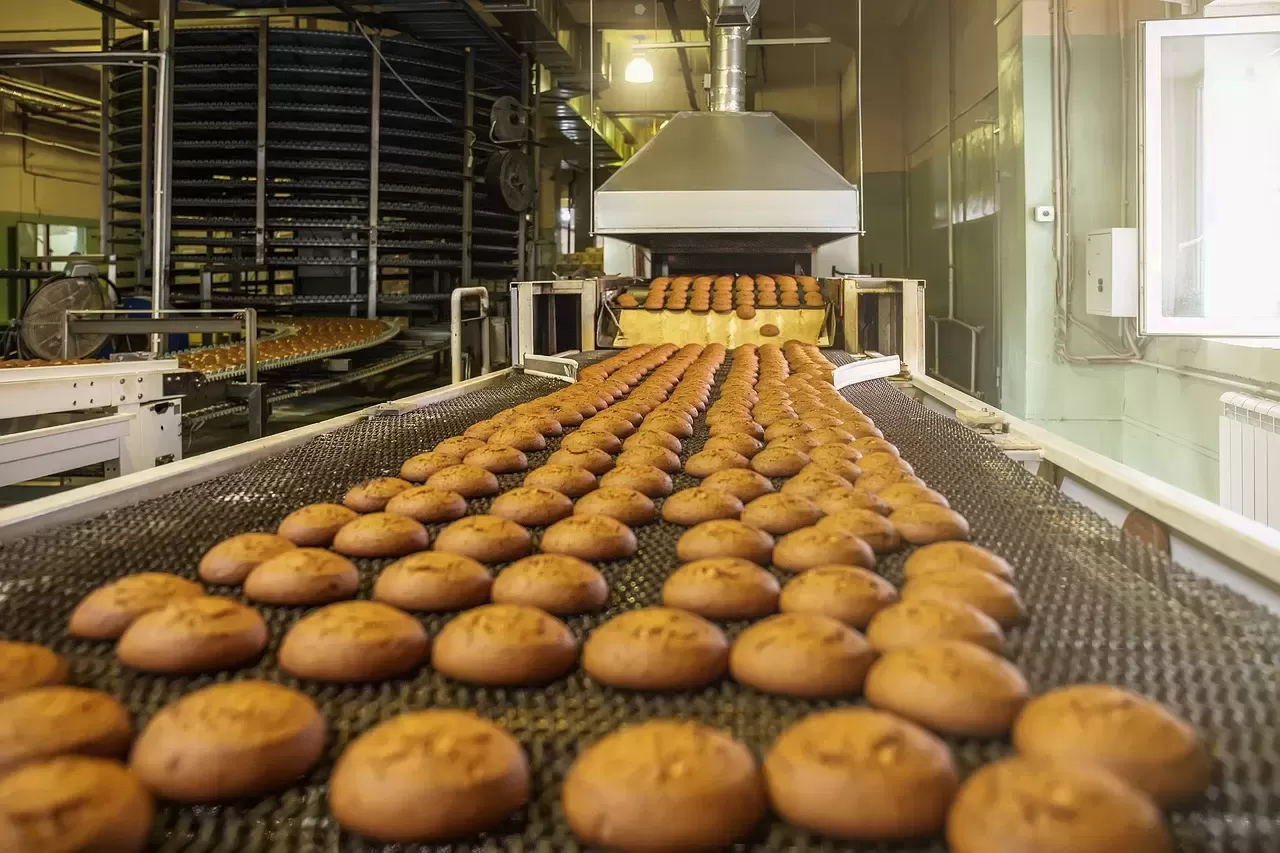
Industries: food and beverage
Food Processing Plant Electrical Maintenance in Toronto & the GTA
KCS delivers food processing plant electrical maintenance for bakeries, meat and dairy processors, beverage plants and co-packers across Toronto and the GTA. Our licensed crews (ESA/ECRA #7014042) work inside your sanitation and food safety rules and plan shutdowns around production runs.
- ESA/ECRA #7014042
- IHSA COR
- Level II thermographers
- WSIB and insured
Request a callback
A licensed electrical contractor calls you back, usually the same business day.
Updated Reviewed by KCS Group licensed electricians
What Food Processing Plant Electrical Maintenance Involves
Food processing plant electrical maintenance means keeping the electrical side of production in known, documented condition through planned scans, tests and repairs: incoming service and switchboards, motor control centres, ovens and heating elements, refrigeration compressors, mixers, pumps, conveyors and packaging lines. In a food plant the work also has to respect sanitation, allergen and foreign-material controls, which changes how every job is planned.
KCS works with plant managers, maintenance leads and quality teams to set up a program that covers:
- Thermographic surveys of panels, MCCs and heater contactors under production load.
- Outage maintenance on switchboards and motor control centres during sanitation or holiday shutdowns.
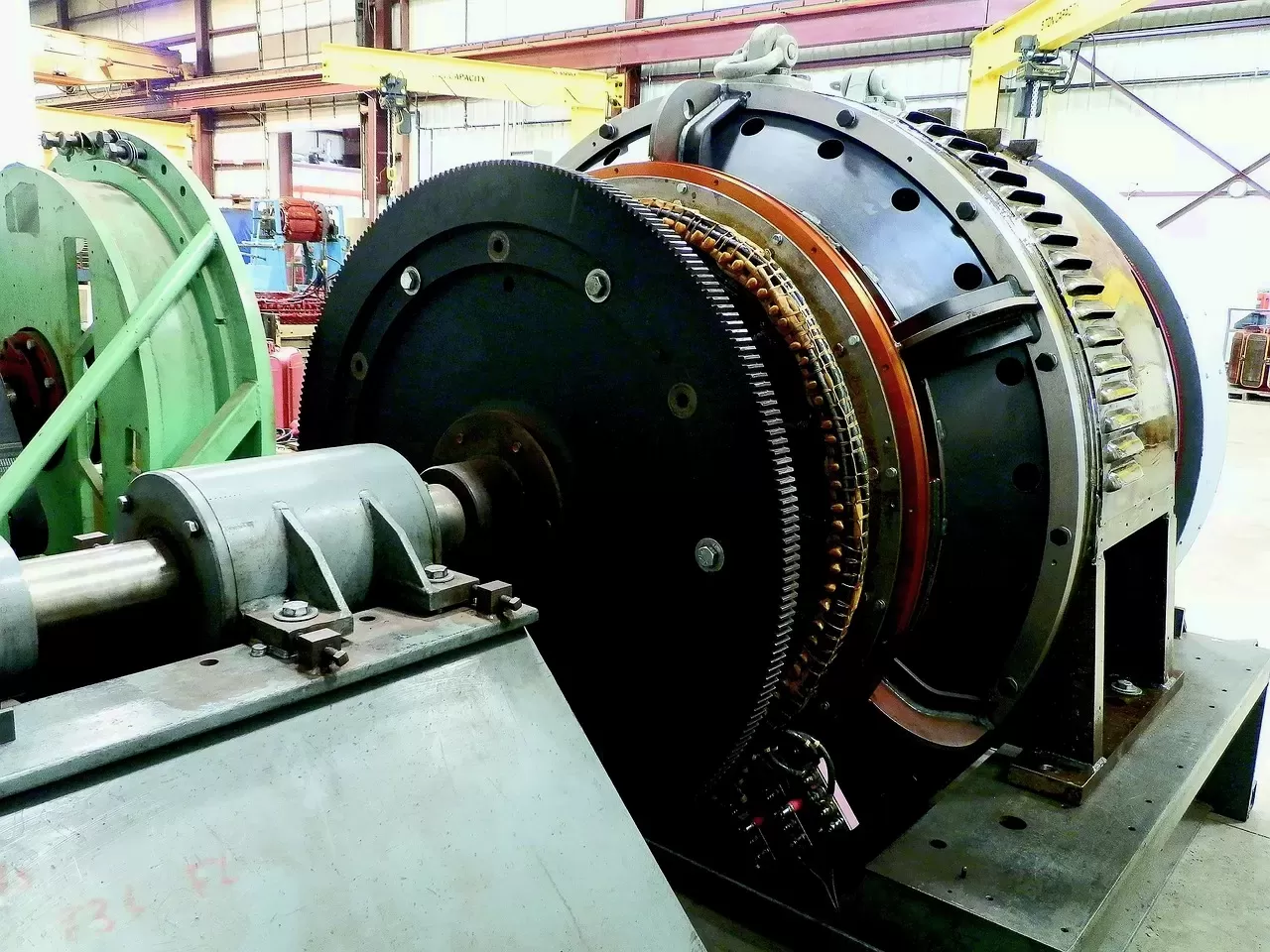
- Insulation testing of motors exposed to washdown, steam and freezer conditions.
- Troubleshooting of ground faults, nuisance trips and heater failures.
- Repairs and new circuits for line changes, filed with ESA where the work alters the installation.
The general scope of our plant work is on the factory electrical maintenance page; this page covers what is different in food and beverage.
How Washdown, Heat and Cold Wear Down Food Plant Electrical Gear
Food plants are among the harshest settings for electrical equipment: daily washdown pushes water and chemicals into enclosures, ovens and fryers cycle heavy heating loads, and freezers and coolers bring condensation and thermal cycling.
- Water and chemical ingress. Failed gaskets, cracked fittings and cord grips that no longer seal let moisture into junction boxes, disconnects and motor terminal boxes. The result is corrosion, tracking and ground faults that come and go with the cleaning schedule.
- Heater circuits. Ovens, proofers and fryers draw high current for long periods. Contactors pit, terminals loosen and elements fail unevenly, leaving one phase carrying more than its share.
- Refrigeration loads. Compressor and evaporator fan motors start often and run long hours, and a lost circuit puts product temperature at risk.
- Thermal cycling at doors and docks. Equipment near cold room doors sees condensation every time the door opens.
- Flour, sugar and ingredient dust settling inside panels and drives, adding heat and a contamination concern.
These conditions are why many food plants see repeat failures on the same circuits. Finding the cause, usually a sealing or termination problem, rather than replacing the same part again is the purpose of a maintenance program.
Food and Beverage Equipment and the Electrical Work It Needs
Different parts of a food plant fail in different ways, so the program assigns a specific mix of tasks to each equipment group.
| Equipment group | Main electrical concern | Typical tasks |
|---|---|---|
| Ovens, proofers, fryers | Contactor wear, loose heater terminals, phase imbalance | Thermal scan, current balance, contactor and terminal service |
| Refrigeration compressors and fans | Motor insulation, starter condition | Insulation resistance, starter inspection, thermal scan |
| Mixers, pumps, homogenizers | Washdown ingress at motor and disconnect | Enclosure and seal check, insulation testing |
| Conveyors and packaging lines | Drive heat, control faults | Drive cooling, connection checks, fault finding |
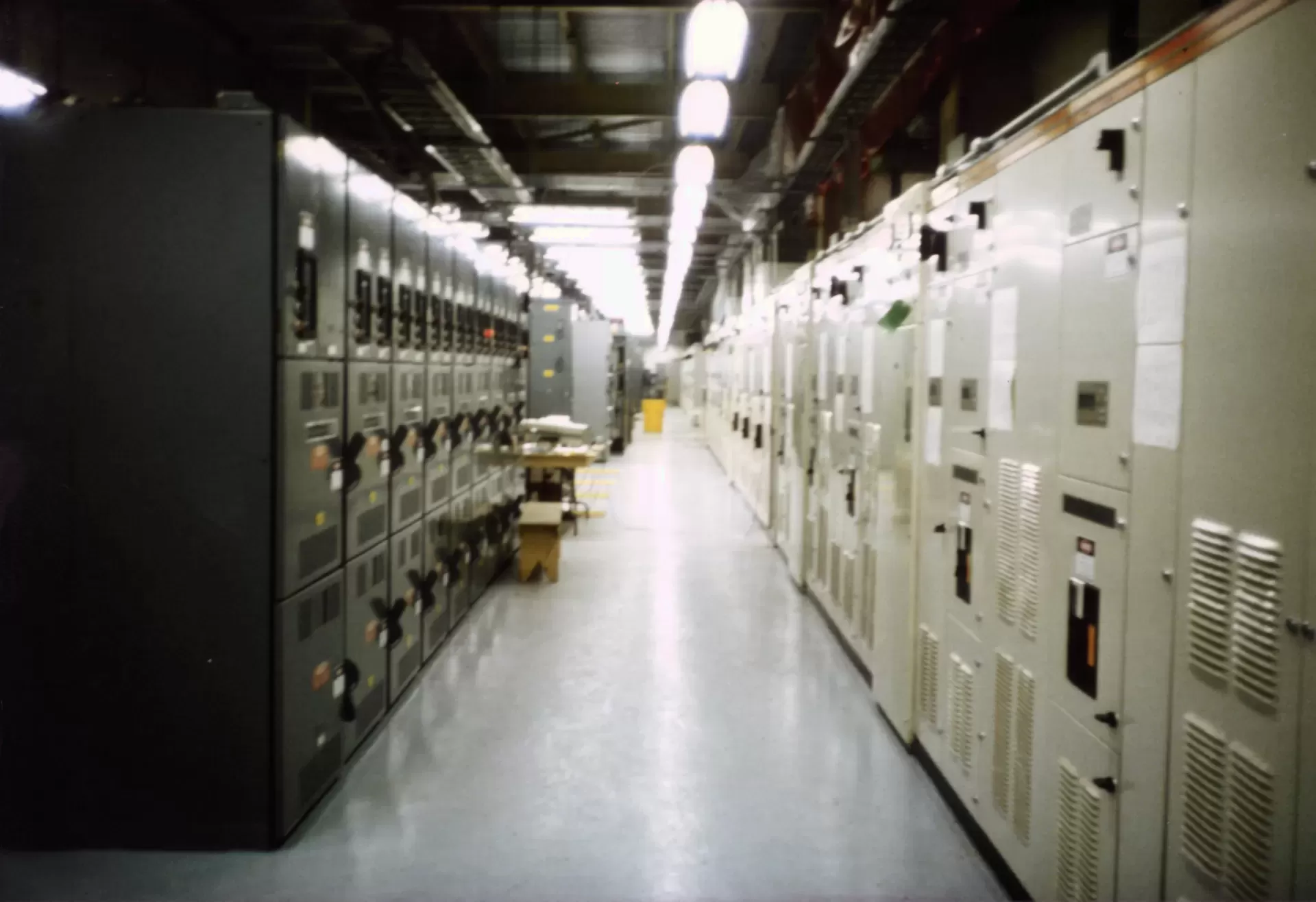
| Motor control centres | Bucket and bus condition | MCC maintenance during shutdowns |
| Main switchboard and feeders | Connection heat, breaker operation | Switchgear maintenance, breaker testing |
A first visit usually combines a thermal survey of the whole distribution system with an enclosure walk-down in the washdown zones. Together they show where heat and moisture are already causing damage.
Keeping Electrical Work Compatible With Food Safety and Sanitation
Electrical work in a food plant has to fit your food safety program as well as your safety rules, so our crews follow your GMP, allergen and foreign-material procedures alongside lockout and permits.
In practice that means:
- Site GMP orientation for every electrician before work starts, including hair and beard restraints, clothing and jewellery rules.
- Tool and parts control in production areas, with counts in and out and no loose fasteners, wire clippings or packaging left behind.
- Work in or above open product zones only when the line is down and covered, with a clean-up and hand-back to sanitation or QA before restart.
- Enclosures, fittings and cord grips chosen for washdown, so a repair does not create a new sealing problem.
- Shutdown work timed to sanitation shifts or planned breaks, so restart is not delayed by a second cleaning.
We agree the hand-back steps with your quality lead before the first job, so there is no debate at the end of a night shift about who releases the area.
Ground Faults, Wet Areas and Reg. 851 in Food Processing
Wet production areas raise the electrical risk to workers, and Ontario's Industrial Establishments regulation (O. Reg. 851) has specific rules for them.
- Section 44.1: handheld and portable tools used where it is wet need ground fault circuit interrupter protection, and during cleaning that describes most of a food plant floor.
- Section 44.2: once a dangerous ground fault is known, the employer has to find it and clear it promptly. Ground faults that appear after washdown and disappear when things dry are exactly this kind of fault, and they should be traced, not reset.
- Section 44 covers grounding of cord-connected equipment unless it is adequately double-insulated.
- Section 42: isolation, locks and tags come first whenever someone will be close to exposed energized parts, and the employer writes down how that is done.
We trace intermittent ground faults with insulation testing of the affected circuits and motors, then fix the cause, which is usually a failed seal, a damaged cord or moisture in a terminal box. CSA Z462 safe work practices and current arc flash labels apply whenever energized panels are opened for diagnosis.
Why Food Plants Usually Need Shorter Electrical Maintenance Intervals
Food and beverage plants usually belong in the shortest maintenance interval, because moisture, heat and production criticality all push equipment toward the worst condition rating.
NFPA 70B scores each item on physical condition, criticality and operating environment, and the worst factor sets the interval. A dry, clean electrical room may justify a yearly scan and a multi-year outage cycle. Panels and MCCs on a washdown floor, or serving a line with no backup, generally fall into the harsh or critical group. For that group, the 2023 edition calls for thermography every six months and full maintenance and testing of motor control, panelboards and breakers once a year.
In Canada, maintenance programs are written to CSA Z463, and we can set intervals to it, to NFPA 70B, or to the standard your corporate engineering group uses. The tests themselves are done to ANSI/NETA MTS (2023 edition) for running equipment and to ANSI/NETA ATS (2025 edition) when panels and starters for a new line are added. Our predictive electrical maintenance approach then adjusts intervals as test results trend.
Infrared Scanning in Cold Rooms and Hot Process Areas
Infrared electrical inspection works well in food plants as long as the scan is done under real production load and the thermographer accounts for the very different ambient temperatures in freezers, process rooms and oven areas.
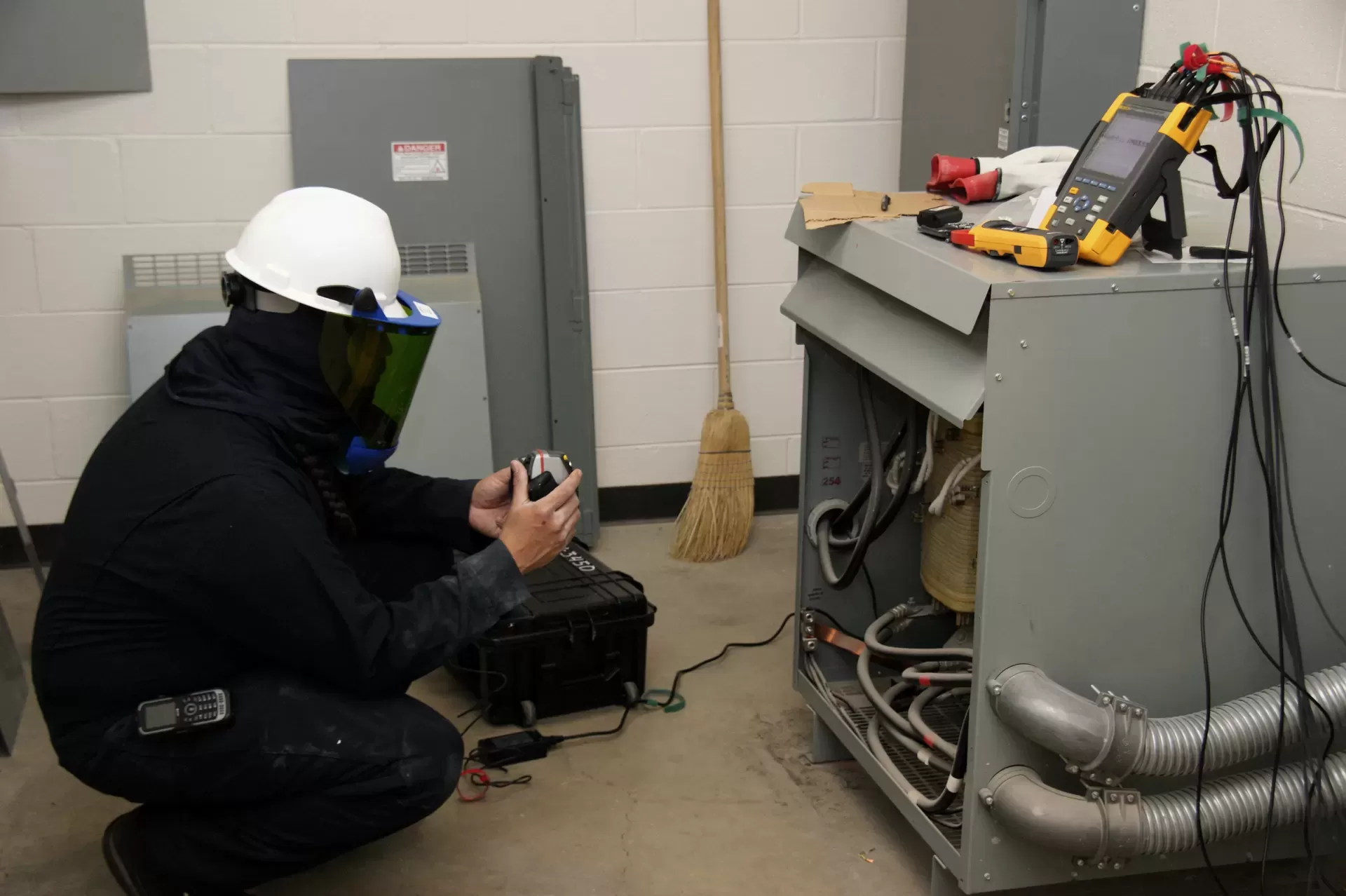
Every food plant scan is led by a thermographer holding Level II certification or above. They compare each connection with similar components carrying similar load and with ambient temperature, then rank findings with the NETA temperature rise bands, from "possible deficiency" to "major discrepancy, repair immediately". Readings near ovens are interpreted against the local ambient, and equipment in cold rooms is scanned with condensation and reflective stainless surfaces in mind.
Each finding in the report has a thermal image, a visible light photo, the measured rise and a recommended action, so your planner can decide what is fixed at once and what waits for the next sanitation shutdown.
Food and Beverage Clusters We Serve in the GTA and Ontario
We support food and beverage plants across Toronto and the GTA, with a concentration in the west and north of the region.
Brampton names food and beverage processing as one of its key sectors, and much of our food plant work is in its employment lands and neighbouring Mississauga. Toronto employment areas still hold many bakeries, processors and packaging plants, and Hamilton lists agri-business and food processing among its target sectors. We also travel to plants elsewhere in Ontario for shutdown work.
On the plant floor
Electrical crews that follow your GMP rules
Orientation, tool control and a clean hand-back to sanitation are part of every job plan, so electrical work never becomes a food safety finding.

Food plant services
Services food and beverage plants rely on
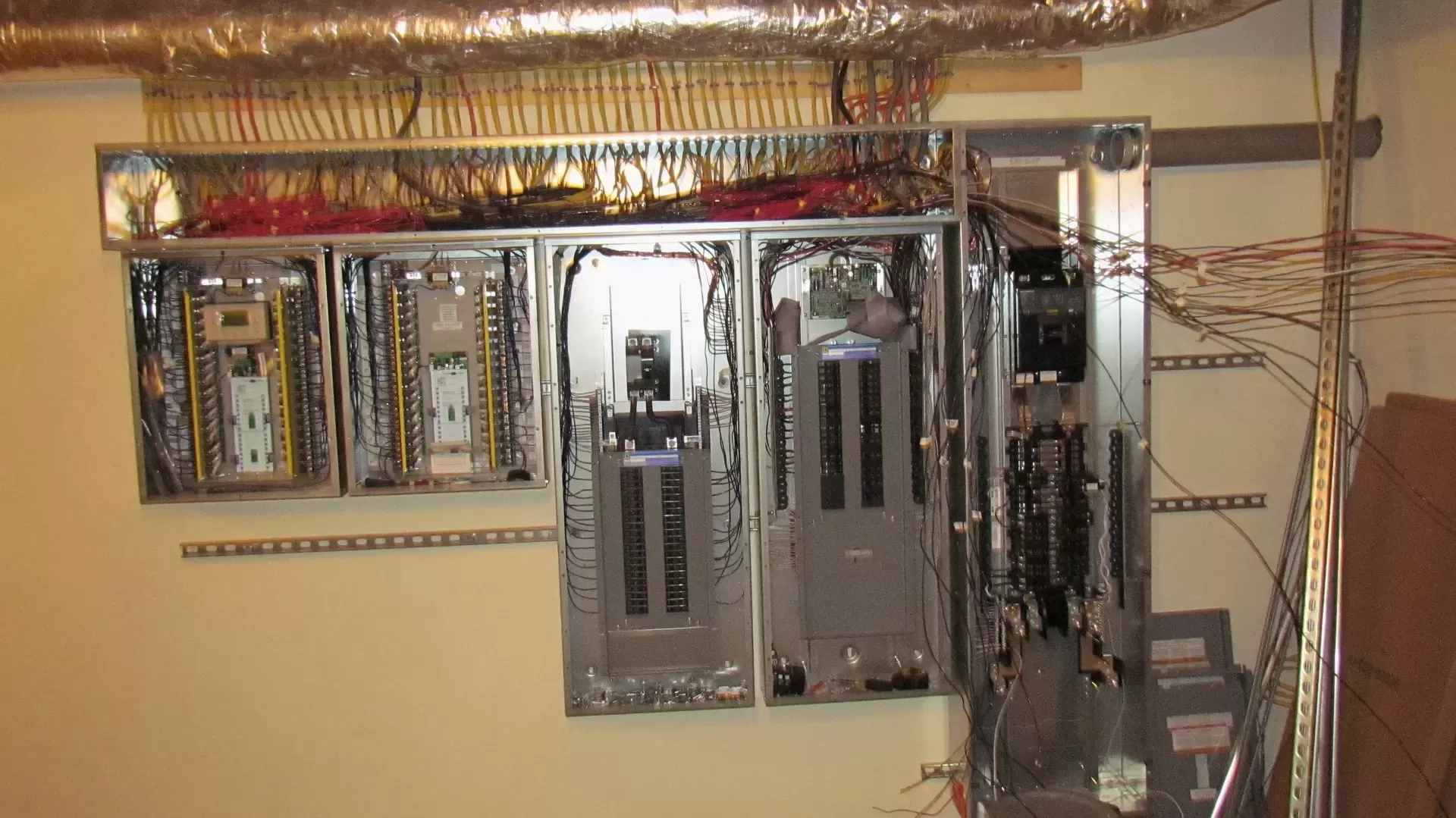
Questions
Frequently asked questions
Plant conditions
Why do food plants get ground faults after washdown?
Water and cleaning chemicals get into enclosures through failed gaskets, cracked fittings and loose cord grips, and the moisture creates a leakage path to ground. The fault often clears as things dry, so it looks intermittent. Under Reg. 851 that kind of fault cannot simply be reset and ignored; the leak path has to be found and sealed.
How often should a bakery or food plant scan its electrical panels?
Washdown, heat, dust and critical production lines put most food plant equipment in the harsh or critical group of NFPA 70B, where the 2023 edition sets thermography every six months. Clean electrical rooms away from production may stay on a yearly scan.
What electrical problems are common on commercial ovens and fryers?
Heating circuits carry high current for long periods, so contactor tips pit, terminals loosen and elements fail unevenly. That leaves phases unbalanced and connections running hot. A thermal scan under load, a current balance check and contactor service find these problems before an oven goes down during a run.
Does refrigeration equipment need its own electrical maintenance plan?
It should have priority within the plant program. Compressors and evaporator fans start often and run long hours, and a lost circuit can put product temperature at risk within hours. Starter inspection, insulation testing of the motors and frequent thermal scans of the refrigeration panels reduce that risk.
Food safety
How do electricians work in a food plant without creating a food safety risk?
They follow the plant's GMP orientation, clothing and hair rules, control tools and parts in and out of production areas, and work above or near open product only when the line is stopped and covered. When the job ends, the area is cleaned and handed back to sanitation or QA before restart.
Can electrical maintenance be scheduled during sanitation shifts?
Often, yes. Sanitation windows and planned breaks are natural outage times, and pairing shutdown tasks with them avoids a second cleaning before restart. Work in the washdown zone itself is timed so it does not conflict with active cleaning, and the hand-back steps are agreed with QA in advance.
What electrical enclosures suit washdown areas in food processing?
Washdown areas need enclosures, fittings and cord grips rated for water jets and the cleaning chemicals used, usually stainless or corrosion-resistant non-metallic designs. When we repair or add circuits in those zones, we match the rating of the area so the repair does not become the next leak point.
Rules and testing
Do food processing plants in Ontario fall under Regulation 851?
Yes. Food and beverage plants are industrial establishments under Ontario's Occupational Health and Safety Act, so O. Reg. 851 applies, including its electrical sections on lockout, protective equipment, grounding and ground fault protection. The OESC applies to new and altered electrical installations in the plant.
Is an infrared scan reliable in freezers and cold rooms?
Yes, if it is done carefully. The thermographer compares each connection with similar components under similar load, accounts for the low ambient temperature, and watches for condensation and reflections from stainless surfaces. Findings are ranked by temperature rise, so a hot spot in a freezer is judged against its surroundings.
What does a food plant electrical maintenance report contain?
It lists each piece of equipment by your asset ID with the tasks done, test readings, thermal and visible images, condition, and a ranked repair list. Washdown-related findings, such as failed seals or moisture in boxes, are flagged separately so maintenance and sanitation can address the cause together.
Service
Does KCS offer emergency electrical response to food processors?
Food processors on a KCS maintenance contract have emergency response when a refrigeration circuit, oven or line drive fails between visits. Plants without a contract can call (647) 979-0549 to book a standard visit, often starting with a thermal survey and a walk-down of the washdown zones.
Can KCS pass a food manufacturer's contractor approval process?
Yes. Food manufacturers usually screen us through ISNetworld, Avetta or ComplyWorks, where our file is approved, and we also hold IHSA's COR, ECRA/ESA licence #7014042, commercial insurance and WSIB coverage. Our crews complete your GMP and safety orientation before working in production areas.
Related services
Related services
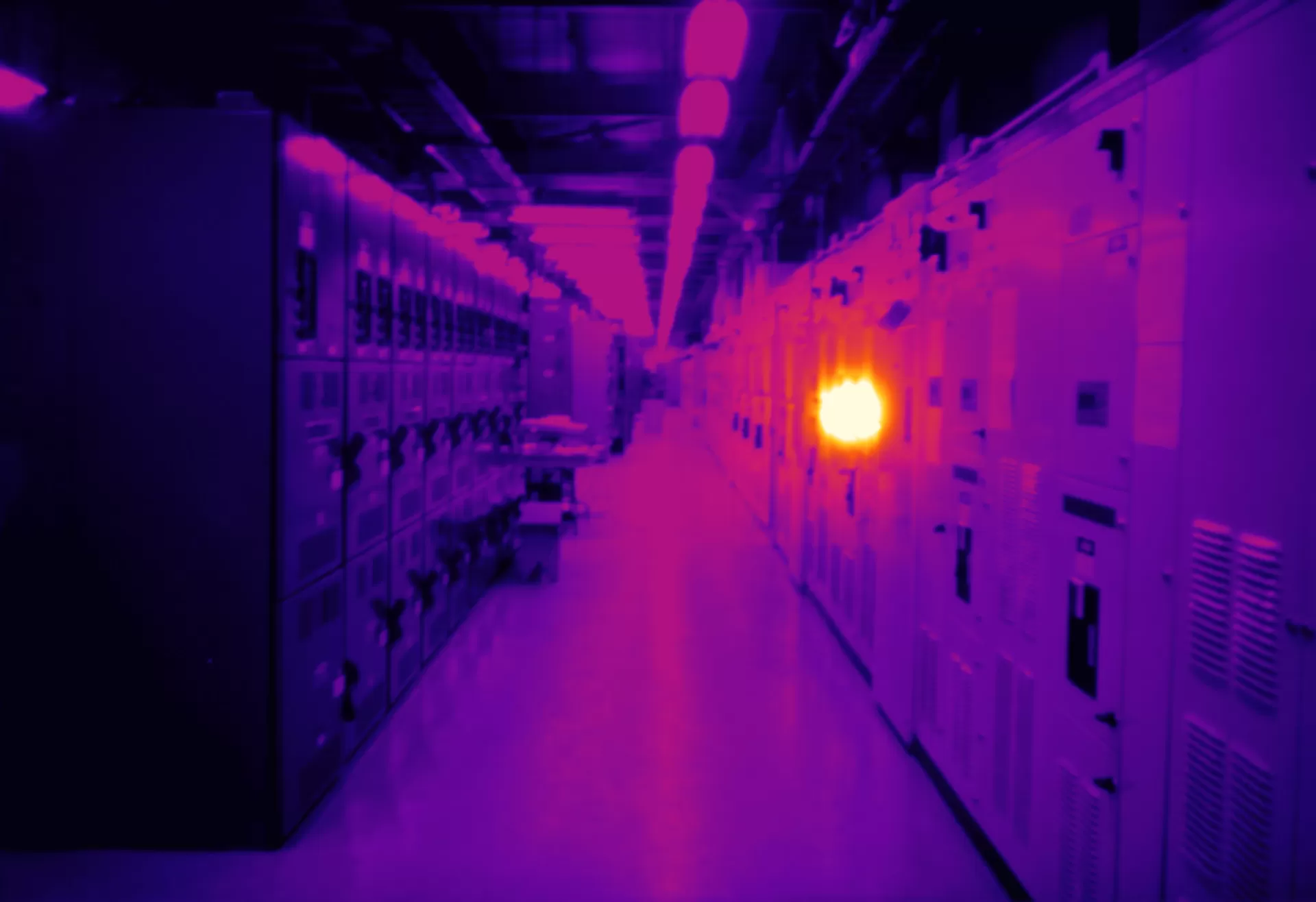
Industrial Plant Thermography
Thermographic surveys of manufacturing plants under production load, with trended findings, shutdown-ready work lists and licensed repairs.
View service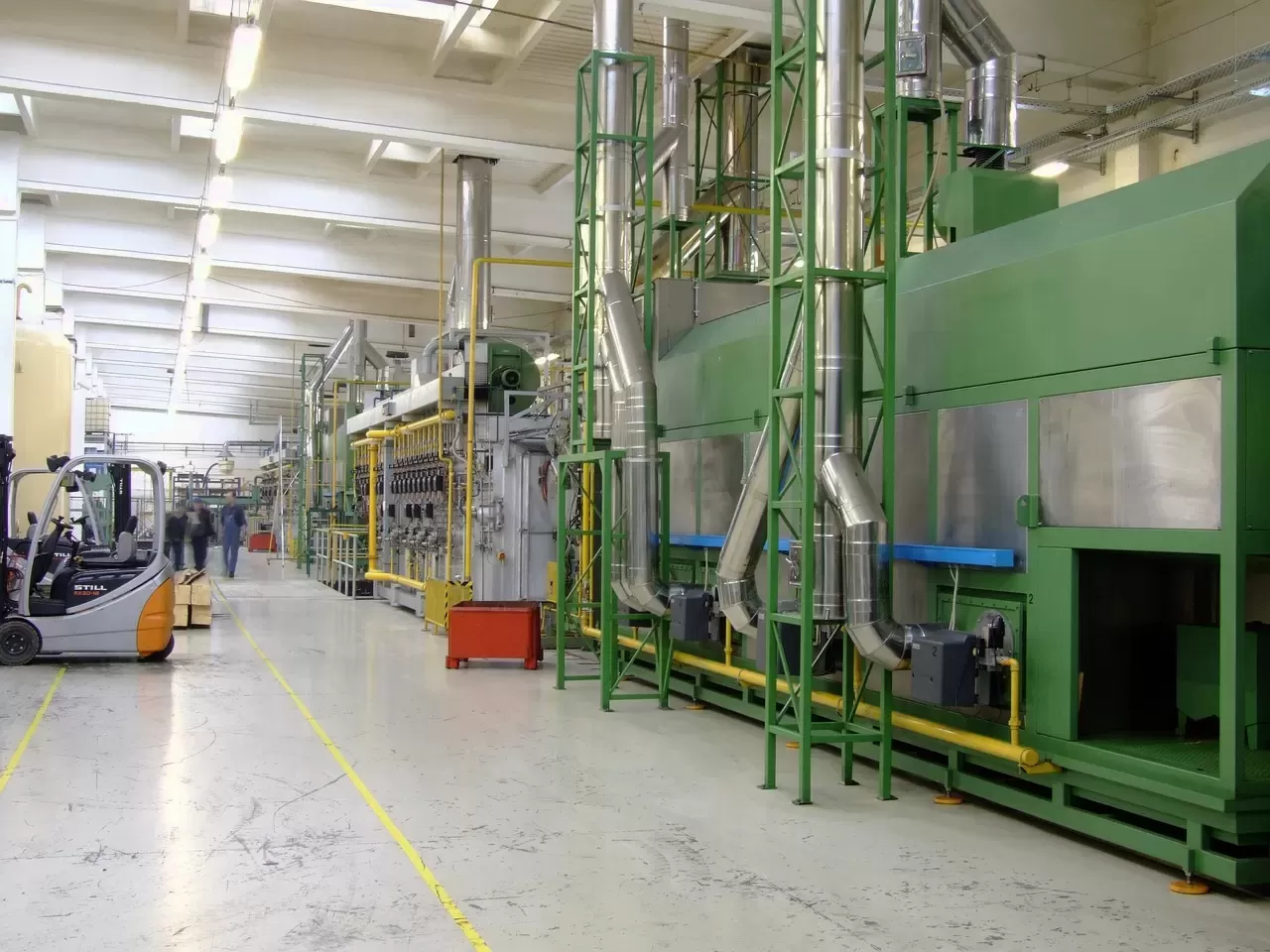
Factory Electrical Maintenance
Factory electrical maintenance programs and shutdown work for GTA plants, built on CSA Z463 with condition-based intervals.
View serviceMCC Maintenance
Motor control centre maintenance covering buckets, stabs, bus, starters and overloads, scheduled section by section so production keeps running.
View serviceMotor Electrical Testing
Insulation, winding and running tests on plant motors, trended over time so failing windings show up before a line stops.
View serviceElectrical Troubleshooting
Methodical fault finding for trips, outages, overheating and nuisance faults, with the root cause found, fixed and documented.
View serviceBrampton
Food processing, advanced manufacturing and logistics in Brampton: motor, MCC and switchgear maintenance plus thermal surveys.
View service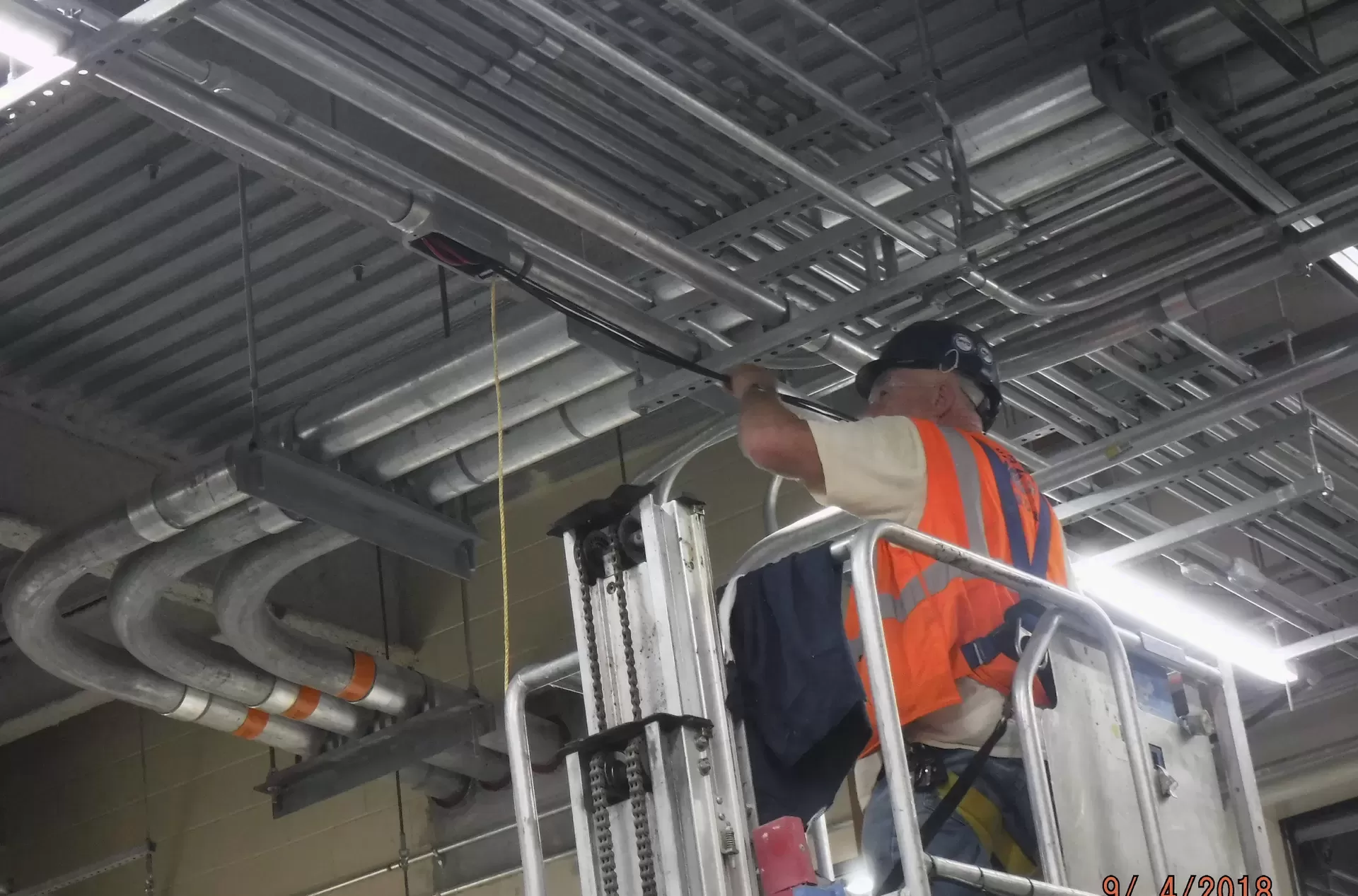
Request a callback
Plan your next electrical maintenance program with KCS
Tell us about the site and the equipment. A licensed electrician reviews it and calls you back.
- ESA/ECRA licence #7014042
- COR certified, ISNetworld, Avetta and ComplyWorks
- Work planned around shutdowns and tenant hours
- Emergency response for maintenance-contract clients
Send your request
We reply during business hours: Open daily, 9 a.m. to 9 p.m.