
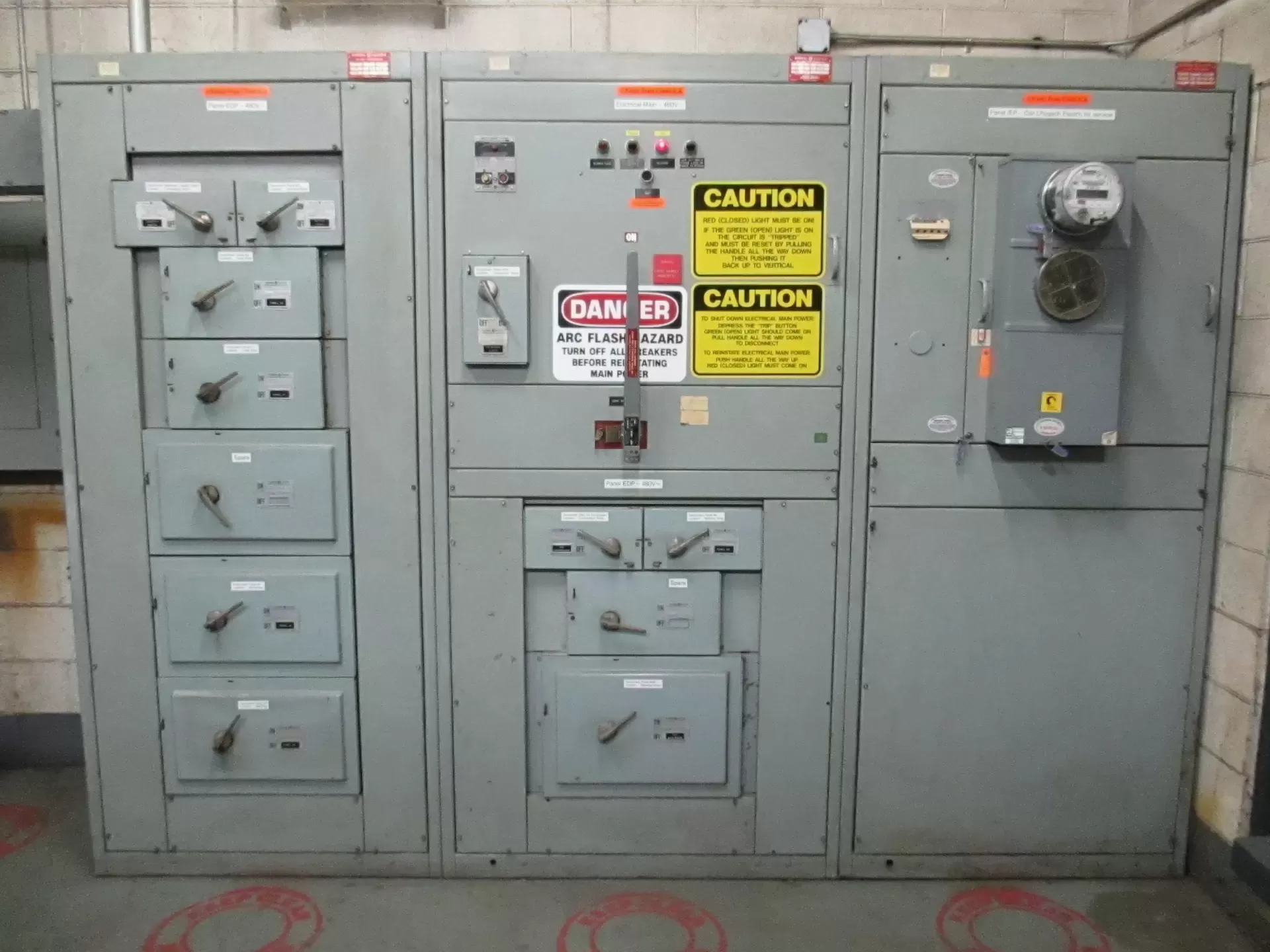
Panels and disconnects
Electrical Panel Inspection and Maintenance for GTA Buildings
Electrical panel inspection and electrical panel maintenance for plants, warehouses, offices and plazas in Toronto and the surrounding GTA. Our licensed electricians and Level II thermographers check panelboards, switchboards, splitters and disconnect switches, then give you a written report with every finding ranked.
- ESA/ECRA licence #7014042
- Level II thermographers
- COR certified (IHSA)
- Insured and WSIB covered
Request a callback
A licensed electrical contractor calls you back, usually the same business day.
Updated Reviewed by KCS Group licensed electricians
What Does a Commercial Electrical Panel Inspection Cover?
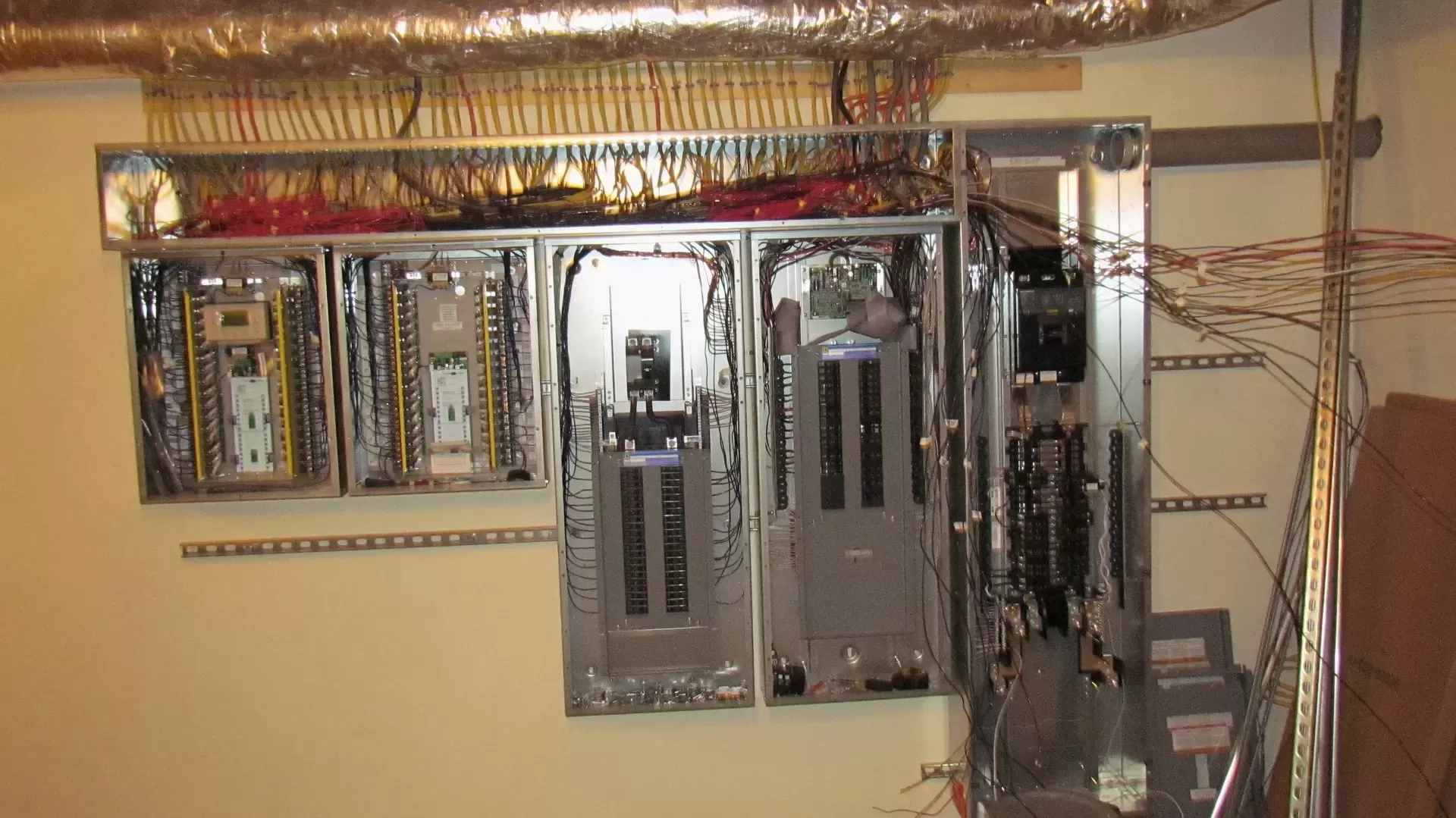
A commercial electrical panel inspection is a documented check of every panelboard, switchboard, splitter and disconnect switch in your building: the enclosure, the bus, the breakers or fuses, every termination, the bonding, and the labelling. It tells you which panels are in good order, which need work at the next planned shutdown, and which need attention now.
In an office tower, a plaza or a plant, panels are the most numerous pieces of distribution equipment you own. A mid-size industrial building can have dozens of lighting and power panels, several distribution switchboards and a disconnect at almost every motor, compressor and rooftop unit. Each one has terminations that loosen with heating and cooling cycles, breakers that sit untouched for years, and covers that get opened by trades who are not your electricians. Problems build quietly until a feeder trips, a breaker fails to clear a fault, or a termination burns.
Our panel inspection combines three things: an energized check with electrical thermography while the panels carry normal load, a visual and mechanical inspection with covers removed under a proper risk assessment, and offline maintenance (cleaning, torque verification, breaker exercise and testing) when you can schedule a shutdown. You choose the scope. Many clients start with the energized survey across the whole building, then book offline work for the panels that need it.
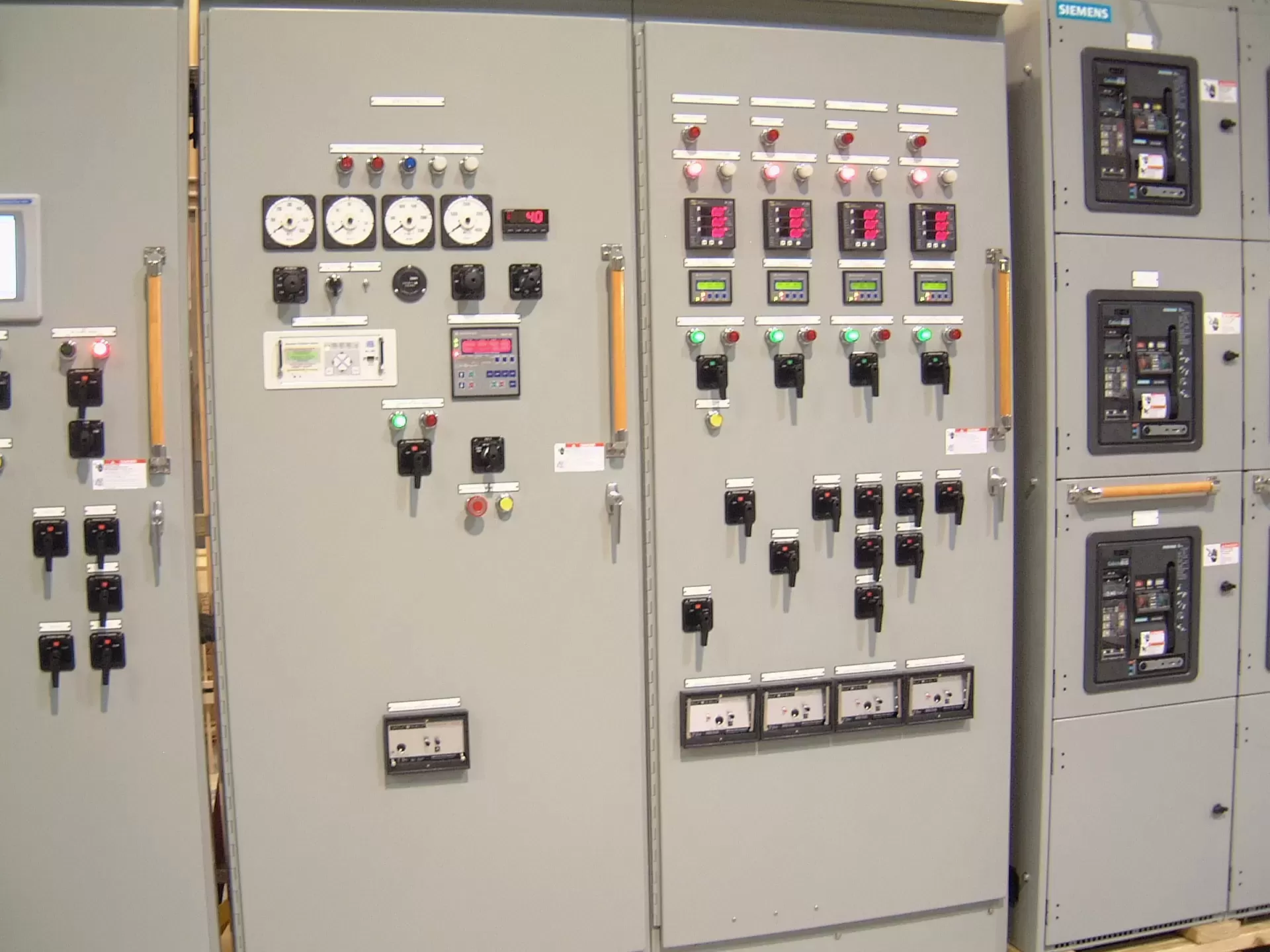
This page covers panels and disconnects. Larger equipment has its own service: metal-enclosed lineups are covered under switchgear maintenance, motor starters under MCC maintenance, and the full path from the utility service to the last panel under distribution system inspection.
Our Panelboard and Switchboard Inspection Checklist
Every panel gets the same structured checklist, so results are comparable from panel to panel and from year to year. The checklist follows the equipment chapters of NFPA 70B and the maintenance requirements of CSA Z463, with test methods from ANSI/NETA MTS, adjusted to what your building actually has.
Enclosure and surroundings
- Clear working space in front of the panel, with no storage, carts or pallets blocking access.
- Doors, covers and dead fronts present, secured and undamaged, with no open knockouts or missing filler plates.
- Signs of water entry, corrosion, dust build-up, rodents or insects.
- Warning signs on rooms with exposed live parts, which s.41 of Reg. 851 calls for in industrial establishments.
Bus, breakers and fuses
- Discolouration, pitting or tracking on the bus and breaker stabs.
- Breaker ratings and types that match the panel listing and the circuit directory.
- Fuse class and rating that match the fuse holder and the equipment label.
- Breakers that feel hot, show heat damage, or will not operate smoothly.
Conductors and terminations
- Torque on main lugs, neutral and ground bars, and branch terminations, checked against the manufacturer's values during offline work.
- Conductor insulation for heat damage, brittleness or nicks.
- Double-tapped terminals where the lug is not rated for two conductors.
- Aluminium terminations for signs of overheating or missing compound where it is required.
Bonding, labelling and records
- Bonding of the enclosure and the integrity of the equipment grounding path.
- Accuracy of the circuit directory against what is actually connected.
- Arc flash and shock labels where an arc flash study has been done, and whether they still match the equipment.
Disconnect Switch Inspection and Maintenance
Disconnect switch inspection confirms that each safety switch will open when someone needs it to, can be locked in the off position, and is not overheating. Disconnects are the device your workers and contractors rely on to isolate equipment, so a switch that does not fully open, or has a broken handle mechanism, is a lockout problem as well as an electrical one.
Under s.42 of Reg. 851, the supply must be isolated, locked and tagged before hands go near exposed live conductors, and s.42(7) obliges the employer to keep written procedures for it. A disconnect that cannot accept a lock, or whose handle shows off while the blades are still closed, undermines both.
Our disconnect switch maintenance covers:
- Handle operation through its full travel, with the door interlock working as designed.
- Blade and jaw condition, contact alignment and signs of arcing or pitting.
- Fuse clips for tension, heat discolouration and corrosion, and fuses of the correct class and rating.
- Line and load terminations for tightness and heat damage.
- The lockout provision: hasp present, unbroken and able to take a padlock.
- Enclosure rating suited to the location, such as wet, dusty or washdown areas.
- Labels that identify the load the switch actually controls.
Rooftop disconnects on HVAC units deserve special attention. They sit in sun, rain and freeze-thaw cycles, and water inside the enclosure is a common finding. In food plants, washdown areas create the same problem from the inside out. Where we find a disconnect that cannot be repaired properly, the report recommends replacement and our licensed electricians can carry it out under an ESA notification.
How We Inspect Energized and De-Energized Panels Safely
We inspect panels in two modes: energized (online) for thermography and external checks, and de-energized (offline) for anything that needs hands inside the enclosure. NFPA 70B calls these online and offline test categories, and a complete panel maintenance program uses both.
Energized survey
Our Level II thermographers scan each panel under its normal operating load, with the load recorded, because the heat at a poor joint grows with current squared. Opening covers on energized equipment is planned work: we follow a CSA Z462 risk assessment, wear the arc-rated PPE the assessment calls for, and keep unqualified people out of the boundary. Where covers cannot be removed safely, we say so in the report rather than guess. On panels that are scanned often, infrared windows can reduce how often covers must come off.
De-energized maintenance
With the panel locked out and tagged under Reg. 851 s.42, and absence of voltage verified, we clean, inspect the bus and stabs, verify torque, exercise breakers, and run insulation resistance tests on the bus and feeder conductors where the scope calls for it. Breakers that need trip testing go to our circuit breaker testing procedure. NFPA 70B makes trip testing optional for breakers of 250 A or less, so we focus test time on mains, feeders and breakers that protect critical loads.
Hot spots found during the scan
Each thermal anomaly is graded with the temperature-rise guidance in ANSI/NETA MTS. On a panel, that usually means comparing one breaker terminal with the matching terminal on the next phase. Where one phase runs over 15 °C hotter than its neighbour, or the part sits over 40 °C above the room, it is graded for immediate repair; small rises are logged for investigation or the next shutdown.
Because our scanners are also licensed electricians, a hot lug found in the morning can often be corrected on the next shutdown and checked again with the camera. Building-wide thermal surveys are covered in more depth on our electrical thermography page.
How Often Should Commercial Electrical Panels Be Inspected?
For most commercial and industrial panels, plan on a yearly thermal scan and a full service visit every three to five years, tightening the cycle for worn, exposed or mission-critical panels. That pattern comes from NFPA 70B (2023), which sets intervals by an equipment condition assessment rather than a single fixed number.
Each panel is rated on how worn it looks, what stops if it trips, and how hostile its room is; whichever of those scores lowest sets its interval. A clean panel in a dry electrical room feeding office lighting is Condition 1. A panel in a dusty mill, near a washdown area, or feeding a process line that stops the plant when it trips, moves to Condition 3.
| Panel work | Good condition | Fair condition | Poor, harsh or critical |
|---|---|---|---|
| Thermal scan of panels and disconnects | Yearly | Yearly | Twice a year |
| Panel and switchboard cleaning, torque and tests | Every 5 years | Every 3 years | Yearly |
| Branch and feeder breaker service | Every 5 years | Every 3 years | Yearly |
| Fuses and fused disconnects | Every 5 years | Every 3 to 5 years | Yearly |
Intervals converted to years from the NFPA 70B (2023) condition-based table, as published by a member of the standard's committee. Manufacturer instructions still apply, and your insurer or a client contract may set its own interval. Because NFPA 70B is American, we treat it as a reference for timing only; the rules that bind Ontario facilities are the OESC and Reg. 851, with CSA Z463 as the Canadian maintenance standard.
Panels also need an unscheduled inspection after water or fire exposure, after a fault that tripped an upstream device, after a major load addition, and when a thermal scan flags a problem. Panel inspection usually runs as one part of a wider electrical preventive maintenance program, so all of these dates live in one schedule.
What Your Panel Inspection Report Contains
You get a written report that lists every panel and disconnect we inspected, what we found, how serious it is, and what we recommend, in an order your maintenance team or property manager can work through. We describe the report here rather than show a sample, because every building's report is built from its own equipment list.
- Equipment register: each panel and disconnect by location and designation, with ratings read from the nameplate.
- Condition rating: the condition we assessed for each item, with the matching interval for its next service. NFPA 70B (2023) also requires a condition decal on equipment after maintenance, and we can apply one.
- Thermal findings: thermal and visible images of each anomaly, the temperature rise, the load present while scanning, and the action grade from the ANSI/NETA MTS table.
- Mechanical and electrical findings: torque corrections made, insulation resistance readings where taken, breakers that did not operate correctly, and any fuse or breaker that does not match the equipment rating.
- Code and safety items: blocked working space, missing covers, unlabelled circuits, disconnects that cannot be locked out.
- Corrective action list: ranked from immediate to next planned shutdown, with clear wording your team can turn into work orders.
Many clients send the thermal section to their insurer. If your carrier asks for a specific format, see our insurance infrared scan reports page.
Ontario Codes and ESA Rules for Panel Maintenance
Three layers of Ontario rules shape panel maintenance: the Ontario Electrical Safety Code governs how equipment is installed and repaired, Reg. 851 (Industrial Establishments) governs how the work is done safely, and the ESA licensing rules for who may do the work.
- OESC: the code in force since 1 May 2025 is the 2024 edition, the 29th, made under O. Reg. 164/99. It is the national code text plus Ontario's own changes. Repairs and replacements we make follow it.
- ESA notification: ESA expects a notification to be filed for any work on an electrical installation. When an inspection leads to repairs, such as replacing a breaker, a damaged disconnect or a burnt conductor, we file the notification as the licensed contractor.
- Licensing: only licensed electrical contractors are allowed to perform electrical work for clients in this province, with limited exemptions. Our contractor licence, ESA/ECRA #7014042, can be confirmed through ESA's online look-up.
- Reg. 851: s.40 requires equipment to be suitable and certified, s.41 requires warning signs on rooms with exposed live parts, and s.42 sets out lockout and tagging. Section 42.1 covers work where disconnecting is not practical, and it exempts testing and troubleshooting from the rescue-person requirement at 300 V or more.
- CSA Z462 and CSA Z463: CSA Z462 governs how our electricians work near energized panels. CSA Z463 sets the maintenance framework your program is built on.
- ANSI/NETA MTS and ATS: neither is Ontario law, yet they are the test specifications we work to: MTS (2023 edition) for panels in service, ATS (2025 edition) for a new or replacement panel before power is restored.
If your building runs many small jobs a year, ESA's Continuous Safety Services program lets a facility use an online logbook and a dedicated inspector in place of booking an inspection per job. Where your site is enrolled, our work fits into that logbook.
Who Books Panel Inspections, and When You Do Not Need One
Panel inspections suit property managers, plant maintenance managers and facility owners who need documented evidence that their distribution equipment is maintained. Across Toronto and the GTA, the common triggers are an insurer's request, a new lease or acquisition, a renewal of a maintenance contract, and a thermal scan that found trouble.
- Property managers with tenant panels, house panels and rooftop disconnects across office, retail and industrial portfolios. See commercial electrical maintenance.
- Manufacturing and food plants where a panel failure stops a line. See factory electrical maintenance.
- Warehouses and distribution centres with long runs of lighting panels, dock equipment and battery charging circuits.
- Clinics and medical office buildings where downtime affects patient schedules.
You may not need a full panel inspection if your panels were installed and acceptance tested within the last year and a recent thermal scan was clean; a scan alone may be enough until the next cycle. If you are planning a capacity increase, you need a load review and a design for the upgrade, not an inspection. If a breaker keeps tripping today, book electrical troubleshooting first.
We work across Ontario with most of our panel work in Toronto, Mississauga, Vaughan and the rest of the GTA, working out of our Aurora office. Visits are booked around tenant hours and production schedules, including evenings and weekends when that is the only shutdown window. Should a panel let go between scheduled visits, KCS provides emergency response to sites under a maintenance agreement. Local details are on our Toronto, Mississauga and Vaughan pages.
How a panel inspection runs
From walkdown to corrective work
Walkdown and register
We list every panel and disconnect in scope, read nameplates, and agree on which ones can be shut down and when.
Energized thermal survey
Level II thermographers scan panels under normal load, record the load, and photograph each anomaly.
Offline maintenance
On the shutdown you approve, we lock out, clean, verify torque, exercise breakers and run the tests in scope.
Report and repairs
You receive the ranked findings, and our licensed crew can carry out the repairs, file with ESA, and scan the panel again.
Panels in context
Panels are one part of a larger electrical system
A panel inspection often turns up problems that start upstream: an overloaded feeder, a transformer running hot, or a breaker that no longer coordinates with the one above it. When that happens, the report points you to the right next step, such as transformer testing or a review of your distribution system, rather than treating the panel in isolation.
Related services
Services that work alongside panel maintenance
Switchgear Maintenance
Inspection and testing of metal-enclosed lineups, main breakers and protective relays.
Learn more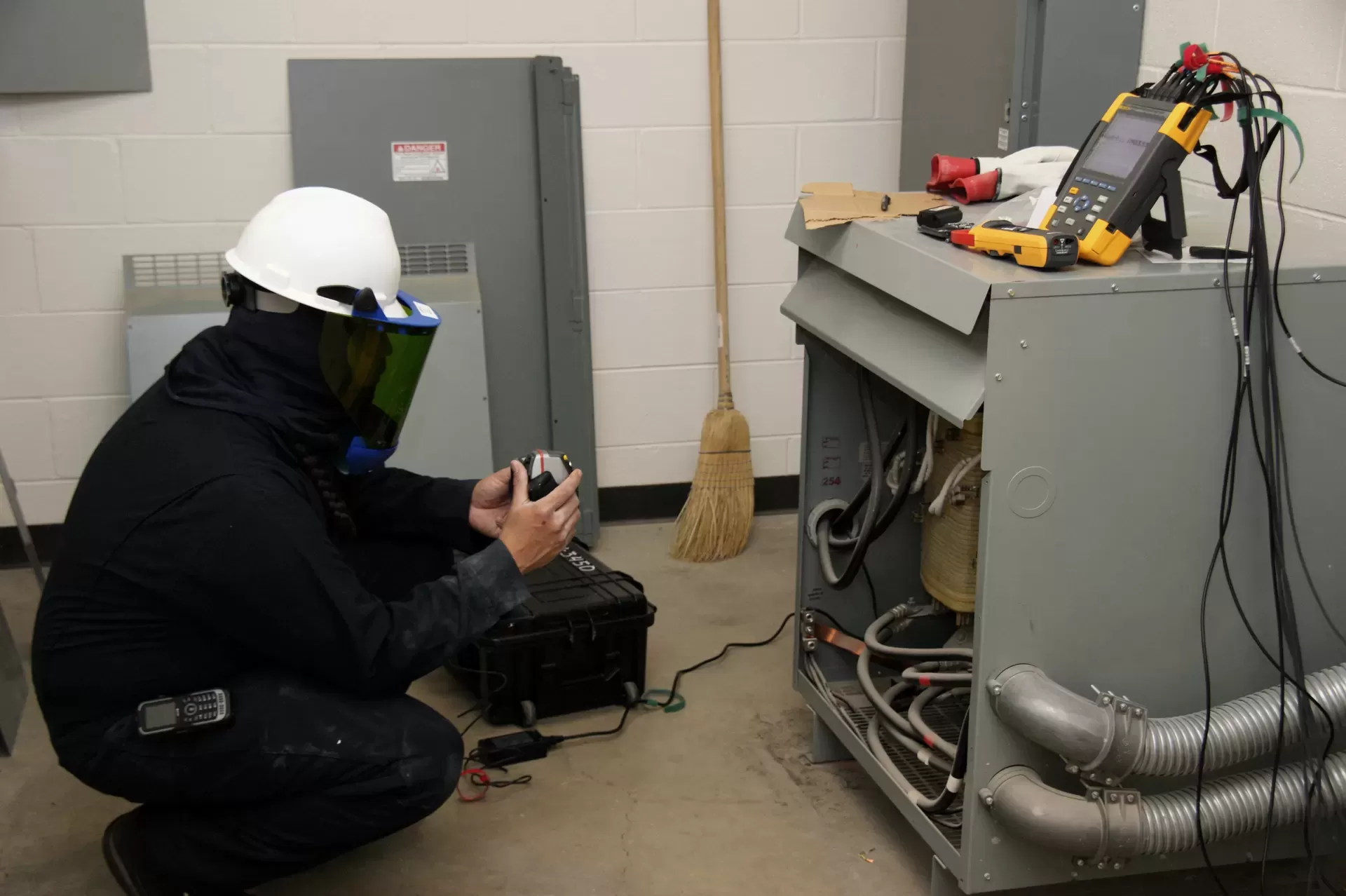
Electrical Thermography
Building-wide thermal surveys of live panels, switchboards and transformers under normal load.
Learn more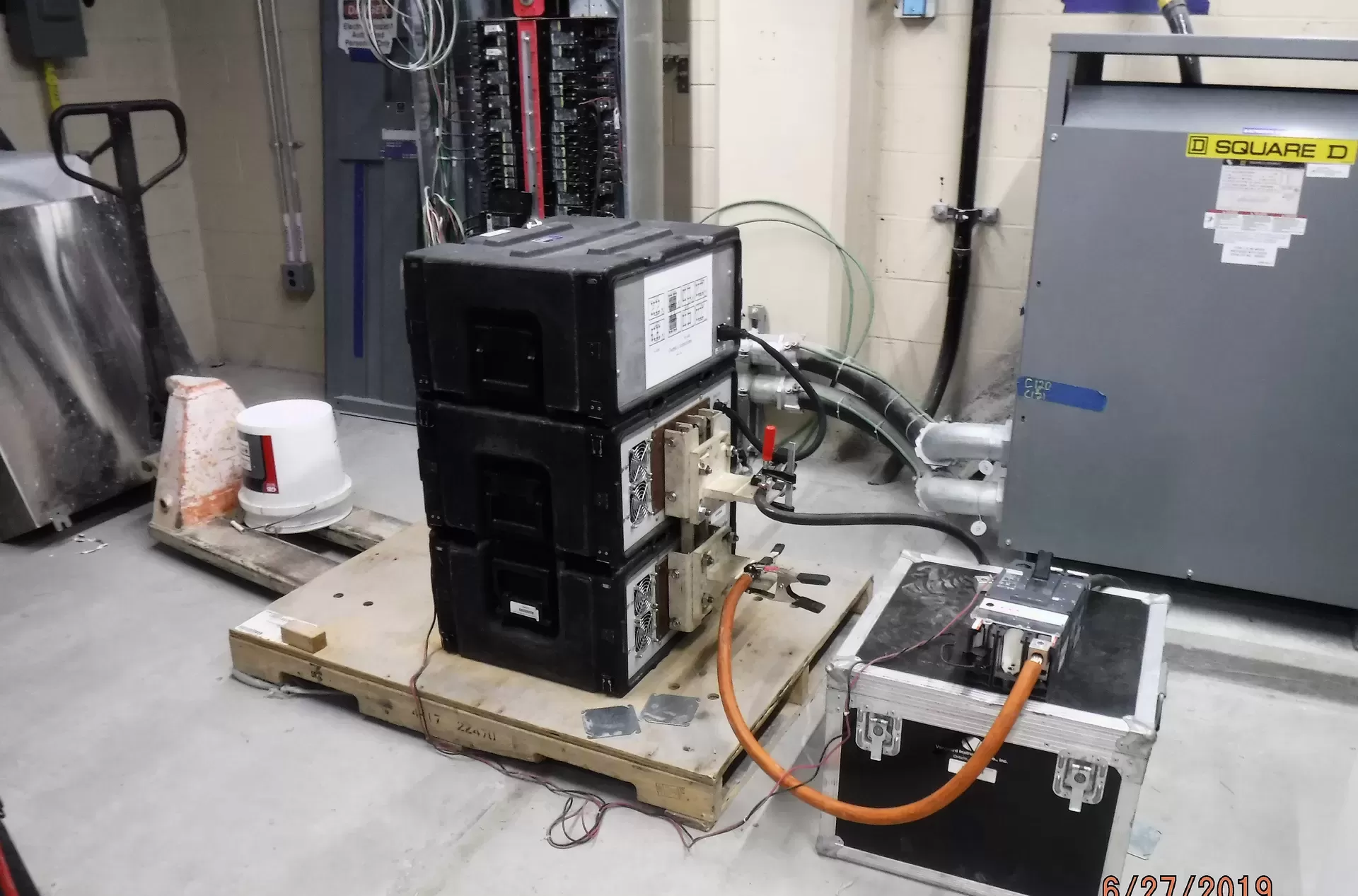
Circuit Breaker Testing
Primary and secondary injection testing of mains, feeders and critical breakers.
Learn moreQuestions
Electrical panel inspection questions
Panel inspection basics
What is included in a commercial electrical panel inspection?
A commercial panel inspection covers the enclosure, bus, breakers or fuses, terminations, bonding and labelling of each panelboard and switchboard. We add a thermal scan under load and, when you can schedule a shutdown, cleaning, torque checks and breaker exercise. You receive a written report that ranks every finding from immediate to next planned shutdown, with a condition rating and next service interval for each panel.
What is the electrical panel inspection sticker on maintained equipment?
It is usually a condition decal. NFPA 70B (2023) calls for a decal after maintenance that shows the equipment's condition and when it was serviced. It lets anyone opening the panel see at a glance whether it is current. It is separate from arc flash labels, which show incident energy or PPE information under CSA Z462, and from any ESA inspection record.
Can you inspect panels without shutting down power to the building?
Yes, partly. The thermal scan and external checks are done while panels are energized and carrying normal load, so there is no shutdown. Work inside the enclosure, such as cleaning, torque verification and breaker exercise, needs the panel locked out under Reg. 851 s.42. Most clients do the energized survey first, then book short shutdowns only for panels that need offline work.
What are common problems found during electrical panel inspections?
The most frequent findings are loose or overheated terminations, double-tapped lugs, breakers or fuses that do not match the equipment rating, circuit directories that no longer match the wiring, missing covers or filler plates, and storage blocking working space. In older or damp rooms we also find corrosion and water staining. Each finding is ranked in the report with a recommended action.
Cost and timing
What does a commercial electrical panel inspection cost in Toronto?
The cost depends on how many panels and disconnects are in scope, whether you want an energized survey only or offline maintenance too, how many shutdowns are needed, and whether the work falls outside business hours. Pricing follows a short walkdown or a review of your equipment list. Phone (647) 979-0549, or use the callback form on this page, and we will scope it together.
How long does it take to replace a commercial electrical panel?
It depends on the panel size, how many circuits it feeds, whether the replacement fits the same space, and how long the loads can be off. A small branch panel is a short planned outage; a main distribution switchboard is a staged project. We plan the outage with you, file the ESA notification, and schedule the work around your tenants or production.
Should we inspect panels before buying or leasing a commercial building?
Yes, if you will be responsible for the electrical system. A pre-purchase or pre-lease panel inspection with a thermal scan shows overheated connections, outdated or mismatched equipment, and code items before you sign. The report gives you a documented list to negotiate with, and a starting point for the maintenance program you will run once you own or occupy the space.
Older panels
Should a 50 year old electrical panel be replaced?
Not automatically. Age alone does not decide it. We look at the condition of the bus and breakers, whether replacement breakers are still available and properly listed for the panel, whether the panel has enough capacity for current loads, and whether it shows heat damage or corrosion. Some older panels remain serviceable; others should be replaced. The report gives a clear recommendation either way.
Do commercial breaker panels last 30 years or longer?
Many do, when they stay clean, dry and lightly loaded and get regular maintenance. Lifespan depends far more on environment and maintenance than on age. Panels in dusty, damp or hot rooms, or running near capacity, wear faster. A condition assessment under NFPA 70B and CSA Z463, backed by ANSI/NETA MTS test results, tells you where each of your panels stands, rather than relying on a rule of thumb.
What are warning signs that a commercial panel needs attention?
Watch for breakers that trip repeatedly, panel covers that feel warm, a burning smell, buzzing or crackling, discoloured breakers or terminals, flickering on circuits fed from the panel, and rust or water marks inside the enclosure. Any of these warrants an inspection soon. If you see smoke or scorching, keep people clear and call a licensed electrician right away.
Codes and clearances
What is the 36 inch rule for electrical panels in Ontario?
The 36 inch figure comes from the US National Electrical Code. In Ontario, working space around electrical equipment is set by the Ontario Electrical Safety Code, which is based on the Canadian Electrical Code. Whatever the exact dimension for your equipment, the space in front of a panel must stay clear so it can be operated and serviced safely. We flag any blocked space in the report.
What is the 80 percent rule for electrical panels?
It usually refers to limiting continuous loads on a breaker or feeder to 80 percent of its rating, unless the equipment is marked for continuous operation at full rating. The Ontario Electrical Safety Code has its own rules for continuous loads. During an inspection we compare measured loads with breaker and conductor ratings and flag circuits that run close to their limits.
Does panel maintenance work need an ESA notification in Ontario?
Yes, when it involves repairs. Since ESA wants every job on an installation notified, when our inspection leads to repairs or replacement, such as a new breaker, disconnect or conductor, we file the notification as the licensed contractor under ESA/ECRA licence #7014042. Facilities enrolled in ESA's Continuous Safety Services program can record eligible maintenance work in their online logbook instead.
Disconnect switches
How often should disconnect switches be inspected and maintained?
Disconnects are usually inspected on the same cycle as the panels around them: a thermal scan yearly and full maintenance every three to five years, shorter for outdoor, washdown or critical units. Rooftop HVAC disconnects benefit from a yearly visual check because of water entry. Any disconnect that will not open fully or cannot take a lock should be repaired before it is relied on again.
Why does a disconnect switch need to accept a padlock?
Reg. 851 requires isolation, a lock and a tag before anyone touches or approaches exposed conductors. The disconnect is often the lockout point, so it must accept a padlock in the off position. A broken hasp or a handle that shows off while the blades are closed is a lockout failure, and we flag it as an immediate item.
What is the difference between a fused and non-fused disconnect?
A non-fused disconnect only isolates the load; overcurrent protection comes from a breaker or fuse upstream. A fused disconnect adds fuses inside the switch to protect the load it feeds. During maintenance we check that fuses are the correct class and rating for the holder and the equipment, that the clips grip firmly, and that there is no heat discolouration.
Can a faulty disconnect switch be repaired or must it be replaced?
Some faults can be repaired, such as a loose termination, a weak fuse clip or a damaged handle where listed parts are available. Burnt blades, a cracked base, a corroded enclosure or a missing interlock usually mean replacement. Replacement is electrical work that needs an ESA notification, and our licensed electricians can complete it after the inspection.
Related services
Related services
Switchgear Maintenance
Switchgear maintenance and inspection for low voltage lineups and switchboards, planned around shutdown windows and documented section by section.
View service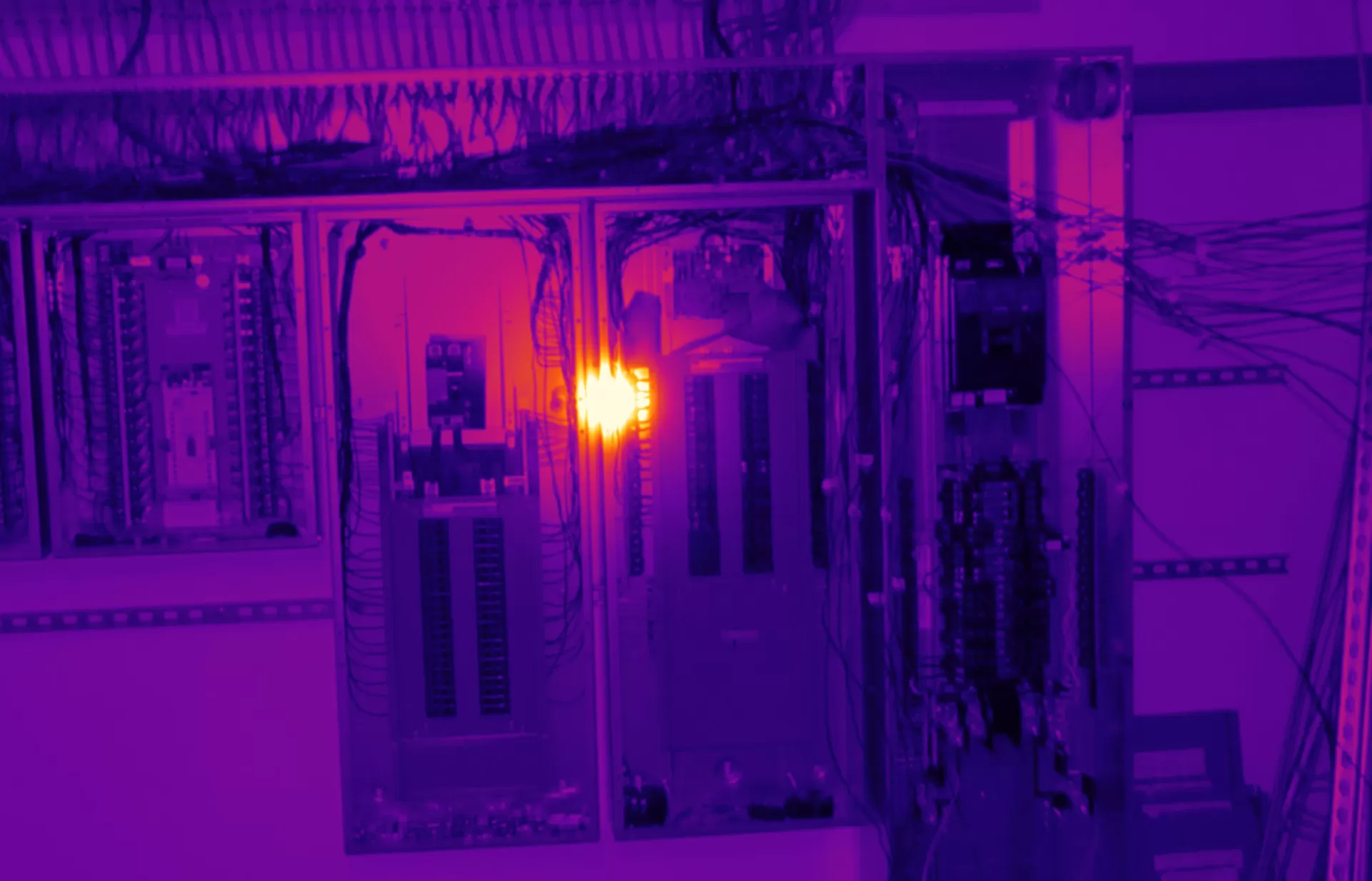
Infrared Electrical Thermography
Thermal scans of energized switchgear, panels and motor controls by Level II thermographers, with rated findings and repairs by licensed electricians.
View serviceCircuit Breaker Testing
Trip, timing, contact resistance and mechanism checks that prove each breaker will open when a fault demands it, from 15 A branch breakers to drawout power breakers.
View service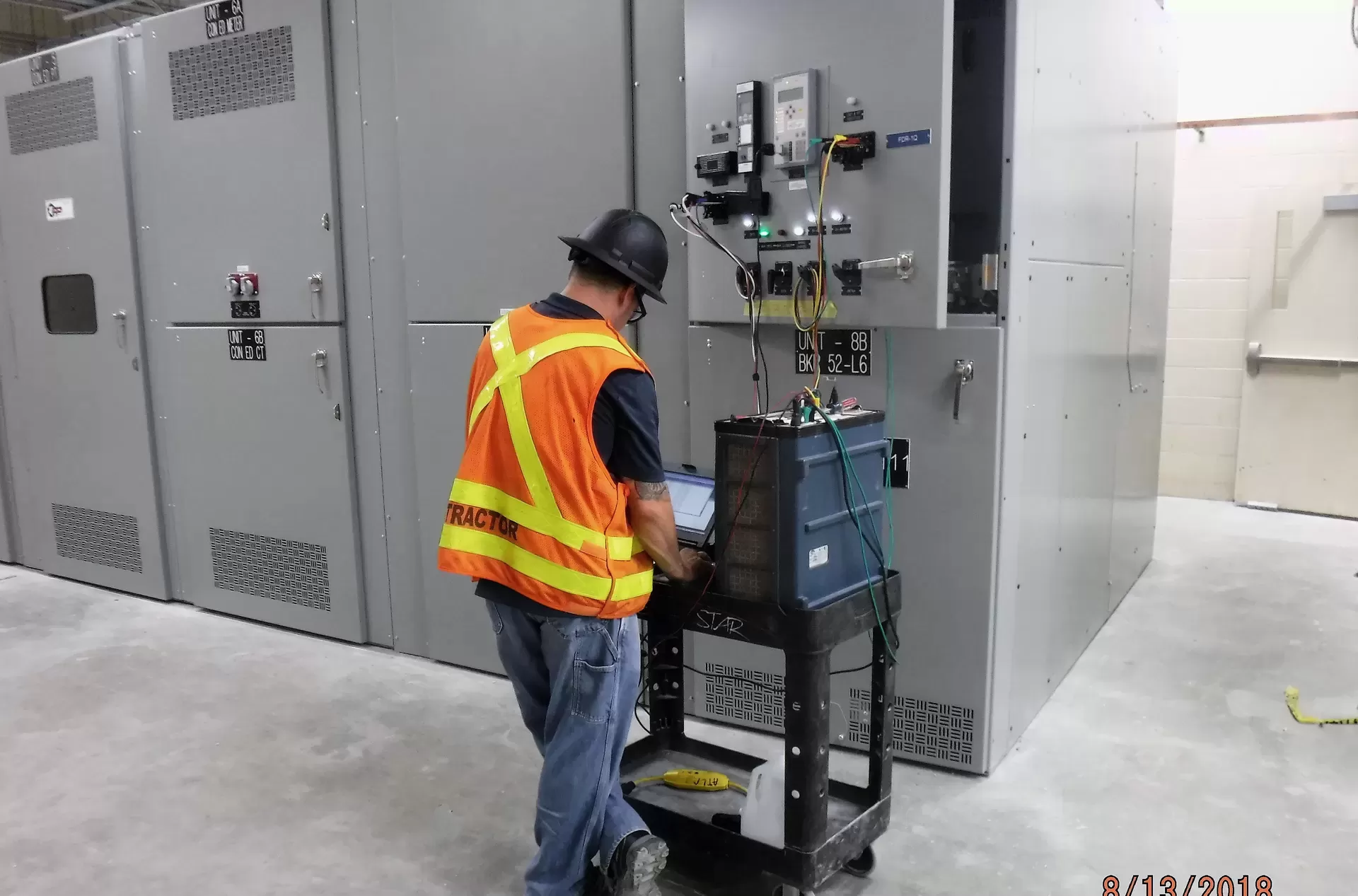
Electrical Preventive Maintenance
A written program of scans, cleaning, tightening and tests for switchgear, panels and transformers, aligned with CSA Z463 and NFPA 70B.
View service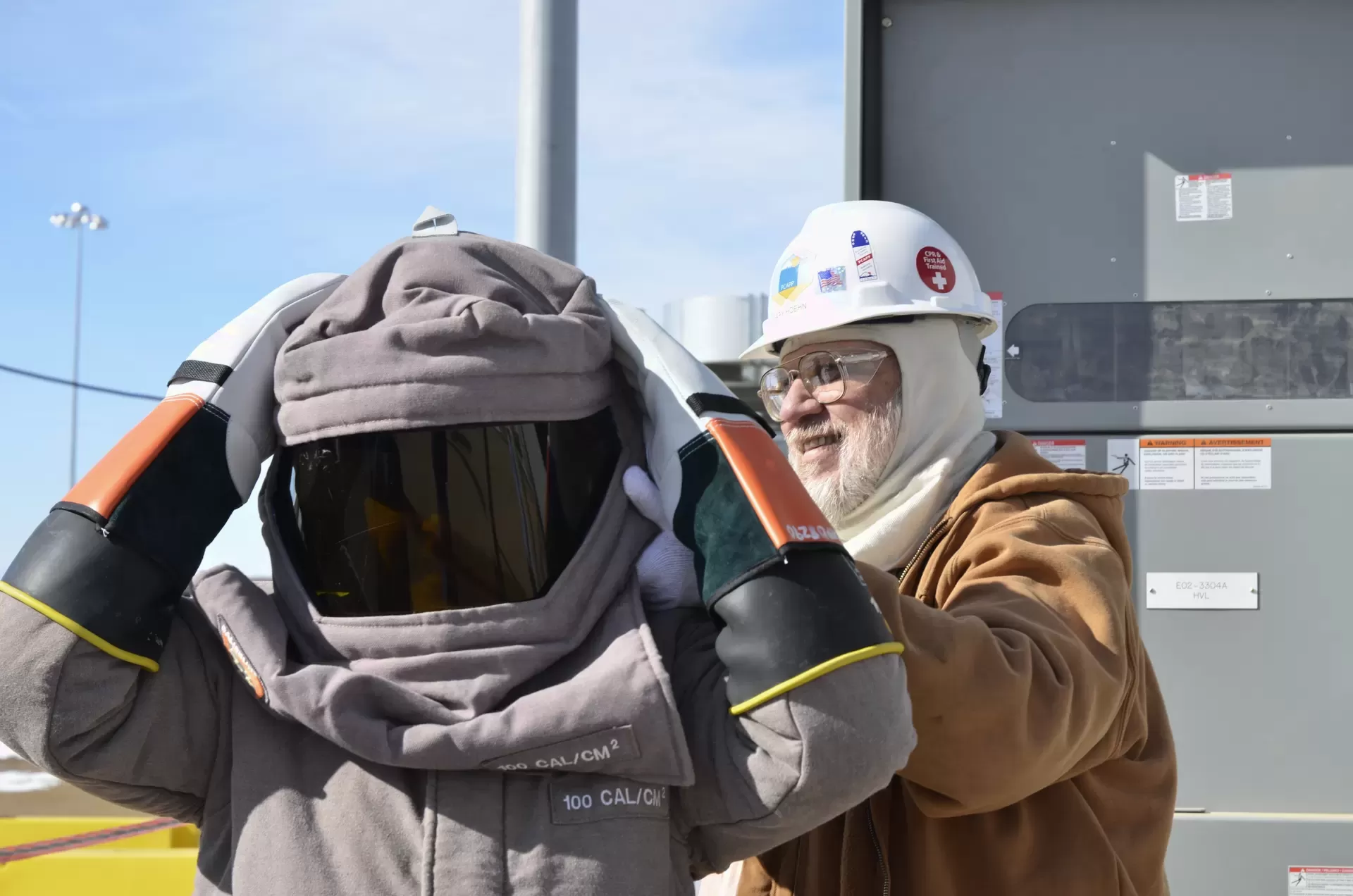
Arc Flash Study
Arc flash assessment, incident energy results and CSA Z462 arc flash labels so your electricians know the hazard at every piece of gear.
View service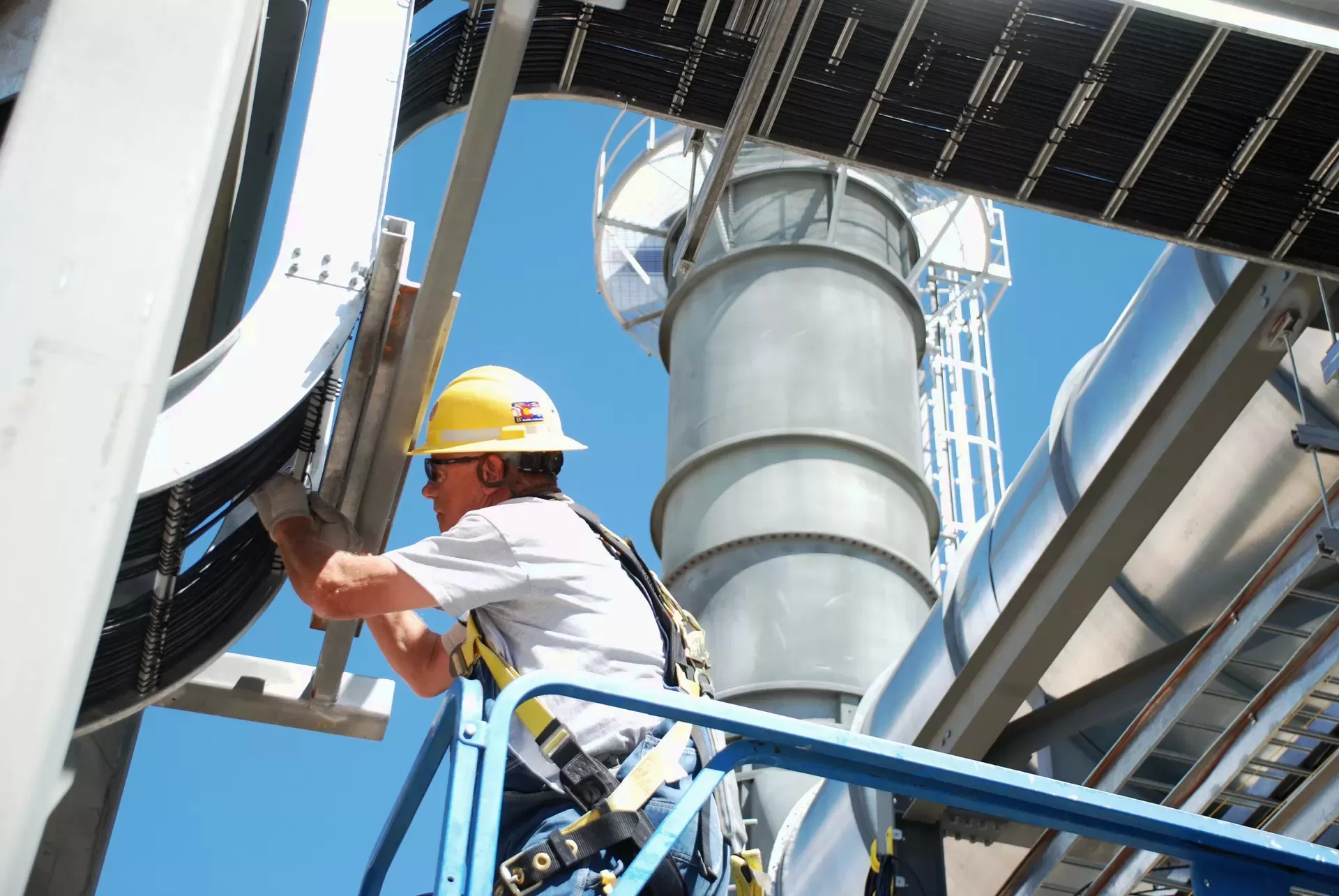
Distribution System Inspection
A walk of your whole power path, from the utility handover to the last panel, with feeders, transformers and grounding checked.
View service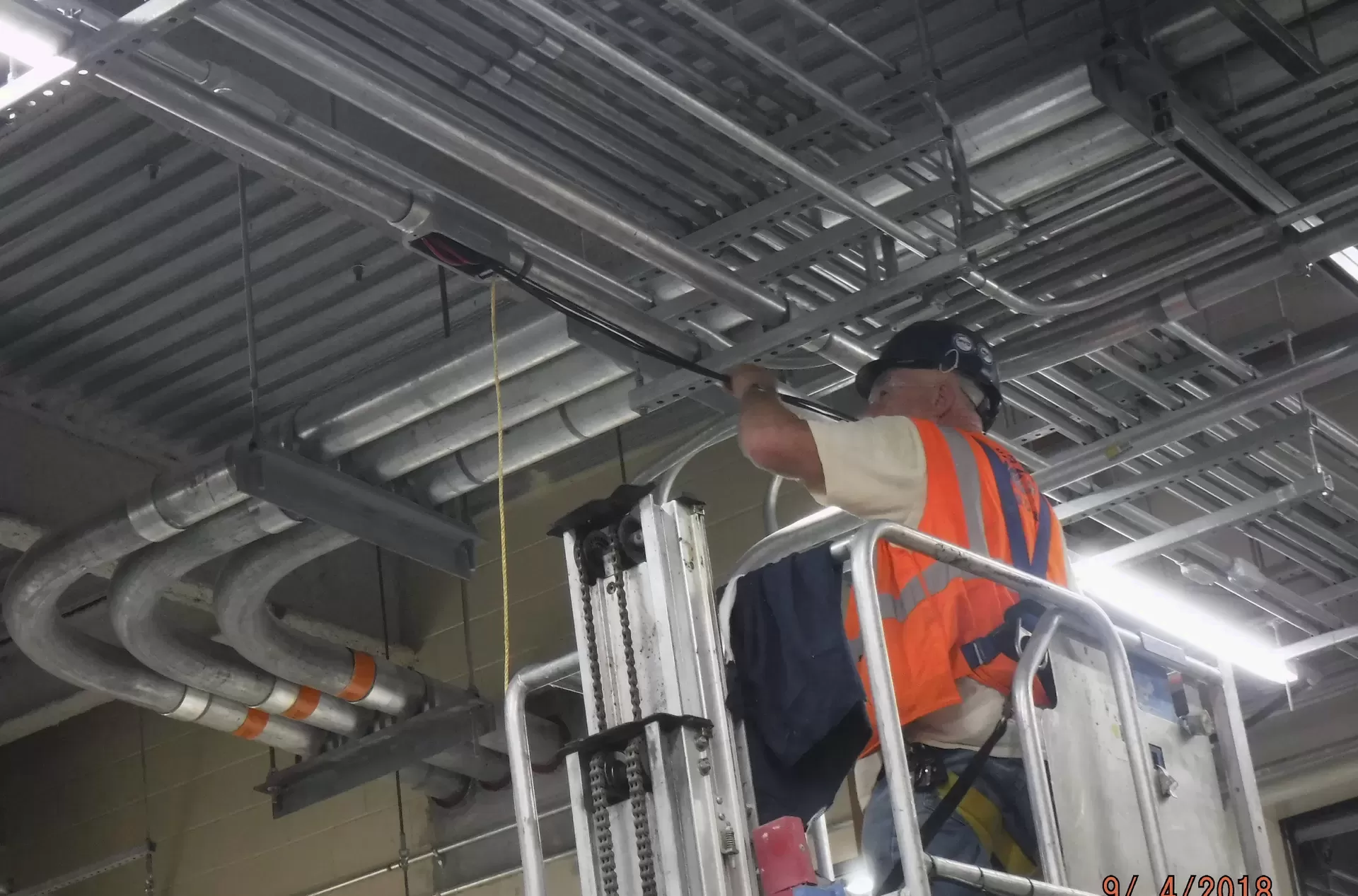
Request a callback
Plan your next electrical maintenance program with KCS
Tell us about the site and the equipment. A licensed electrician reviews it and calls you back.
- ESA/ECRA licence #7014042
- COR certified, ISNetworld, Avetta and ComplyWorks
- Work planned around shutdowns and tenant hours
- Emergency response for maintenance-contract clients
Send your request
We reply during business hours: Open daily, 9 a.m. to 9 p.m.