
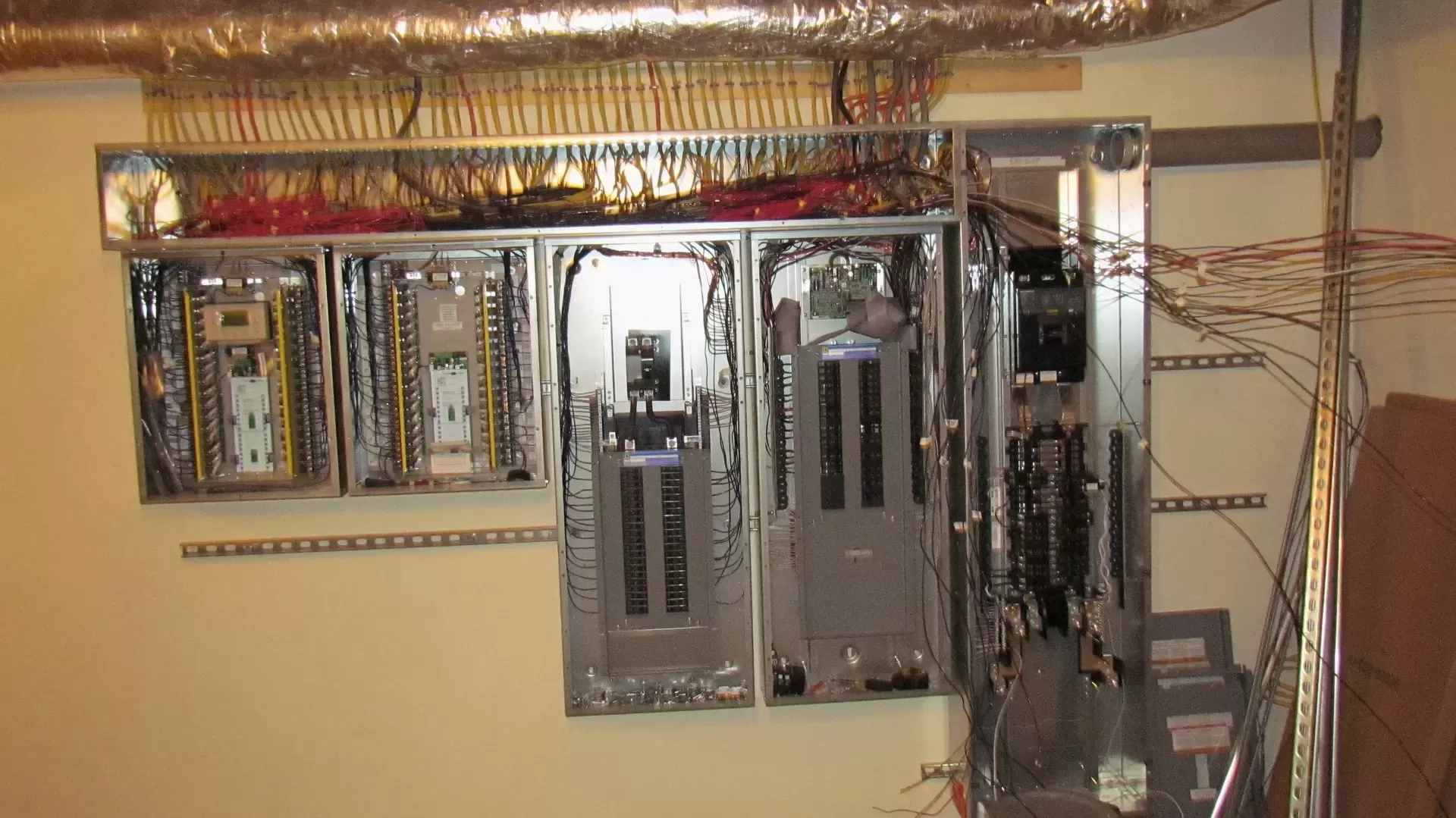
Find the cause, not just the symptom
Industrial Electrical Troubleshooting in Toronto & the GTA
Electrical troubleshooting is the structured search for why a circuit, machine or building system is failing, followed by a safe repair and a test that proves it is fixed. KCS licensed electricians handle electrical fault finding for factories, office and retail properties, and healthcare tenants in Toronto, Peel, York Region and further afield in Ontario.
- ESA/ECRA licence #7014042
- COR certified (IHSA)
- Insured and WSIB covered
- 15 years in business
Request a callback
A licensed electrical contractor calls you back, usually the same business day.
Updated Reviewed by KCS Group licensed electricians
What Does Electrical Troubleshooting Involve?
Electrical troubleshooting means tracing a fault from the symptom you see, such as a trip, a dead circuit or a hot panel, back to the component that caused it, then correcting it and confirming the result. Resetting a breaker until it holds is not troubleshooting; finding out why it opened is.
On industrial and commercial sites the symptom is often far from the cause. A motor that trips on overload may have a failing bearing, a single-phasing supply, a loose termination in the MCC bucket or a setting that was changed during the last changeover. A tenant who loses power may be looking at a damaged feeder two floors away. Good fault finding works through those possibilities in order, with measurements rather than guesses.
KCS treats each call as a small investigation: gather the history, make the area safe, test, isolate, repair, retest and write down what was found. That record matters, because a fault that is fixed without being understood tends to come back.
Common Electrical Faults and What Usually Causes Them
Most electrical faults fall into a few families: short circuits, ground faults, open circuits and overloads, plus heat-related failures at connections. The table shows how symptoms on site tend to map to causes and how we test for them.
| Symptom | Likely causes | How we check |
|---|---|---|
| Breaker trips instantly on closing | Short circuit or ground fault downstream, damaged cable, failed load | Isolate sections, insulation resistance testing, visual inspection of terminations |
| Breaker trips after running for a while | Overload, phase imbalance, high-resistance connection, failing breaker | Load readings on each phase, thermal scan under load, breaker trip test |
| Ground fault relay or GFCI keeps operating | Moisture, damaged insulation, leakage from equipment | Insulation tests by circuit, inspection of wet or washdown areas |
| Motor will not start or trips on overload | Lost phase, winding fault, control circuit fault, mechanical binding | Supply voltage per phase, winding and insulation tests, control circuit checks |
| Lights flicker or equipment resets | Loose neutral or connection, voltage drop, shared circuits | Voltage under load, torque check of connections, circuit tracing |
| Hot or discoloured panel cover | Loose lug, undersized conductor, overloaded breaker | Thermal imaging, load readings, inspection after safe isolation |
Heat damage deserves extra care. Once a lug has run hot, arcing can pit the threads and the mating surfaces, so a quick retighten may leave the fault in place; damaged hardware is usually replaced.
Our Electrical Fault Finding Method
We use the same sequence on every call, whether the problem is one circuit in a dental office or a production line that will not restart. Working in order prevents the common mistake of replacing parts until the fault happens to go away.
- History first. When did it start, what changed, what alarms or trips occurred, and has it happened before? Operators and maintenance staff often hold the key clue.
- Make it safe. Isolation points are confirmed, locks and tags go on, and a tester proves each conductor is dead before hands go near it.
- Divide the system. The fault is narrowed down by splitting the circuit into sections and testing each one, starting from the protective device that operated.
- Readings over hunches. Insulation resistance, continuity, voltage, current and thermal readings tell us which section is at fault.
- Find the root cause. A burnt conductor is a result. We look for what overheated it: loose hardware, overload, vibration, moisture or a design issue.
- Repair and retest. After the repair, the circuit is tested before re-energizing and checked again under load.
If the evidence points to a component that needs a manufacturer's repair, we say so and coordinate with your supplier rather than guess at a fix.
Troubleshooting Safely Under Ontario Rules
Once a fault has been located, the repair is done de-energized: isolate, lock, tag, verify. Our written procedures are built on O. Reg. 851 for industrial establishments and on CSA Z462 for workplace electrical safety.
Under section 42 of the regulation, every electrician on the job checks the lockout personally before starting, and the employer must have the procedure in writing. Each tag we hang is non-conducting and identifies who applied it, when, and why. For the rare task where isolation cannot be achieved, section 42.1 shifts the protection to insulating equipment such as rated gloves, mats and barriers, used under a defined procedure.
Some diagnosis has to happen with equipment energized, because voltage and current readings only exist when the circuit is live. That work is planned: the hazard is assessed, the correct protective equipment is worn, and test instruments rated for the location are used. CSA Z462 also calls for absence of voltage to be confirmed at each point of work before it is treated as de-energized. Your site's arc flash study and labels tell our electricians what incident energy to expect at each piece of equipment.
Industrial Electrical Troubleshooting on Production Equipment
In plants, troubleshooting usually centres on motors, motor control centres, drives and control circuits, where a fault stops a line rather than a single outlet. Speed matters, but so does making sure the line does not stop again an hour later.
Typical industrial calls include:
- Motors that trip, overheat, hum without starting or draw unbalanced current.
- MCC buckets with failed starters, overload relays or control transformers.
- Control circuits with intermittent interlocks, failed limit switches or damaged wiring in moving cable tracks.
- Feeders that trip under peak load after new equipment was added.
- Ground faults in washdown, freezer or outdoor areas.
When a motor is suspected, insulation and winding tests show whether it can go back into service. Details are on our motor electrical testing and MCC maintenance pages. Plants that see repeat faults on the same equipment often move to a planned program of factory electrical maintenance, which catches many of these problems before they stop production.
Fault Finding in Commercial Buildings and Clinics
In commercial buildings the challenge is usually access and coordination rather than heavy equipment: tenants, shared electrical rooms, and panels that have been modified by several contractors over the years. We work with the property manager to reach the right rooms with the least disruption to occupants.
Frequent building calls include tenant circuits that trip after a fit-out, rooftop units that lose a phase, emergency lighting circuits that fail their monthly test, parking garage lighting faults caused by water, and main breakers that have started to run warm. Each one is traced back through the panel schedule, which we correct where it no longer matches the field.
Clinics bring their own considerations. Sterilizers, compressors and imaging equipment often need dedicated circuits sized to the manufacturer's installation data, and some areas are classified as patient care areas under Section 24 of the electrical code, which affects how circuits are installed and bonded. When a clinic circuit keeps tripping, we check both the fault and whether the circuit suits the equipment connected to it.
For property managers who see the same building issues every year, planned commercial electrical maintenance usually costs less disruption than repeat service calls.
Electrical Fault Detection Tests We Use
Electrical fault detection relies on a handful of tests, chosen to suit the symptom. Each test answers a specific question, and together they let us confirm the cause rather than infer it. Where a test has a counterpart in ANSI/NETA MTS, we run it to that maintenance testing specification and read the result against its limits.
- Insulation resistance: finds damaged or wet insulation on cables, motors and transformers, and locates the section where a ground fault lives.
- Continuity and resistance: confirms open circuits, broken conductors and failed fuses or contacts.
- Contact resistance: a micro-ohm measurement that shows worn breaker contacts or poor bus joints.
- Thermal imaging: shows connections and components running hotter than their neighbours while the circuit carries load. Our Level II thermographers carry out electrical thermography as a standalone service as well.
- Breaker testing: secondary injection checks a trip unit; primary injection passes current through the whole breaker and its sensors, checking the full trip path. See circuit breaker testing.
- Load and voltage readings: phase currents and voltages under normal operation reveal imbalance, overload and voltage drop.
Intermittent Faults and Nuisance Tripping
Intermittent faults are the hardest to find because they are often absent when the electrician arrives. The approach is to capture the conditions when the fault happens, then reproduce or narrow them.
We start by logging when trips occur: time of day, which equipment was running, weather, and any process changes. Patterns such as trips only on cold mornings, during washdown or when two large loads start together point toward moisture, temperature or inrush problems. Thermal scans at peak load can expose a connection that only overheats when the plant is busy.
Repeated ground fault trips deserve prompt attention. Section 44.2 of O. Reg. 851 does not allow a dangerous ground fault to sit unresolved, and so-called nuisance trips are sometimes the first sign of insulation giving way. Raising a trip setting to stop the nuisance is not a fix, and we will not do it without understanding the cause and confirming the setting suits the equipment.
After the Repair: ESA Notification and Your Records
Once the fault is fixed, the work is documented and, where required, reported to the Electrical Safety Authority. ESA's position is that wiring work on an installation needs a notification, and filing it is the licensed contractor's job, so it is part of our closeout.
A different path applies when the faulty item is certified equipment that goes back to its maker or the maker's agent for repair: if nobody alters the branch-circuit wiring, ESA does not expect a wiring notification. We will tell you which path your repair follows.
You receive a short service report that covers:
- The symptom reported and the conditions at the time.
- Tests carried out, with readings.
- The root cause found, with photos or thermal images where useful.
- The repair completed and the post-repair test results, with any new breaker or component checked to ANSI/NETA ATS before it goes back into service.
- Recommendations to stop it happening again, such as a scan, a test or a design change.
Over time these reports build a fault history that feeds predictive electrical maintenance and helps decide where planned work will pay off.
Response for Contract Clients and Scheduled Calls Across the GTA
Emergency calls are part of every KCS maintenance agreement. Everyone else is booked into our regular daily hours, listed on the contact page, usually with the first available crew.
Our crews leave from Aurora and work all over Ontario, with frequent calls in Toronto, Vaughan, Richmond Hill and Aurora and Newmarket. Facility teams can verify ESA/ECRA licence #7014042 online, and our COR certificate, insurance certificate, WSIB clearance and prequalification records on ISNetworld, Avetta and ComplyWorks are available on request.
When you call, it helps to have the equipment name, what happened, any alarm or trip indication, and whether the problem has occurred before.
What to expect
How a troubleshooting call runs
Tell us the symptom
Describe what failed, when, and what changed. Photos of trip indicators or nameplates save time on site.
Safe diagnosis
Our electrician isolates, locks out and tests section by section until the faulty part of the system is found.
Repair on the spot
Common parts and conductors are replaced during the visit where possible; specialist parts are ordered with your approval.
Test and report
The circuit is proven before and after re-energizing, and you receive a written note of the cause and the fix.
Stop repeat faults
Services that prevent the next call
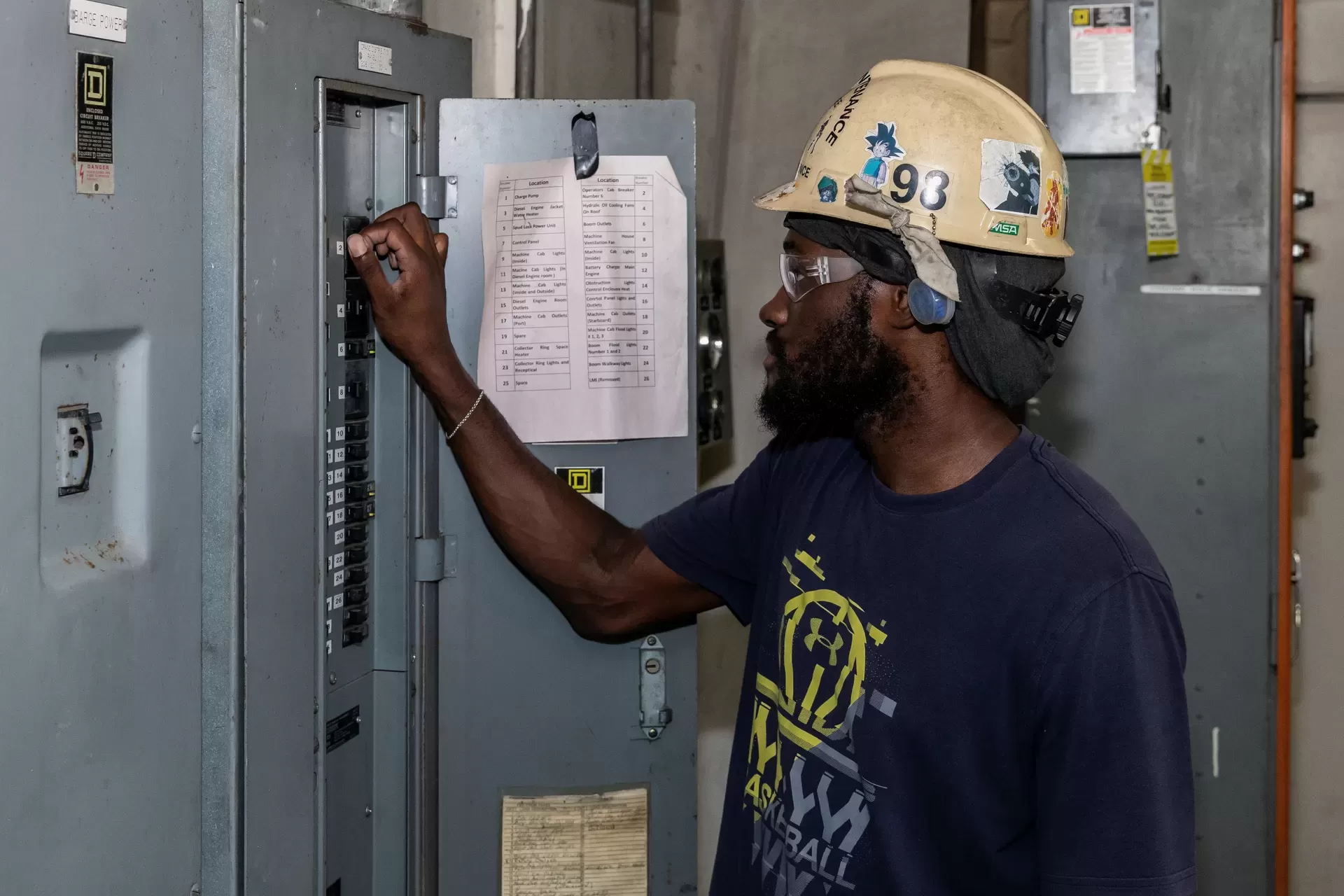
Electrical Panel Inspection
Inspection and maintenance of panelboards and disconnects before loose parts fail.
Learn more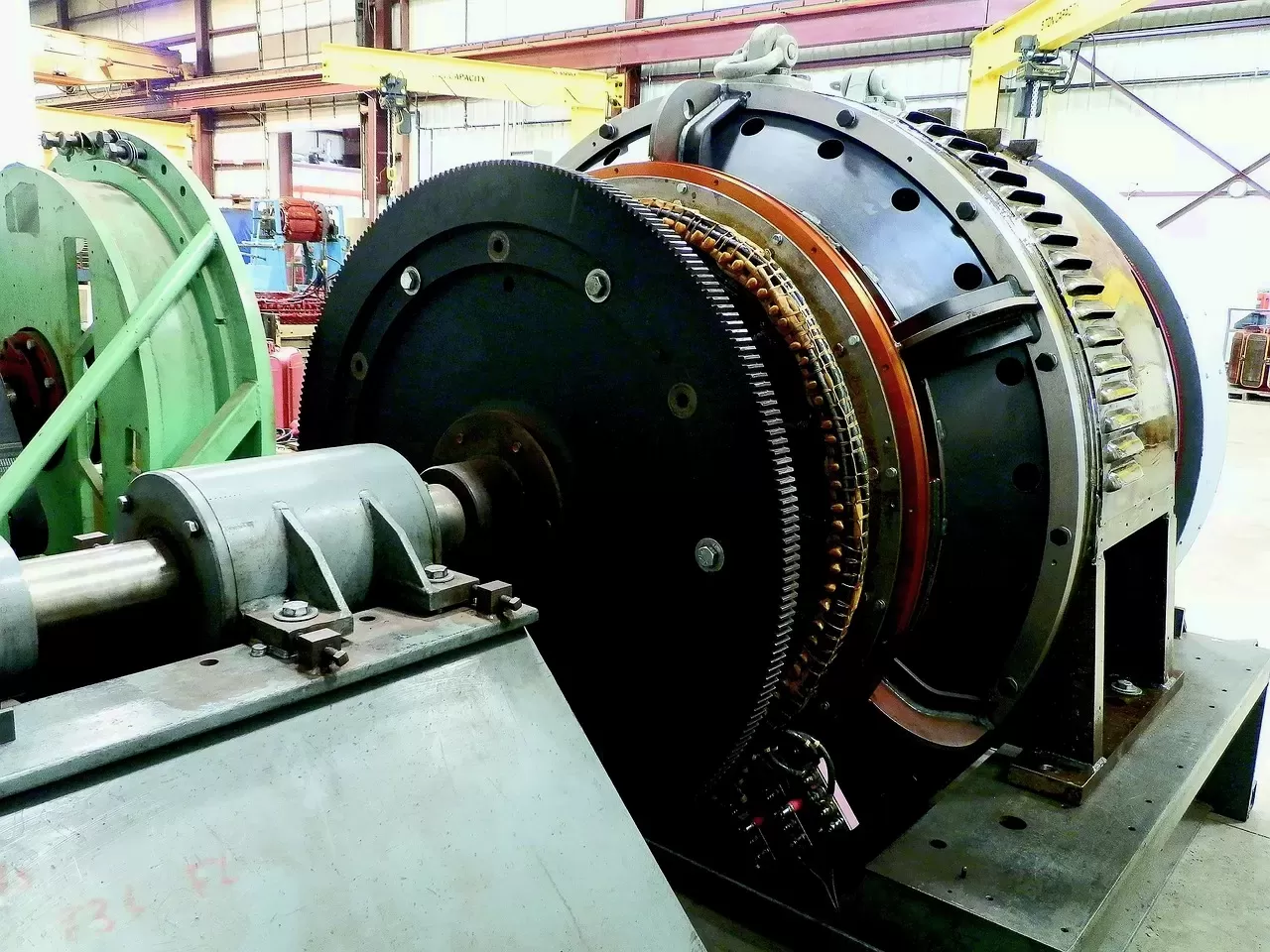
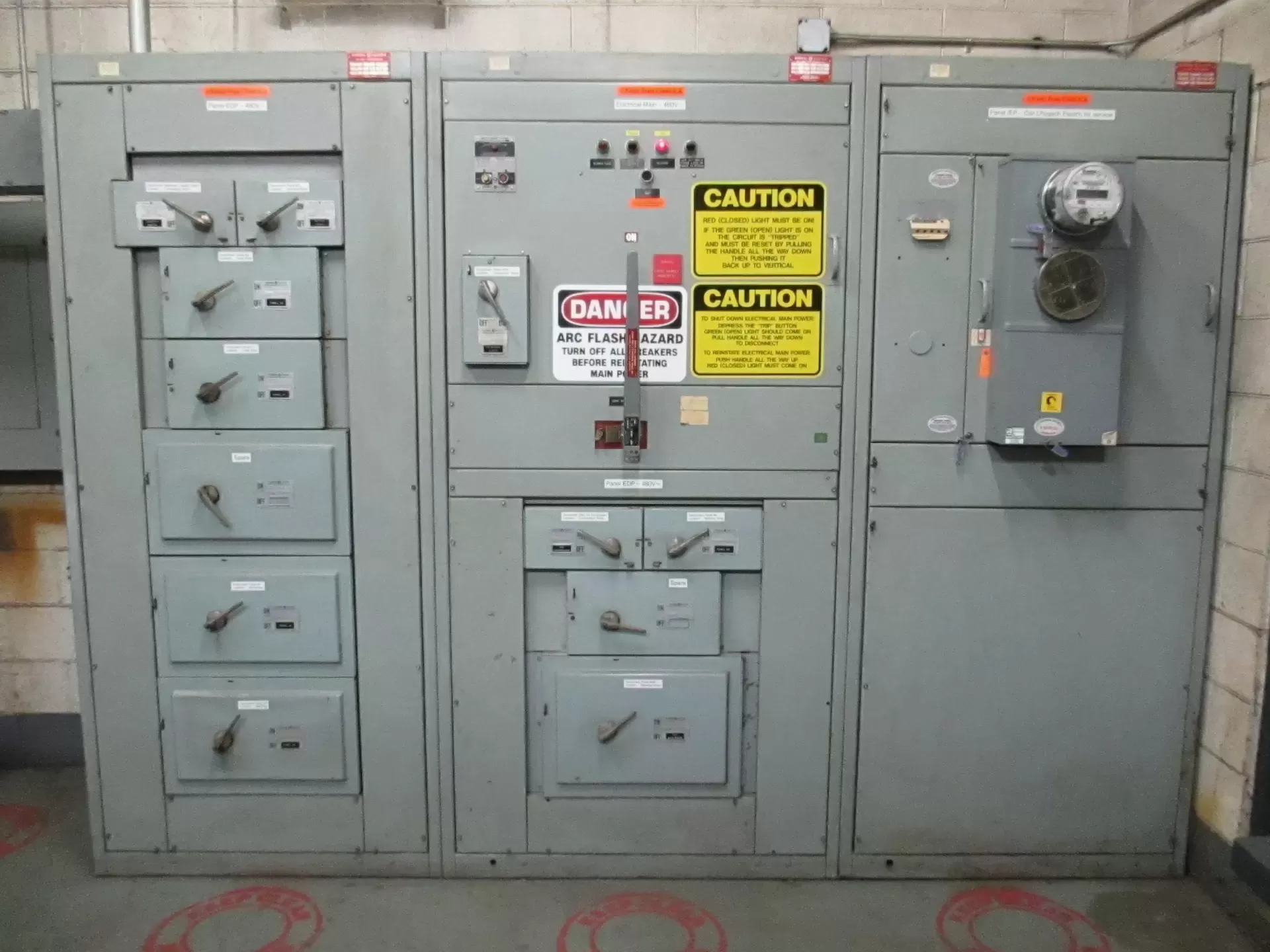
Electrical Preventive Maintenance
Scheduled cleaning, torque checks and testing across your distribution system.
Learn moreQuestions
Frequently asked questions
Troubleshooting basics
What does electrical troubleshooting mean for a commercial or industrial building?
It is the process of tracing an electrical problem from the symptom, such as a trip, outage or overheating, to the component that caused it, then repairing it and testing to prove it is fixed. On commercial and industrial sites it also includes understanding why the part failed, so the same fault does not return.
What are the main steps in troubleshooting an electrical fault?
Gather the history, isolate and lock out the equipment, prove it dead with a tester, divide the circuit into sections, test each section, identify the root cause, repair it, and retest before and after re-energizing. Writing down what was found completes the job and gives the next technician a head start.
Does electrical troubleshooting include the repair as well as diagnosis?
With KCS, yes. Our licensed electricians diagnose the fault and, in most cases, repair it during the same visit. Where a specialist part or a manufacturer's repair is needed, we explain the finding, get your approval, and return to complete and test the work. The visit ends with a written note of cause and fix.
What are the most common types of electrical faults in buildings and plants?
The common families are short circuits, ground faults, open circuits and overloads, along with heat damage at loose or corroded connections. In plants, motor and control circuit faults are frequent. In commercial buildings, overloaded tenant circuits, loose neutrals and failing breakers are typical causes of repeat calls.
Fault finding
How do electricians find a short circuit in an industrial distribution system?
They start at the protective device that tripped, isolate the circuit and split it into sections. Insulation resistance and continuity tests on each section show where the fault lies. A visual inspection of terminations, cable routes and connected equipment then confirms the damaged part before repair and retest.
Why does my breaker trip only after the equipment has been running?
A delayed trip usually points to overload, phase imbalance, a high-resistance connection that heats under current, or a breaker that is drifting out of calibration. We take current readings on each phase, scan the panel under load and, if needed, test the breaker. Replacing the breaker alone often misses the real cause.
How do you find a fault that only happens occasionally?
We log when the fault occurs and what was running, then look for a pattern linked to time, weather, process steps or load. Thermal scans at peak load and insulation tests in wet areas often reveal the cause. Where the fault cannot be reproduced on the first visit, a planned follow-up is arranged.
Can thermal imaging help detect electrical faults before they cause a trip?
Yes. Connections and components that are degrading usually run hotter than similar parts under the same load, and a thermal camera shows that difference while equipment stays in service. It is most effective as part of planned inspections, and our Level II thermographers report each exception with load and temperature data.
Safety and rules
Is live troubleshooting allowed under Ontario regulations?
Some readings, such as voltage and load current, only exist on a live circuit, and O. Reg. 851 treats equipment testing and troubleshooting as a recognised activity with its own provisions. Live diagnosis still runs under written procedures with rated protective equipment and instruments. The repair itself is then carried out with the supply isolated, locked and tagged.
Do electrical repairs after troubleshooting need an ESA notification?
Usually it does. ESA expects a notification for wiring work on an installation, filed by the licensed contractor who did it. Factory repairs to certified equipment, where the branch-circuit wiring is left untouched, follow a different rule. We confirm which applies to your repair and file it when the work is ours.
Why should a repeated ground fault trip be investigated right away?
Repeated ground fault trips can signal insulation breaking down, water entry or damaged cable, and section 44.2 of O. Reg. 851 calls for a hazardous ground fault to be found and cleared promptly. Raising a trip setting or bypassing protection to stop nuisance trips hides the problem and increases risk to people and equipment.
Industrial equipment
Can you troubleshoot motor control centres and motor starters?
Yes. We check supply voltage on each phase, starter contacts, overload relays, control transformers and control wiring in the bucket, then test the motor itself if the fault is downstream. Any bucket that shows heat damage is inspected after isolation, since damaged stabs and terminations often need replacement rather than tightening.
What information should we have ready before calling for electrical troubleshooting?
The equipment name and location, what happened and when, any trip flags, alarm codes or relay targets, recent changes such as new equipment or maintenance, and whether the problem has happened before. Photos of the nameplate and the tripped device are helpful. A current single-line diagram, if you have one, saves time on larger sites.
Working with KCS
Do you offer emergency electrical troubleshooting outside business hours?
We reserve after-hours emergency calls for maintenance contract holders, since our crews already hold the drawings and access details for those sites. Without a contract, troubleshooting is booked into our normal daily schedule. Phone (647) 979-0549 to arrange a visit; toll-free callers can use (866) 845-8064.
Do you troubleshoot electrical problems in medical and dental clinics?
Yes. Clinics often call about tripping circuits for sterilizers, compressors or new equipment. We trace the fault, check that circuits match the equipment's requirements and the clinic's patient care area classification, and repair as needed. See our dental office electrician and medical clinic electrical pages for more.
Which GTA cities do your troubleshooting electricians cover?
Most calls come from Toronto, Vaughan, Newmarket, Brampton, Markham, Mississauga and Richmond Hill, and we take sites further out in Ontario by arrangement. Working out of Aurora keeps travel short for York Region and the northern half of the GTA.
Related services
Related services
Electrical Panel Inspection
Panelboard, switchboard and disconnect switch inspection with thermal scans, torque checks and a written condition report.
View serviceMotor Electrical Testing
Insulation, winding and running tests on plant motors, trended over time so failing windings show up before a line stops.
View service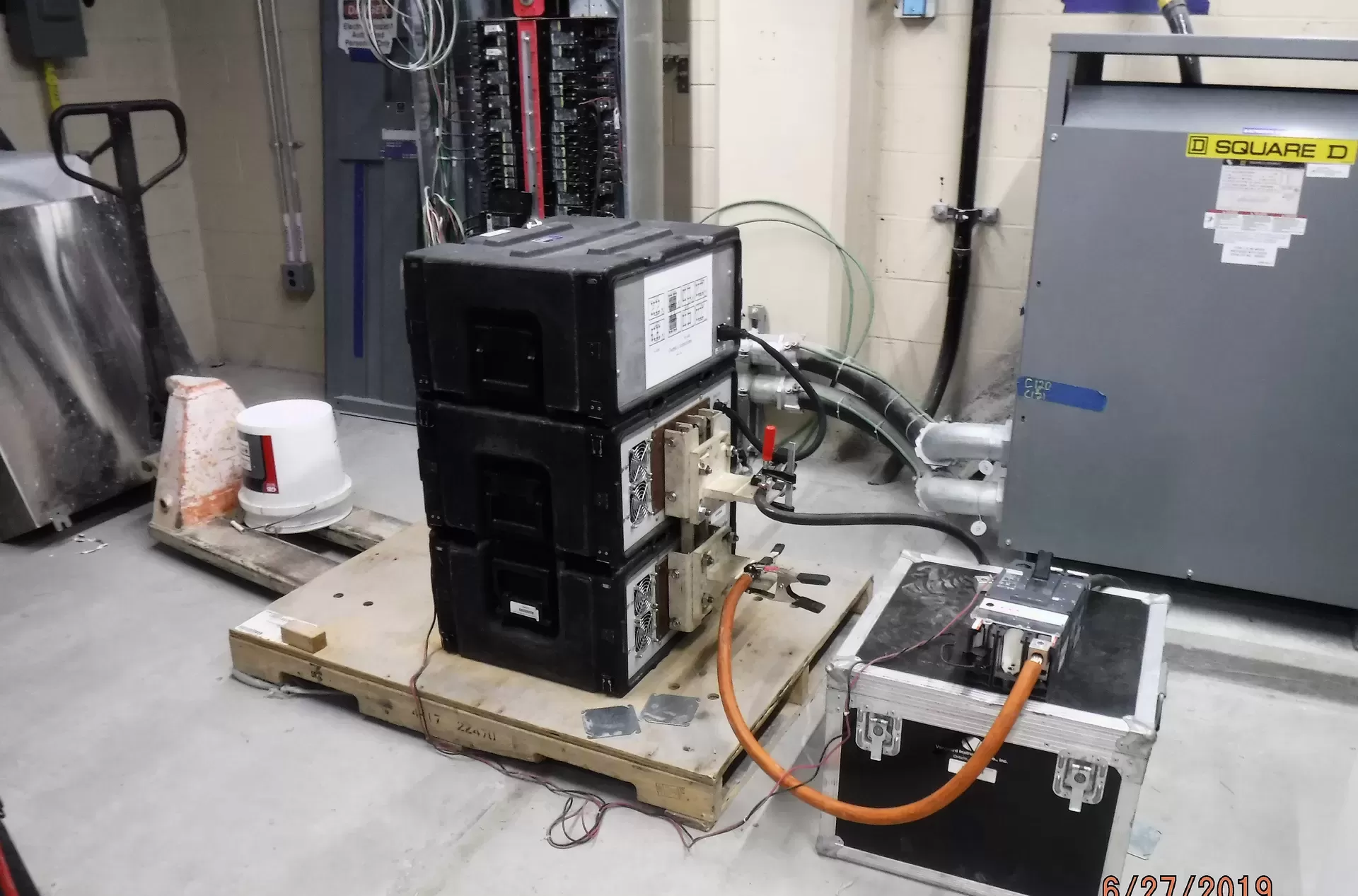
Circuit Breaker Testing
Trip, timing, contact resistance and mechanism checks that prove each breaker will open when a fault demands it, from 15 A branch breakers to drawout power breakers.
View service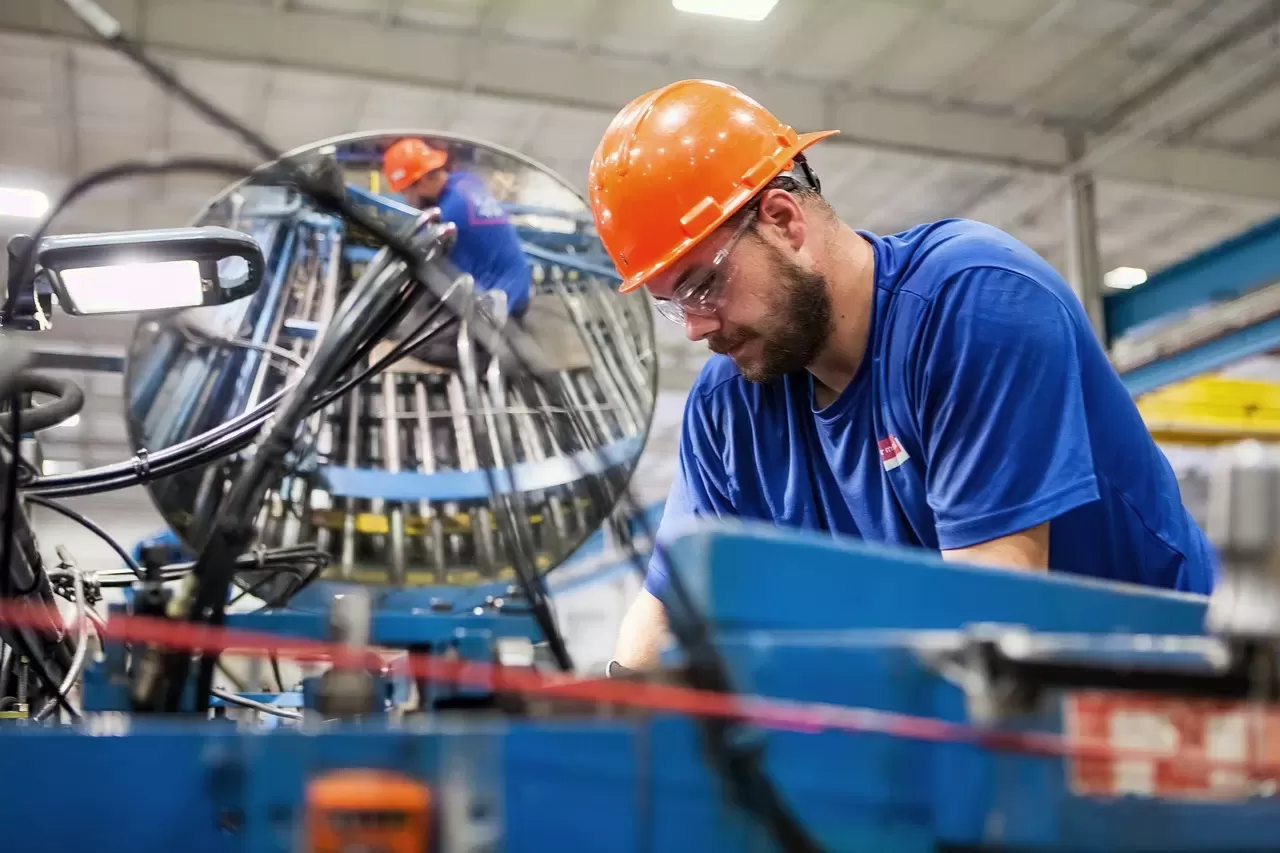
Industrial Electrical Services
Industrial electricians for GTA plants: repairs, machine hookups, troubleshooting and shutdown work under a COR certified safety program.
View service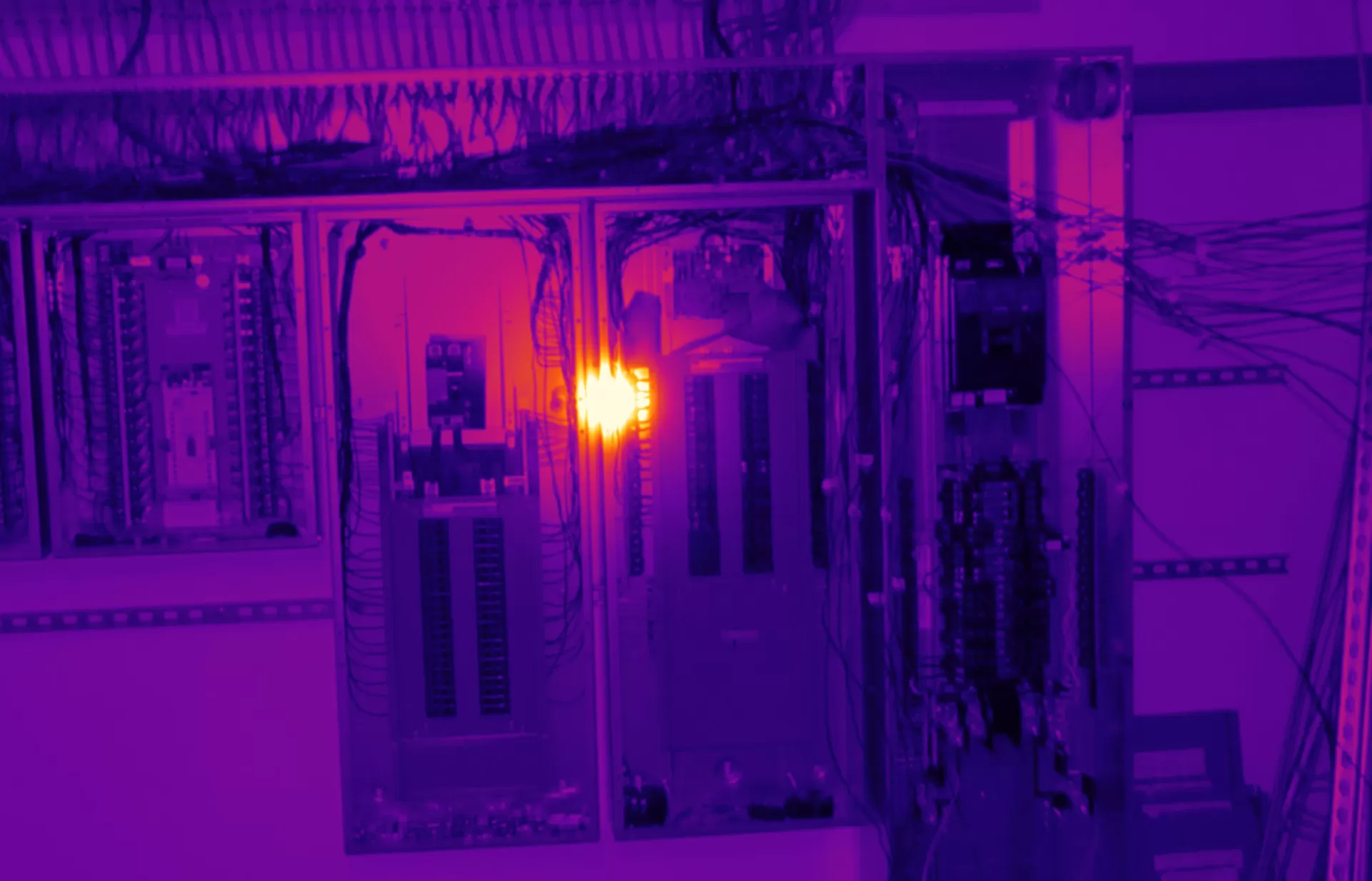
Infrared Electrical Thermography
Thermal scans of energized switchgear, panels and motor controls by Level II thermographers, with rated findings and repairs by licensed electricians.
View service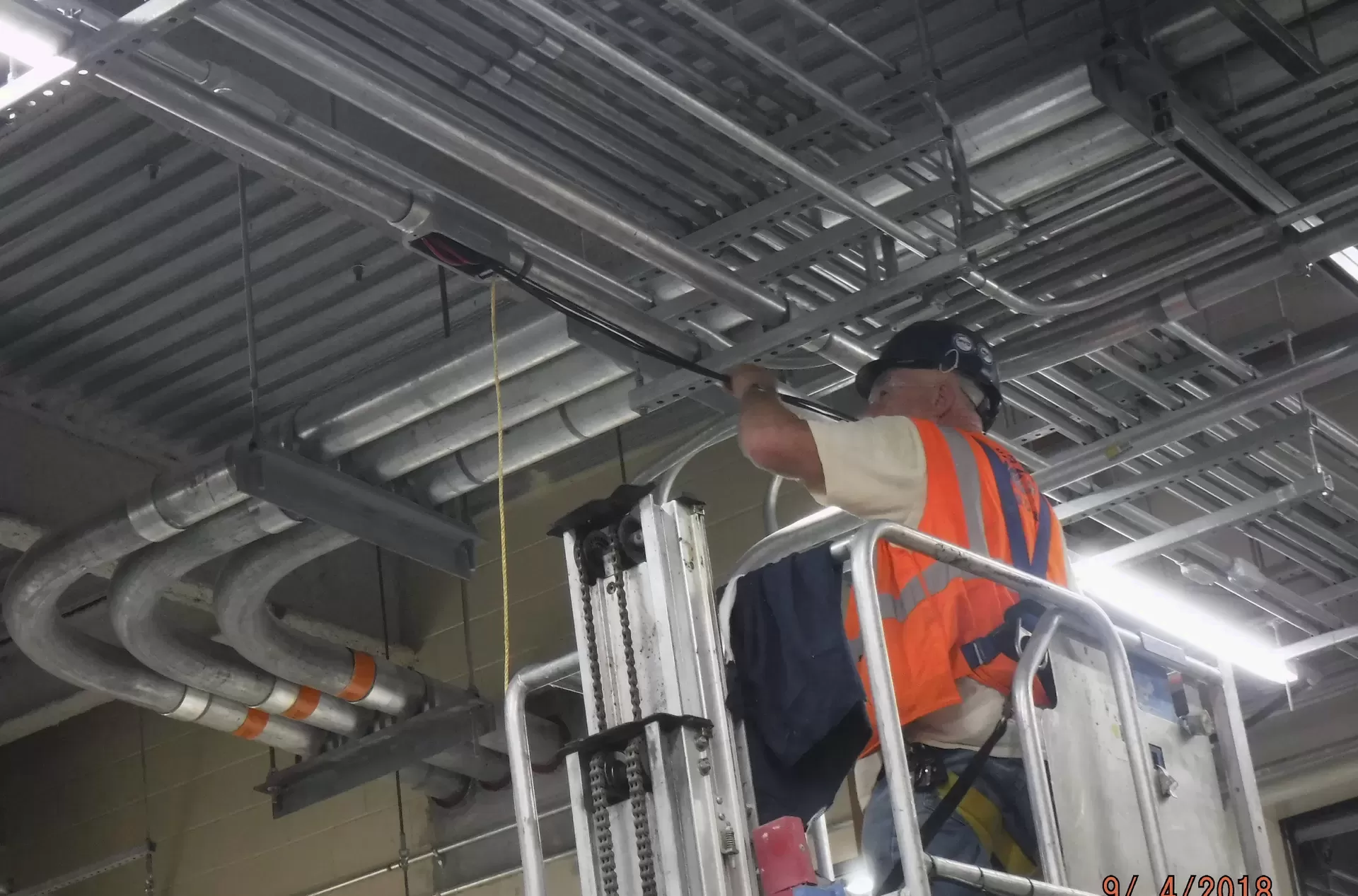
Predictive Electrical Maintenance
Condition monitoring and trended test data that show which electrical equipment is degrading, so repairs happen before a failure.
View serviceRequest a callback
Plan your next electrical maintenance program with KCS
Tell us about the site and the equipment. A licensed electrician reviews it and calls you back.
- ESA/ECRA licence #7014042
- COR certified, ISNetworld, Avetta and ComplyWorks
- Work planned around shutdowns and tenant hours
- Emergency response for maintenance-contract clients
Send your request
We reply during business hours: Open daily, 9 a.m. to 9 p.m.