
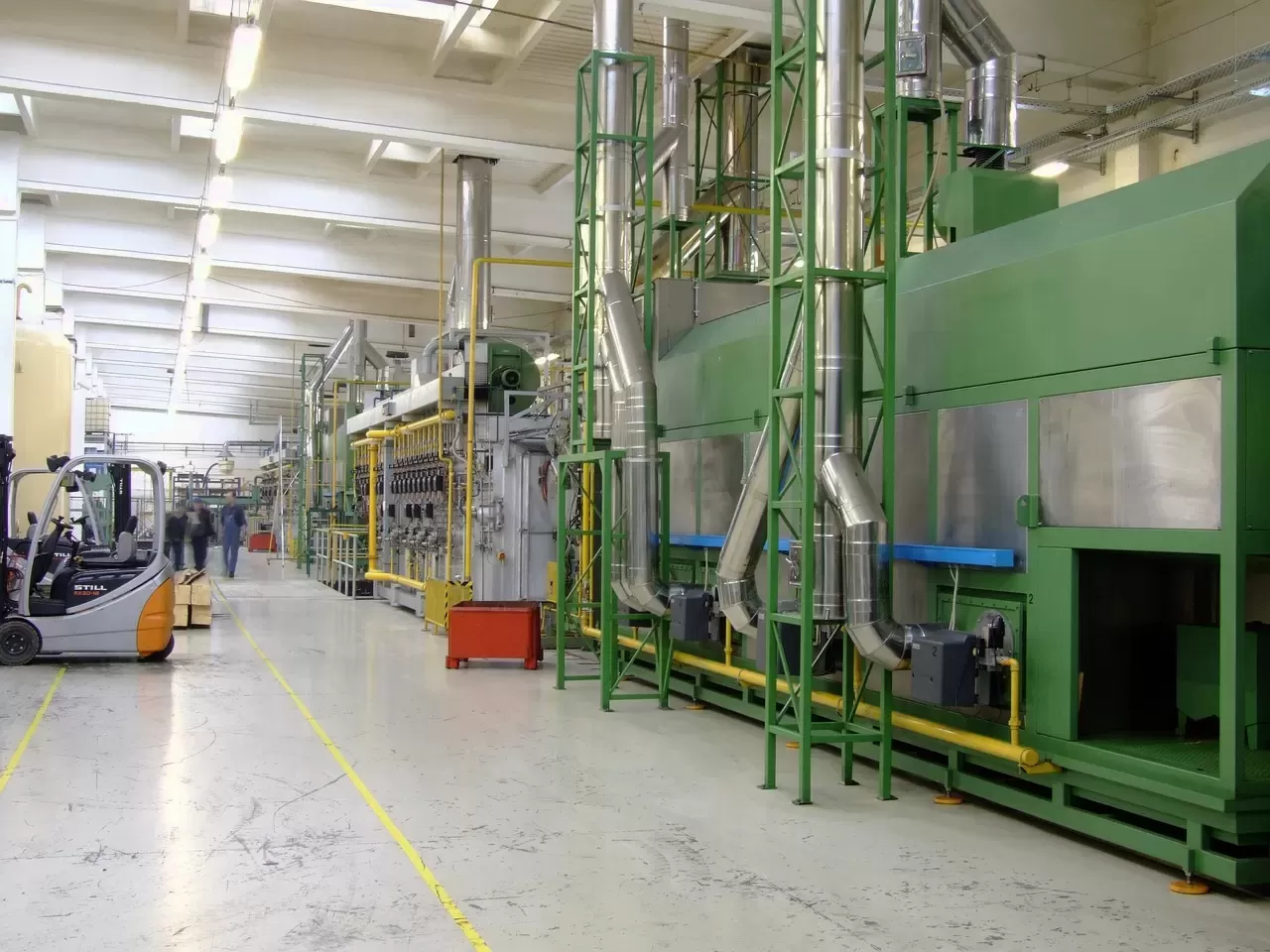
Factory maintenance programs and shutdowns
Industrial Electrical Maintenance for Factories in Toronto & the GTA
Planned maintenance for factory switchgear, motor control centres, transformers, panels and motors, with offline work fitted into your shutdown calendar. We are an ESA/ECRA licensed contractor (#7014042) and build every program on CSA Z463.
- CSA Z463 programs
- Level II thermographers
- COR certified (IHSA)
- ESA/ECRA #7014042
Request a callback
A licensed electrical contractor calls you back, usually the same business day.
Updated Reviewed by KCS Group licensed electricians
What Does Industrial Electrical Maintenance Cover in a Factory?
Industrial electrical maintenance means servicing a factory's power equipment on a schedule, inspecting, cleaning, tightening and testing it so failures are found while they are still small jobs. In a factory it reaches from the incoming service to the last machine disconnect on the floor.
A factory program usually includes:
- Main switchgear and switchboards, including the service entrance and main breaker.
- Distribution transformers, from the larger dry-type units in electrical rooms to the small ones on the floor.
- Motor control centres, bucket by bucket.
- Panelboards and disconnect switches that feed machines and plant services.
- Motors on critical processes, from conveyors to compressors and pumps.
- Power and moulded-case breakers that protect feeders and large loads.
- Busway, cable tray, feeders, grounding and bonding.
- Emergency generators, transfer equipment and the circuits they back up.
Factory equipment wears faster than the same gear in an office tower. Process heat, vibration, oil mist, dust and washdown water all attack connections and insulation, and motor loads start and stop many times a shift. A plant program is written around those conditions rather than borrowed from a building checklist.
CSA Z463 and NFPA 70B in a Factory Maintenance Plan
We build factory programs on CSA Z463 (Canada's national standard for electrical system maintenance) and cross-reference NFPA 70B where your corporate engineering group or insurer asks for it. Both describe a documented program, not a one-time visit. The tests inside that program follow ANSI/NETA MTS (Maintenance Testing Specifications for Electrical Power Equipment and Systems, 2023 edition), and equipment added during a shutdown is checked to ANSI/NETA ATS (2025 edition) before it goes into service.
CSA Z463:24, the third edition, came out in January 2024 as a full standard; many points that the earlier guideline only advised are now requirements, and its first aim is protecting workers and the public. NFPA 70B made the same shift from recommended practice to standard in its 2023 edition.
NFPA 70B ties how often equipment is serviced to an equipment condition assessment that weighs three things:
- Physical condition: what the inside of the equipment looks like and how earlier tests went.
- Criticality: what a failure would do to people, product and the production plan.
- Operating environment: dust, moisture, heat, vibration and corrosive air around it.
Whichever of the three scores worst decides the schedule. Neither document is Ontario law by itself; the OESC and O. Reg. 851 are. In practice the standards are how a plant shows its maintenance is reasonable and complete when an insurer, auditor or corporate safety group asks.
How Plant Conditions Change Maintenance Frequency
Clean, lightly loaded equipment in a dry electrical room can go several years between full services, while equipment on the production floor in dust, heat or washdown often needs yearly attention. The condition rating, not the calendar, sets the interval.
Table 9.2.2 in NFPA 70B's 2023 edition puts a thermal survey of energized equipment at once a year for most equipment and every six months for the worst-rated equipment. Cleaning and electrical testing of switchgear, MCCs, breakers and panels ranges from five years for equipment in good condition to every year for the harshest or most critical. The 2026 edition is now current, so we confirm intervals against the edition your program references, and manufacturer instructions still apply where they ask for more.
| Factory condition | Typical example | Effect on the schedule |
|---|---|---|
| Clean, dry electrical room, moderate load | Main switchboard in a separate room with filtered air | Longer cycles for cleaning and testing, yearly thermal survey |
| Dust, flour or fibre in the air | MCCs and panels on a bakery, woodworking or packaging floor | Shorter cleaning cycles, more frequent visual checks of filters and seals |
| Moisture or washdown | Panels and disconnects near sanitation zones or cooling towers | More frequent enclosure, seal and corrosion checks |
| Heat and vibration | Equipment beside ovens, presses, kilns or compressors | More frequent torque verification and thermal surveys |
| High criticality | Feeder to a bottleneck line or a single-source compressor | Shortest cycle, and testing scheduled for every planned outage |
| Poor history | Gear with past overheating, repeated trips or no records | Treated as the worst condition until testing shows otherwise |
Production changes move ratings too. Adding a shift, raising line speed or placing a machine beside a heat source can push equipment into a harsher category, so we ask about planned changes at every annual review.
After the first full round of testing we rate each asset, and the ratings, not a fixed template, set the next visit. That is the approach behind our electrical asset management work as well.
Splitting Factory Work Between Running Lines and Shutdowns
The most useful thing a maintenance contractor can do for a factory is sort the work correctly: online tasks while the lines run, offline tasks in the shutdown, and nothing left over that forces an unplanned stop. We agree that split with your maintenance and production leads before the outage date is fixed.
NFPA 70B sorts maintenance tests into online and offline categories, each with a standard and an enhanced level. On a factory floor that works out as:
- While production runs: thermal surveys under load, visual checks with covers closed or through infrared viewing windows, current readings on feeders and motors, and listening and smelling for trouble in electrical rooms.
- During the shutdown: vacuum cleaning of enclosures, torque checks on bolted joints, insulation resistance tests on cables, motors and transformers, breaker trip and contact resistance tests, and mechanism lubrication.
We run the thermal survey a few weeks before the outage. Connections that run hot under real load go to the top of the shutdown list, and parts are ordered ahead so the repair fits inside the window.
Large shutdowns bring several trades into the plant at once: millwrights, mechanical contractors and equipment suppliers. We share our isolation list with your shutdown coordinator so electrical lockouts and mechanical work happen in the right order, and nobody re-energizes a feeder another crew is relying on being dead.
On the day, each isolation point is locked and tagged as section 42 of Reg. 851 requires, every worker confirms the lockout before starting, and the person who applied it keeps the crew updated on its status. Once the plant restarts and load returns, we re-scan the repaired joints to confirm they no longer run hot.
Factory Electrical Inspection Out on the Production Floor
A factory electrical inspection goes past the electrical room to the equipment operators reach for every shift: disconnects, machine panels, cords, receptacles and the conditions around them. Several of the items we check come straight from O. Reg. 851.
- Disconnects that are blocked by stock, unlabelled, or impossible to lock in the off position.
- Machine control panels with missing covers, open knockouts or dust packed around terminals.
- Cord-connected tools and equipment without a grounded casing or double insulation, which section 44 addresses.
- Portable tools used outside or in wet areas without ground fault protection, the subject of section 44.1.
- Ground faults that keep getting reset instead of found; section 44.2 requires a hazardous ground fault to be traced and removed without delay.
- Rooms with exposed live parts missing the warning sign at the door that section 41 calls for, or being used as storage.
- Cable tray, conduit and flexible connections bent by forklifts, cracked by vibration or corroded by washdown.
Each finding is photographed, located on your floor plan and ranked by risk. For a building-wide review that is not part of a maintenance program, see our electrical inspection services.
The Factory Maintenance Report and Records You Keep
Your maintenance manager gets a written report from each visit, one they can work from and an auditor can follow. It shows what was serviced, what was found and what should be fixed first.
- An asset list that matches your single-line diagram and panel schedules.
- The tasks completed on each asset, plus any that could not be done and the reason.
- Measured values, such as insulation resistance, contact resistance and trip times, with the acceptance basis used for each.
- Thermal and visual images of every finding, with the load recorded when the scan was taken.
- A ranked repair list: fix now, fix at the next shutdown, or monitor.
- A condition rating for each asset so intervals can move up or down. NFPA 70B also calls for decals showing equipment condition after maintenance, which we can apply.
- Side-by-side comparison with earlier results so slow changes stand out.
Keep every report. They are the records a CSA Z463 program rests on and the first thing an insurer or auditor will ask to see. Several years of results also make it possible to move toward predictive electrical maintenance, where trends rather than dates decide when equipment is opened.
Emergency Generators and Standby Power in a Plant Program
Standby generators that carry a plant's emergency loads fall under CSA C282, and ESA does not ask for a notification when the work is limited to inspecting and testing them, provided the site keeps its C282 log ready for ESA inspectors.
ESA Bulletin 2-22-3 draws the boundary. Load-bank runs and test-only device swaps sit on the no-filing side; fixing, replacing or moving field devices or their wiring is notifiable work. C282 itself sets three duties: run the set at full load once a year, train the people who operate it, and keep a permanent record book on site.
We add the generator, the transfer equipment and their feeders to the factory program so they are checked on the same cycle as the rest of the distribution system, and so a failed transfer during a utility outage does not come as a surprise.
When a Smaller Plant Needs Less Than a Full Program
A small shop with one service, a handful of panels and no critical process rarely needs a multi-year testing program; a yearly thermal survey and a visual inspection of the electrical room is often a sensible start.
We tell you when that is the case. A right-sized first step might be:
- An industrial thermography survey of all energized distribution equipment.
- A walk-through of panels and disconnects with a short written findings list.
- Offline testing only on equipment that showed a problem or feeds a machine you cannot run without.
As the plant grows or the insurer asks for more, those same records become the base of a full program. Owners comparing plant and building-wide options can read about electrical preventive maintenance programs. Factories in Brampton, Mississauga and Hamilton are part of our regular service area, along with the rest of the GTA.
How a factory program starts
First year of a plant maintenance program
Asset walk-down
Our electricians record each piece of distribution gear and tie it to your drawings.
Thermal survey under load
Energized equipment is scanned during production to find the hot spots first.
Shutdown testing
Offline cleaning, torque and electrical tests are done in your planned outage.
Ratings and schedule
Each asset gets a condition rating that sets its next service date.
Shutdown work
One licensed crew from survey to restart
The electricians who scan your equipment before the shutdown are the ones who repair it during the outage and re-scan it afterward. Nothing is handed off between firms, and the report records the whole sequence.
Questions
Factory electrical maintenance questions
Programs and standards
How often should a factory have its electrical equipment maintained?
It depends on each piece of equipment's condition, criticality and environment. The 2023 NFPA 70B table puts thermal surveys at once a year for most gear, and cleaning and testing range from five years for equipment in good condition to every year for critical or harsh-service gear. We set intervals per asset after the first assessment rather than using one schedule for the whole plant.
What is the difference between industrial electrical maintenance and repair work?
Maintenance is planned work on equipment that is still running, done to find wear before it fails. Repair is unplanned work after something has already tripped, burned or stopped. A maintenance program reduces the number of repair calls and moves the remaining work into planned shutdowns, where parts and people are ready.
Is CSA Z463 maintenance mandatory for factories in Ontario?
CSA Z463 is a national standard rather than an Ontario regulation in its own right. The binding rules for plants are the OESC and O. Reg. 851. Many insurers, corporate safety standards and contracts reference CSA Z463, NFPA 70B or ANSI/NETA MTS, so plants often adopt them to show their maintenance is complete. Check your insurer and corporate requirements.
Do Ontario plants have to follow NFPA 70B?
NFPA 70B is a US consensus standard and is not law in Ontario. Some insurers, US parent companies and corporate engineering groups still require it by contract or policy. When that applies, we map your program to NFPA 70B, using the edition your requirement names, alongside CSA Z463.
What is an equipment condition assessment in a maintenance program?
It is a rating of each asset based on physical condition, criticality and operating environment, used by NFPA 70B to set maintenance frequency. The worst of the three factors drives the interval. We record the rating in the report so you can see why one MCC is serviced yearly while another waits several years.
Shutdowns
How long does a factory electrical shutdown usually take?
The length is set by the amount of gear in scope, the number of isolation points and what the pre-shutdown survey turns up. We plan the scope so it fits the window you can give, and we tell you in advance which tasks will not fit. A good pre-shutdown thermal survey helps keep the outage focused on real findings.
Which electrical maintenance tasks can be done while the line is running?
Thermal surveys under load, visual inspections with covers closed or through viewing windows, and current readings can all be done while equipment runs, under a documented procedure. Cleaning, joint tightening, insulation tests and breaker trip tests can only happen with the gear isolated and locked, which is why they are booked into planned shutdowns.
Why run a thermal scan before a planned factory shutdown?
A scan under normal load shows which connections are actually running hot, so the shutdown is spent fixing them instead of searching. Parts can be ordered ahead and the repair list ranked before the plant stops. After restart, we re-scan the repaired joints to confirm the temperature rise has gone.
Can you schedule electrical work during our annual plant shutdown or on weekends?
Yes. Shutdown and weekend work is how most factory maintenance gets done, and we book crews around your calendar. Tell us your shutdown dates as early as you can, so the site walk, pre-shutdown survey and parts orders can be done in time.
Inspections and records
What does a factory electrical inspection check on machines and disconnects?
We check that disconnects are accessible, labelled and lockable, that machine panels are closed and clean, that cords and tools are grounded or double insulated, and that wet-area tools have ground fault protection, all points addressed in Reg. 851. We also look for damaged conduit and cable tray, and for ground faults that keep being reset.
What records should a plant keep from electrical maintenance work?
Keep every maintenance report, test result and thermal image, along with current single-line diagrams and panel schedules. These records show what was done and when, support trend analysis, and are what insurers, auditors and corporate safety teams ask for. We deliver reports in a format that is easy to file by asset and by year.
Will a maintenance report help with our insurance renewal?
It can support it. A report showing scheduled thermography, testing and completed repairs gives your broker and insurer evidence that the electrical system is being maintained. What each insurer asks for varies by policy, so check their requirements with your broker. We can format findings and repair confirmations to match a specific request.
What happens when a test result fails during the shutdown?
We tell your maintenance lead right away and explain the risk. Where the repair fits in the window and parts are available, we fix and retest it before restart. Where it does not, we agree a safe interim measure, record the finding as an open item and plan the repair for the earliest opportunity.
Equipment
Do you maintain motor control centres and drive cabinets?
Yes. MCCs are a core part of factory programs: we inspect buckets, stabs, starters and overloads, check connections and clean enclosures. For drives, we service the supply wiring, enclosures, cooling and connections and include them in thermal surveys, while repairs inside the drive itself are usually done by its manufacturer or service agent.
Are emergency generators part of a factory maintenance program?
They should be. A yearly full-load run, trained operators and a log that stays on site are what CSA C282 expects of a standby set. Testing alone is not notifiable under ESA Bulletin 2-22-3 when that log is available, whereas fixing field wiring or devices is. We put the set and its transfer switch on the same plant schedule as everything else.
Does ESA need a notification for routine electrical maintenance?
It depends on the task. ESA treats work on an electrical installation as notifiable, with a few exceptions; load testing a standby generator while its C282 log is kept on site is one of them. We review your maintenance scope, identify which tasks need a notification and file it as the licensed contractor.
Do you offer emergency response to plants on a maintenance contract?
Yes, for contract plants only, because their equipment records, isolation points and site rules are already in our files. That makes an urgent call faster and safer. Plants without a contract can still phone our office to book a regular service visit, which is scheduled as crews become free.
Related services
Related services
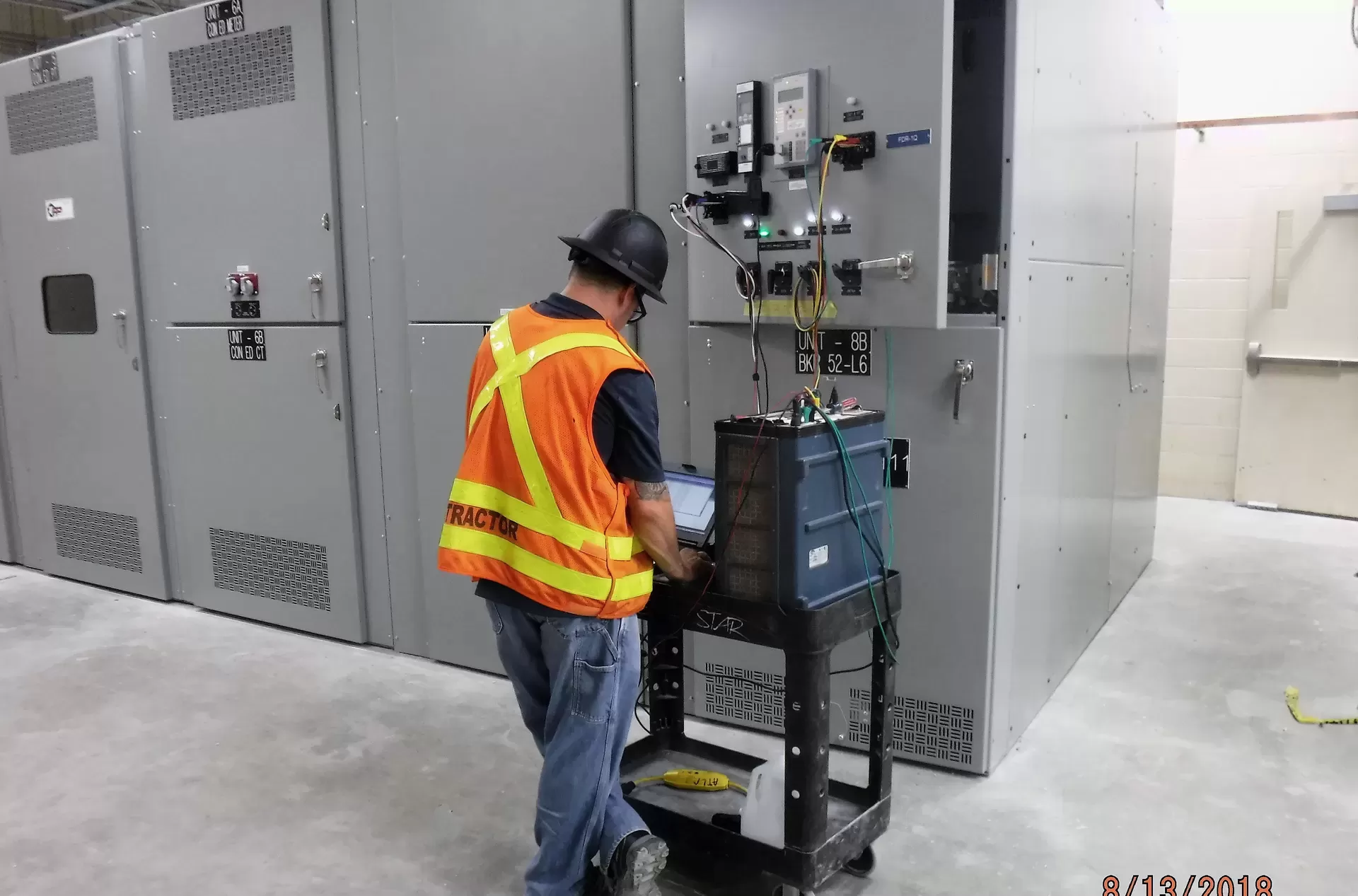
Electrical Preventive Maintenance
A written program of scans, cleaning, tightening and tests for switchgear, panels and transformers, aligned with CSA Z463 and NFPA 70B.
View service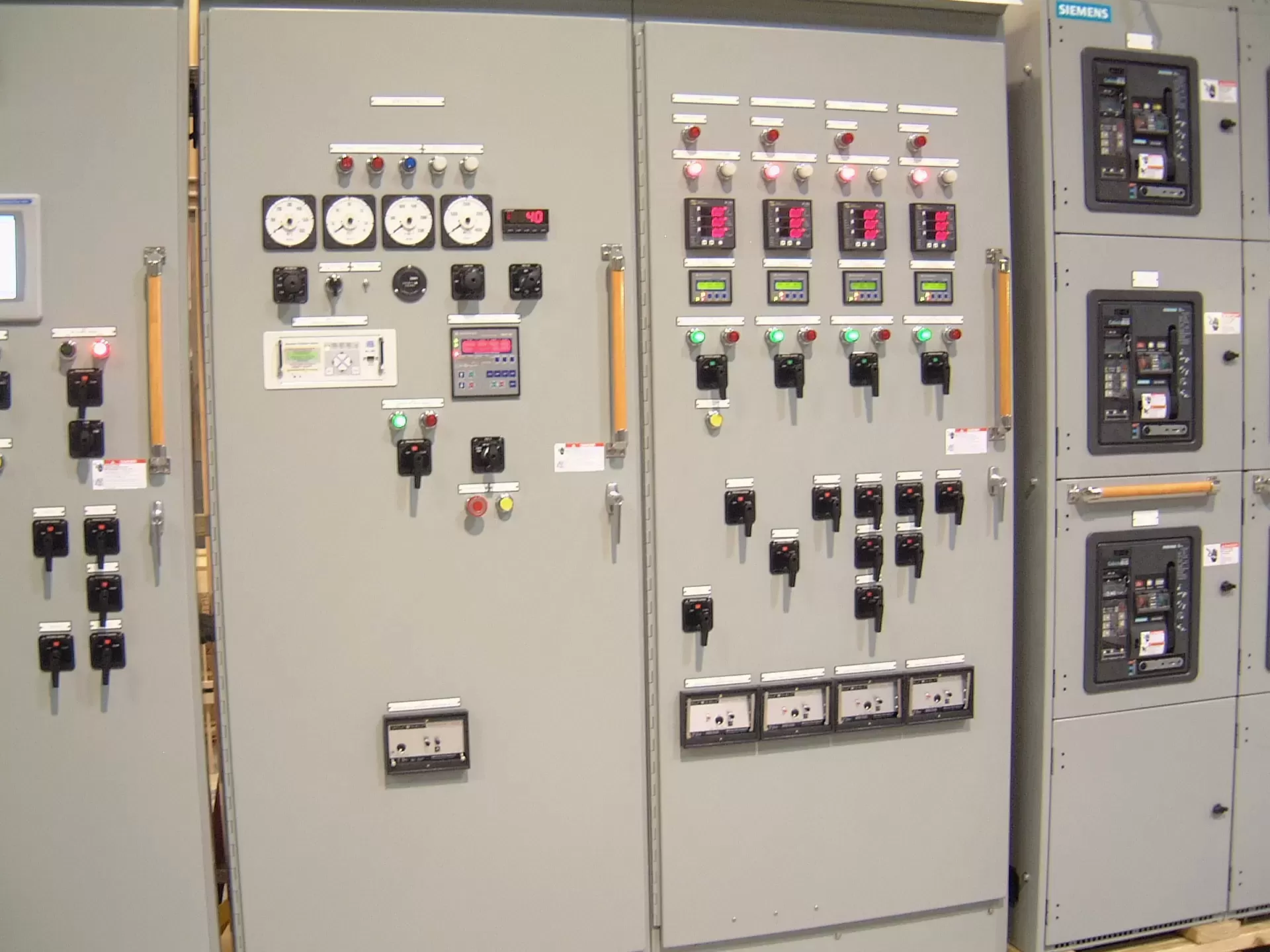
Switchgear Maintenance
Switchgear maintenance and inspection for low voltage lineups and switchboards, planned around shutdown windows and documented section by section.
View serviceMCC Maintenance
Motor control centre maintenance covering buckets, stabs, bus, starters and overloads, scheduled section by section so production keeps running.
View service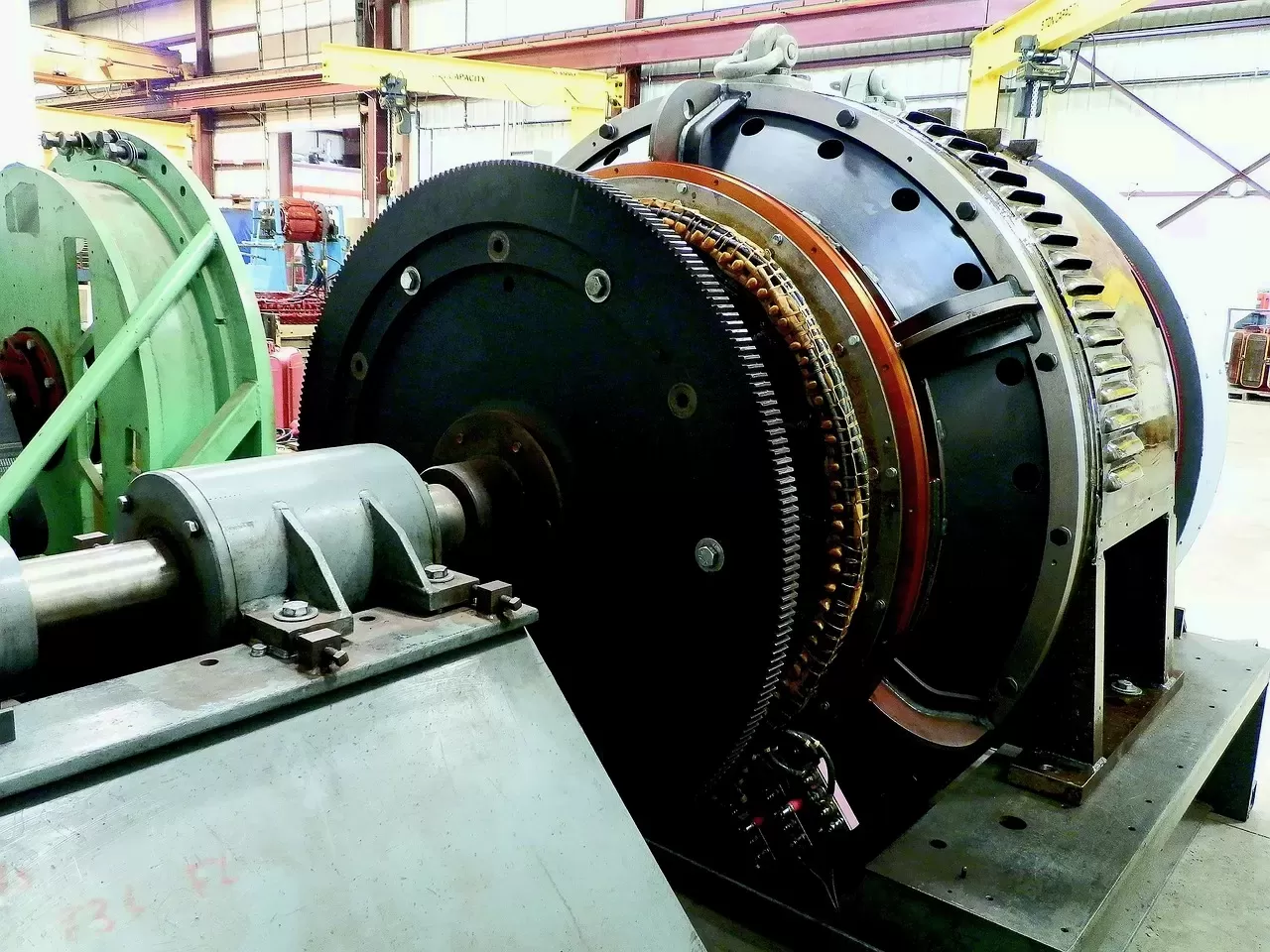
Motor Electrical Testing
Insulation, winding and running tests on plant motors, trended over time so failing windings show up before a line stops.
View service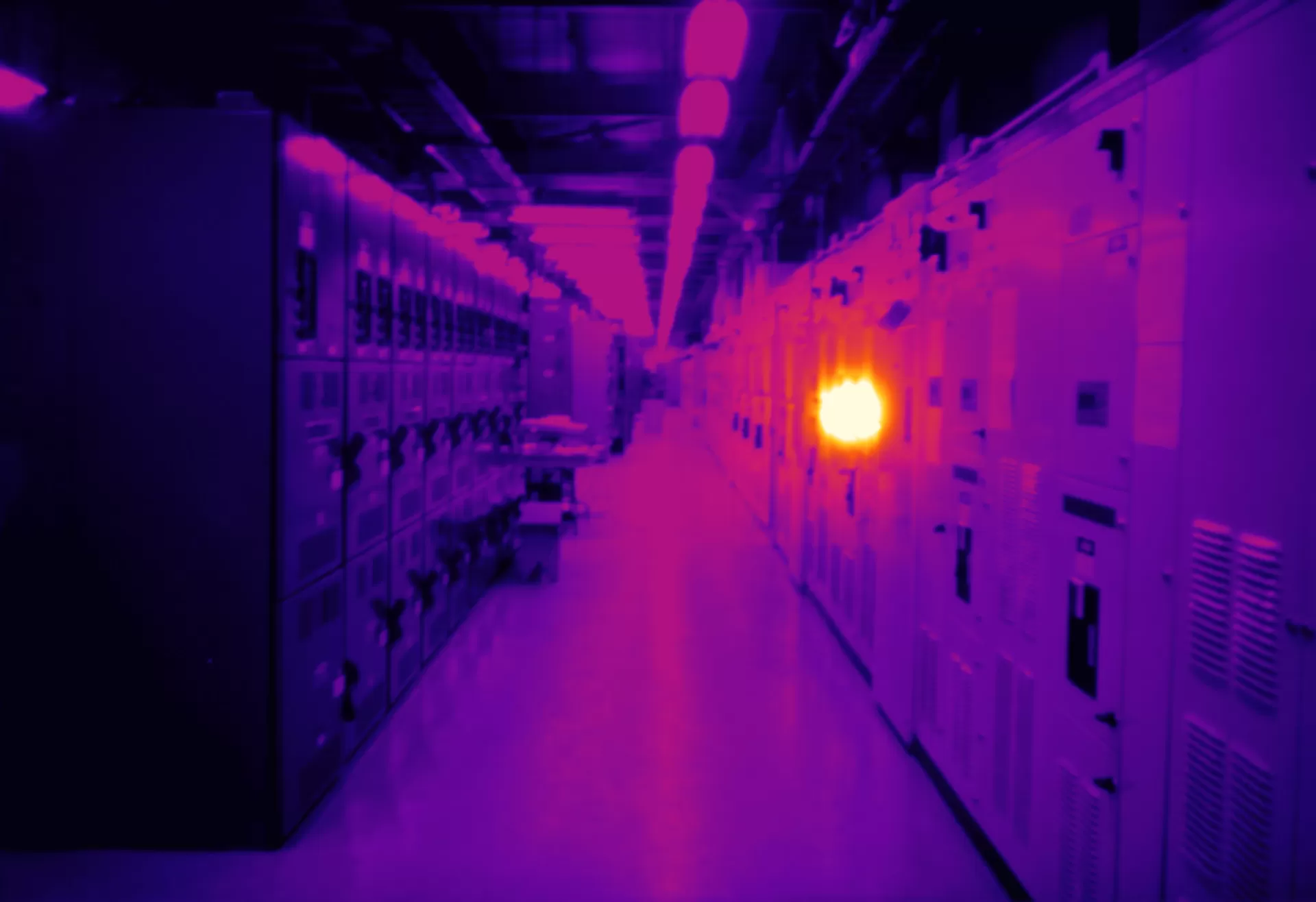
Industrial Plant Thermography
Thermographic surveys of manufacturing plants under production load, with trended findings, shutdown-ready work lists and licensed repairs.
View service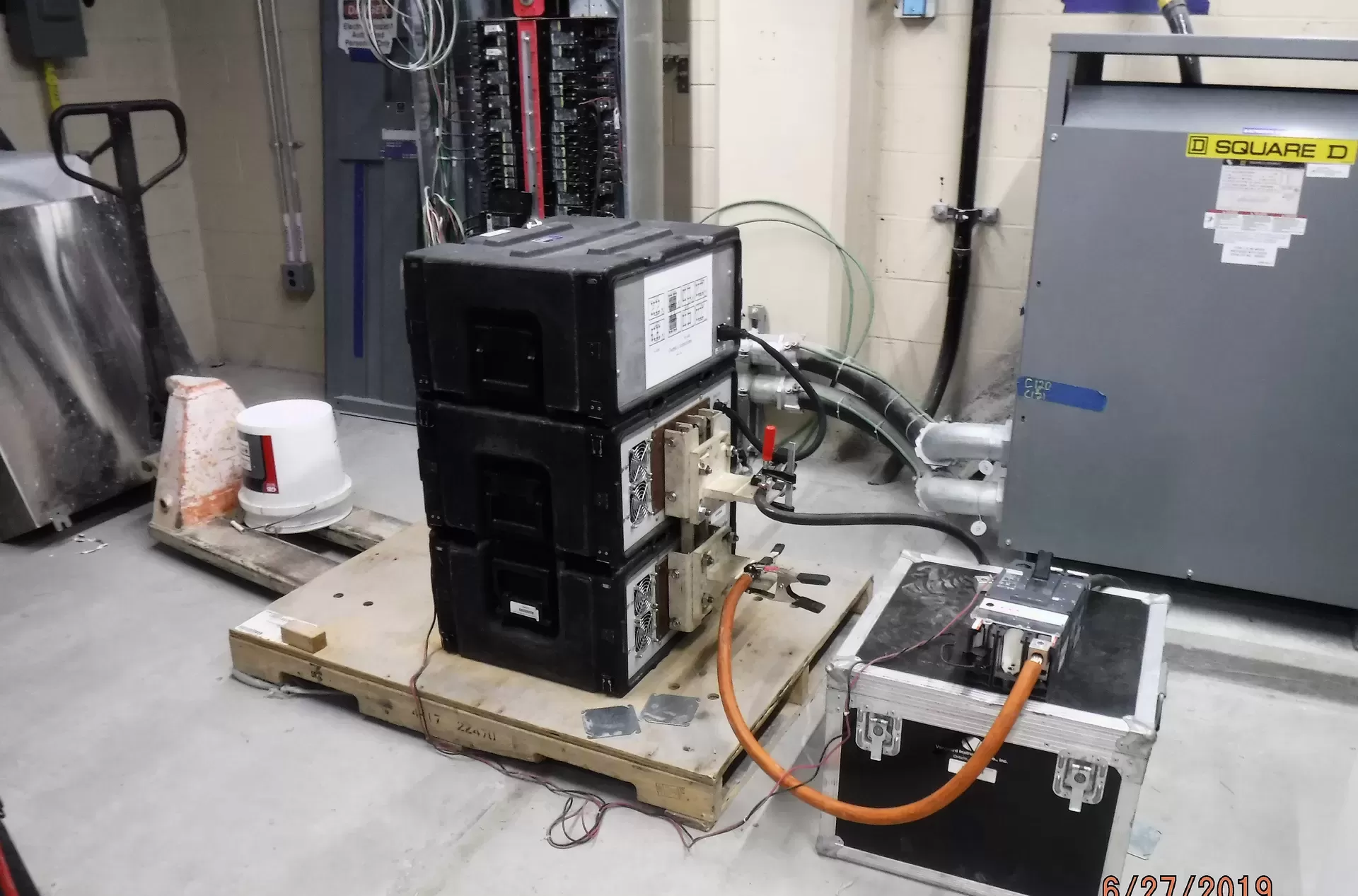
Circuit Breaker Testing
Trip, timing, contact resistance and mechanism checks that prove each breaker will open when a fault demands it, from 15 A branch breakers to drawout power breakers.
View service
Request a callback
Plan your next electrical maintenance program with KCS
Tell us about the site and the equipment. A licensed electrician reviews it and calls you back.
- ESA/ECRA licence #7014042
- COR certified, ISNetworld, Avetta and ComplyWorks
- Work planned around shutdowns and tenant hours
- Emergency response for maintenance-contract clients
Send your request
We reply during business hours: Open daily, 9 a.m. to 9 p.m.