
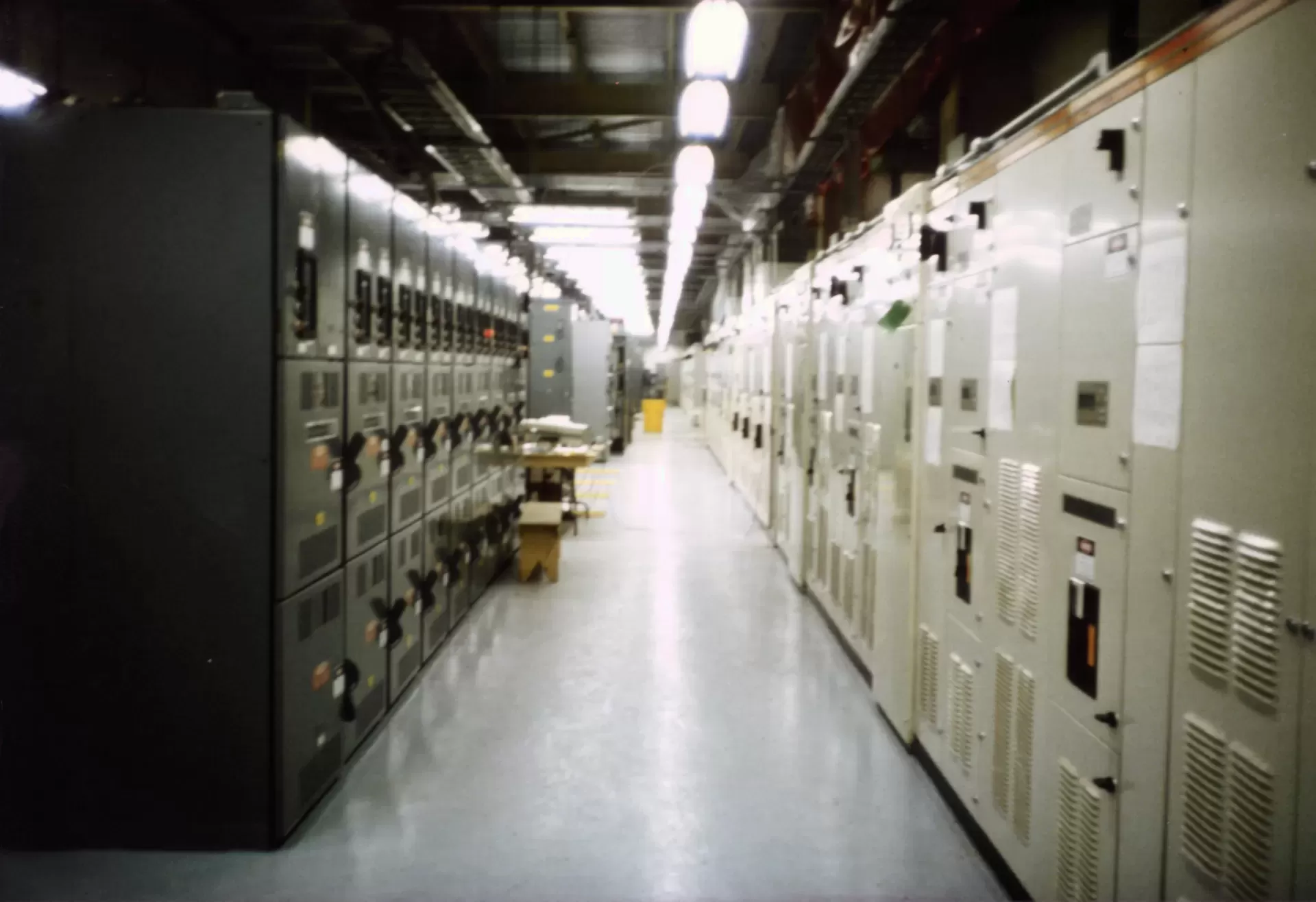
Motor control centres for plants and buildings
MCC Maintenance and Inspection for GTA Plants and Buildings
KCS delivers MCC maintenance and MCC inspection for the motor control centres that run conveyors, pumps, fans, compressors and process lines in plants and large buildings across the GTA. Our motor control centre maintenance works section by section, so the lines you need keep moving while the rest of the lineup is serviced.
- ESA/ECRA #7014042
- Plants and process sites
- COR certified (IHSA)
- Level II thermographers
Request a callback
A licensed electrical contractor calls you back, usually the same business day.
Updated Reviewed by KCS Group licensed electricians
What MCC Maintenance Covers in a Motor Control Centre
MCC maintenance is the inspection, cleaning, tightening and testing of a motor control centre's bus, plug-in units and the starters, overloads, disconnects and controls inside them. MCC inspection is the part done live, mainly visual and infrared, to decide what needs attention at the next outage.
A motor control centre, or MCC, gathers the controls for many motors into one lineup of vertical sections. A horizontal bus runs across the top or middle, vertical bus in each section feeds the plug-in units, often called buckets, and each bucket typically holds a disconnect or molded-case breaker, a contactor, an overload relay and a control transformer. Many modern lineups add variable frequency drives, soft starters, PLC input and output wiring and network communications.
Lineups also change over their life far more than switchgear does. Buckets are swapped when motors are replaced, drives are added to old sections, spare spaces are filled and control wiring is modified during line changes. Each change is a chance for a wrong overload setting, an unlabelled circuit or a missing barrier, so part of every visit is confirming that the lineup still matches its drawings and bucket schedule.
Because an MCC feeds the equipment that actually makes product or moves air and water, a failure there stops a line rather than a light fixture. It also concentrates risk: dozens of connections, stab contacts and moving parts sit in a single enclosure, and a fault in one bucket can involve the bus that feeds them all. Maintenance keeps each of those small parts from becoming the weak point.
MCC Inspection Checklist: Bus, Buckets, Starters and Controls
Our MCC inspection checklist follows the power path from the incoming lugs to each motor lead, then covers the controls and enclosure. Every item is recorded as found, corrected or recommended.
- Incoming section and main bus: lugs and terminations, bus joints, bus supports and insulators, signs of heat, tracking or arcing.
- Vertical bus and stabs: stab fingers and their springs, bus barriers and shutters, evidence of pitting or discolouration where buckets plug in.
- Buckets and units: door interlocks, operating handles, breaker or fused disconnect condition, wiring, terminal tightness and labelling.
- Starters and contactors: contact wear, coil condition, arc chutes, mechanical freedom and auxiliary contacts.
- Overload relays: settings compared with the motor nameplate full-load current and service factor, and trip function where testing is in scope.
- Drives and soft starters: cooling fans, filters, heat sinks, fault logs and enclosure ventilation.
- Control circuits: control transformers, fuses, pilot devices, interposing relays and the wiring that ties them to the process control system.
- Enclosure and room: missing filler plates or covers, open conduit knockouts, dust, moisture, ambient temperature and clear working space.
How Often Should a Motor Control Centre Be Maintained?
Most MCCs should be scanned and walked yearly and fully serviced every one to five years, and the plant environment usually decides where in that range a lineup falls. NFPA 70B covers motor control equipment in Chapter 28 and sets the interval through its equipment condition assessment, while ANSI/NETA MTS (2023 edition) defines the tests done at each service.
Under the 2023 edition's Table 9.2.2, motor control equipment carries one interval for all tasks, and infrared thermography has its own:
| Typical MCC setting | Likely rating | All MCC tasks | Thermal scan |
|---|---|---|---|
| Clean, conditioned electrical room, non-critical loads | Condition 1 | Up to 60 months | Yearly |
| Ordinary plant electrical room, important process loads | Condition 2 | Up to 36 months | Yearly |
| Dusty mill, washdown food area, high heat, or loads that cannot stop | Condition 3 | Up to 12 months | Twice a year |
The examples in the first column are our illustration of how the three factors usually combine; the actual rating comes from assessing your lineup, and the worst of physical condition, criticality and environment wins. Manufacturer instructions take priority where stricter. In food and beverage plants, washdown and humidity often push MCCs into the shortest interval, while the same lineup in a clean warehouse electrical room may justify the longest. Our electrical preventive maintenance programs schedule MCCs alongside the switchgear that feeds them.
Lockout on Motor Control Equipment Under Ontario Rules
MCC work in Ontario is done under section 42 of Regulation 851, which requires the supply to be disconnected, locked out and tagged before work on or near exposed live parts, and it demands particular care because buckets and controls can be fed from more than one source.
The provincial ministry has issued a hazard alert on electrical lockout using manual motor controllers, pointing employers to subsections 42(1), (2) and (7): disconnect, lock and tag; have each worker confirm it; and keep written procedures. In an MCC that means isolating at a proper disconnecting means, not at a start-stop station or a motor controller that only interrupts the control circuit.
Other MCC-specific hazards we plan for:
- Control power fed from a separate panel or a PLC rack, which stays live when the bucket disconnect is open.
- Drives and capacitors that hold stored energy after isolation and need time to discharge.
- Racking or withdrawing buckets from an energized bus, which is done only under CSA Z462 controls with the correct PPE.
- Back-feed from other sources, such as interlocked tie feeders or generator connections.
Before work starts, our crew lead walks the lineup with your maintenance contact, confirms the disconnecting point and every secondary source for each bucket on the list, and records them on the work permit so the next shift can see what is isolated and why.
Section 41 also requires a conspicuous warning sign on any room with exposed live parts, which we check on every visit. Where incident energy labels are missing on the lineup, we recommend an arc flash study before any energized work.
Testing Starters, Overloads and the Motors They Feed
A full MCC service tests the protection in each bucket and, where you ask for it, the motor circuit beyond it, because a healthy starter feeding a failing motor is still a failure waiting to happen.
- Insulation resistance on the bus, the outgoing cables and, with the motor leads included, the motor windings, recorded so the trend can be followed year to year.
- Overload relay testing to confirm the relay trips within its class at the current set for the motor, and that the setting matches the nameplate.
- Molded-case breaker checks inside each bucket, using the methods set out under circuit breaker testing.
- Contactor checks for contact wear and coil pickup and dropout, and functional tests of start, stop, interlock and permissive circuits with operations staff present.
- Connection torque on bus joints, lugs and terminals to the manufacturer's values.
Readings are judged against the motor control acceptance values in ANSI/NETA MTS and the manufacturer's data. Motors that show low insulation or unbalanced readings are followed up with deeper diagnostics through our motor electrical testing service.
Servicing an MCC Without Stopping the Whole Plant
We plan MCC work so that only the motors being serviced are down. Buckets can often be serviced one at a time with only their own load isolated, while bus and full-section work is grouped into a scheduled shutdown.
During scoping we sit with your maintenance lead and production planner to map each bucket to the equipment it runs and how long that equipment can be down. That produces three lists: buckets that can be isolated at any time, buckets that must wait for a line changeover or weekend, and work that needs the whole MCC dead, such as bus joint torque and full insulation testing. Infrared scanning is done first with everything running, so the shutdown time goes to the problems the scan found.
For plants in Brampton, Vaughan and Kitchener-Waterloo and Cambridge, that often means early-morning starts before the first shift or work over a planned maintenance weekend. IHSA's COR on our file and our prequalified listings on ISNetworld, Avetta and ComplyWorks, shorten the paperwork for sites that vet every contractor.
Common MCC Problems We Find and Fix
The faults we find most in motor control centres are heat at stab and lug connections, dust and moisture inside the lineup, overloads set wrong, and safety features that have been bypassed. Most are cheap to fix once found and expensive to ignore.
- Hot stabs and lugs: loose or worn stab fingers and terminations that show up as hot spots on a thermal scan, often long before any trip.
- Contamination: conductive dust from mills and packaging lines, flour and sugar dust in food plants, and condensation where washdown areas meet electrical rooms.
- Wrong overload settings: overloads left at a previous motor's value after a motor swap, or set high to stop nuisance trips.
- Defeated interlocks: door interlocks bypassed so a bucket can be opened while live, which removes a key safety barrier.
- Open spaces: missing filler plates, blank covers or knockout seals that let in dust and leave live parts reachable.
- Drive cooling: clogged filters and failed fans on drives in MCC sections, which shorten drive life and cause heat trips.
Our electricians carry the tools and common parts to correct most of these during the visit with your approval, and our Level II certified thermographers can rescan afterward to confirm the fix. For hot spots across the wider plant, see industrial plant thermography.
Your MCC Report and Who Needs MCC Maintenance
After each visit you receive an MCC report listing every section and bucket, what was found, what was corrected and what is recommended, with test values and photographs. Any facility whose production, water, air or heat depends on a motor control centre benefits from that record.
The report includes a bucket schedule with the load served, breaker or fuse rating, starter size and overload setting against the motor nameplate; as-found and as-left condition; insulation and overload test results; thermal images of any hot connections; and ranked recommendations. Condition labels are applied to the lineup after maintenance so operators can see its status.
Our MCC clients include manufacturing plants, food processors, warehouses and distribution centres with conveyor and sortation lines, and commercial buildings whose chillers, pumps and air handlers run from MCCs. A small lineup in a clean room with few critical loads can safely run on the longest interval with a yearly scan. When an MCC fails between visits, maintenance-contract clients have emergency response, and repair work is notified to ESA under our licence, ESA/ECRA #7014042.
Section by section
Keep the line running while the lineup is serviced
We split every motor control centre into buckets that can be isolated on their own, buckets tied to a changeover, and bus work that needs a full shutdown. Your production planner sees the plan before we arrive, and the thermal scan comes first so outage time goes to real problems.
Related services
Equipment upstream and downstream of your MCC
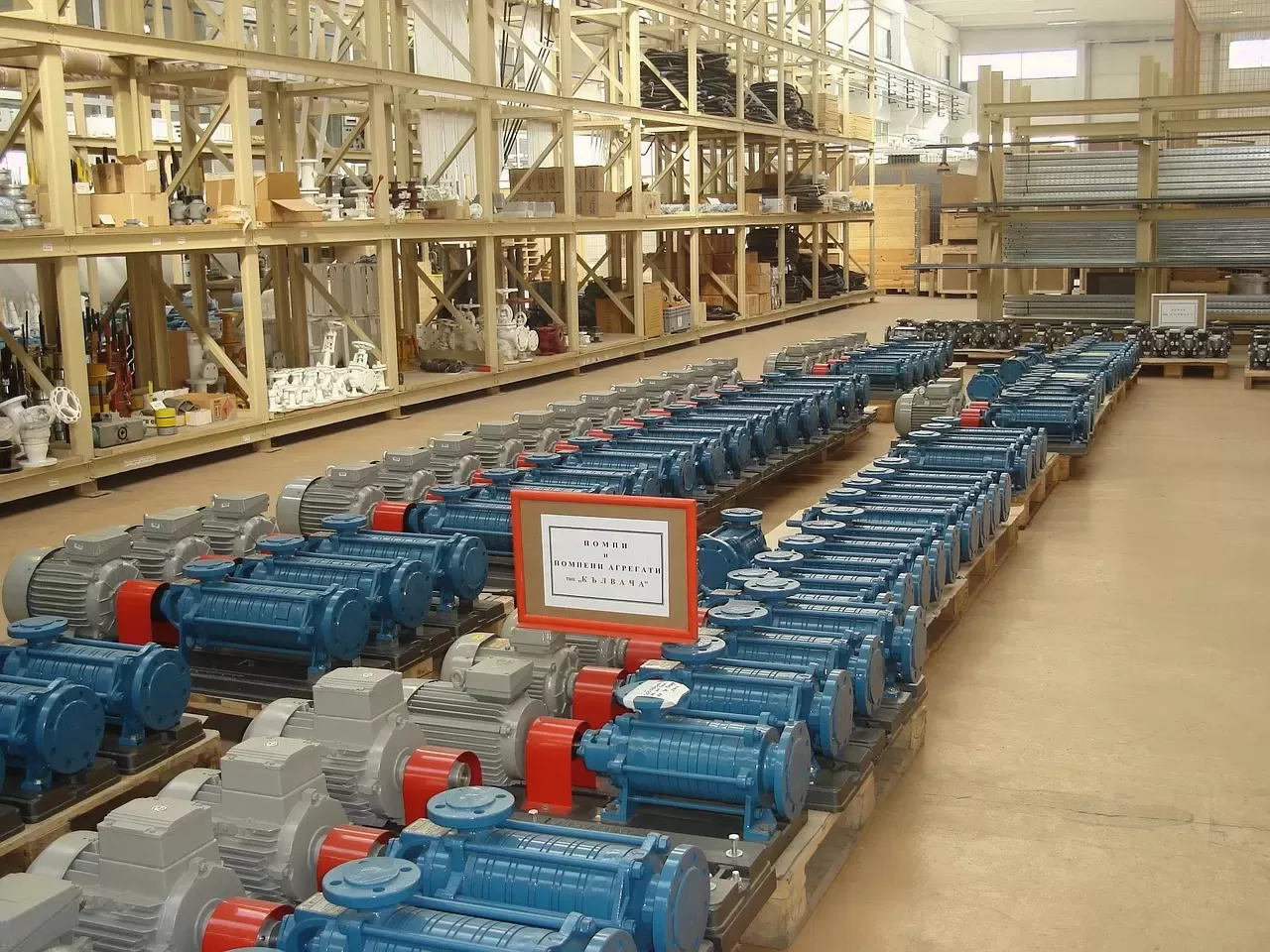
Motor Electrical Testing
Winding and insulation diagnostics for the motors your buckets start and protect.
Learn more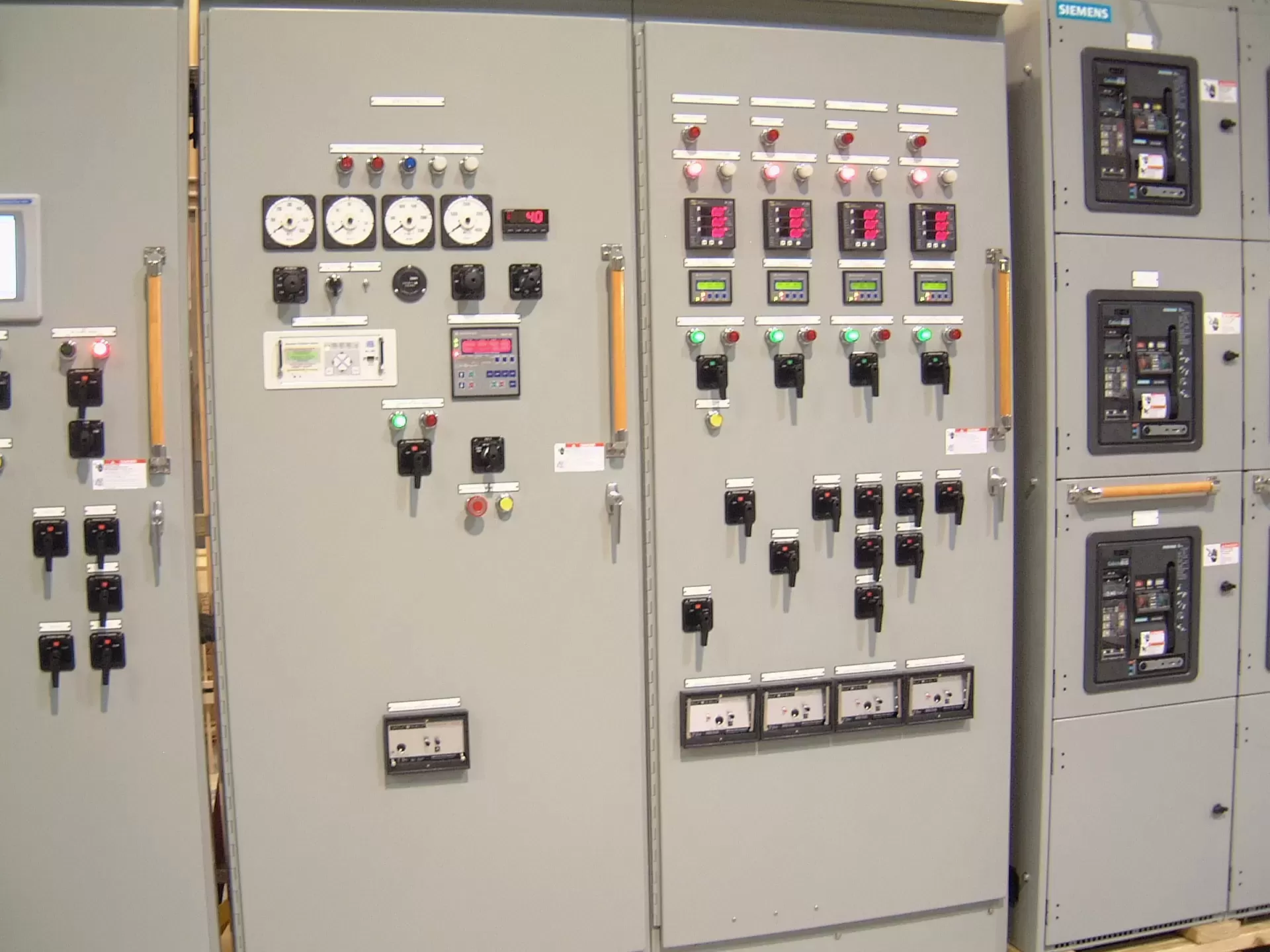
Switchgear Maintenance
Service the feeder breaker and bus that supply the MCC during the same outage.
Learn more
Factory Electrical Maintenance
Plant-wide programs that bring MCCs, panels and machines onto one schedule.
Learn moreQuestions
MCC maintenance questions
MCC basics
What does MCC stand for in industrial electrical work?
In electrical work MCC stands for motor control centre: a lineup of vertical sections with a common bus that feeds plug-in units, each holding the disconnect, starter, overload protection and controls for one motor or load. MCCs are found wherever many motors are controlled from one place, such as plants, water facilities and large buildings.
How is a motor control centre different from switchgear?
Switchgear distributes and protects power at the service or feeder level, using large breakers and protective relays. A motor control centre sits downstream and is built to start, stop and protect individual motors, with many smaller plug-in units containing starters and overloads. Both need maintenance, but MCCs have far more connections and moving parts per section.
What is inside an MCC bucket?
A typical bucket holds a disconnecting means, usually a molded-case breaker or fused switch, a contactor or starter, an overload relay, a control transformer and the terminal blocks and wiring for the motor and controls. Newer buckets may contain variable frequency drives, soft starters or network communication modules instead of a simple starter.
Can an older MCC be upgraded with new buckets instead of replaced?
Often it can. Where the structure, horizontal bus and vertical bus test well, worn or obsolete buckets can be swapped for new units built for that lineup or for retrofit units designed to fit the existing sections. The choice rests on parts support, the lineup's short-circuit rating and its test history. Every new unit must be certified and gets ANSI/NETA ATS (2025 edition) acceptance checks ahead of first use, and we notify the work to ESA as the licensed contractor.
Inspection and testing
What should an MCC preventive maintenance checklist include?
It should cover incoming lugs and the main bus, vertical bus and stab connections, each bucket's disconnect, contactor and overload, control circuits, drives and their cooling, door interlocks, filler plates and enclosure condition, plus insulation testing, overload checks and connection torque. Each item should be recorded as found, corrected or recommended.
Can an MCC be inspected while it is running?
Yes, partly. Walk-down checks, meter readings and thermal imaging all happen with the lineup energized and loaded, which is when hot connections are visible. Opening buckets, torquing connections, cleaning and insulation testing need the relevant bucket or section isolated and locked out under Regulation 851.
How do you check MCC overload relay settings?
We compare each overload setting with the motor nameplate full-load current and service factor, and with the overload manufacturer's selection tables. Where testing is in scope, we inject current to confirm the relay trips within its class. Settings that were raised to stop nuisance trips are flagged, because the real cause is usually elsewhere.
Why do MCC stabs overheat and how is it found?
Stabs overheat when finger springs weaken, contact surfaces pit or oxidize, or a bucket is not fully seated on the vertical bus. The extra resistance makes heat under load, which further damages the contact. An infrared scan of the running lineup is the usual way to find it, followed by inspection and replacement of worn stabs.
Should motor testing be done at the same time as MCC maintenance?
It is efficient to do both together. With a bucket isolated, insulation resistance can be measured from the starter through the cable to the motor windings in one setup. Motors that show low or falling values are then booked for deeper diagnostics, so the shutdown is used for both the control and the load.
Scheduling and safety
How often should MCC maintenance be done in a food plant?
Food plants often fall at the short end of the NFPA 70B range, close to yearly full service with twice-yearly thermal scans, because washdown, humidity, flour or sugar dust and critical lines push the condition rating up. A lineup in a separate, dry, conditioned room can sometimes stretch further. The assessment of your own lineup sets the interval.
Can MCC maintenance be done without a full plant shutdown?
Most of it can. Individual buckets are isolated with only their own load down, so we work through them as production allows. Only bus work, full insulation testing and incoming section service need the whole MCC dead, and we group those tasks into a planned shutdown or maintenance weekend.
Is it safe to remove an MCC bucket from a live bus?
Withdrawing or inserting a bucket on an energized bus is a recognized arc flash risk, because the stabs make or break contact with live bus. It should only be done by qualified workers following CSA Z462, with the incident energy known from the labels and the right PPE. Where practical, we isolate the section instead.
Why can't a motor starter's stop button be used for lockout?
A stop button or manual motor controller often interrupts only the control circuit or may not reliably isolate all conductors. Ontario's ministry has issued a hazard alert on this, citing Regulation 851, section 42. Lockout must be done at a proper disconnecting means that isolates the supply, with a lock and tag applied and confirmed.
Reports and repairs
What does an MCC maintenance report include?
A complete MCC report lists every section and bucket with the load served, protective device rating, starter size and overload setting, then records as-found and as-left condition, insulation and overload test values, thermal images and photographs of defects, and ranked recommendations with the next due date for the lineup.
Can you replace worn buckets, starters and overloads during the visit?
Often, yes. Our licensed crew can replace contactors, overload relays, stabs, breakers and in many cases complete buckets with compatible, certified parts, provided they are on hand or ordered in advance. Repairs inside certified equipment that only the manufacturer may perform are referred to the manufacturer or its agents.
When is it time to replace an old motor control centre?
Replacement makes sense when parts for buckets and stabs are no longer available, when the bus or enclosure shows damage that cannot be repaired, when the lineup's ratings no longer suit the available fault current, or when maintenance findings keep growing. Trended reports make that decision clearer, and age alone is rarely the deciding factor.
Related services
Related services
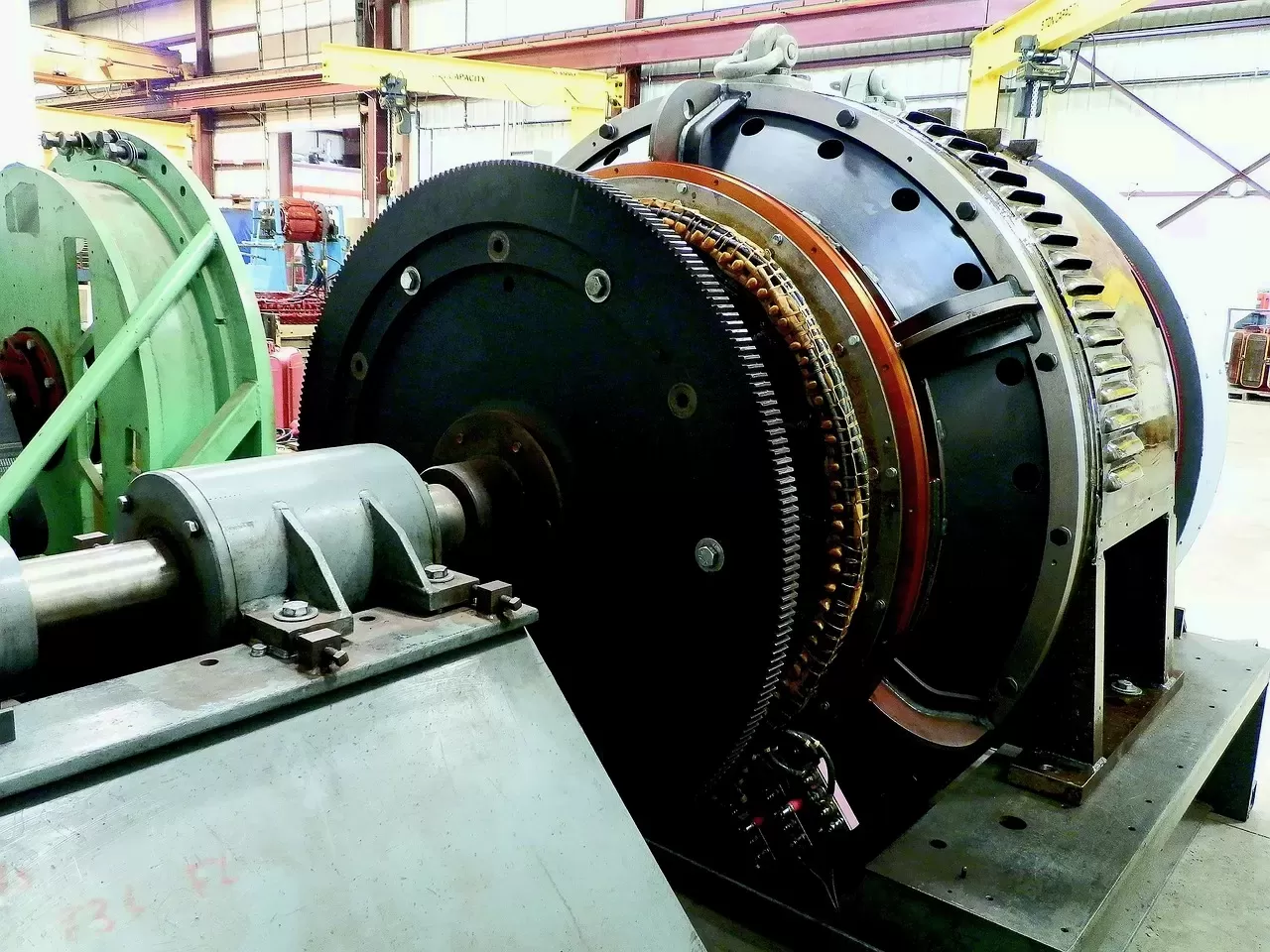
Motor Electrical Testing
Insulation, winding and running tests on plant motors, trended over time so failing windings show up before a line stops.
View serviceSwitchgear Maintenance
Switchgear maintenance and inspection for low voltage lineups and switchboards, planned around shutdown windows and documented section by section.
View service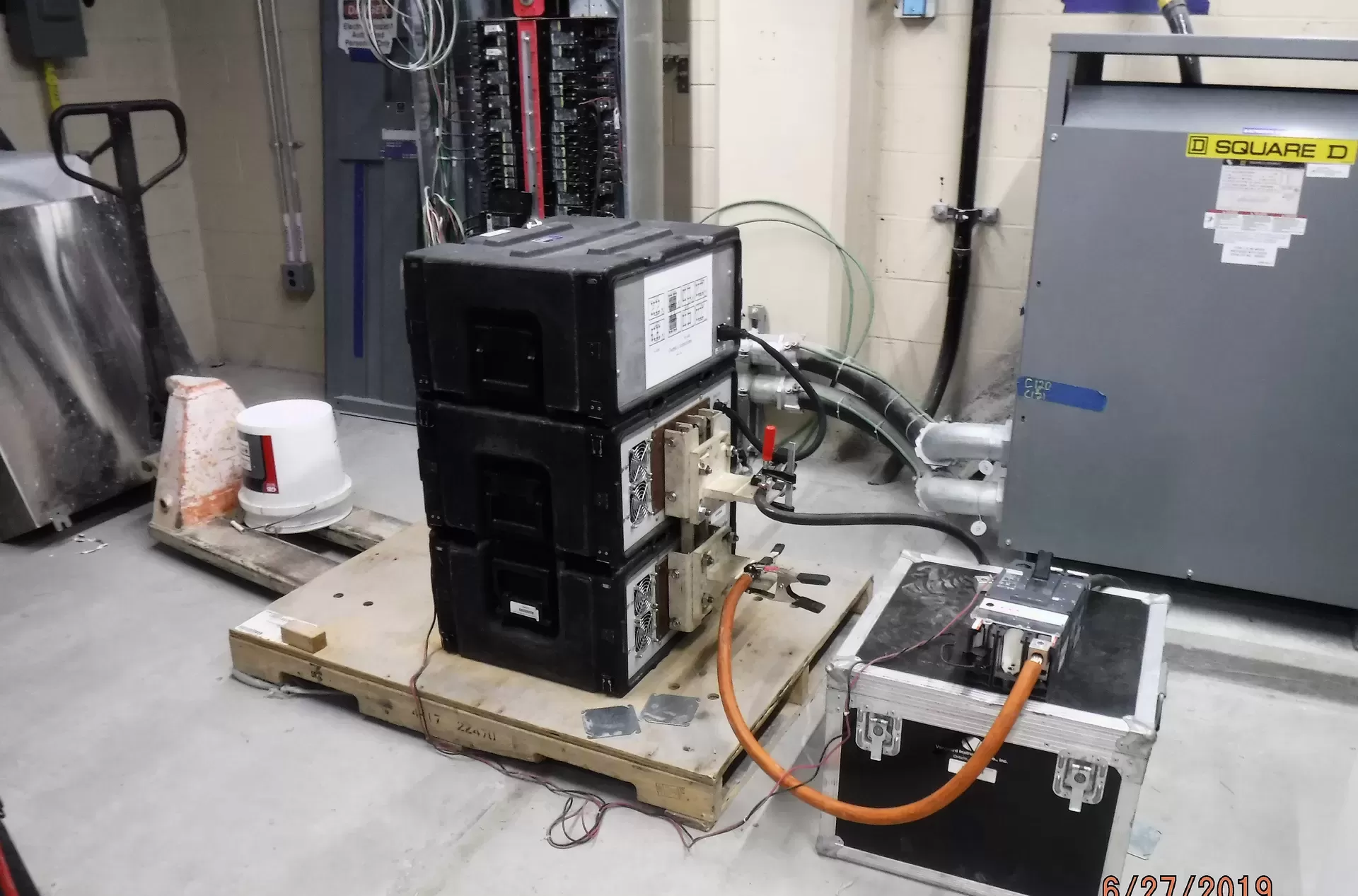
Circuit Breaker Testing
Trip, timing, contact resistance and mechanism checks that prove each breaker will open when a fault demands it, from 15 A branch breakers to drawout power breakers.
View service
Factory Electrical Maintenance
Factory electrical maintenance programs and shutdown work for GTA plants, built on CSA Z463 with condition-based intervals.
View service
Industrial Plant Thermography
Thermographic surveys of manufacturing plants under production load, with trended findings, shutdown-ready work lists and licensed repairs.
View service
Arc Flash Study
Arc flash assessment, incident energy results and CSA Z462 arc flash labels so your electricians know the hazard at every piece of gear.
View service
Request a callback
Plan your next electrical maintenance program with KCS
Tell us about the site and the equipment. A licensed electrician reviews it and calls you back.
- ESA/ECRA licence #7014042
- COR certified, ISNetworld, Avetta and ComplyWorks
- Work planned around shutdowns and tenant hours
- Emergency response for maintenance-contract clients
Send your request
We reply during business hours: Open daily, 9 a.m. to 9 p.m.