
Inspections and audits
Electrical Inspection Services for Toronto & GTA Facilities
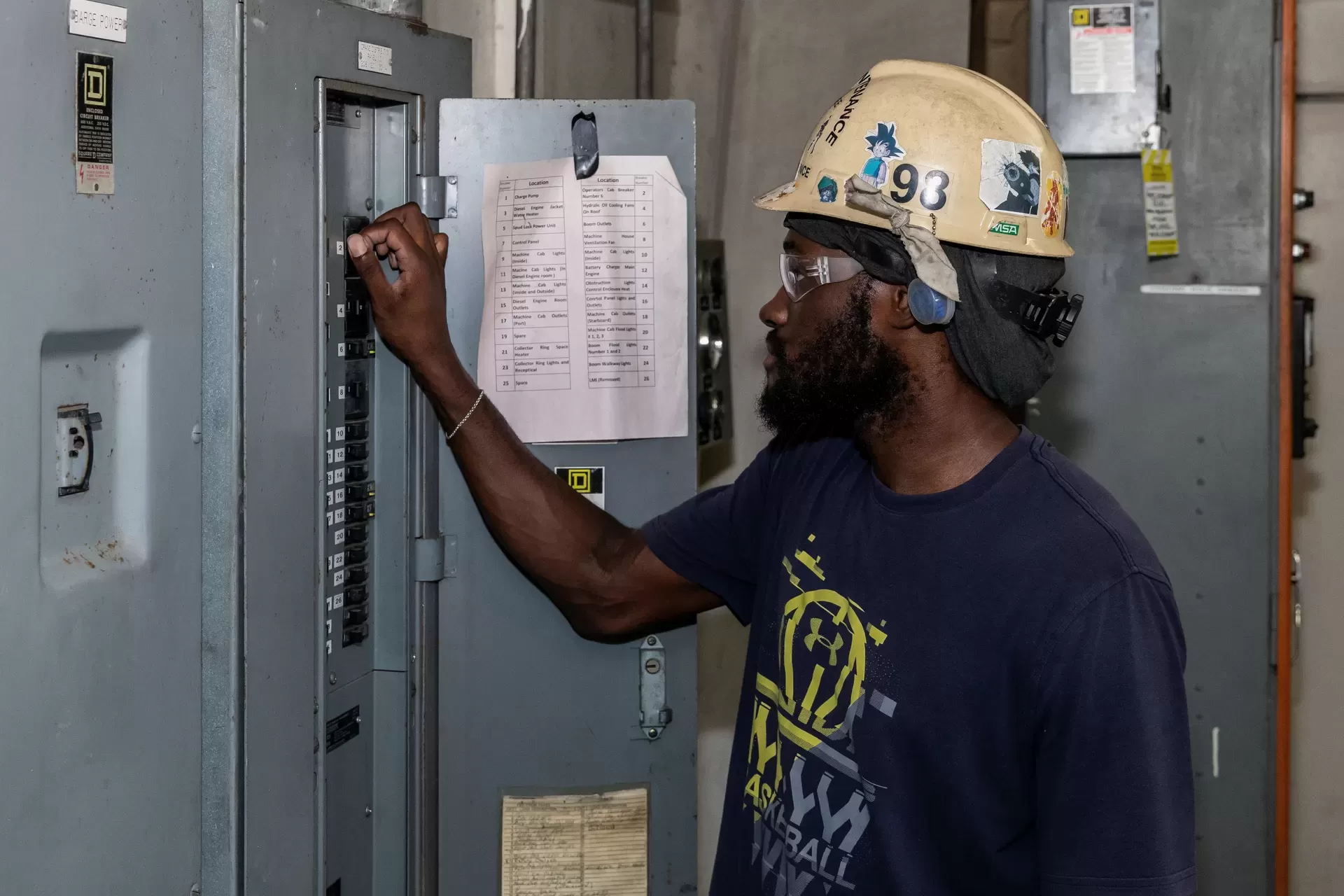
Our electrical inspection services give owners, plant managers and property managers a clear, room-by-room picture of their electrical system: what is sound, what is wearing, and what needs a licensed electrician now. We inspect commercial and industrial facilities across Toronto and the GTA and put every finding in a ranked written report.
- ESA/ECRA contractor #7014042
- COR certified
- Level II thermographers on staff
- WSIB covered and insured
Request a callback
A licensed electrical contractor calls you back, usually the same business day.
Updated Reviewed by KCS Group licensed electricians
What Our Electrical Inspection Services Include
An electrical system inspection by KCS is a structured walk-through of every electrical room and major piece of equipment, carried out by licensed electricians who record condition, hazards and code concerns, then rank them by urgency. It answers one question: what in this building is likely to fail or hurt someone, and what should be done about it first.
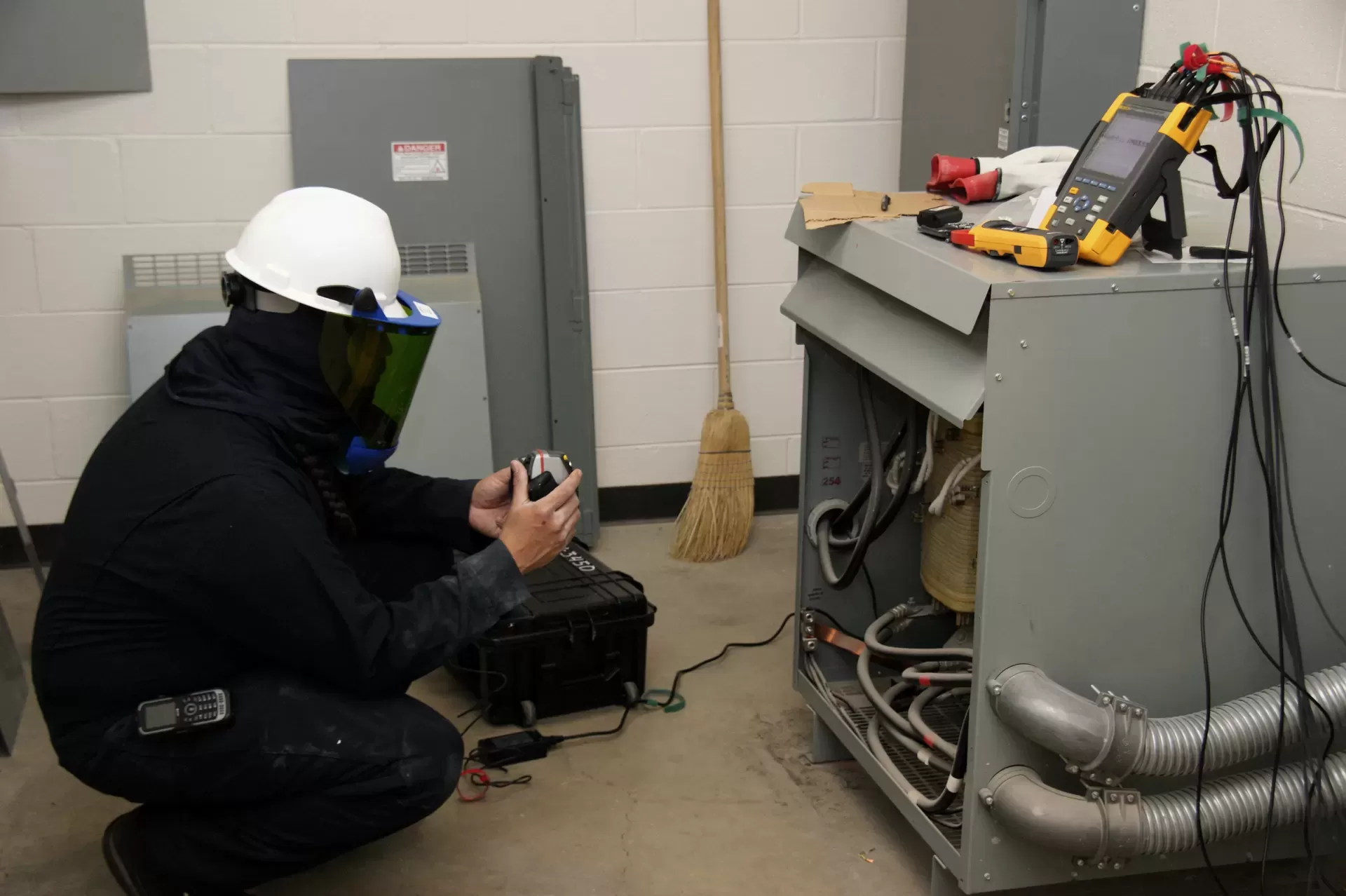
A standard visit covers the service entrance, main switchgear or switchboard, distribution and branch panels, transformers, motor control centres, disconnects, busway and the visible parts of feeders and cable tray. Where you ask for it, we add an infrared electrical inspection of energized equipment, which finds heat from loose or overloaded connections that a visual check cannot see. Each piece of equipment is checked against the inspection items ANSI/NETA MTS (2023 edition) lists for its type, the maintenance testing standard we work to alongside CSA Z463 and NFPA 70B.
The inspection is diagnostic. It does not replace the scheduled cleaning, tightening and testing that make up electrical preventive maintenance, and it does not include the de-energized tests on our electrical testing services page. Many clients use an inspection as the first step: it sets a baseline, tells them which equipment matters most, and shows whether a full maintenance program is worth it.
Our inspectors are electricians employed by KCS, a licensed contractor (ESA/ECRA licence #7014042), so whoever writes up a defect belongs to the team that can quote and correct it.
Private Electrical Inspection vs an ESA Inspection in Ontario
An ESA inspection and a private electrical inspection are different things. ESA inspects work that a licensed contractor has notified to it, to confirm that new or altered wiring meets the Ontario Electrical Safety Code. A private inspection, like ours, looks at the condition and safety of the whole existing system, whether or not any new work is planned.
The Electrical Safety Authority is the regulator. When a licensed electrical contractor carries out work on an installation, it files a notification, and ESA may inspect that work. ESA does not come out to assess the general state of a building on request in the way an owner might expect. That job falls to the owner, usually through a qualified contractor or engineer.
Hiring for electrical work in Ontario? ESA tells buyers to get the contractor's licence number up front and verify it before work starts. KCS's contractor licence is #7014042. You can confirm it on ESA's site or by phoning 1-877-ESA-SAFE.
If our inspection leads to repairs or upgrades, we file the notification for that work, and the ESA inspection that follows is part of the job. For health care occupancies such as clinics and dental offices, ESA also needs the facility's patient care area classification document at inspection, which we explain on our medical clinic electrical page.
What We Check During an Electrical System Inspection
We check five things everywhere we go: the equipment itself, its connections, its protection, the room it sits in, and the paperwork that should describe it. The list below is the core of every visit; we add items for the type of facility.
- Equipment condition: enclosures, doors, covers and barriers in place; signs of heat, arcing, moisture, rust, rodents or dust build-up; damaged or brittle insulation; cracked insulators
- Connections and conductors: discoloured lugs, burnt terminations, overfilled gutters, conductors without proper support, aluminium terminations on the wrong lugs, signs of overheated neutrals
- Protection: breaker and fuse ratings that match conductors and equipment, missing or wrong fuses, defeated interlocks, ground-fault protection present and set, open knockouts and unused openings
- Grounding and bonding: visible ground connections at the service, transformers and enclosures, bonding of metal raceways and cable tray
- Rooms and access: working space kept clear, no storage in electrical rooms, doors labelled, ventilation working, lighting adequate, no water lines over equipment
- Documents and labels: panel directories filled in, single-line diagram current, arc flash and shock labels present, previous reports and open deficiencies
Equipment that needs closer study is noted and linked to the right follow-up, such as switchgear maintenance, an electrical panel inspection on a specific board, or a distribution system inspection for feeders and outdoor equipment.
Commercial Electrical Inspection for Buildings and Tenant Spaces
A commercial electrical inspection focuses on base building equipment, tenant panels and the systems that keep occupants safe, and is usually ordered by a property manager, a purchaser or an insurer.
In office towers, retail plazas and mixed-use buildings around Toronto, the problems we see most are the result of years of tenant turnover: panels loaded past their design, abandoned circuits left live, directories that no longer match, and electrical rooms used as storage. We map the base building distribution, sample tenant panels, check emergency lighting and exit sign circuits, and note where house loads and tenant loads have become tangled.
Older Toronto buildings bring their own patterns. Mid-century towers often still have original distribution equipment for which parts are hard to find, so we note make, age and condition to help with replacement planning. Newer condominium and office buildings tend to have tidier rooms but heavier loads from electric vehicle chargers, server rooms and rooftop equipment added after construction. In both, we check that the electrical room has not become a storage closet and that the working space in front of each panel is still clear, because those two problems are the easiest to fix and among the most common.
Property managers use the report to plan capital work, to brief owners and to answer insurer questionnaires. When a building is being bought or refinanced, it supports due diligence. For ongoing upkeep of multi-tenant properties, see our commercial electrical maintenance service and the property management page. Insurer asking for a thermal report in particular? Our insurance infrared scan service is set up for exactly that request.
Industrial Electrical Inspection Under Ontario Regulation 851
An industrial electrical inspection checks the plant's distribution and process power equipment against the conditions an industrial establishment must meet under Ontario's OHSA Regulation 851, as well as the code and good practice.
Regulation 851 sets out several plain electrical duties for industrial workplaces. Equipment, insulating materials and conductors have to be suitable for their use and certified by CSA or ESA (section 40). A room with exposed live parts needs a conspicuous sign that keeps unauthorized people out (section 41). Cord-connected tools need a grounded casing unless they are double-insulated, and portable tools used outdoors or in wet locations need GFCI protection (sections 44 and 44.1). A hazardous ground fault must be investigated and removed without delay (section 44.2). Our inspectors look for each of these on the floor.
We also look at what matters to production: MCC buckets with failed indication, overloads set wrong for the motor, temporary wiring that became permanent, damaged cords on machinery, and wash-down areas where enclosures no longer seal. Lockout points are checked against the written procedures section 42 requires employers to keep. Findings feed into industrial electrical maintenance, MCC maintenance and motor testing where needed.
Electrical Safety Audit: Equipment, Procedures and People
An electrical safety audit goes past the equipment and reviews how your people work on it: your electrical safety program, lockout procedures, arc flash labels, PPE and training records, measured against CSA Z462 and Ontario regulations.
CSA Z462:24 is the current Canadian standard for workplace electrical safety. Among its 2024 changes, absence of voltage must be verified at each point of work, and the method for selecting arc flash PPE moved to an annex with minimum arc ratings. An audit checks whether your written program reflects the edition you claim to follow, whether energized work permits are used when they should be, and whether labels match the current arc flash study.
We review documents, interview the people who do the work, and observe a lockout or two. The result is a gap list with practical fixes: a procedure to rewrite, labels to replace, a study to update, or equipment that needs an energy-reducing change. For contractors working on your site, we can also confirm their licensing and prequalification; ours includes COR from IHSA and accounts on ISNetworld, Avetta and ComplyWorks.
How Often Commercial and Industrial Electrical Systems Should Be Inspected
Plan on a visual and thermal inspection of distribution equipment once a year, with critical or harsh-environment equipment looked at twice a year. NFPA 70B's 2023 interval table sets the same rhythm for visual and infrared checks.
Ontario does not set a single inspection frequency for existing commercial or industrial systems. The yearly rhythm comes from the standards owners adopt, such as NFPA 70B and ANSI/NETA MTS, from insurers, and from experience. Several events call for an inspection outside the cycle:
| Trigger | Why inspect | Typical scope |
|---|---|---|
| Annual cycle | Catch deterioration early | Visual and thermal inspection of all distribution equipment |
| Purchase, lease or refinancing | Due diligence on condition and capacity | Whole building, with load readings and photos |
| Insurer request | Underwriting or renewal questions | Thermal report plus visual findings |
| Flood, fire or impact nearby | Hidden damage to insulation and connections | Affected rooms, often with testing |
| Major load added | Capacity and protection check | Service, feeders and affected panels |
| Repeated nuisance trips or warm panels | Find the cause before it escalates | Targeted, often with troubleshooting |
An inspection usually takes part of a day for a small building and longer for a plant with several electrical rooms. We give you a time estimate after a short call about the site.
Your Inspection Report: Ranked Findings and Next Steps
The inspection report lists every finding with its location, a photo, what it means and what to do, ranked so the urgent items come first. It is written for the person who must approve the work, not only for electricians.
- Immediate: a hazard to people or an imminent failure, such as exposed live parts, a burnt termination or a defeated interlock. You hear about these from us in person, the same day, ahead of any paperwork.
- Plan soon: deterioration that will become a failure, such as heat on a connection or an overloaded panel.
- Improve: housekeeping, labelling and documentation gaps.
Each item comes with a recommended fix and, if you want it, a quote from our licensed electricians. Each thermal finding shows how far the part ran above comparable parts and how heavily the circuit was loaded, and every image is read by our own certified thermographers (Level II and up). Follow-up repairs are confirmed with a re-check. We serve clients throughout Ontario, with most inspections in Toronto, Markham, Brampton and the rest of the GTA.
How it works
From first call to ranked findings
Scope call
We ask about the building, the equipment, any insurer or owner requirements and the reason for the inspection.
On-site walk-through
Licensed electricians inspect each electrical room, with a thermal scan of energized equipment if included.
Immediate hazards flagged
Anything that puts people at risk is reported to you before we leave the site.
Written report and quote
Ranked findings with photos and recommended fixes, plus a quote for corrections if you want one.
Related services
Where an inspection usually leads
Infrared thermography
Thermal scans of energized equipment that show heat a visual check cannot.
Learn more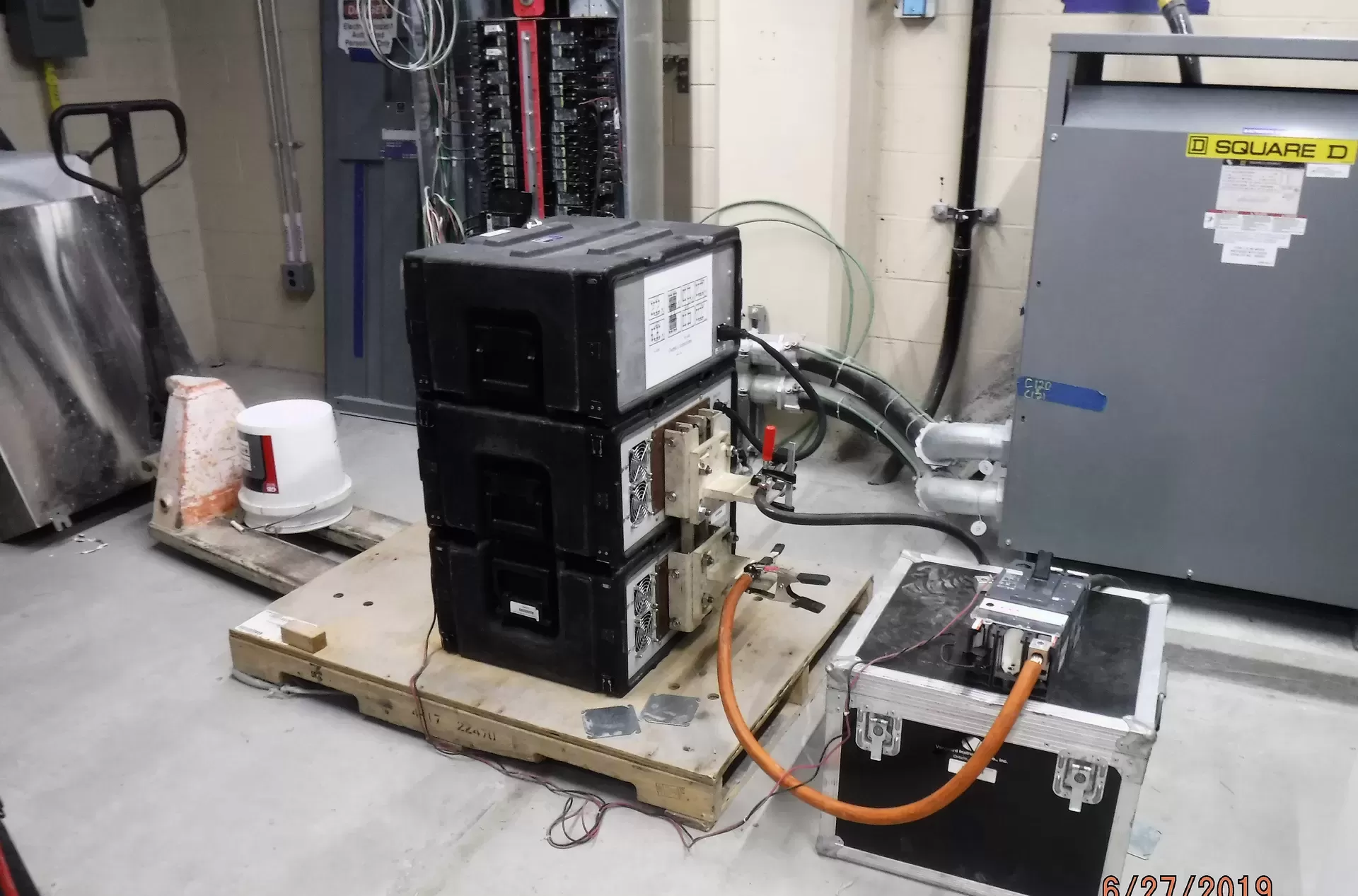
Inspection for clinics
Medical and dental offices have extra rules
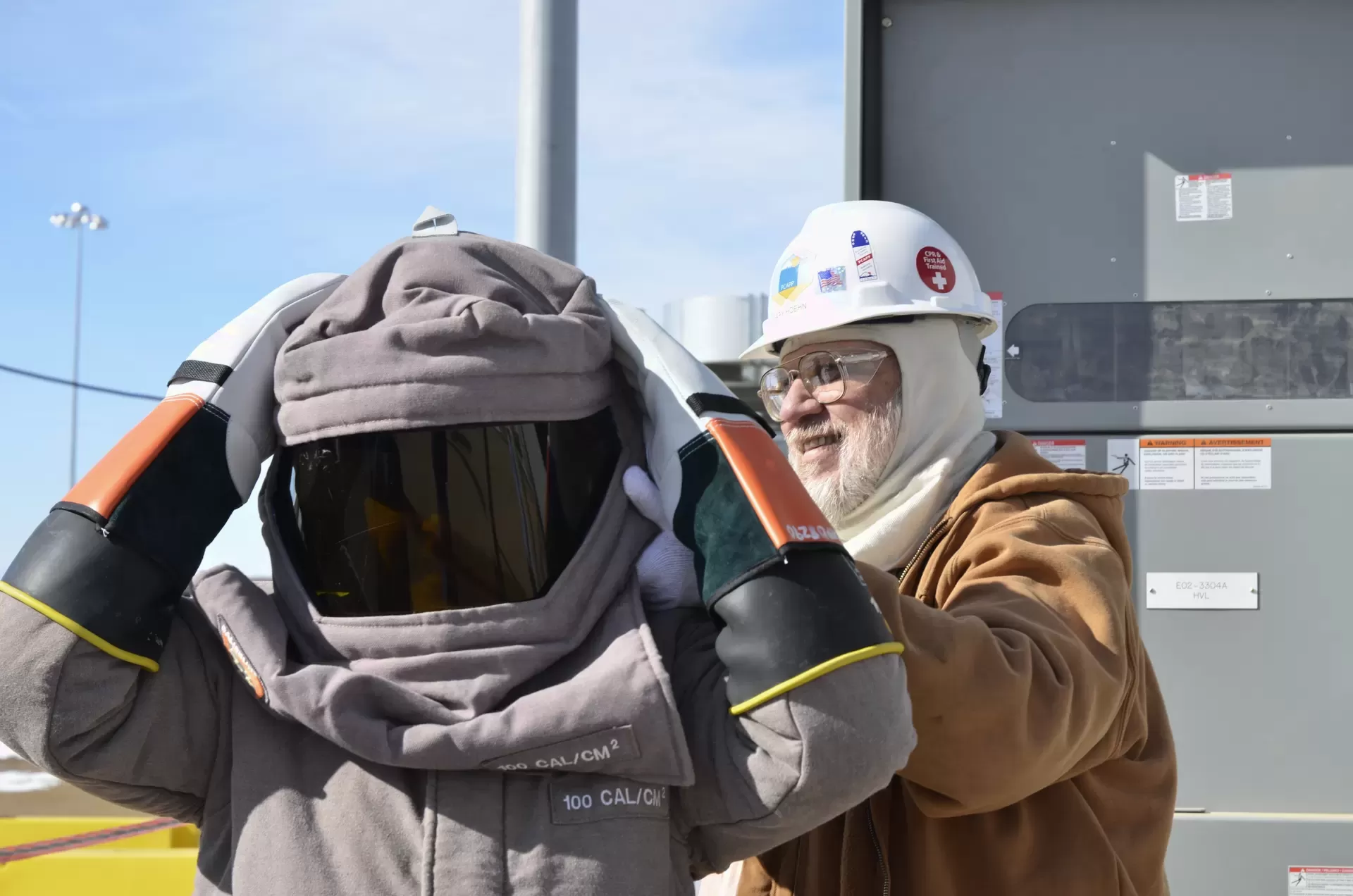
The provincial code's health care rules reach well past hospitals: ESA lists dentists, family practices and physio clinics among the facilities they cover. Requirements depend on how the operator classifies each patient care area. We inspect clinic electrical systems with that in mind and help owners understand what ESA will ask for. See our dental office electrician page for details.

Questions
Frequently asked questions
What an inspection covers
What do electricians look for during a commercial electrical inspection?
They look for signs of heat, arcing and moisture on equipment, loose or damaged connections, protection that does not match the wiring, missing covers and barriers, poor grounding, blocked electrical rooms and outdated panel directories. In multi-tenant buildings they also look for overloaded tenant panels and abandoned live circuits. Each finding is photographed, located and ranked by urgency in the written report.
What is the difference between an electrical inspection and electrical testing?
An inspection is mostly visual and thermal, done with the equipment running, and tells you where problems are likely. Testing uses instruments on equipment that is usually shut down and locked out, such as insulation resistance and breaker trip tests, and gives measured values. Inspection points to where testing is needed, and testing confirms condition. Many facilities do both on a planned schedule.
Does an electrical equipment inspection require a power shutdown?
Usually not. A visual inspection and a thermal scan happen while the gear is live and carrying its usual load, which is when heat problems show. Our electricians only open covers where it is safe to do so and wear the right PPE under CSA Z462. If the inspection finds something that needs a closer look inside de-energized gear, we plan that for a scheduled outage.
What is included in an electrical safety audit for a workplace?
An electrical safety audit reviews your written electrical safety program, lockout procedures, arc flash study and labels, PPE, energized work permits and training records, then checks them against how work is really done on site. It is measured against CSA Z462 and Ontario regulations. The output is a list of gaps with practical fixes, ranked by risk to workers.
Ontario rules
Will ESA inspect my building if I ask for a condition check?
ESA inspects electrical work that a licensed contractor has notified to it, to confirm the work meets the Ontario Electrical Safety Code. It is not a general condition survey service for existing buildings. A condition inspection of your whole system is arranged privately, through a licensed electrical contractor or engineer. If that inspection leads to repairs, the contractor notifies the work and ESA may inspect it.
Can a business do its own electrical work in Ontario?
Usually not. Apart from a few exemptions that ESA can explain, electrical work in Ontario must be done by a business holding an electrical contractor licence, and that still applies when the work comes to you through a general contractor. Get the licence number in writing and look it up on ESA's site before anyone starts. KCS's contractor licence is #7014042.
Which electrical code applies to commercial buildings in Ontario in 2026?
Since May 2025, Ontario has used the 2024 Code, its 29th edition. That book reproduces CSA C22.1:24, the Canadian Electrical Code Part I, and adds Ontario's own amendments. New work and alterations we carry out are done to this edition.
Does electrical equipment in an Ontario workplace need CSA approval?
Yes, in industrial establishments. Section 40 of Ontario Regulation 851 requires electrical equipment, insulating materials and conductors to be suitable for their use and certified by CSA or ESA. During an inspection we note any equipment without a recognized certification mark so the owner can deal with it.
What signage does Regulation 851 require on electrical rooms?
Section 41 of Regulation 851 requires the entrance to a room or enclosure with exposed live parts to carry a conspicuous warning sign that forbids entry by unauthorized persons. During an inspection we check that these signs are present and readable, that the rooms are not being used for storage, and that working space in front of equipment is kept clear.
Frequency and timing
How often should a commercial building have an electrical inspection?
Once a year is a sound baseline for distribution equipment, and twice a year for critical or harsh-environment equipment, which mirrors the visual and thermal intervals NFPA 70B published in its 2023 edition. Inspect outside the cycle after a flood or fire, before buying or leasing a building, when adding major loads, or when an insurer asks.
How long does an on-site electrical inspection usually take?
It depends on the size of the facility and the number of electrical rooms. A small commercial building with a single service is usually done within a day; a plant with several main electrical rooms, MCC rooms and process areas takes longer. We give you a time estimate after a short call about your site, and we schedule around your operation.
When do you need an electrical inspection before buying a commercial property?
Before you waive conditions. A pre-purchase electrical inspection shows the condition, capacity and obvious code concerns of the base building system, so you can negotiate or budget for repairs. It covers the service, main distribution, tenant panels and electrical rooms, with load readings where useful. A thermal scan adds a view of hidden heat problems.
Cost and reports
How is the price of an electrical inspection worked out?
What you pay comes down to how many rooms and how much gear we walk, whether a thermal scan is included, whether the work must be done after hours, and the report format your insurer or owner needs. We quote after a short scoping call or site visit, so the quote matches your actual facility rather than a generic rate.
What does an electrical inspection report include?
It lists each finding with its location, a photo, an explanation and a recommended fix, ranked as immediate, plan soon or improve. Thermal entries show how hot the part ran compared with its neighbours and how loaded the circuit was. It also records the equipment inspected, the conditions on the day and any items that could not be accessed. Hazards to people are reported to you on site before the written report.
Can KCS fix the problems found in the inspection?
Yes. Our licensed electricians can quote and complete the corrections under our ESA/ECRA licence, file the ESA notification where required, and re-check each repair. You are free to use any licensed contractor for the work; the report is written so that any qualified electrician can act on it.
Special facilities
Do dental and medical clinics need a different kind of electrical inspection?
They need the same basic inspection plus attention to the health care rules in the provincial code, rules that reach dental and physician practices, not just hospitals. Requirements depend on how the clinic administrator classifies each patient care area under CSA Z32. ESA needs that classification document, or a letter stating there are no classified areas, when it inspects new work.
Can you inspect a plant while production lines are running?
Yes, and for a thermal scan we prefer it, because heat problems are easiest to see under normal load. Our electricians work around moving equipment and follow your site rules and permits. Anything that needs covers removed or equipment isolated is scheduled with your maintenance team for a planned stop.
Related services
Related services
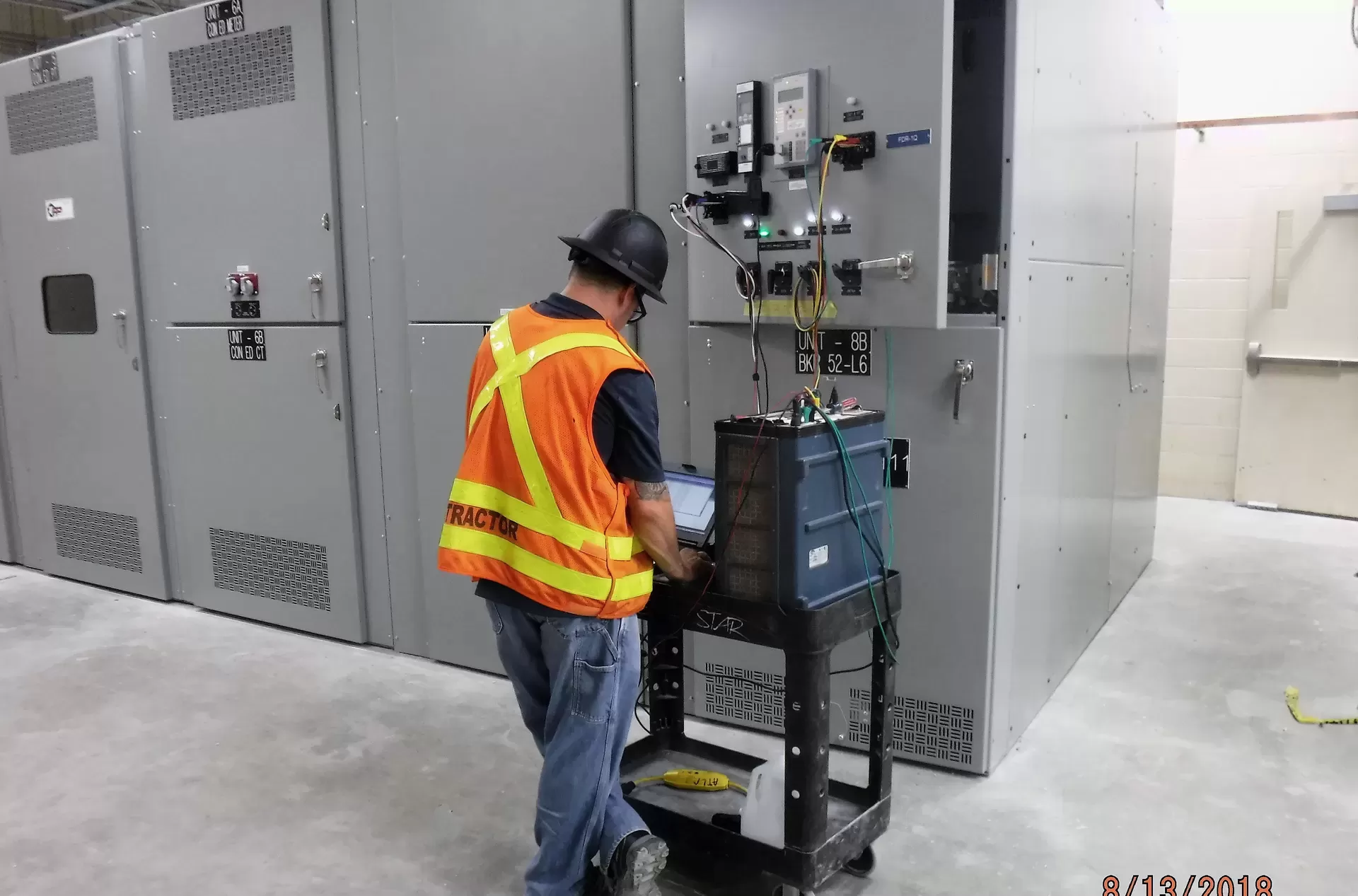
Electrical Preventive Maintenance
A written program of scans, cleaning, tightening and tests for switchgear, panels and transformers, aligned with CSA Z463 and NFPA 70B.
View serviceElectrical Testing Services
Measured tests on breakers, cables, transformers, relays and generators, recorded so results can be trended visit to visit.
View service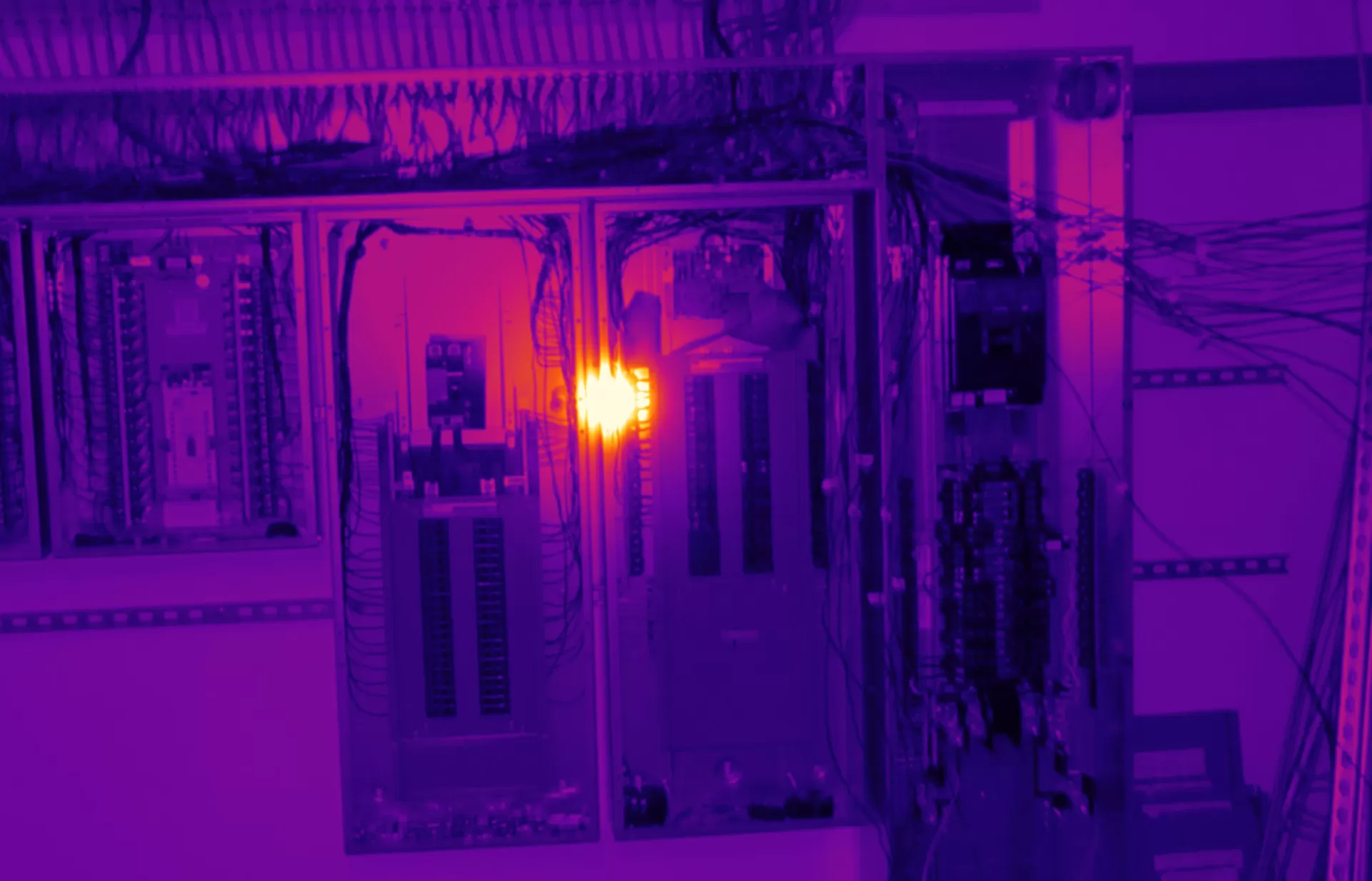
Infrared Electrical Thermography
Thermal scans of energized switchgear, panels and motor controls by Level II thermographers, with rated findings and repairs by licensed electricians.
View service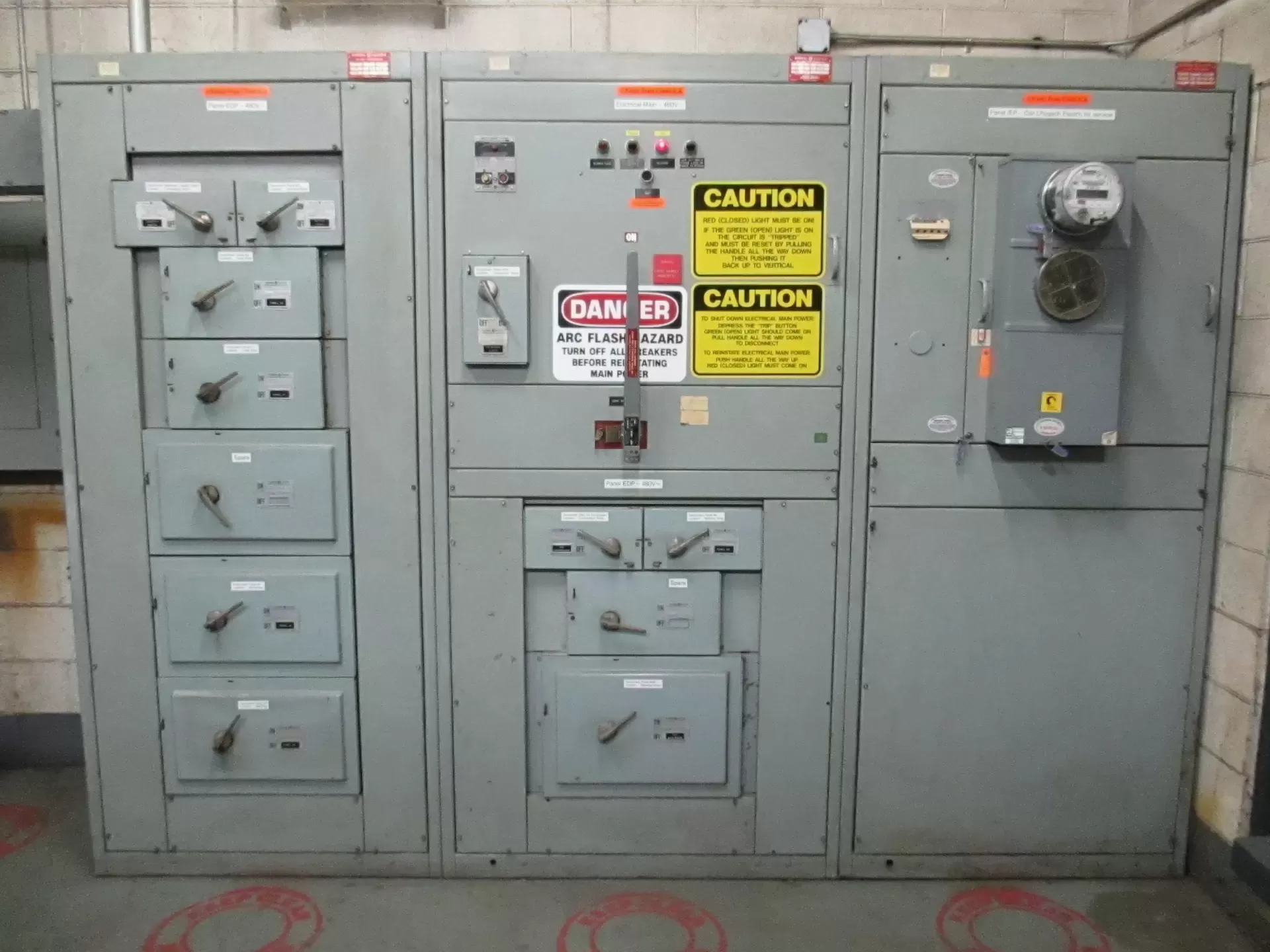
Electrical Panel Inspection
Panelboard, switchboard and disconnect switch inspection with thermal scans, torque checks and a written condition report.
View serviceArc Flash Study
Arc flash assessment, incident energy results and CSA Z462 arc flash labels so your electricians know the hazard at every piece of gear.
View service
Commercial Electrical Maintenance
Commercial electricians for property managers: building maintenance, tenant work, infrared scans and records for GTA properties.
View service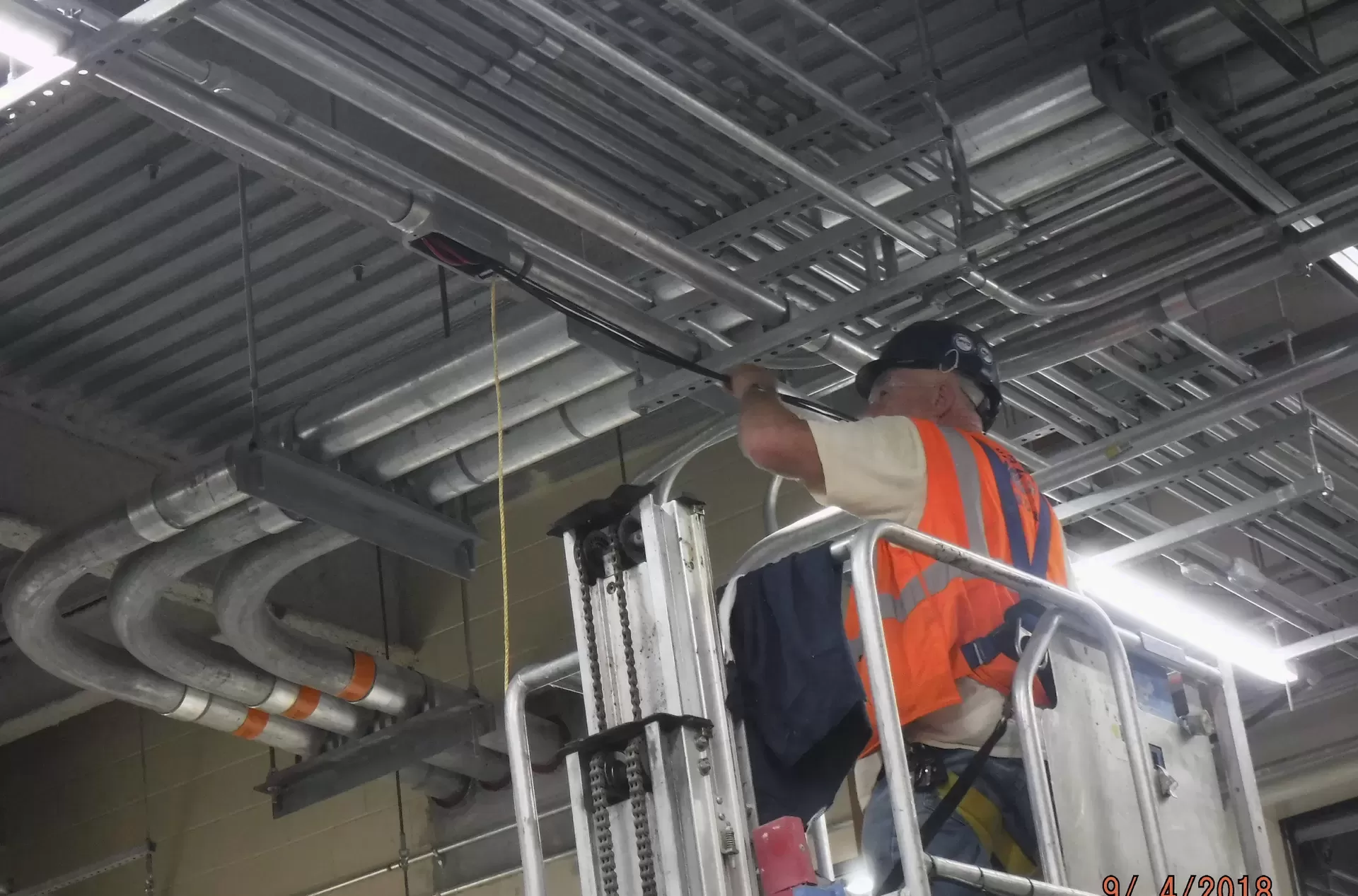
Request a callback
Plan your next electrical maintenance program with KCS
Tell us about the site and the equipment. A licensed electrician reviews it and calls you back.
- ESA/ECRA licence #7014042
- COR certified, ISNetworld, Avetta and ComplyWorks
- Work planned around shutdowns and tenant hours
- Emergency response for maintenance-contract clients
Send your request
We reply during business hours: Open daily, 9 a.m. to 9 p.m.