
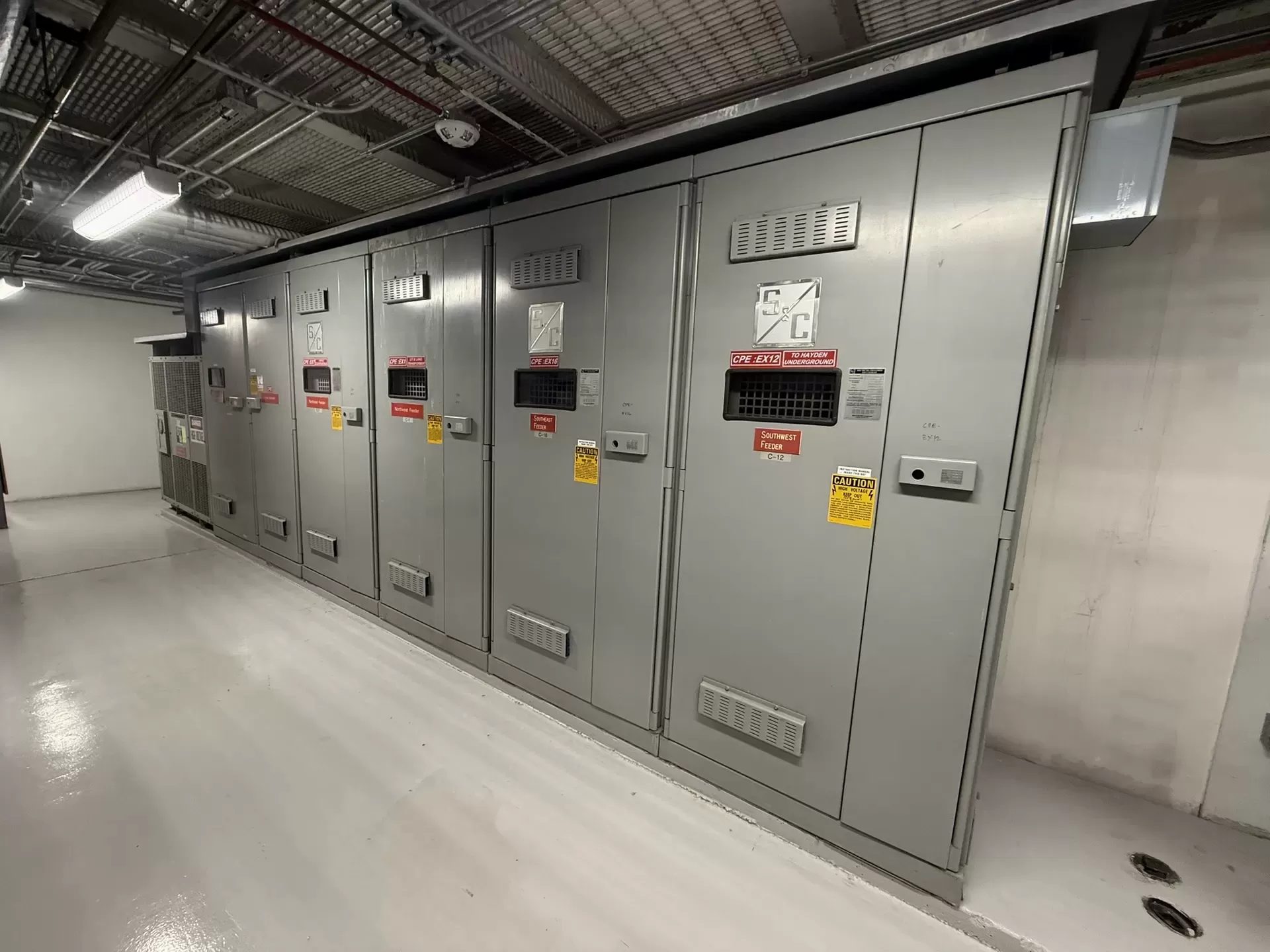
IR viewing windows
Infrared Windows for Switchgear and IR Viewing Window Installation
Infrared windows let a thermographer scan switchgear, transformer compartments and bus connections through closed doors, so routine scans no longer mean removing energized covers. We plan the locations, confirm the approval route, and install during one planned outage.
- Level II certified thermographers
- ESA/ECRA #7014042
- COR certified (IHSA)
- Insured and WSIB covered
Request a callback
A licensed electrical contractor calls you back, usually the same business day.
Updated Reviewed by KCS Group licensed electricians
What an IR Viewing Window Does
An IR viewing window is a permanent port fitted into a switchgear, MCC, transformer or bus enclosure that lets a thermographer image the connections inside without removing a cover. The enclosure stays closed and latched while the scan is taken, and a protective cover closes the port between scans.
Ordinary glass and acrylic block most of the infrared energy a thermal imager reads, so a window uses an optic chosen to pass that energy: a crystal lens, an infrared-transmitting polymer, or a fine metal grille in some designs. Each type passes a known share of infrared, and the thermographer enters that transmission value into the imager so temperature readings stay meaningful.
Windows are usually round ports of a few standard sizes, mounted through a cut-out in the door or cover panel and bolted from the inside. Positions are chosen so the field of view takes in the cable terminations, bus joints or breaker connections that matter most. Done well, one window can replace the routine removal of a heavy bolted cover every time the equipment is scanned.
If you are still deciding whether to scan at all, start with infrared electrical thermography. This page is for owners who already scan, or plan to, and want to do it through closed doors.
What Infrared Windows Change, and What They Do Not
Infrared windows change how the scan is done: covers stay on, so the routine thermal survey no longer requires exposing energized parts. They do not change the hazard inside the equipment, and they do not replace your arc flash study, labels or PPE rules for any task that still opens the gear.
| Question | With IR windows | Without IR windows |
|---|---|---|
| Are covers removed for routine scans? | No, imaging is through the closed door | Yes, under a CSA Z462 risk assessment |
| Is the arc flash hazard inside reduced? | No, the hazard is unchanged | No |
| Is an arc flash study still needed? | Yes | Yes |
| Can scans be done more often? | Easier, with less preparation per scan | Each scan needs cover removal and PPE |
| Can every component be seen? | Only what is in the window's field of view | Whatever is exposed once covers are off |
| Is an outage needed? | Once, to install the windows | Not for scanning |
Windows also change the paperwork. Because the door stays shut, the scan itself no longer counts as a task that exposes energized parts, which simplifies the permit and PPE planning around routine surveys. That only holds while the window cover is the only thing opened; the moment a door or cover comes off, the full risk assessment applies again.
The main benefit is exposure: fewer occasions on which a worker stands in front of open, energized equipment. A second benefit is time; routine scans become quicker once covers no longer need to come off. The trade-off is line of sight. A window shows only what it was positioned to show, so placement planning is the most important part of the job. For the hazard itself, see our arc flash study service.
Where IR Windows for Switchgear Make the Most Sense
Infrared windows for switchgear make the most sense where covers are bolted, where the arc flash rating for opening the gear is high, and where the equipment is scanned often enough that the one-time installation pays back in safer, faster scans. They make little sense on equipment that is easy and low-risk to open.
| Equipment | Fit for IR windows | Why |
|---|---|---|
| Low voltage switchgear with bolted rear covers | Strong | High incident energy, cable terminations hidden behind covers |
| Main low voltage switchboards | Strong | Large bolted panels, critical to the whole site |
| Transformer terminal compartments | Good | Bolted covers over primary and secondary connections |
| Bus duct tap boxes and transitions | Good, case by case | Hard to reach, often overhead |
| Motor control centres | Selective | Useful on feeder sections; individual buckets vary |
| Small branch panelboards | Weak | Covers are light, energy is lower, cost per window is high |
Equipment on a six-month scan cycle is a natural candidate. NFPA 70B (2023 edition) sets that interval for thermography on Condition 3 equipment, which includes critical gear and harsh environments, so a main switchboard scanned twice a year would otherwise have its covers off twice a year, every year, for an infrared inspection that ANSI/NETA MTS lists among its maintenance tests. Plants running regular industrial thermography surveys often add windows to the gear that is hardest to open.
Certified Equipment and the Approval Route in Ontario
Fitting an IR window means cutting into a certified enclosure, and in Ontario that is a modification to certified equipment that needs an approved route before any cutting starts. We confirm that route with you, the equipment manufacturer and the Electrical Safety Authority (ESA) at the planning stage.
ESA expects changes to certified equipment to be carried out by the company that built it, or by agents working on its behalf. Depending on the gear, the practical paths include:
- Manufacturer-supplied parts. Some switchgear makers offer replacement doors or covers with windows already fitted, or approve specific windows for their product.
- Manufacturer approval for field installation. Written approval for a particular window, size and location, which we follow exactly.
- A field evaluation or other route ESA accepts, where the original manufacturer no longer supports the gear.
Arc-resistant switchgear needs particular care. Its rating depends on the enclosure holding together and venting as designed, so any opening must be approved by the manufacturer for that line-up. We will not cut an arc-resistant enclosure on our own judgement.
The window itself should carry certification and ratings suited to the enclosure it goes into, including its environmental rating, so the enclosure keeps its protection against dust and moisture. These checks are part of our quote, so you know the route before you commit.
Planning Window Locations for Full Line of Sight
Window placement decides what you will be able to see for the life of the equipment, so we plan it from the inside: which connections carry load, where heat would show first, and what blocks the view. A window in the wrong spot is just a hole with a lid.
- Target list. From drawings and an internal inspection during an outage, we list the targets: incoming cable lugs, bus splices, breaker line and load connections, CT connections and outgoing terminations.
- Field of view. For each target we check distance, angle and obstructions such as barriers, shutters and cable bundles. Sometimes two smaller windows give a better view than one large one.
- Clearances. Windows must clear internal live parts, door hinges, latches, nameplates and labels, and must not weaken structural members.
- Layout drawing. We produce a marked-up layout showing each window, its ID and what it is meant to see, for your approval and for the manufacturer where their approval is needed.
- Labelling. Each window gets an ID label that matches the scan report, so future thermographers know exactly what each port covers.
Where some targets simply cannot be seen through any practical window, we say so. Those points stay on a list for inspection during planned outages, often as part of switchgear maintenance.
IR Viewing Window Installation Day: Outage, Cut-Out and Baseline
IR viewing window installation needs one planned outage per piece of equipment, because cutting into an enclosure is never done with the gear energized. After installation the equipment is restored and given a first baseline scan through the new windows.
- Isolation. Supply to the gear is isolated, then locks and tags go on in line with Ontario Regulation 851 and our written procedures, coordinated with your own lockout program, and absence of voltage is verified before work begins.
- Debris control. Doors or covers are removed and taken to a work area where possible. Where the cut has to be made in place, the interior is shielded so no metal chips or dust reach bus or insulators.
- Cut-out and mounting. Holes are cut to the window maker's template, deburred, and the windows fitted and tightened to their stated torque, with gaskets in place.
- Inspection and restore. The enclosure is inspected inside for debris, covers are refitted, and the equipment is returned to service following your switching procedure.
- Baseline scan. Once the equipment carries normal load, we image through each window, confirm the field of view matches the plan, and record baseline readings.
Where windows go into new gear or a replacement lineup, the work is checked as part of acceptance testing to ANSI/NETA ATS (2025 edition) before energization, and on a full new installation, ANSI/NETA ECS (2024 edition) covers commissioning of the whole system at start-up. We often combine window installation with other outage work, such as cleaning, bolt torque verification and electrical tests, so one shutdown covers several tasks. As a licensed contractor (ESA/ECRA #7014042), we file any notification the work requires.
How Thermographers Scan Through an IR Window
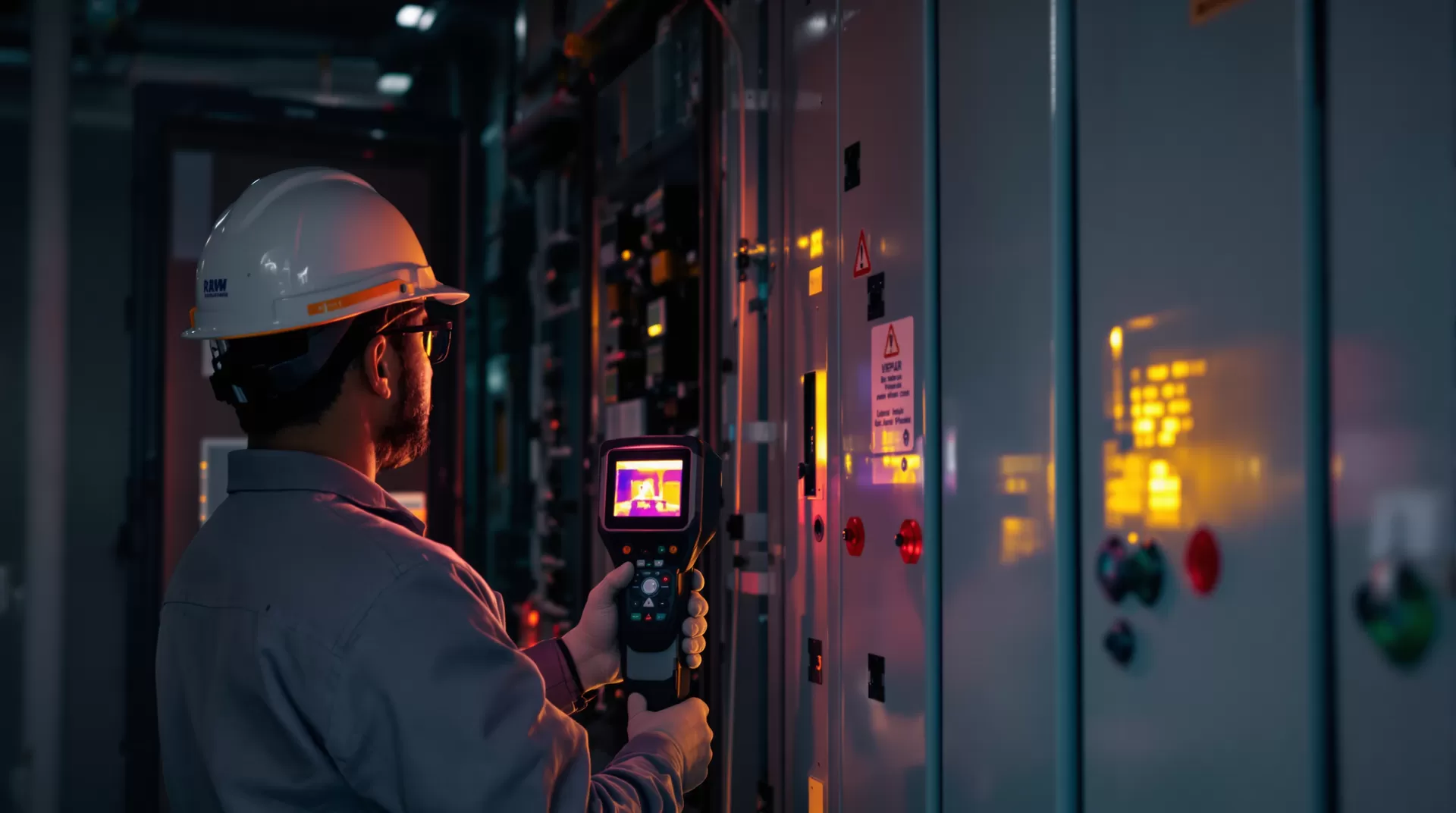
Scanning through an IR window requires the thermographer to correct for the optic's transmission, keep a consistent viewing angle, and watch for reflections, so the readings can be compared to scans done with covers off and to previous scans through the same window. Our Level II certified thermographers record these settings for every window.
The window's transmission value, the emissivity of the target surface and the distance are entered into the imager before each image. Viewing straight on gives the most reliable reading; steep angles reduce what the window passes and can create reflections from the optic itself. Visible-light photos taken through the window, where the design allows, help confirm what each thermogram shows.
Because the same window gives the same view every time, trending is easier than with covers off. That consistency is one reason windows are popular in predictive maintenance programs where small changes between scans matter.
Caring for Windows and Keeping Records
IR windows need little care, but they do need some: keep the covers closed, keep the optic clean and undamaged, and keep each window's ID and transmission value in your maintenance records. A scratched or dirty optic quietly reduces the accuracy of every future scan.
- Check covers and gaskets at each scan, and replace damaged covers promptly.
- Clean optics only as the window maker directs; some materials are sensitive to moisture or solvents.
- Keep a register of windows with location, ID, size, optic type and transmission value.
- Note any window whose view has been blocked by later changes inside the gear, such as added cables or barriers.
We add the window register to your electrical preventive maintenance records, so window checks happen automatically during each visit.
Project path
From candidate gear to baseline scan
Assess the gear
We review labels, scan history and how covers are fastened, then pick the sections where windows earn their place.
Confirm the route
Manufacturer parts, written approval or another ESA-accepted path is settled before any cutting is planned.
Install in one outage
Equipment is locked out, windows fitted with debris control, and the interior inspected before restore.
Baseline through the port
Each window is imaged under load, its view confirmed, and its details added to your register.
Closed-door scanning
Fewer open doors on energized gear
Once windows are in, routine surveys happen with doors latched. The thermographer works from a register listing each window's ID, view and transmission value, so readings stay consistent survey after survey.
Arc flash rules still apply to any task that opens the equipment; windows reduce how often that happens.
Questions
Infrared window questions
Basics
What is an infrared window on electrical switchgear?
It is a permanent viewing port fitted into a switchgear door or cover, with an optic that passes infrared energy. A thermographer can image the connections inside while the door stays closed and latched. A protective cover closes the port between scans so the enclosure keeps its protection.
Do infrared windows eliminate the arc flash hazard?
No. The hazard inside energized equipment is unchanged. What windows reduce is how often covers must be removed for routine thermal scans, which reduces exposure to that hazard. Your arc flash study, labels and PPE requirements still apply to any task that opens the equipment.
Are infrared windows required by code in Ontario?
No Ontario regulation we work under makes IR windows compulsory on switchgear in general. They are an engineering choice made to reduce exposure during scans and make thermography easier. Some owners write them into their own engineering standards for new or critical gear, alongside acceptance testing to ANSI/NETA ATS when that gear is installed.
Can ordinary glass or acrylic be used as a viewing window for thermal scans?
No. Glass and acrylic block most of the infrared energy a thermal imager reads, so readings through them are meaningless. IR windows use optics chosen to pass infrared, such as crystal lenses, infrared-transmitting polymers or metal grilles, each with a known transmission value.
How many IR windows does a switchgear lineup usually need?
It depends on how many targets need to be seen and how far they sit from the door. Some sections need one window, others need two or three to cover incoming cables, bus joints and outgoing terminations. We plan the number from an internal inspection, not from a fixed rule.
Installation
Does installing infrared windows require shutting down the equipment?
Yes. Cutting into an enclosure is only done with the equipment de-energized, locked out and verified. Each piece of equipment needs one planned outage for installation. We often combine it with cleaning, torque checks or testing so the shutdown covers several tasks.
Can you install IR windows on older switchgear from a discontinued manufacturer?
Often yes, but the approval route is different. Where the original manufacturer cannot support the modification, we discuss a field evaluation or another route ESA accepts before any cutting. Some very old gear is better scanned with covers off, or replaced, and we will say so.
Will cutting an IR window into the door void the equipment certification?
It can, if done without an approved route. Because ESA expects the original maker, or someone acting for it, to handle changes to certified gear, we use manufacturer-supplied parts, written manufacturer approval or another accepted route before cutting. On arc-resistant gear, manufacturer approval is essential.
Can IR windows be fitted to arc-resistant switchgear?
Only with the switchgear manufacturer's approval for that specific line-up, window and location, because the arc-resistant rating depends on the enclosure performing as tested. Some manufacturers offer approved window options or factory-fitted doors. We will not modify arc-resistant enclosures without that approval.
Do IR windows affect the dust and moisture rating of an enclosure?
A properly specified and installed window, with its gasket and cover, is designed to maintain the enclosure's environmental rating. That is why the window's own ratings must suit the enclosure it goes into, and why we check gaskets and covers at each scan.
Using the windows
Are temperature readings through an IR window accurate?
They can be, provided the thermographer enters the window's transmission value, the target's emissivity and the distance, and images from a consistent, near-perpendicular angle. Readings through a dirty, scratched or misidentified window can be misleading, which is why we keep a register with each window's details.
Can our own maintenance staff scan through IR windows?
Yes, if they have a suitable thermal imager and thermography training, and the window register gives them the transmission values. Many owners use their staff for quick checks between professional surveys. A full survey by a certified thermographer remains the basis for the official report and trending.
What maintenance do infrared windows need over time?
Keep covers closed, check gaskets and covers at each scan, clean the optic only as the maker directs, and replace damaged covers or optics. Record any internal changes that block a window's view. Little else is needed, but neglect slowly reduces scan accuracy.
Do IR windows let us scan more often without extra cost?
They usually make each scan quicker because covers do not need to come off and less PPE preparation is required. That makes shorter scan intervals easier to justify on critical gear. Whether total cost falls depends on how often you scan and how difficult the covers were to remove before.
Can you assess whether our switchgear is a good candidate for IR windows?
Yes. We review your equipment list, arc flash labels, scan history and how covers are fastened, then inspect the gear during an outage if needed. You receive a recommendation per section, including where windows are not worth installing, with the approval route for each.
Related services
Related services
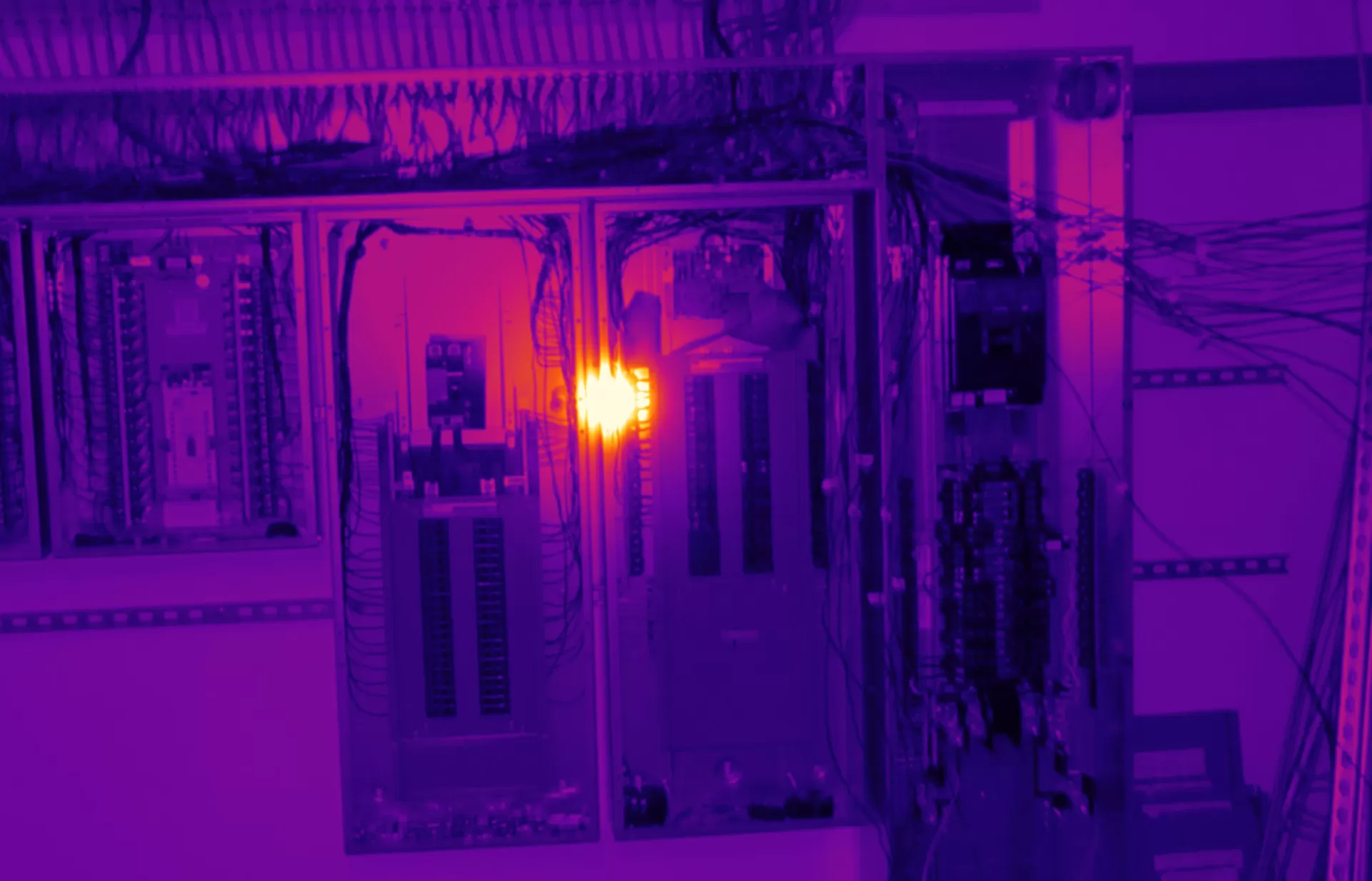
Infrared Electrical Thermography
Thermal scans of energized switchgear, panels and motor controls by Level II thermographers, with rated findings and repairs by licensed electricians.
View service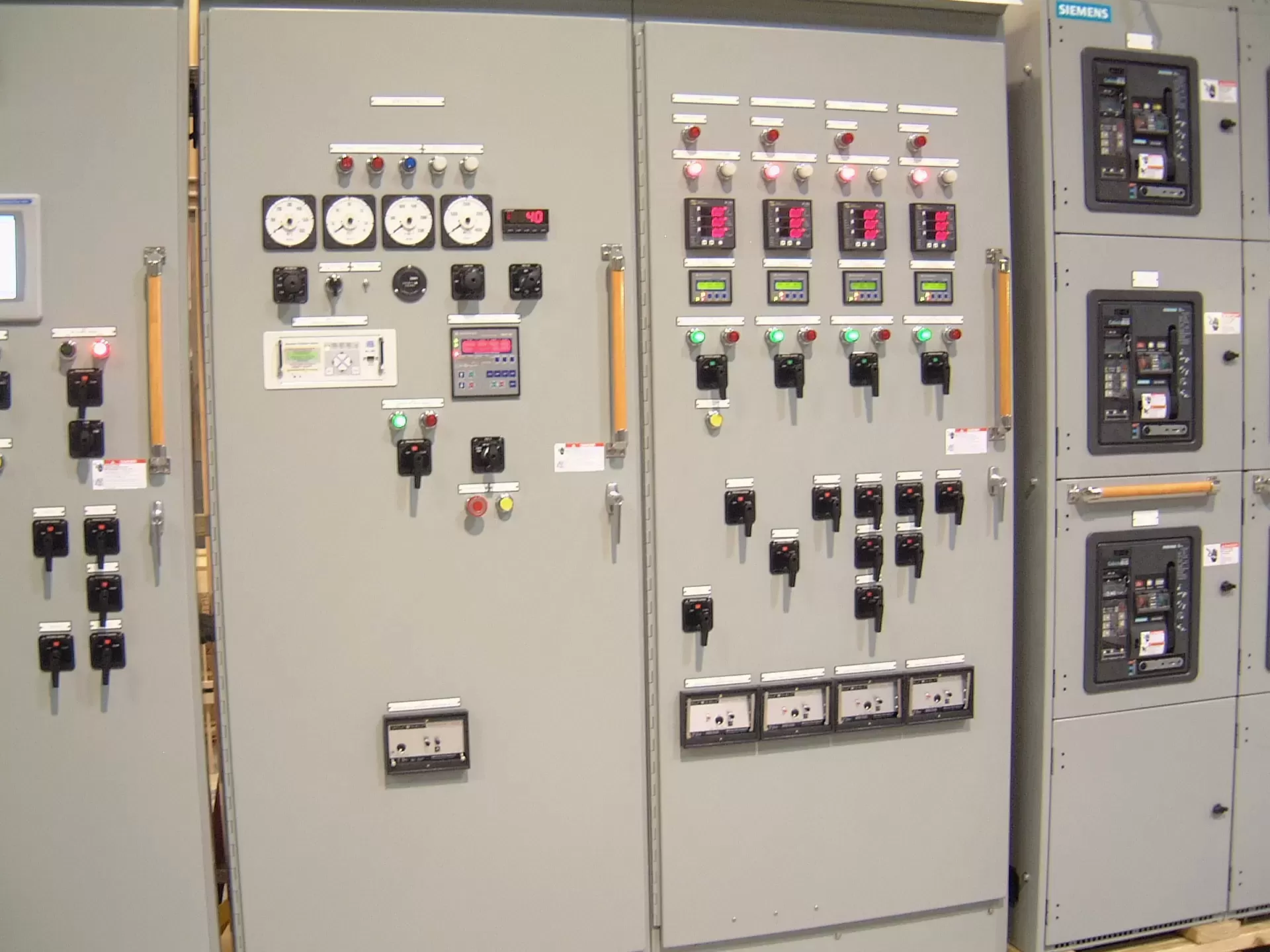
Switchgear Maintenance
Switchgear maintenance and inspection for low voltage lineups and switchboards, planned around shutdown windows and documented section by section.
View service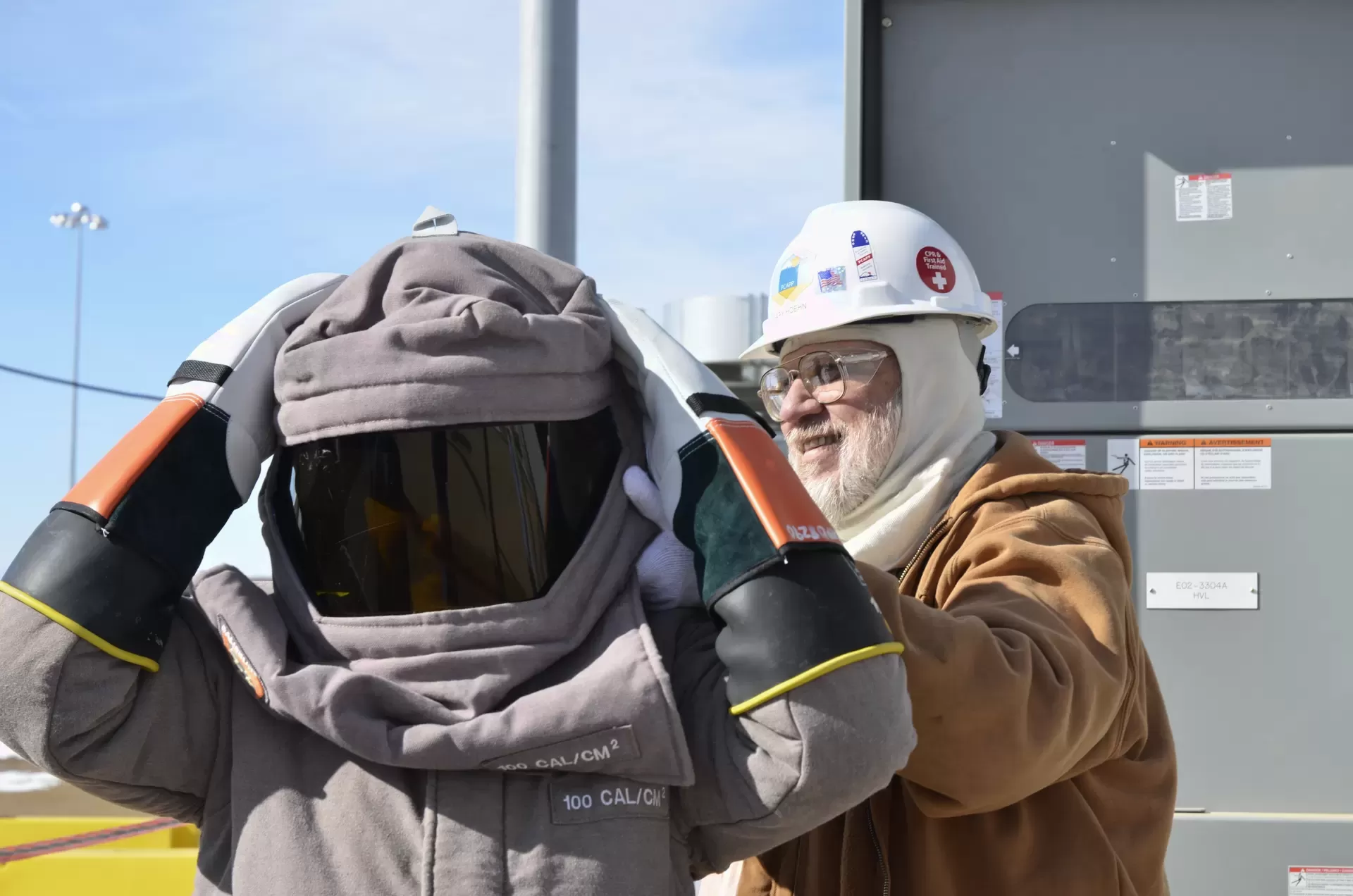
Arc Flash Study
Arc flash assessment, incident energy results and CSA Z462 arc flash labels so your electricians know the hazard at every piece of gear.
View service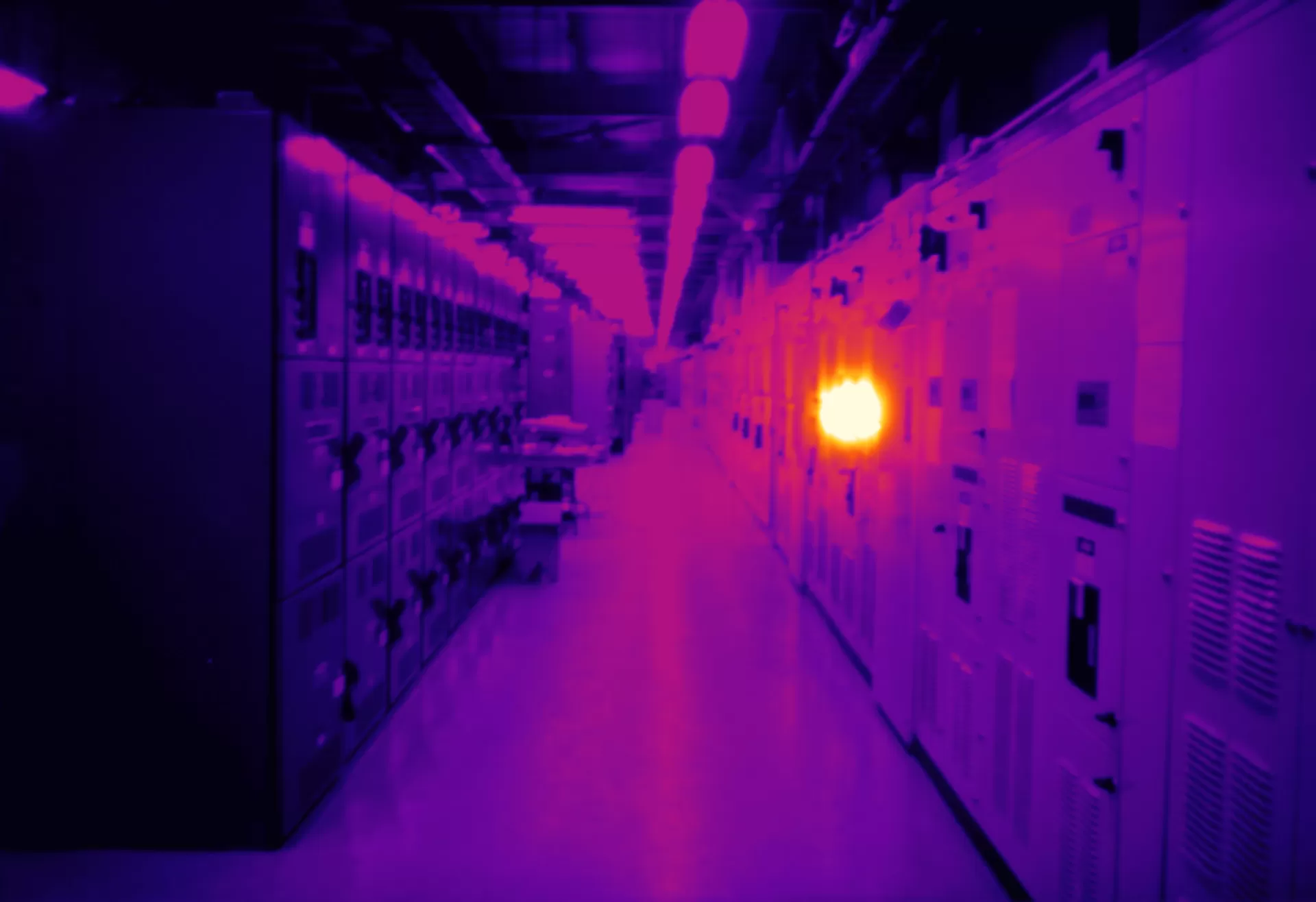
Industrial Plant Thermography
Thermographic surveys of manufacturing plants under production load, with trended findings, shutdown-ready work lists and licensed repairs.
View service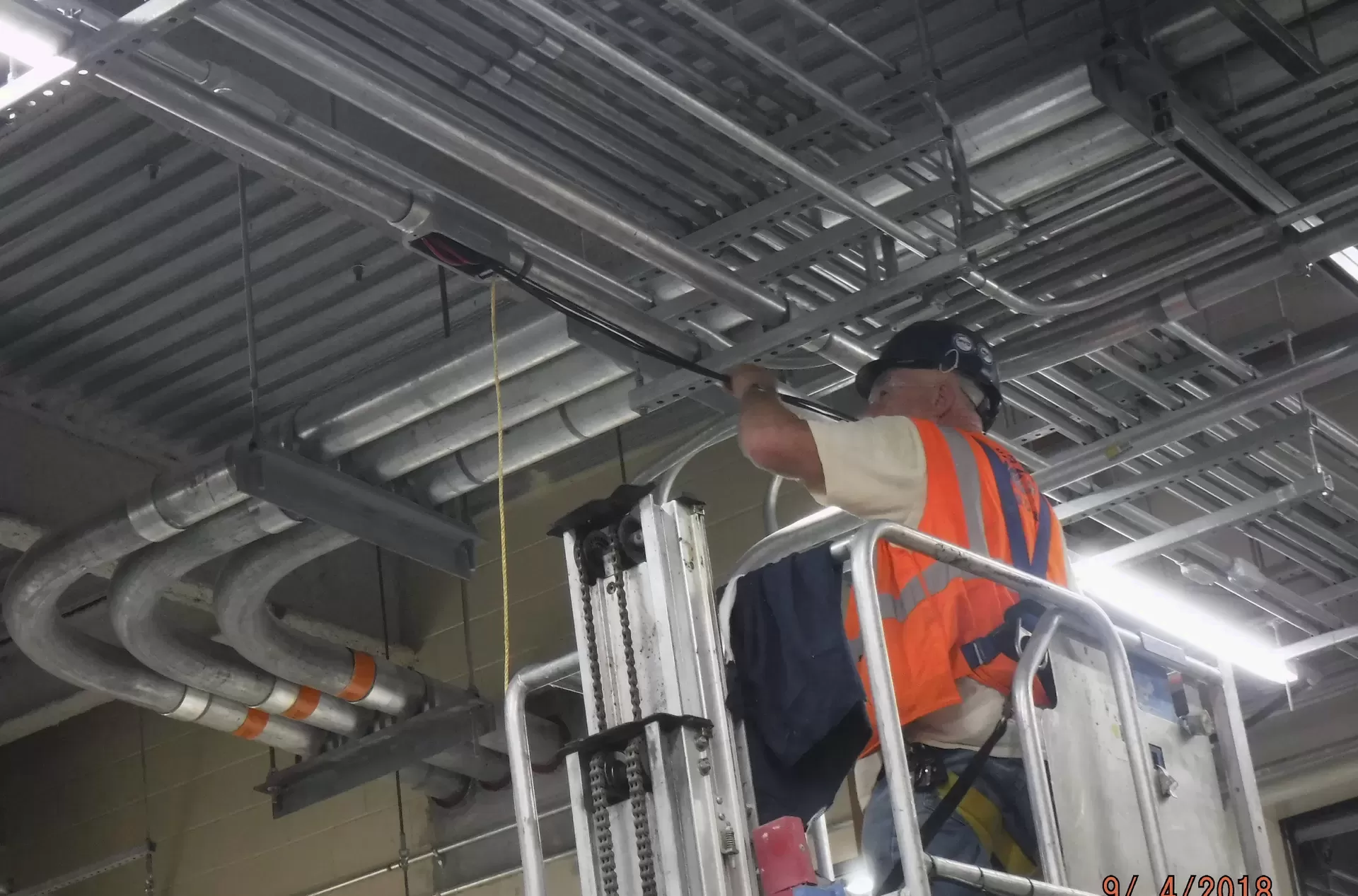
Predictive Electrical Maintenance
Condition monitoring and trended test data that show which electrical equipment is degrading, so repairs happen before a failure.
View service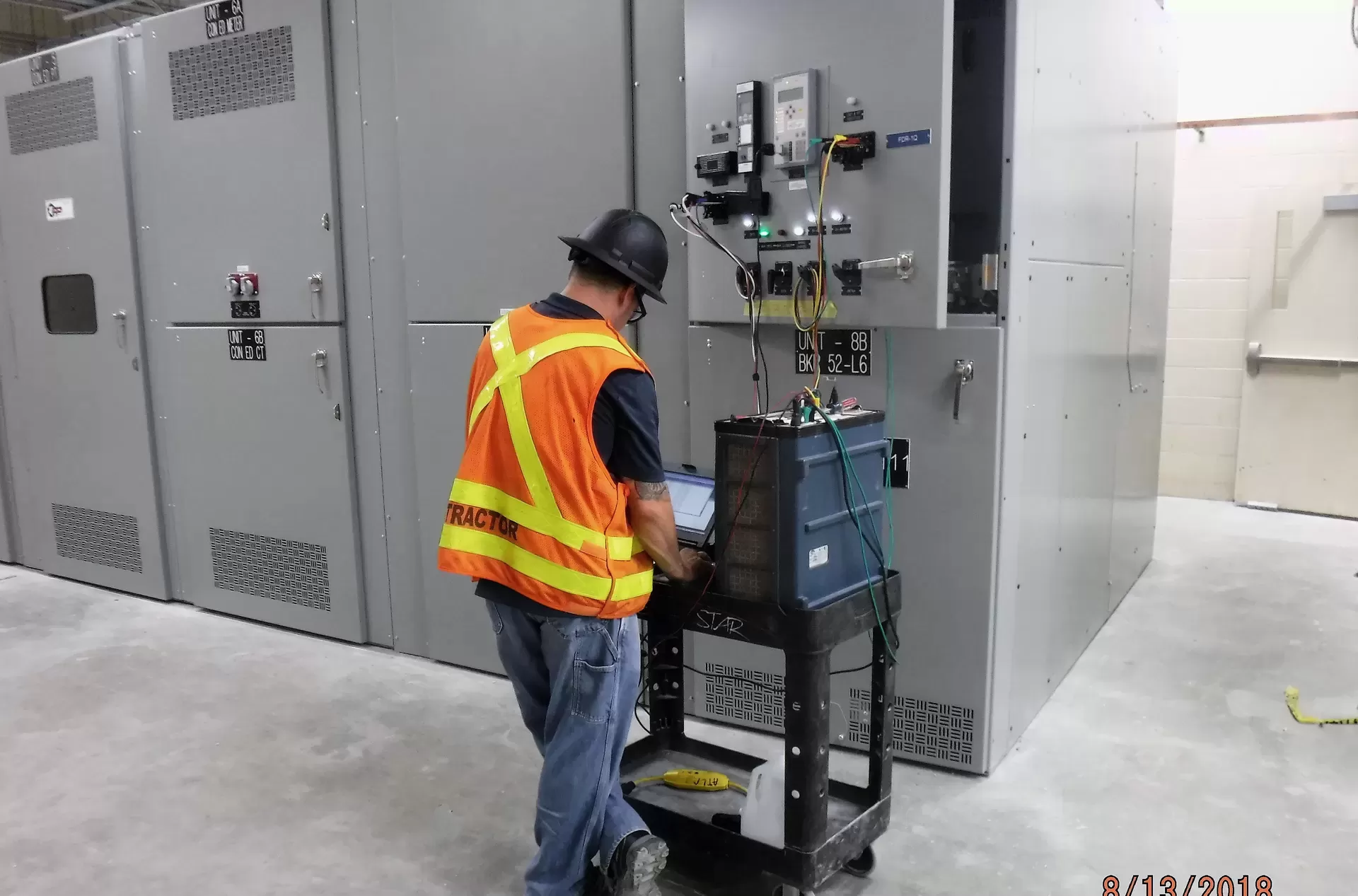
Electrical Preventive Maintenance
A written program of scans, cleaning, tightening and tests for switchgear, panels and transformers, aligned with CSA Z463 and NFPA 70B.
View serviceRequest a callback
Plan your next electrical maintenance program with KCS
Tell us about the site and the equipment. A licensed electrician reviews it and calls you back.
- ESA/ECRA licence #7014042
- COR certified, ISNetworld, Avetta and ComplyWorks
- Work planned around shutdowns and tenant hours
- Emergency response for maintenance-contract clients
Send your request
We reply during business hours: Open daily, 9 a.m. to 9 p.m.