
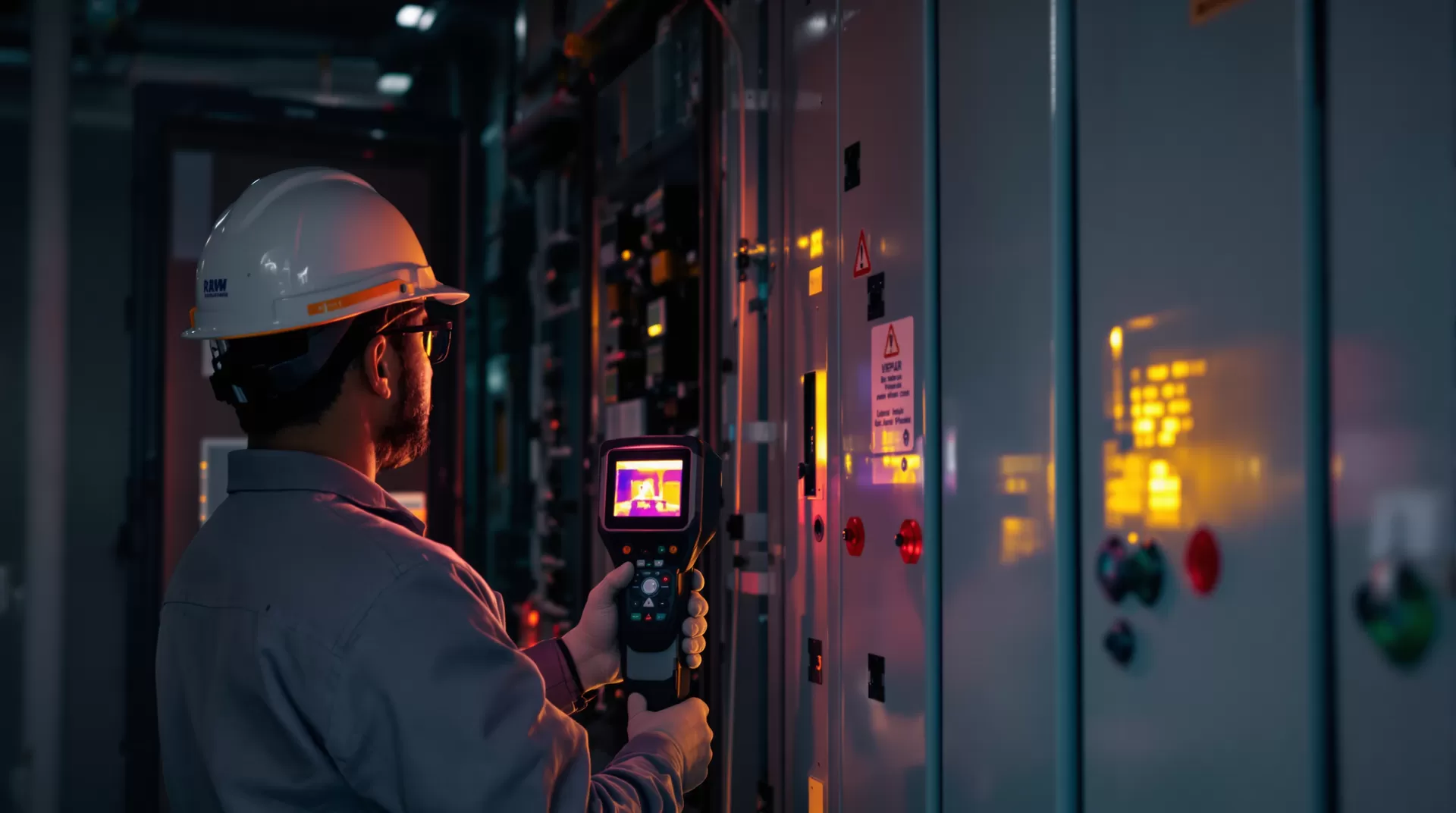
Building thermography
Commercial Building Electrical Thermography in the GTA
Commercial building electrical thermography finds overheating switchboards, floor panels and tenant equipment while your building stays fully occupied. Property managers get one consistent report format across every property, with findings tagged base building or tenant.
- Level II certified thermographers
- ESA/ECRA #7014042
- COR certified (IHSA)
- Insured and WSIB covered
Request a callback
A licensed electrical contractor calls you back, usually the same business day.
Updated Reviewed by KCS Group licensed electricians
What Commercial Building Electrical Thermography Covers
Commercial building electrical thermography covers the base building distribution that tenants depend on: the main service and switchboard, splitters and distribution panels, floor and suite panels, and the equipment that keeps lifts, HVAC, parking and life safety systems running. We scan it energized, in normal service, without interrupting tenants.
- Service and main distribution: main switchboard, metering sections, splitters and feeder breakers in the main electrical room.
- Floor distribution: stacked electrical closets, step-down transformers, and the panels feeding each floor.
- Tenant and suite panels: where the lease and access allow, including retail units and restaurants with heavy cooking loads.
- Mechanical loads: rooftop unit disconnects, chiller and boiler starters, pump and fan motor controls, elevator machine room disconnects.
- Parking and exterior: garage lighting panels, ramp heating, gate controls, and electric vehicle charger panels.
- Standby systems: automatic transfer switches and the distribution they feed, when they can be seen carrying load.
Scanning technique is covered in depth under electrical thermography basics. What changes in a commercial building is access, tenants, and who is responsible for which panel.
Infrared Scans for Property Managers With Several Buildings
An infrared scan for property managers works as one program across the portfolio: the same equipment numbering, the same report layout and the same rating scale in every building, so you can compare sites and plan spending from one summary. A pile of one-off reports in different formats is hard to act on.
For portfolio clients we set up:
- A building register listing every electrical room and panel in scope at each address, which becomes the route for every future scan.
- A consistent equipment ID on every report, matched to your labels or to a numbering system we agree with your operations team.
- A portfolio summary ranking findings across all buildings, so the most urgent items rise to the top whichever property they are in.
- Per-building reports that site staff and building operators can use on their own.
- A calendar that spreads visits through the year, so scans fall at representative load and your team is not managing every building in the same month.
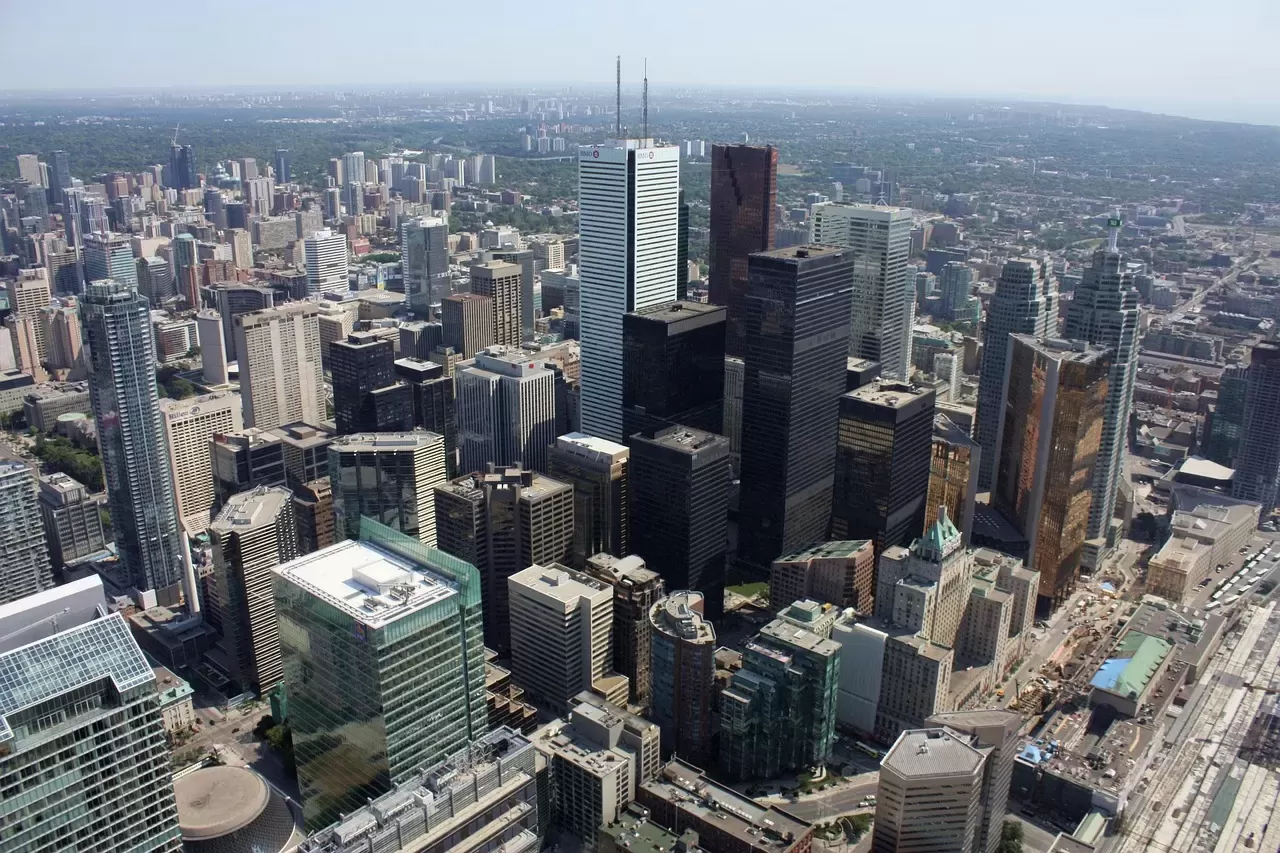
This structure is useful whether you manage office towers in downtown Toronto, industrial condos in Vaughan, or plazas and medical office buildings in Richmond Hill. Our property management page describes the rest of what we do for portfolio owners.
Scanning Occupied Buildings Without Disturbing Tenants
We scan occupied buildings during business hours because that is when the electrical load is real, and we do it quietly: no power interruption, no noise, and a crew that works around tenant schedules and building rules. Most tenants will not notice the visit beyond a notice in the lobby.
- Notices. We give you a short notice text for tenants, naming the date and explaining that power will stay on.
- Keys and escorts. Your building operator or security team provides access to electrical rooms and suites. Where suites cannot be entered, the panels are listed as not scanned.
- Load timing. Offices are scanned mid-morning to mid-afternoon on working days, restaurants during service, and retail when stores are trading. Cooling-dominated buildings are usually scheduled for summer, when mechanical loads peak.
- Safe access. Licensed electricians remove covers after a CSA Z462 risk assessment and close the room before leaving. Rooms are never left open or unattended.
- Building rules. We follow your contractor sign-in, insurance and orientation requirements and provide a WSIB clearance certificate before the visit.
Our office line is staffed seven days a week, mornings through evenings, which makes it easier to coordinate dates with building staff who work outside regular office hours.
Base Building and Tenant Panels: Who Owns Each Finding
Every finding in our commercial reports is tagged as base building or tenant equipment, based on the responsibility split your leases set out, so you know at once whether the repair is yours to fund or the tenant's to arrange. That single column saves a lot of back-and-forth.
| Equipment | Usually tagged as | Notes |
|---|---|---|
| Main switchboard and feeders | Base building | Serves the whole property |
| Floor distribution panels and transformers | Base building | Often shared between suites |
| Suite panels fed by a tenant meter | Tenant, if the lease says so | Check net lease terms |
| Tenant-installed equipment (kitchens, servers, signage) | Tenant | Often added after the original design |
| Rooftop and central plant disconnects | Base building | Unless a unit is tenant-owned |
| EV charger panels | Depends on who installed them | Record ownership in the register |
The tags follow your instructions; we do not interpret leases. Where ownership is unclear, the finding is marked for your review. Tenant findings can be passed on with the relevant pages only, so tenants do not see the rest of the building report.
How Scans Differ for Offices, Plazas, Industrial Condos and Medical Buildings
The route and the timing change with the kind of building, because each type loads its electrical system differently and gives us different access. Planning around that is what keeps a scan useful instead of a tour of idle panels.
- Office towers. Stacked electrical closets and step-down transformers on each floor, heavy cooling loads in summer, and tenant server rooms that never switch off. Access is usually well organized through building operations.
- Retail plazas and strip malls. Each unit often has its own service or meter, with restaurants and grocery tenants carrying far more load than the original design expected. Unit access depends on tenant cooperation.
- Multi-tenant industrial buildings and condos. Small manufacturers, shops and warehouses share a service, and tenant machinery changes over time. A unit that turned into a machine shop can overload a panel sized for storage.
- Medical office buildings. Clinics, imaging suites and dental offices depend on steady power, so repairs are scheduled with extra care around patient hours. See our healthcare facilities page for that sector.
Mixed portfolios get a route per building type, all reported in the same format. The building register records which type each property is, so the next visit starts with the right plan and the right access arrangements already in place.
Planning a Year of Building Scans
Most commercial buildings are scanned once a year, with the main switchboard and other critical distribution scanned twice a year if equipment is older, heavily loaded or repeatedly flagged. Under the 2023 edition of NFPA 70B, the thermography cycle is a year for gear rated Condition 1 or 2 and half a year for Condition 3.
A yearly plan for a portfolio usually looks like this:
- Spring: buildings with heavy heating loads, before the season fully ends, and properties with insurance renewals in early summer.
- Summer: cooling-dominated office buildings and retail, when chillers and rooftop units load the system.
- Fall: re-scans of repaired items, and any building whose survey was moved for tenant reasons.
- Winter: buildings with electric heat, snow-melt or ramp heating systems, while those loads are running.
If an insurer has asked for a scan at a particular property, we can align the visit with the renewal date; the details of that are on our insurance infrared scan page. Since NFPA 70B has no legal force in Ontario unless a lease, contract or policy brings it in, CSA Z463 is the Canadian standard we use to frame the wider maintenance program, and each building scan follows the infrared inspection tasks of ANSI/NETA MTS (2023 edition).
Using Thermal Findings in Capital Planning and Reserve Studies
Thermal scan results help property managers and owners decide which electrical equipment to repair, which to watch, and which to budget for replacement, because they show actual condition rather than age alone. Several years of scans make that case far stronger than a single visit.
Repeated findings on the same switchboard, panels that run hot because tenant loads have grown, and transformers that run warm year after year are all signs that a capital project is coming. We summarize these patterns at portfolio level so asset managers can rank them alongside roofing, mechanical and elevator work. For condominium corporations, the same data can support the electrical section of a reserve fund discussion with your engineer.
Longer-term condition tracking, including testing results and equipment age, is covered under electrical asset management. Day-to-day upkeep of base building electrical systems is part of our commercial electrical maintenance service.
Ontario Electrical Rules Property Managers Should Know
Ontario reserves electrical work done for others to licensed electrical contractors, with limited exemptions, and work on an installation generally has to be reported to the Electrical Safety Authority (ESA) through a notification of work. A thermal scan itself is a condition survey, but the repairs it leads to fall under those rules.
- Check the licence. ESA advises building owners to always ask for the ECRA/ESA licence number. Ours is #7014042, and it can be verified on ESA's online contractor look-up.
- Notifications for repairs. When we repair a finding, we file the ESA notification so the work is on record.
- ESA Continuous Safety Services. ESA runs a program for property managers, manufacturers and health care providers with frequent electrical maintenance: a facility review, scheduled inspections, a dedicated inspector, and an online logbook instead of requesting an inspection for each job. Large portfolios may find it worth discussing with ESA.
- WSIB clearance. Owners who directly retain a contractor for construction work should obtain a WSIB clearance certificate, and keep the record.
We also keep a written record of every repair, matched to the finding in the original thermal report, so your files show the full chain from scan to fix.
Repairs and Follow-Up for Building Findings
After the report, our licensed electricians can repair the findings, usually after hours or on a weekend if an outage would affect tenants, and then re-scan the repaired points at the next normal-load opportunity. You approve the scope and timing first.
Typical building repairs include re-terminating loose feeder and branch connections, replacing heat-damaged breakers or fuse holders, rebalancing loads across panel phases, and upgrading a panel that tenant growth has outgrown. If a panel shows repeated or widespread problems, an electrical panel inspection with a closer physical check is the next step. Where main switchboard findings need a planned shutdown, we coordinate the outage notice, the utility where required, and the restart.
Portfolio setup
How a building program starts
Build the register
We list each electrical room and panel at every address, which becomes the scan route year after year.
Agree the calendar
Visits are spread through the year so each building is scanned at representative load.
Scan and tag
Findings are rated and tagged base building or tenant, then rolled into a portfolio summary.
For property managers
Every building, one way of reporting
Your operations team sees the same layout, numbering and rating scale whether the report is for a downtown office tower or a suburban plaza.
The portfolio summary puts the most urgent findings first, wherever they are, so budgets go to the right building.
Questions
Commercial building thermography questions
Building scans
Will tenants lose power during a commercial building thermal scan?
No. The scan is done with the building energized and in normal use, because equipment has to carry load for defects to show. An outage only enters the picture once a repair calls for one, and that is planned with you, usually after hours, with notice to tenants in advance.
Which electrical equipment in an office building should be scanned?
Start with the main switchboard, feeders, floor distribution panels and transformers, then add elevator, HVAC and pump disconnects and motor controls. Tenant suite panels, parking garage lighting panels and EV charger panels can be added where access and lease terms allow. We build the route from your building register.
Can you scan tenant suites, or only base building equipment?
Both, if you can arrange access. Many managers include suite panels in the scope because an overheated tenant panel is still a fire risk to the building. Where a suite cannot be entered, we list those panels as not scanned so the report shows exactly what was and was not covered.
Do you do infrared roof or building envelope inspections?
No. We scan electrical systems only. Roof moisture and envelope heat-loss surveys use the same type of camera but are a different specialty. If a request strays beyond electrical systems, you will hear that from us directly, rather than stretching our report to cover it.
How do you scan restaurants and other high-load retail units?
We scan them during service or trading hours, when cooking equipment, refrigeration and lighting are all running. Kitchen panels and disconnects are common sources of heat because loads change over the years. The tenant's manager is told in advance, and covers are handled by licensed electricians.
Portfolio programs
Can one report format cover every building in our portfolio?
Yes. Portfolio clients get one equipment numbering method, one rating scale and one report layout across every building, plus a summary ranking findings across all properties. That makes it possible to compare buildings directly and plan spending from one document.
How often should commercial buildings get an electrical infrared scan?
Annually suits most buildings. Older or heavily loaded main switchboards, and equipment that keeps producing findings, are often scanned twice a year. NFPA 70B, 2023 edition, uses 12-month and 6-month thermography intervals depending on an equipment condition assessment.
Can you separate base building findings from tenant findings?
Yes. Each finding is tagged as base building or tenant equipment, following the responsibility split you give us from your leases. Tenant findings can be sent as separate pages, so the tenant only receives what concerns them and not the full building report.
Can thermal scan results support our capital or reserve planning?
Yes. Repeated findings, panels running hot because loads have grown, and warm transformers year after year all point to equipment that will need replacement. We summarize these trends so asset managers and reserve fund engineers can plan from condition data, not equipment age alone.
Contractor questions
What should a property manager check before hiring a thermography contractor?
Check the ECRA/ESA contractor licence, the thermographer certification level, WSIB clearance, commercial insurance and safety credentials. For KCS those answers are: licence #7014042, Level II certified thermographers, COR from IHSA, and active prequalification on ISNetworld, Avetta and ComplyWorks.
Can the same company scan the building and repair the findings?
Yes. Our crew holds the contractor licence needed to correct what the scan shows, look after the ESA paperwork, and then shoot fresh images of each fixed connection. You approve the scope and timing first. Some managers prefer their regular electrician for repairs, and we can still re-scan that work.
Do you provide emergency electrical response for property managers?
If your building is on a KCS maintenance agreement, urgent call-outs are included in that relationship. For other buildings, call us any day from 9 in the morning to 9 at night and we will arrange the earliest visit our schedule allows.
Do you scan commercial buildings outside Toronto?
Yes. From our Aurora office we cover commercial properties across the GTA, including Richmond Hill, Markham, Vaughan, Mississauga and Oakville, and throughout Ontario. Multi-building portfolios spread across regions are planned into one schedule.
Do you need the building drawings before a thermal scan?
Drawings help but are not essential. A single-line diagram or panel directory lets us plan the route and match findings to circuits, and an up-to-date building register makes later scans faster. If none exists, we build the register during the first visit and give you a copy to keep.
Is a thermal scan enough to meet our electrical maintenance duties?
A thermal scan is a strong condition check, but it does not clean equipment, test breakers or check insulation. Most owners pair annual scans with a preventive maintenance program to CSA Z463 and ANSI/NETA MTS, adding cleaning, torque checks and testing on a longer cycle.
Related services
Related services
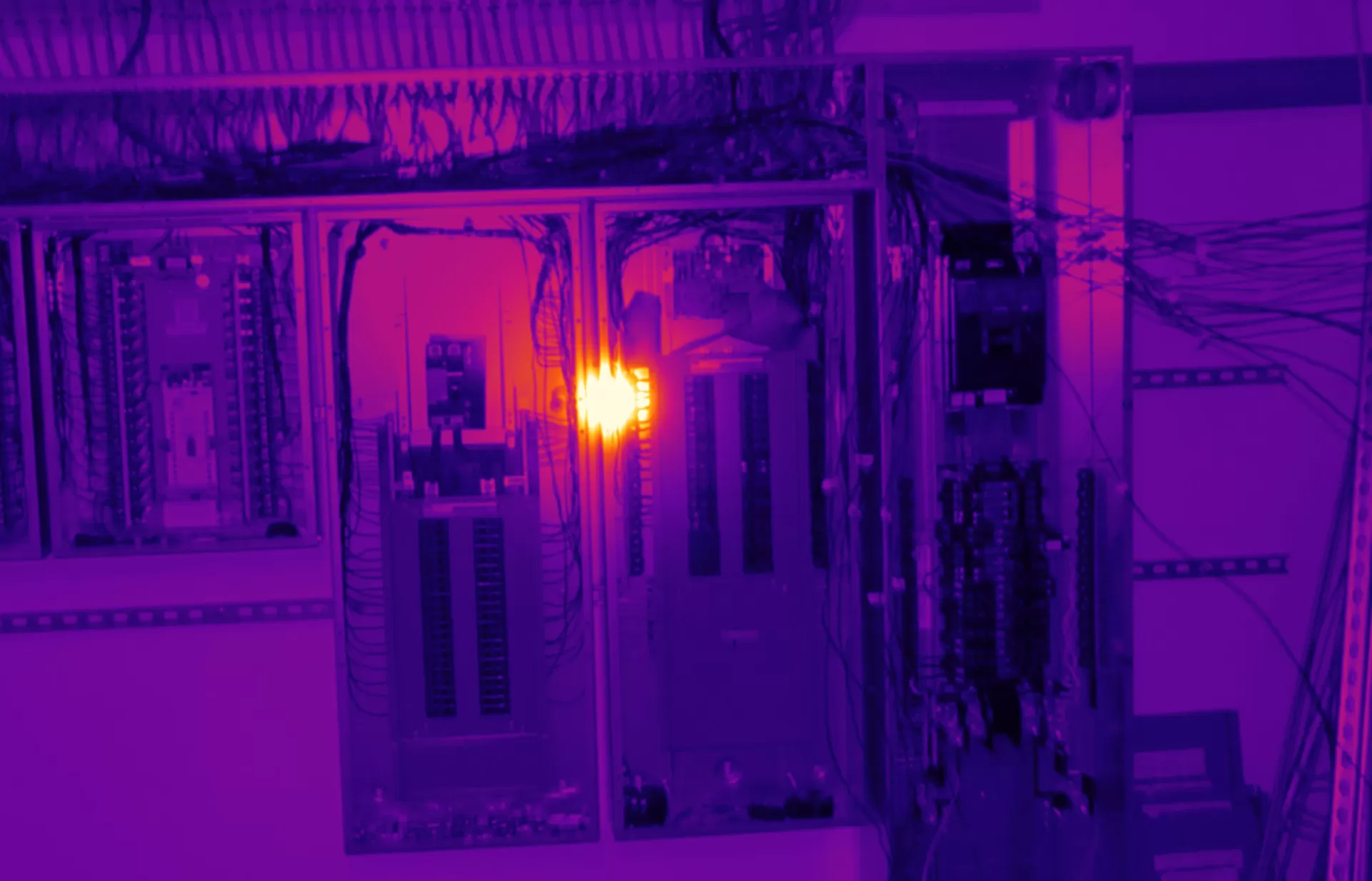
Infrared Electrical Thermography
Thermal scans of energized switchgear, panels and motor controls by Level II thermographers, with rated findings and repairs by licensed electricians.
View service
Property Managers & Commercial Real Estate
Building electrical maintenance, insurer scans and vendor compliance documents for property managers and commercial landlords.
View service
Commercial Electrical Maintenance
Commercial electricians for property managers: building maintenance, tenant work, infrared scans and records for GTA properties.
View service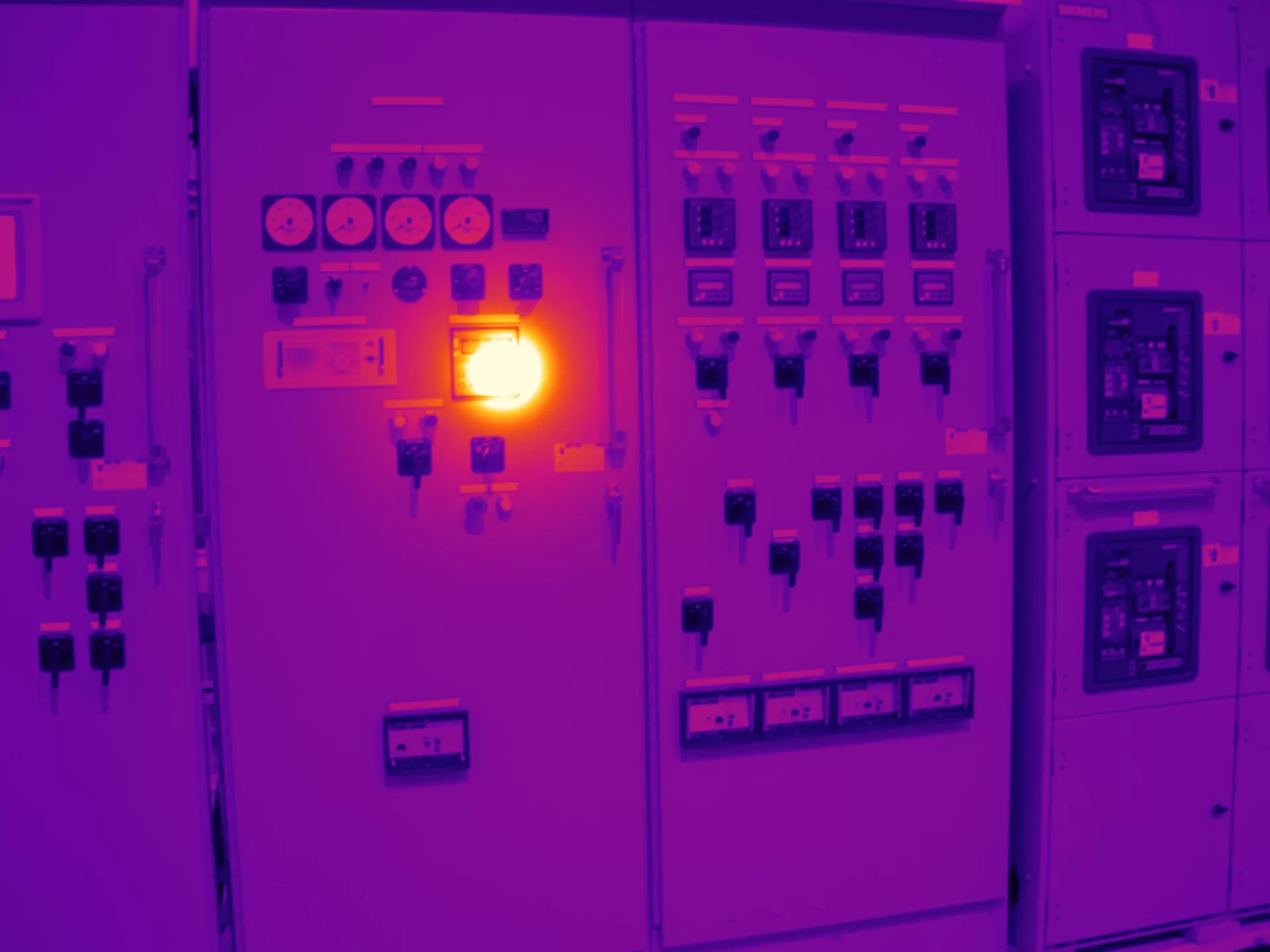
Insurance Infrared Scan Reports
An infrared scan report for insurance: scope matched to the insurer letter, ranked findings, repairs by licensed electricians and re-scan proof.
View service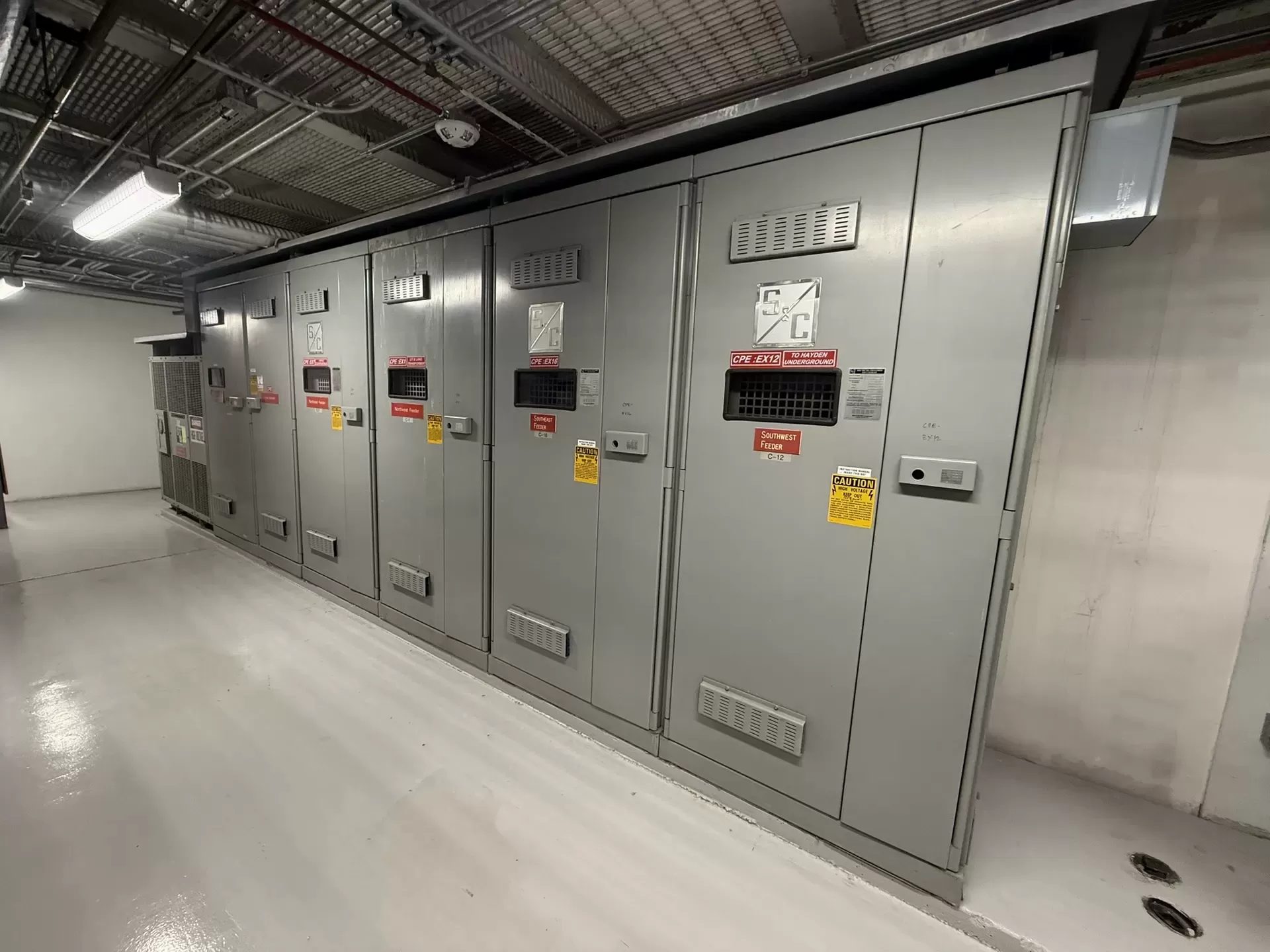
Electrical Asset Management
An electrical asset register, condition scores and a ranked repair and replacement plan for plants and building portfolios.
View service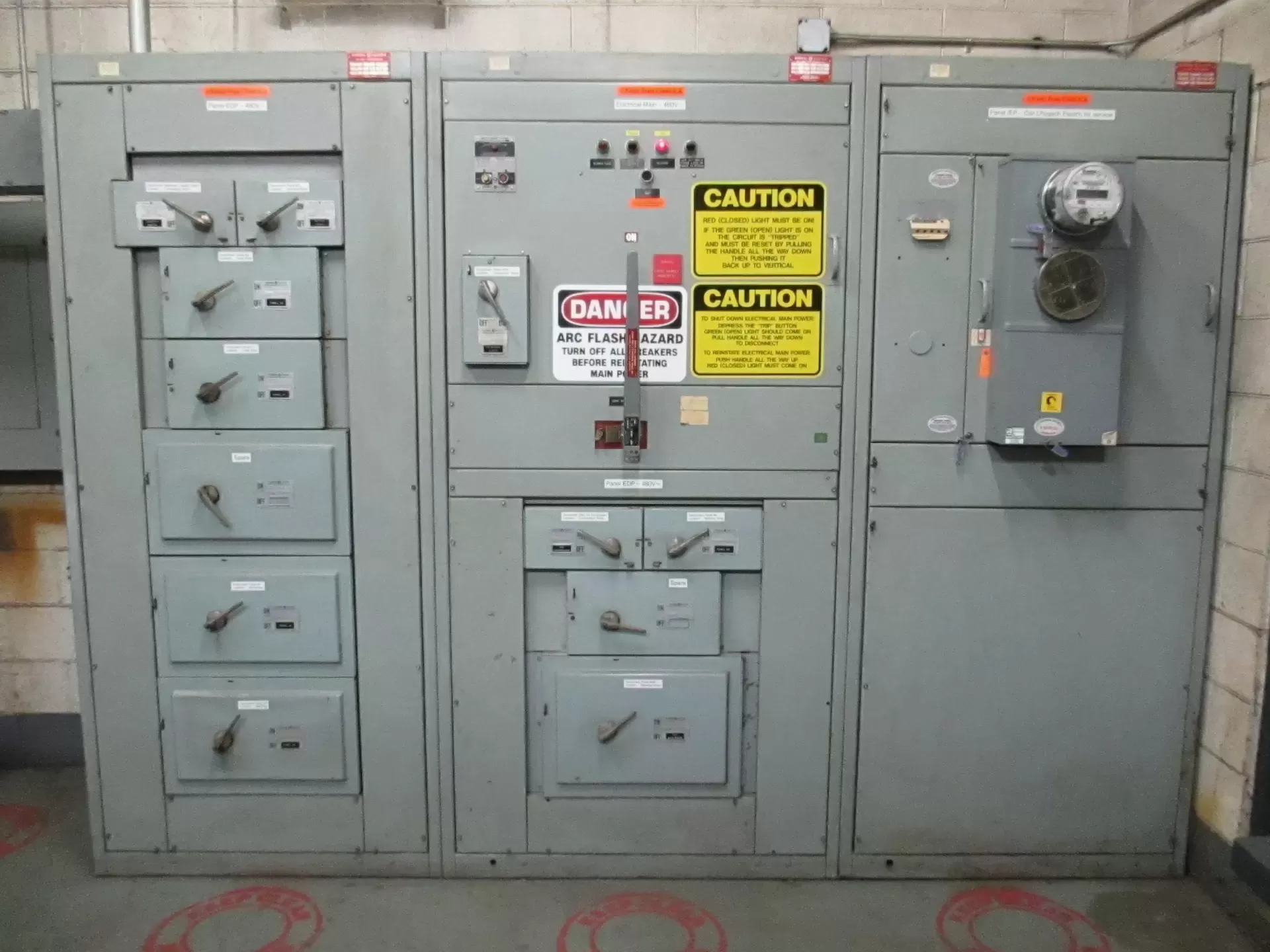
Electrical Panel Inspection
Panelboard, switchboard and disconnect switch inspection with thermal scans, torque checks and a written condition report.
View service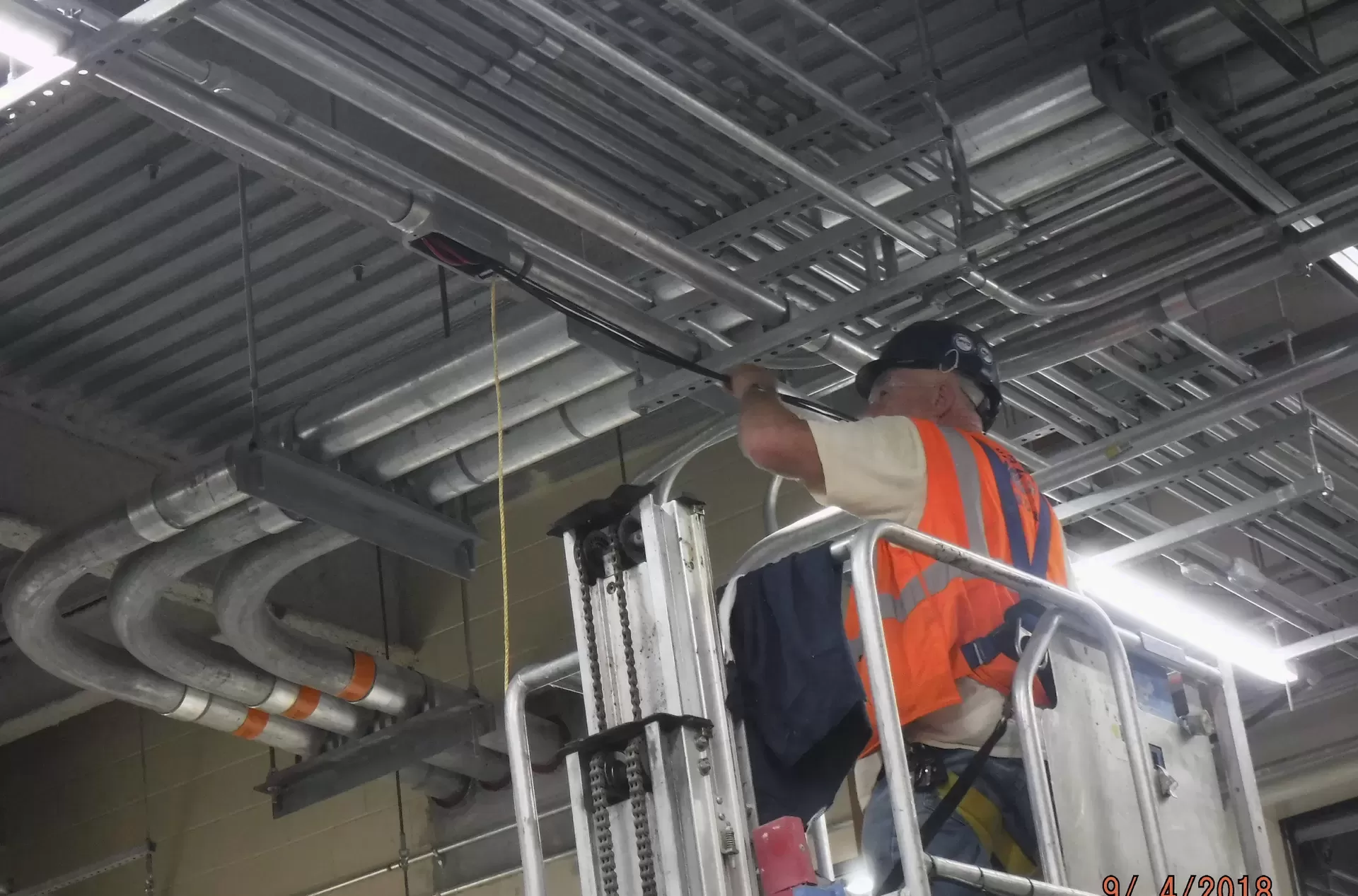
Request a callback
Plan your next electrical maintenance program with KCS
Tell us about the site and the equipment. A licensed electrician reviews it and calls you back.
- ESA/ECRA licence #7014042
- COR certified, ISNetworld, Avetta and ComplyWorks
- Work planned around shutdowns and tenant hours
- Emergency response for maintenance-contract clients
Send your request
We reply during business hours: Open daily, 9 a.m. to 9 p.m.