
Electrical thermography
Infrared Electrical Thermography in Toronto & the GTA
Infrared thermography for electrical systems finds loose connections, overloads and failing parts while your equipment stays energized. Level II certified thermographers scan and rate every finding, and our licensed electricians can repair what we find.
- Level II certified thermographers
- ESA/ECRA #7014042
- COR certified (IHSA)
- Insured and WSIB covered
Request a callback
A licensed electrical contractor calls you back, usually the same business day.
Updated Reviewed by KCS Group licensed electricians
What Is Infrared Electrical Thermography?
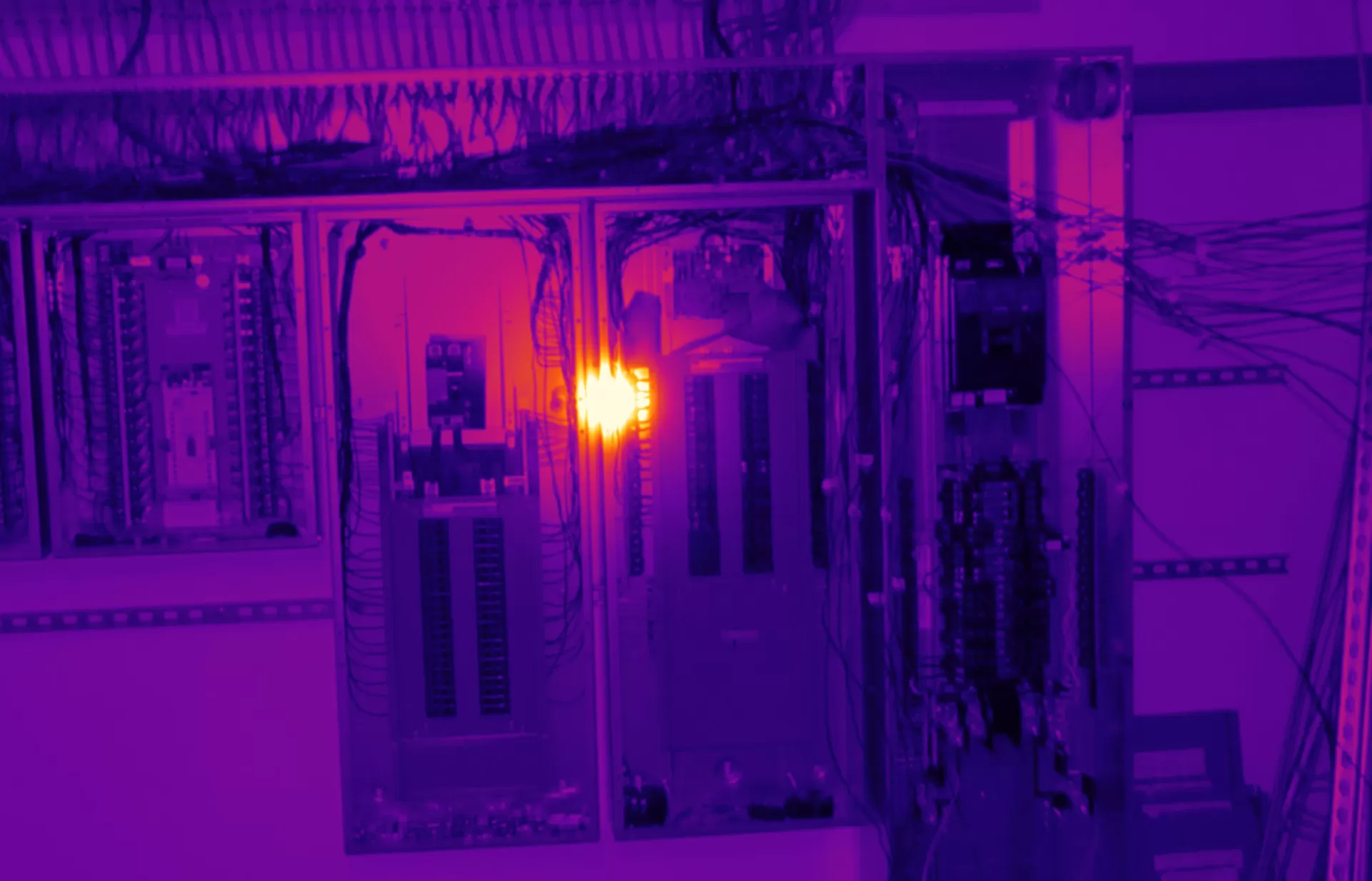
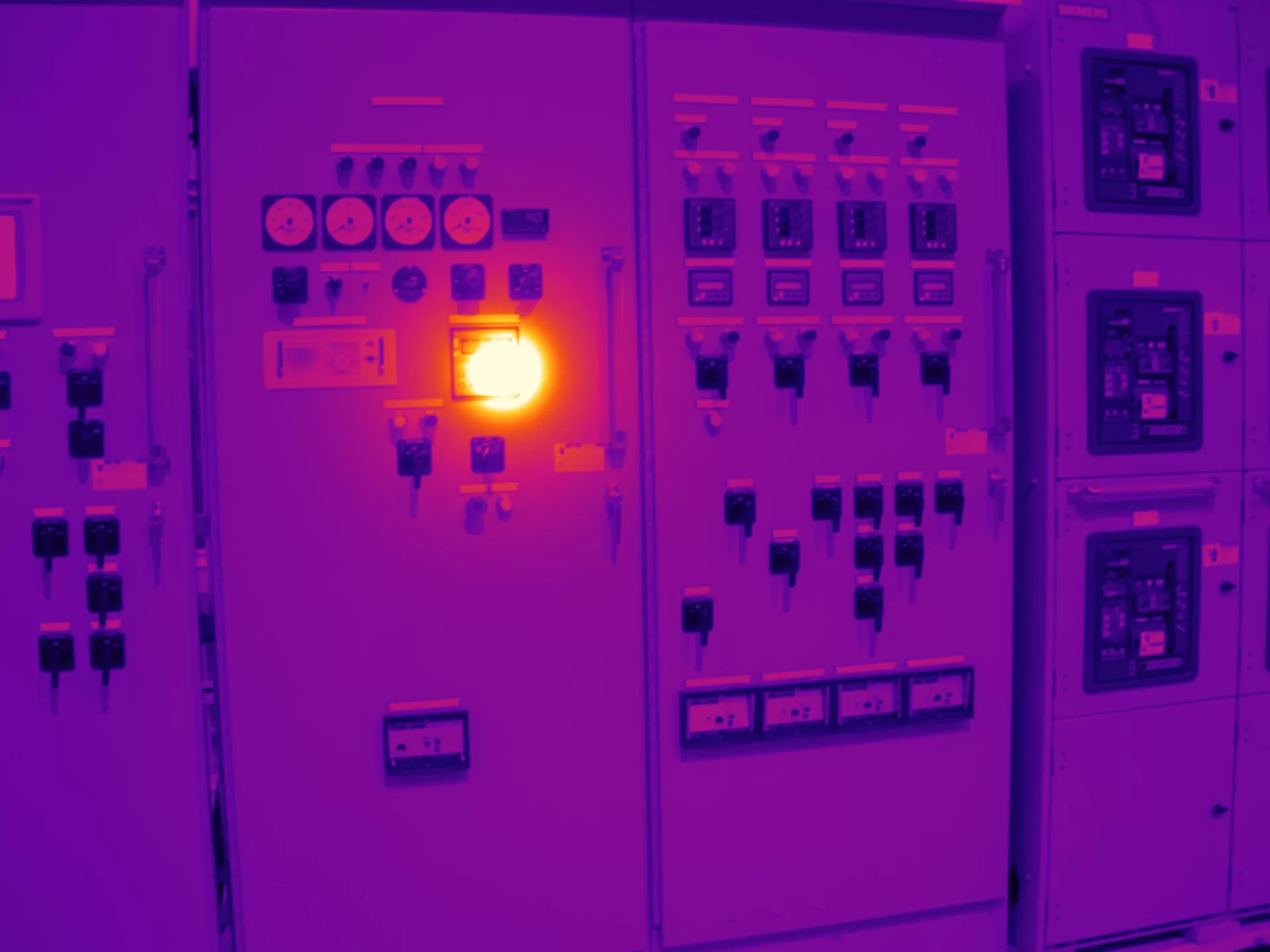
Infrared electrical thermography is a non-contact inspection that uses a calibrated thermal imager to measure the surface temperature of energized electrical equipment, so a qualified thermographer can see heat that should not be there. It is done while your system runs, which means nothing is switched off to find the problem.
Every electrical connection has some resistance. When a lug loosens, a contact pits, a conductor carries more current than it was sized for, or insulation starts to break down, that resistance rises and the point gets warmer than its neighbours. Resistive heating is proportional to the current squared, so a small defect on a heavily loaded circuit can show a large temperature rise. The thermal image, called a thermogram, turns those differences into a picture that can be measured, compared and recorded.
Google often reads plain "infrared thermography" as a medical scan. On this site we mean only electrical thermography: a thermal imaging electrical inspection of the switchgear, panels, transformers and motor controls that keep your building or plant running. It sits inside a wider predictive electrical maintenance program, because it tells you what is changing before a breaker trips or a terminal fails.
Two kinds of results come out of a scan. A qualitative result says "this connection is warmer than the matching phases". A quantitative result puts a number on it: the measured temperature, the temperature of a similar component under similar load, and the ambient air in the room. Our Level II certified thermographers record both, because a number with no comparison point says little, and a comparison with no number is hard to trend over the years.
What Electrical Hot Spot Detection Finds
Electrical hot spot detection finds the faults that build heat before they fail: loose or corroded terminations, overloaded conductors, unbalanced phases, failing fuse clips and breaker connections, and insulation that is starting to degrade. Most of these are invisible to the eye and silent until the day they trip or burn.
Typical findings on a survey
- Loose or under-torqued connections on lugs, bus joints and breaker terminals. A loose terminal can arc inside the threads, so simply retightening it may not fix the damage; the part may need replacing.
- Overloaded circuits and feeders where the load has grown beyond what the conductor or device was selected for.
- Phase imbalance, where one phase runs hotter because loads are unevenly spread across a panel.
- Failing overcurrent devices: hot fuse clips, worn breaker stabs that can be seen at the line side, and internal heating showing through a breaker case.
- Heated neutrals on circuits that feed many electronic loads.
- Transformer and bus problems such as hot terminal compartments, blocked cooling, and warm splice plates on bus duct.
Equipment we scan
Service entrance and main switchboards, low voltage switchgear, distribution panels and panelboards, motor control centres, variable frequency drives, disconnect switches, dry-type transformers, bus duct and plug-in units, automatic transfer switches, capacitor banks, and UPS input and output panels. If it carries current and we can see it safely, it can go on the route.
How Our Thermal Imaging Electrical Inspection Works
A thermal imaging electrical inspection with KCS follows the same sequence on every site: we build the equipment route, confirm the load, assess the risk of opening each enclosure, scan, measure, and photograph. The method matters because a scan done on idle equipment, or through a closed steel door, can miss exactly the faults you are paying to find.
- Route and equipment list. Before the visit we collect your single-line diagram or panel schedule, if one exists, and agree on which rooms and enclosures are in scope.
- Load check. Heat needs current. We plan the scan for normal working hours or production runs, and we measure and record the load on each circuit we image, because standards guidance asks that loading at the time of the scan be documented.
- Risk assessment before covers come off. Opening an energized enclosure is a task assessed under CSA Z462, with the right arc-rated and shock PPE for that equipment. Ontario Regulation 851 also requires protective equipment and procedures when work near live parts cannot be done with the supply disconnected. Our licensed electricians remove and replace covers; the thermographer images.
- Imaging and measurement. Each anomaly gets a thermogram, a matching visible-light photo, the temperature of a similar component under similar load, the room ambient, and the measured current.
- Closing out the room. Covers go back on, doors are closed and latched, and anything urgent is reported to your contact before we leave the site.
Where opening a cover would mean a high arc flash PPE category, or where covers are bolted and production cannot tolerate the risk, we discuss infrared windows or a planned outage instead of taking chances.
How We Rate Thermal Findings by Temperature Rise
We rate each finding by its temperature rise (ΔT) against a similar component under similar load and against ambient air, using the suggested-action table in ANSI/NETA MTS, the maintenance testing specification that includes infrared inspection of electrical equipment. The rating tells your maintenance team which repairs belong in this week's plan and which can wait for the next shutdown.
| KCS rating | Rise above room air | Rise above a matching component | What we recommend |
|---|---|---|---|
| Watch | 1 °C to 10 °C | 1 °C to 3 °C | Look into the cause at the next visit |
| Plan | 11 °C to 20 °C | 4 °C to 15 °C | Likely defect; add it to planned repairs |
| Monitor closely | 21 °C to 40 °C | no separate value | Track it until the fix is done |
| Act now | above 40 °C | above 15 °C | Serious defect; repair without delay |
The temperature bands follow the ANSI/NETA MTS thermographic survey table (Table 100.18 in the 2007 edition), which applies where no consensus standard sets other limits; the rating names are ours.
The table is a starting point, not the whole judgement. Load has a large effect on ΔT, so a 10 °C rise on a lightly loaded feeder can be more serious than the same rise at full load. Our thermographers also weigh the type of component, how critical the circuit is, and whether the same spot has been rising since the last survey. A connection that sat at 5 °C last year and 14 °C this year gets flagged even though it has not crossed a threshold.
How Often Should Electrical Thermography Be Done?
Most facilities scan once a year, and gear that is worn, mission critical or sitting in a dirty, damp or hot space moves to a six-month cycle. That is the interval set out for infrared thermography in Table 9.2.2 of NFPA 70B, the 2023 edition, which ties frequency to an equipment condition assessment.
| Equipment condition (NFPA 70B, 2023 edition) | What it means | Infrared thermography interval |
|---|---|---|
| Condition 1 | Good physical condition, normal environment, lower criticality | 12 months |
| Condition 2 | Some wear, moderate environment or criticality | 12 months |
| Condition 3 | Poor condition, harsh environment, or high criticality | 6 months |
Three factors feed that assessment: how worn the gear looks and tests, how much of your operation depends on it, and what surrounds it (dust, moisture, heat, vibration, corrosive air). Whichever factor scores worst decides the interval. Manufacturer instructions still apply. Because NFPA 70B is an American document without legal force here, Ontario owners adopt it through contracts or when an insurer asks for it. In Canada the matching maintenance standard is CSA Z463, and we build thermography into programs written to it, with the scan itself carried out as one of the maintenance tests in ANSI/NETA MTS (2023 edition). See electrical preventive maintenance for how the scan fits a full program.
Extra scans make sense after a major load change, after repairs to confirm the fix, before and after a planned shutdown, and when a building changes hands.
What Your Electrical Thermal Inspection Report Contains
Your report lists every anomaly with a thermogram, a matching photo, the location, the measurements, a severity rating and a recommended action, plus a summary page that ranks the repairs. It is written for the people who have to act on it: a maintenance planner, a property manager, or a broker.
- Site, building and room, with an equipment ID that matches your labels or a numbering we set up with you.
- Date and time of the scan, room ambient temperature, and the certification level of the thermographer who signed it.
- For each finding: thermogram, visible-light photo, component description, measured temperature, comparison temperature, ambient, ΔT, measured load and the load as a share of rating where known.
- Severity rating and the recommended action, in plain language.
- A list of equipment scanned with no anomaly, so you can prove coverage, and a list of anything we could not scan and why.
- A prioritized repair list that your team, or ours, can turn into work orders.
A scan shows the condition at the moment it was taken. It does not prove that a breaker will trip correctly or that insulation will hold under a fault, which is why the report also points to the right follow-up test where one is needed.
When Thermography Is Not the Right Test
Thermography only sees surface heat on equipment that is energized and loaded, so it cannot judge equipment that is idle, hidden behind solid barriers, or failing in a way that does not make heat. In those cases another test gives the answer, and we will tell you so instead of selling a scan.
- Breaker trip performance. A cool breaker can still fail to trip. That needs circuit breaker testing with injection test sets.
- Insulation condition. Cable and winding insulation are checked with insulation resistance and related tests under electrical testing services.
- Transformer internals. Winding and insulation problems are found with transformer testing, not a thermal image of the tank alone.
- Lightly loaded or standby equipment, such as a backup feeder or a spare transformer, may show nothing until it is loaded.
- Components out of line of sight, such as breaker stabs behind barriers, show only indirect heat.
Thermography also does not replace cleaning, torque checks and mechanical servicing. It finds the problems that are already making heat; maintenance stops the next ones from starting.
From Hot Spot to Repair With One Licensed Crew
Because KCS holds ESA/ECRA licence #7014042, the team that finds a hot connection can also fix it, file the ESA notification the repair needs, and re-scan the point to confirm the temperature has dropped. You do not have to hand a report to a second company and hope they read it the same way.
Urgent findings are made safe the same day where possible. Planned repairs go into a scheduled outage, often alongside switchgear maintenance or panel work, and our electrical troubleshooting crew handles the faults that need more than a new lug.
Thermography is one method with several uses, and each has its own page:
- Insurance infrared scan reports when your broker or insurer asks for one.
- Industrial plant thermography under production load.
- Commercial building thermography for property managers with one building or a portfolio.
- Infrared window installation for gear that is hard to open safely.
We are based in Aurora and scan across Toronto and the GTA, including Toronto, Vaughan and Mississauga, with service throughout Ontario.
Booking a scan
From equipment list to rated findings
Send your equipment list
A panel schedule, single-line diagram or a room list is enough for us to plan the route and quote it.
Scan under normal load
We image during operating hours, with licensed electricians handling covers under a CSA Z462 risk assessment.
Receive the rated report
Every anomaly comes with a thermogram, photo, measurements, severity and a recommended action.
Repair and re-scan
Our crew can fix the findings under an ESA notification and confirm each repair with a follow-up image.
Credentials
Thermographers and licensed electricians on the same visit
Our contractor licence is ESA/ECRA #7014042, and our safety program carries COR certification from IHSA. Plant and property owners can find our prequalification on ISNetworld, Avetta and ComplyWorks; we are commercially insured and WSIB covered, with 15 years in business.
That combination means the person reading the image and the people opening your gear are both qualified for their part of the job.
Questions
Electrical thermography questions
Basics
What is thermography used for in electrical systems?
Electrical thermography is used to find components that are running hotter than they should while the system is energized. Typical targets are loose connections, overloaded conductors, phase imbalance and failing fuse clips or breaker terminals in switchgear, panels, motor controls and transformers. It lets you plan repairs before a fault trips a line or damages equipment.
Do electricians use thermal cameras for panel inspections?
Yes. Licensed electrical contractors use calibrated thermal imagers to inspect energized panels and switchgear, and the results are most reliable when the person interpreting them is a certified thermographer. At KCS a Level II certified thermographer images the equipment while our licensed electricians open and close covers under a CSA Z462 risk assessment.
Is thermal imaging the same thing as infrared thermography?
In electrical work the two terms mean the same thing. Thermal imaging describes the camera producing a heat picture; infrared thermography describes the practice of measuring and interpreting that heat. What matters is not the name but whether the imager is calibrated and the thermographer is trained in both the equipment and the method.
Can a phone thermal camera replace a professional electrical scan?
No. Phone attachments can show that something is warm, but they lack the resolution, measurement accuracy and documented calibration a maintenance or insurance record needs. A professional scan also includes load readings, comparison temperatures, a severity rating and safe access to energized equipment under CSA Z462, none of which a phone provides.
What are the disadvantages of infrared thermography for electrical equipment?
Thermography only sees surface heat, so it needs equipment that is energized and carrying load, and it needs a line of sight. It cannot confirm that a breaker will trip, measure insulation strength or see inside a transformer. Shiny metal surfaces can also mislead an untrained reader, which is why certified interpretation matters.
Method and safety
Why does electrical equipment need to be under load during a scan?
A bad joint warms far faster as amperage goes up, so a defect on an idle circuit may look normal. We schedule scans during normal operating hours, measure the load on each imaged circuit and record it in the report so the next survey can compare like with like.
Do panel covers have to be removed for an infrared inspection?
Usually yes, because steel covers block infrared and hide the real temperature of the connections. Covers are removed only after a CSA Z462 risk assessment, by licensed electricians wearing the right arc-rated and shock PPE. Where that is not practical, infrared windows or a planned outage are the safer options.
Will our power be shut off during an infrared electrical inspection?
No. The scan is done with equipment energized and in normal service, which is the point of the method. Power is only interrupted later if a finding needs a repair, and that outage is planned with you in advance unless the finding is severe enough that waiting would be unsafe.
How accurate is an electrical thermography inspection?
Accuracy depends on the imager, the surface being measured and the skill of the thermographer. Calibrated imagers measure well on painted, insulated and oxidized surfaces; bare shiny metal reflects heat and reads poorly, so trained thermographers measure on nearby high-emissivity surfaces and compare similar components under similar load rather than relying on one number.
What qualification should an electrical thermographer hold?
Look for a thermographer certified to at least Level I, and preferably Level II, by a recognized training body, working with a licensed electrical contractor. Level II training covers quantitative measurement and report writing. All KCS scans are performed by Level II certified thermographers, and our electricians hold the licensed access to energized equipment.
Planning and cost
How much does an infrared electrical inspection cost in Ontario?
We do not publish a flat price because the cost depends on the number of rooms and enclosures, how many covers must be opened, access hours and the travel involved. Send us your equipment list or panel schedule and we will quote the route, including the report, before any work is booked.
Is electrical thermography worth it for a smaller facility?
For many smaller sites a single annual scan of the main switchboard, distribution panels and key motor controls is a modest visit that can find loose connections before they cause an outage or fire. Whether it is worth it depends on how much downtime or damage your operation can absorb, and what your insurer expects.
What happens after the thermographer finds a hot spot?
Each finding is rated by temperature rise and given a recommended action. Urgent items are reported to your contact on site. As a licensed contractor we can then repair the connection, file the required ESA notification, and image it again to confirm the temperature has dropped, or your own electricians can use the report.
Does an infrared scan replace regular electrical maintenance?
No. A scan finds problems that are already making heat. It does not clean equipment, check torque on cool connections, exercise breakers or test insulation. Thermography works well as one part of a maintenance program built to CSA Z463 and tested to ANSI/NETA MTS, alongside visual inspection, cleaning, mechanical servicing and electrical testing.
How often should our electrical panels be scanned with infrared?
Once a year suits most panels in good condition. The 2023 edition of NFPA 70B halves that to six months for worn, critical or harshly located gear. A facility can mix both, scanning critical switchgear twice a year and general distribution panels annually.
Do you offer emergency thermal scans after an electrical incident?
Emergency response is available to clients with a KCS maintenance contract. Anyone else can phone us any day of the week between 9 in the morning and 9 at night to book the next open slot. If you smell burning or see smoke, leave the area and call the fire department first.
Related services
Related services
Insurance Infrared Scan Reports
An infrared scan report for insurance: scope matched to the insurer letter, ranked findings, repairs by licensed electricians and re-scan proof.
View service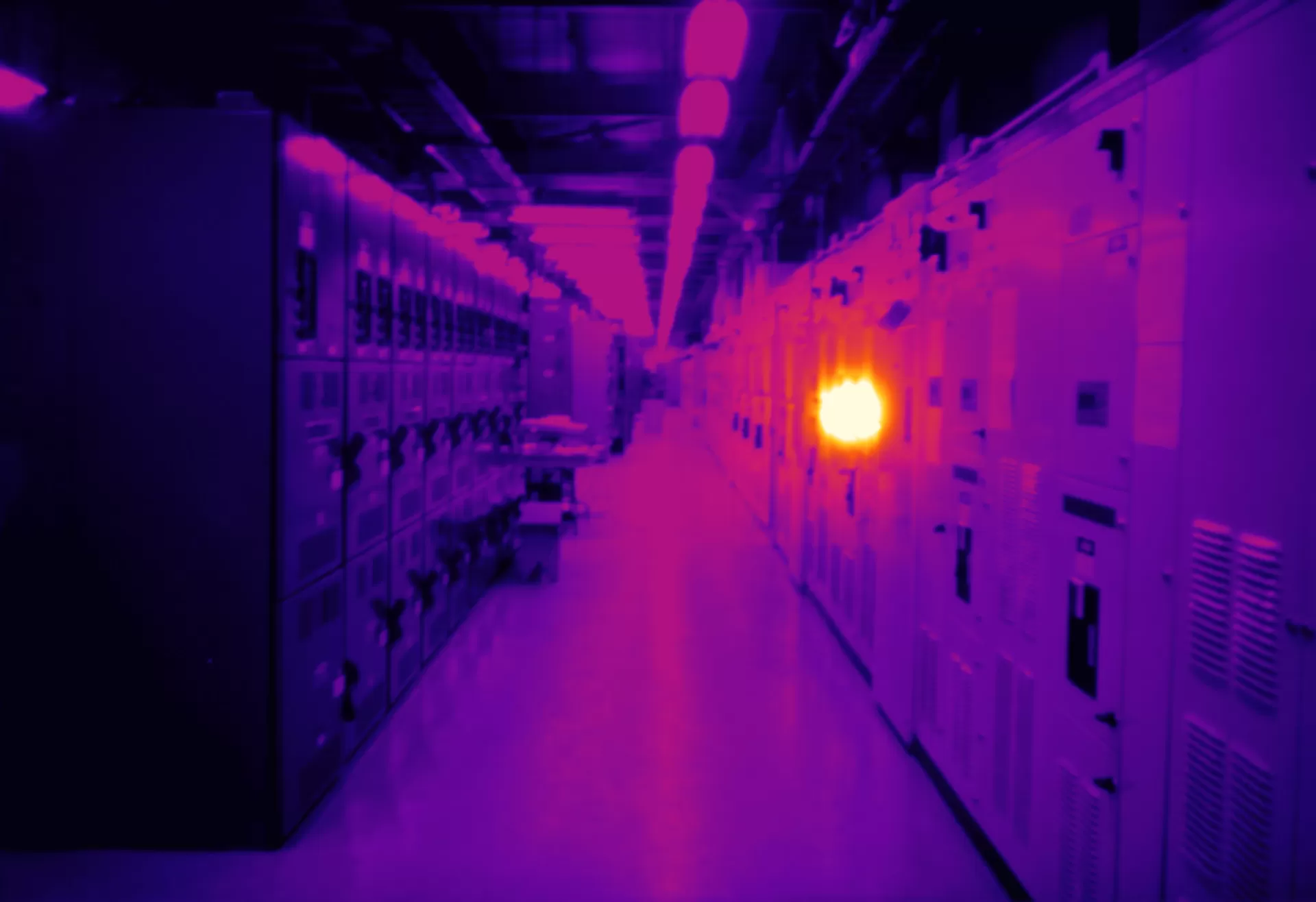
Industrial Plant Thermography
Thermographic surveys of manufacturing plants under production load, with trended findings, shutdown-ready work lists and licensed repairs.
View service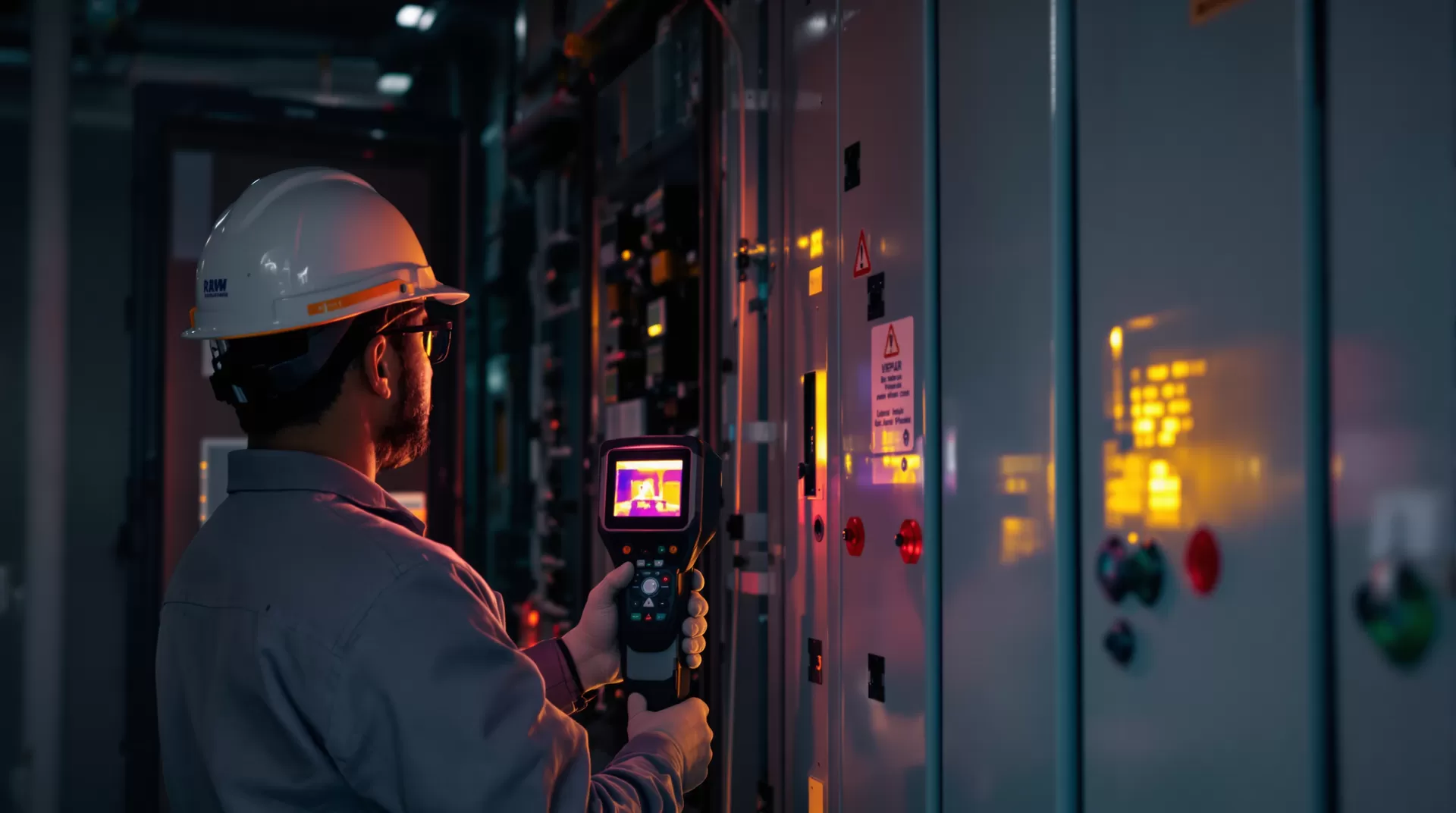
Commercial Building Thermography
Electrical infrared scans for office, retail and industrial buildings, with one report format across a property manager's whole portfolio.
View service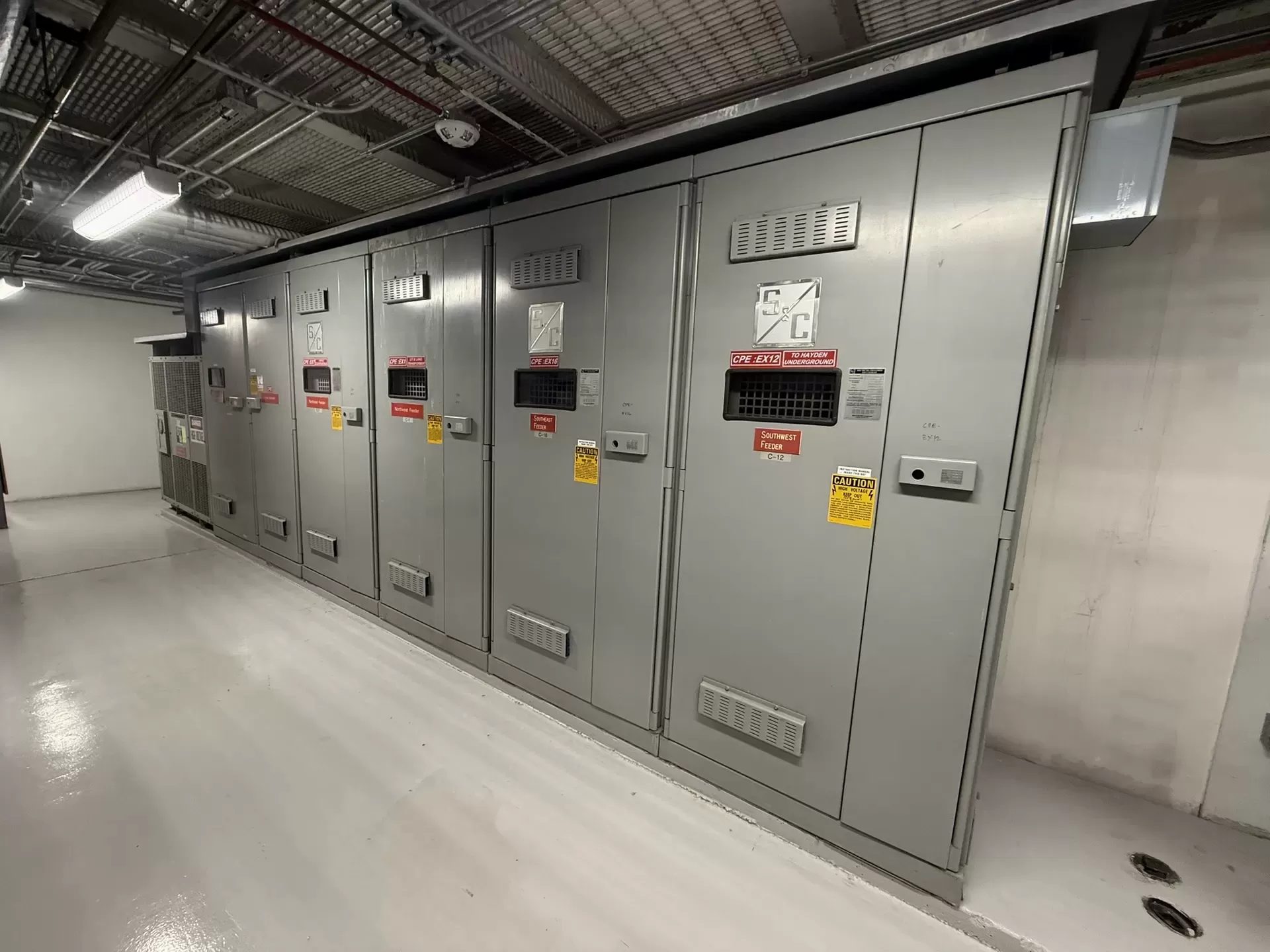
Infrared Window Installation
Planning and installation of IR viewing windows so switchgear, transformers and bus can be thermally scanned with covers closed.
View service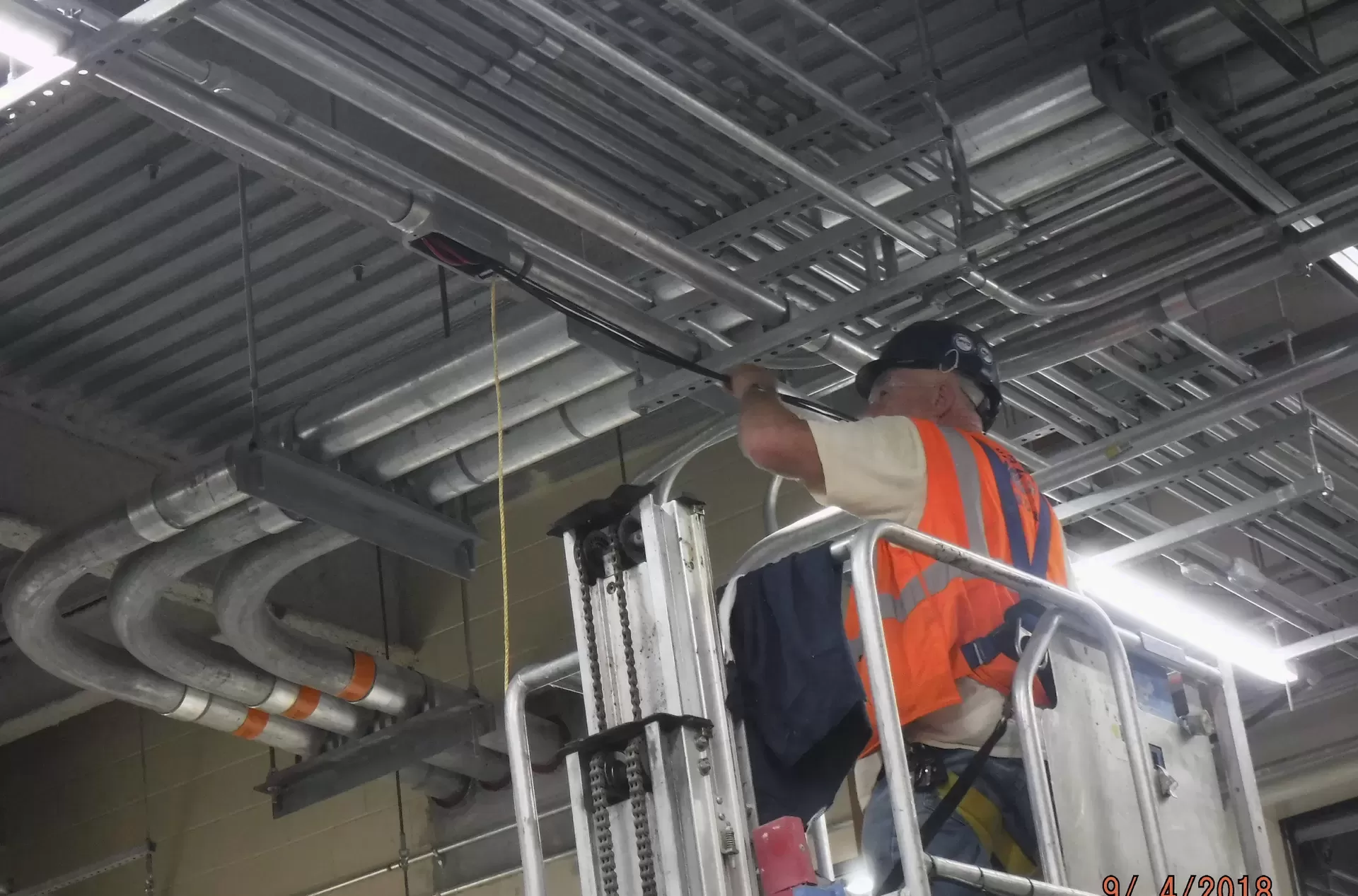
Predictive Electrical Maintenance
Condition monitoring and trended test data that show which electrical equipment is degrading, so repairs happen before a failure.
View service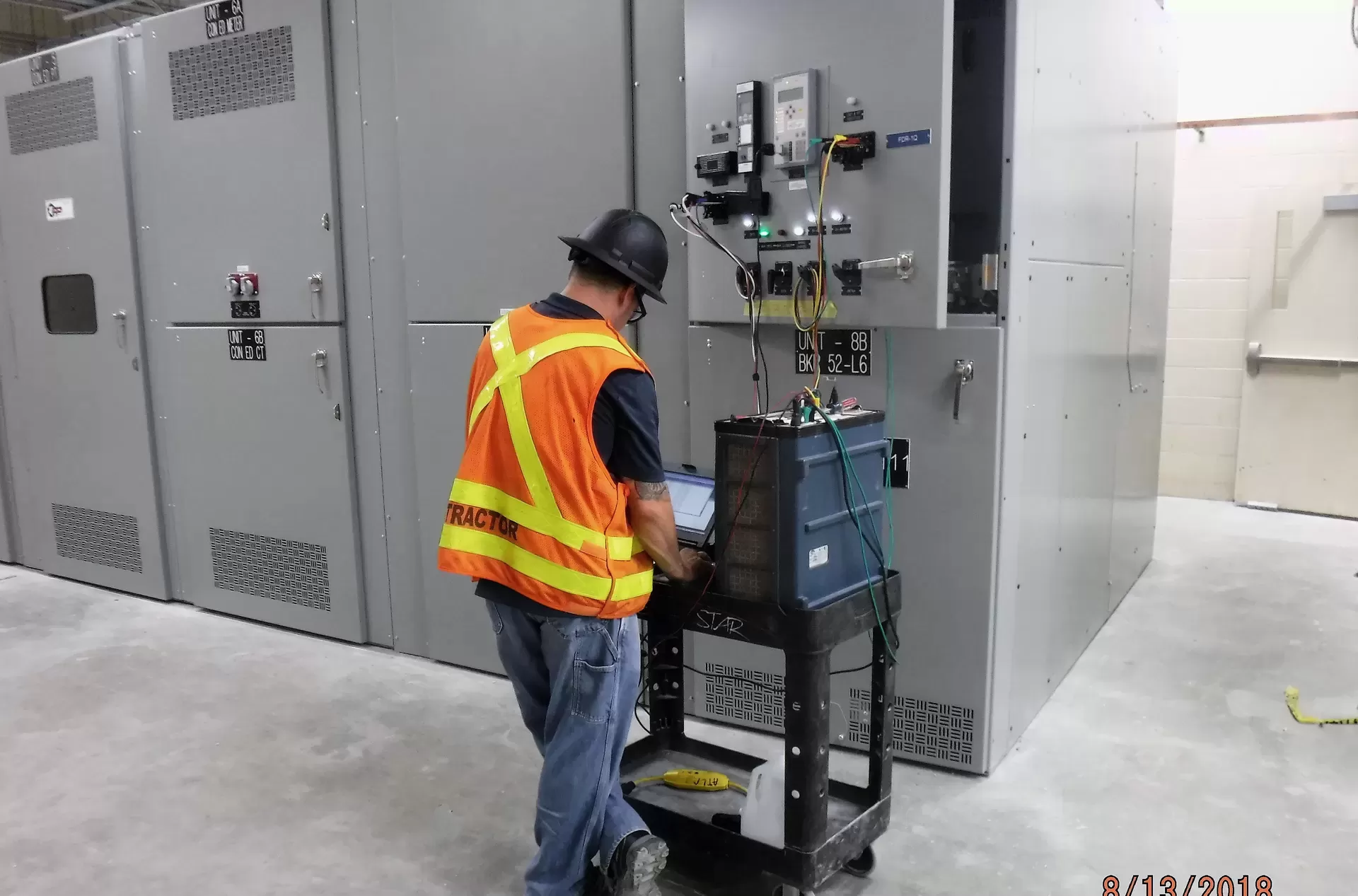
Electrical Preventive Maintenance
A written program of scans, cleaning, tightening and tests for switchgear, panels and transformers, aligned with CSA Z463 and NFPA 70B.
View serviceRequest a callback
Plan your next electrical maintenance program with KCS
Tell us about the site and the equipment. A licensed electrician reviews it and calls you back.
- ESA/ECRA licence #7014042
- COR certified, ISNetworld, Avetta and ComplyWorks
- Work planned around shutdowns and tenant hours
- Emergency response for maintenance-contract clients
Send your request
We reply during business hours: Open daily, 9 a.m. to 9 p.m.