
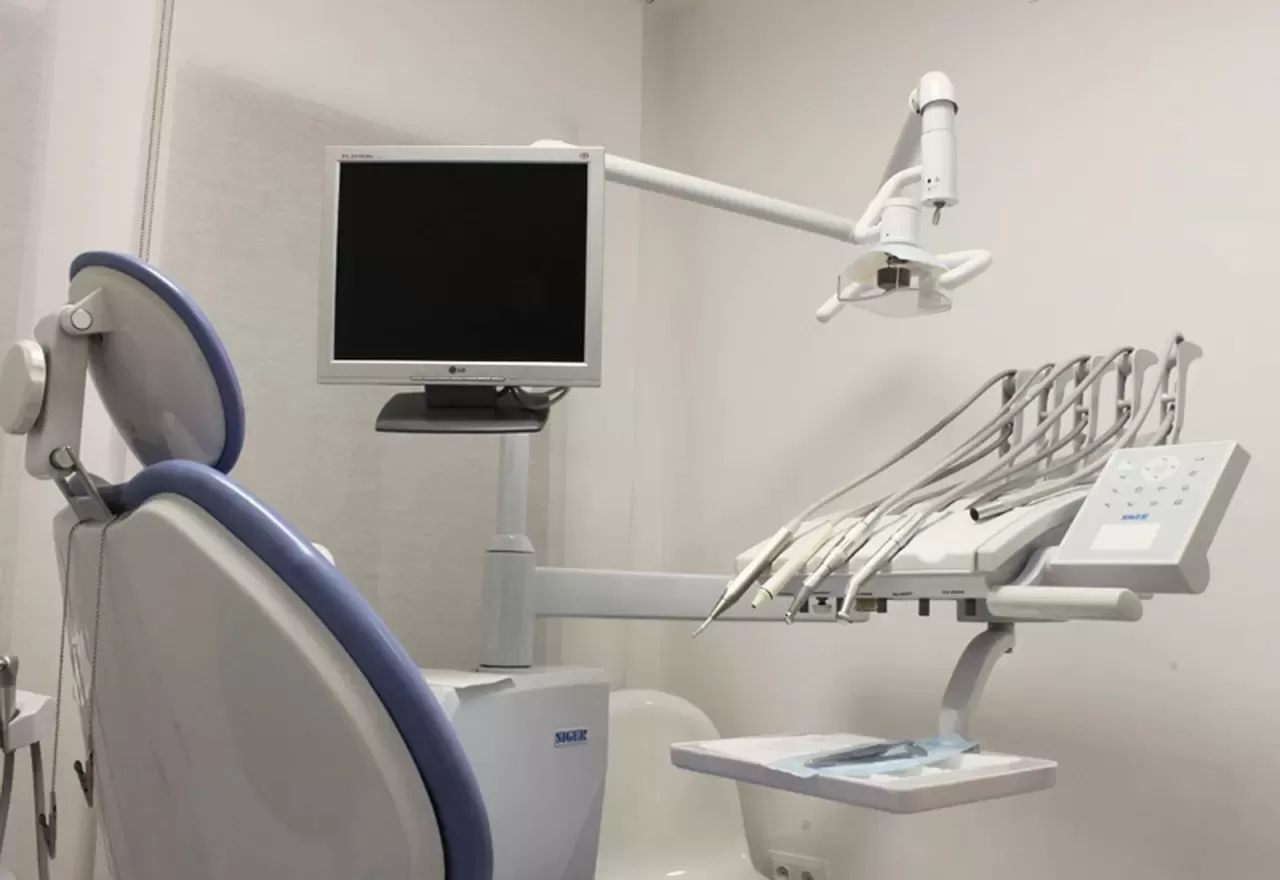
Dental clinic electrical contractor
Dental Office Electrician for Toronto & GTA Dental Clinics
KCS Group is a licensed dental office electrician and dental clinic electrical contractor for practices across Ontario, centred on Toronto and the GTA. We wire operatories and equipment rooms to OESC Section 24, keep existing practices running, and help dentists with HARP and XRIS X-ray registration paperwork.
- ECRA/ESA Licence #7014042
- HARP/XRIS paperwork help
- COR certified
- Level II thermographers
Request a callback
A licensed electrical contractor calls you back, usually the same business day.
Updated Reviewed by KCS Group licensed electricians
What Does a Dental Office Electrician Handle?
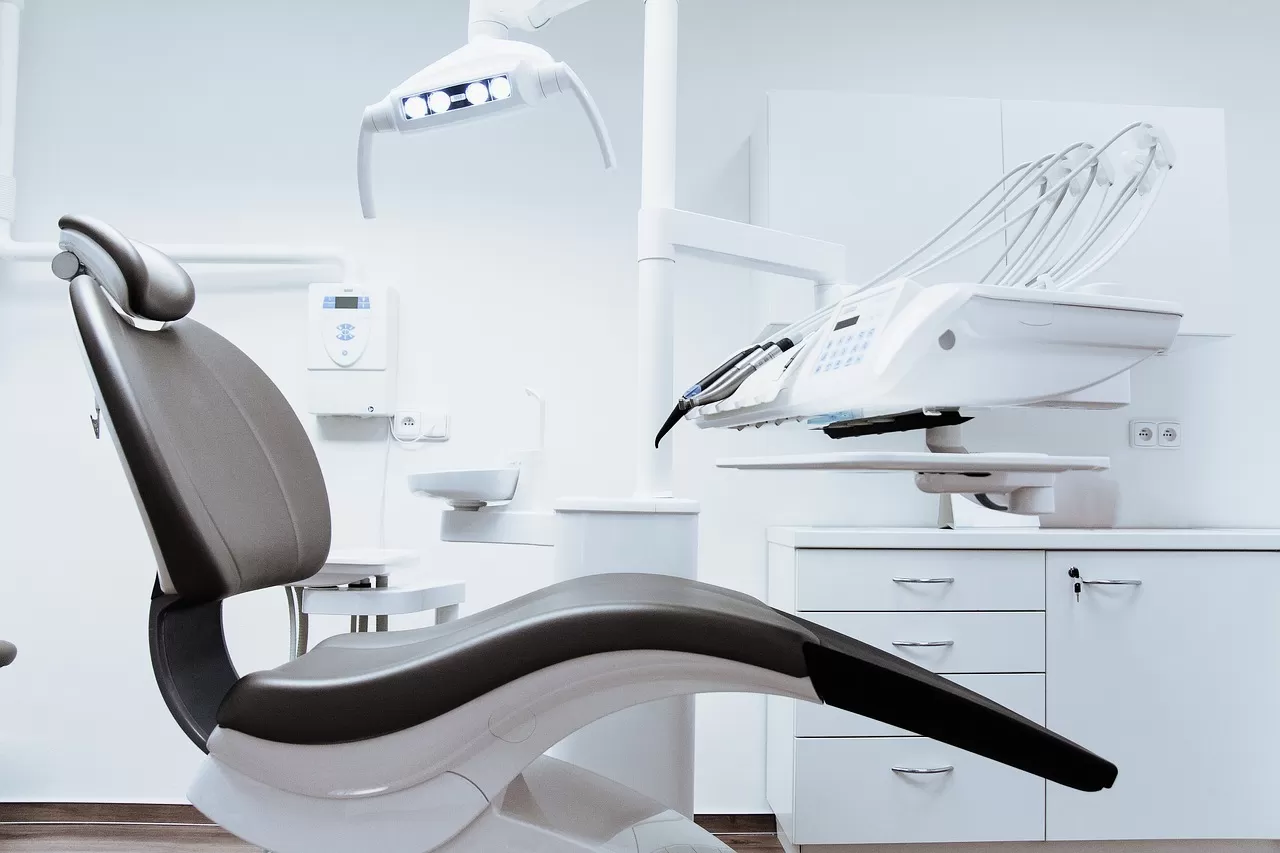
A dental office electrician installs and maintains the power behind every operatory, the mechanical room and the X-ray equipment, and takes care of ESA notifications along the way. Our dental office electrical services run from a single new circuit for a replacement sterilizer to a complete new practice.
- New practices and renovations. Operatory floor boxes, mechanical room supplies, X-ray rooms, lighting and inspection. See dental office fit-outs and renovations.
- Equipment circuits. Chairs, compressors, vacuum pumps, sterilizers and imaging units, each wired to its installation manual. See dental equipment electrical installation.
- Service calls. Compressors that trip their breaker, operatories without power, flickering operatory lights and failed emergency units.
- X-ray paperwork. Help preparing the HARP and XRIS documents a dentist needs before an X-ray unit is installed or changed.
- Inspection and maintenance. Panel checks, emergency lighting tests and thermal scans of dental office panels carried out by our Level II certified thermographers.
We work with general dentists, orthodontists, oral surgeons and other specialists, multi-location dental groups and the landlords of the buildings they lease. A group with several locations benefits from one contractor who keeps the same records and directory format at every site, so a problem at one office can be compared with the others. Physicians and other medical practices should read our medical clinic electrical contractor page.
Dental Office Electrical Requirements in Ontario
Dental offices are health care facilities under Section 24 of the OESC, and dental operatories are normally treated as intermediate patient care areas. ESA's 2025 bulletin on classifying patient care areas names dental offices explicitly, and an IAEI article on dental office installations notes that CSA Z32 treats dental clinics as intermediate care areas.
What that means for the wiring in an operatory:
- The patient care environment. The rules centre on the chair: its treatment zone and a 1.5 m margin around it, and up to 2.3 m off the floor.
- Circuit type. Intermediate areas can be served by a grounded or an isolated system; single-phase loads inside the chair's patient care environment are fed by 2-wire circuits.
- Bonding. Bonding of equipment and exposed metal follows Rules 24-104 and 24-112.
- Receptacles. No isolated-ground receptacles near the chair or anywhere else in a classified area; the front office and server closet are where they belong.
Who decides the classification? The practice does. ESA says it does not classify patient care areas; the person operating the facility documents them, and ESA receives a copy at inspection, or a letter if there are none. We walk the operatories with you so the paperwork and the wiring agree.
Testing follows the same split used in larger buildings: new operatory panels and circuits get acceptance tests based on ANSI/NETA ATS (2025 edition) before patients are seated, and equipment in an existing practice is tested to ANSI/NETA MTS (2023 edition).
Why Dental Equipment Needs Its Own Circuits
Dental equipment draws more power, more suddenly, than the office equipment most suites were wired for. A compressor starting while a sterilizer heats and a vacuum pump runs can trip a shared breaker in the middle of a procedure, which is why manufacturers specify dedicated circuits.
Examples from manufacturers' installation manuals:
- A dental air compressor maker asks for a separate circuit for every system it sells, rated anywhere from 10 A to 40 A across its range.
- A tabletop autoclave manual insists on earth leakage protection (a GFCI device) for the autoclave's circuit, with its largest 120 V model drawing 20 A.
- A panoramic X-ray maker wants its unit fed by its own grounded cable straight from the main panel, protected at 25 A.
The full equipment-by-equipment picture, with a table of example requirements, is on our dental equipment page.
Dental Clinic Electrical Services for Established Practices
Most of our dental clinic electrical services go to practices that are already open: something trips, something new arrives, or an older suite has simply run out of capacity. We find the cause, fix it and leave the panel better documented than we found it.
Common calls from established practices:
- Compressor or vacuum trips. Often the unit shares a circuit, the breaker is undersized for its starting current, or the supply voltage sags below the unit's tolerance. We measure before we change anything. Our electrical troubleshooting page explains the method.
- Adding an operatory. A new chair needs a floor box, circuits and often more panel capacity. We check capacity first, then plan the work around your schedule.
- Replacing an X-ray unit. A new unit may need a different supply, and you should expect to seek XRIS approval before it goes in.
- Warm or noisy panels. A thermal scan while chairs, compressor and sterilizers run picks out hot terminations, and no one has to switch anything off.
- Emergency lighting. Testing, battery replacement and records for the Fire Code file.
Practices with a maintenance contract also get emergency response, so a failure on a full day of patients is handled as a priority.
HARP and XRIS X-Ray Registration Help for Dentists
Under Ontario's HARP Act, a dentist must hold written XRIS approval before a dental X-ray machine goes in, and in most cases before one is swapped or its installation altered. XRIS is the provincial health ministry's X-ray inspection office. KCS helps practices prepare that paperwork, and we wire the room to match it.
The paperwork centres on Form ON00057E and its single-page floor plan, which must be drawn to scale (no smaller than 1:100) with a north arrow. The plan carries five groups of information, and an electrician supplies one of them:
| Plan item | Who usually provides it |
|---|---|
| Source location and range of motion | Equipment supplier and dentist |
| Control panel location | Equipment supplier, with the electrician for the exposure switch circuit |
| What the neighbouring rooms (including above and below) are used for | Dentist or landlord |
| Shielding type and thickness | Shielding designer or supplier |
| Cut-off switches, warning lights and door interlocks | Electrician |
For cone beam CT, the requirements are heavier: written XRIS approval plus an RCDSO facility permit, and since 15 August 2023 replacing a CT past its manufacturer's life expectancy also needs XRIS approval first. Health Canada's Safety Code 30 adds that the operator must be able to stand at least 2 m from the tube and patient, with the exposure switch behind a protective barrier or at least 2 m away, and that 2 m without shielding is not enough for CBCT. Those points decide where we put the exposure switch.
The machine is the dentist's, so the application and the registration are in the dentist's name. We gather and organize the documents with you and your equipment supplier; you sign and submit.
Electrical Work Around a Full Patient Schedule
A dental chair that cannot be used is a cancelled appointment, so we plan every visit around your book. Work that needs power off in an operatory, the mechanical room or the X-ray room is booked when that room is free, and anything that affects the whole office is booked for a time you choose.
- We confirm which circuits feed the compressor, vacuum and sterilizers before switching anything, so a small job in one operatory does not stop the whole practice.
- Noisy tasks such as coring or chasing walls are scheduled outside patient hours on request.
- Our office answers calls every day from 9 a.m., so short-notice changes can be rescheduled quickly.
Before any shutdown we agree a short plan with the office manager: which rooms lose power, for how long, what gets switched off first, and how the sterilizer cycle and the server are protected. When the work is done we switch everything back on with your team, check that the compressor and vacuum restart normally, and confirm each operatory has power before we leave. Anything we notice along the way, such as a cracked cover or an unlabelled breaker, goes on a short written list for you.
Dental Office Electrical Contractor for Landlords and Dental Groups
Landlords and dental groups use us as their dental office electrical contractor because one firm can answer both questions they face: can the building supply this practice, and is the practice's own installation in good order. We look at the suite panel, the feeder and the base-building capacity together, so a new tenant's compressor, vacuum and CBCT plans do not come as a surprise after the lease is signed.
- Before a lease. A short capacity review against the dentist's equipment list, with a written note on whether the suite can carry it or what upgrade it needs.
- During a fit-out. Coordination of shutdowns with other tenants, and records that match the landlord's own electrical drawings.
- After opening. Panel inspections, thermal scans and emergency lighting tests that fit into the building's commercial maintenance program.
For groups, a consistent approach across locations makes budgeting simpler. Each office receives the same style of report, ranked from urgent to routine, so the group can plan spending across the portfolio rather than reacting one office at a time.
Choosing a Dental Clinic Electrician
Choose a dental clinic electrician who holds an ECRA/ESA contractor licence, knows Section 24, and is comfortable working from equipment installation manuals. Dental work is a mix of health care rules and fussy equipment requirements, and both need to be right on inspection day.
Questions worth asking any dental clinic electrical contractor:
- Which ECRA/ESA licence do you hold? KCS holds #7014042, which you can verify through ESA's online search.
- Will you file the ESA notification and attend the inspection?
- How will you handle the patient care area classification for my operatories?
- Can you help with the XRIS floor plan and wire the X-ray safety devices to it?
- Do you hold safety prequalification my landlord may ask for? We hold a COR from IHSA and are registered on ISNetworld, ComplyWorks and Avetta.
- Are you WSIB covered and commercially insured? We are both.
Dental Offices We Serve Across the GTA
We serve dental practices across Ontario, with most of our dental work in Toronto and the surrounding GTA. From our Aurora base we reach York Region practices quickly; see Richmond Hill, Vaughan and Toronto, or the full list on our service areas page.
Phone (647) 979-0549 with your practice address, the number of operatories and what you need done, or use our callback form.
Dental services
Where to go next
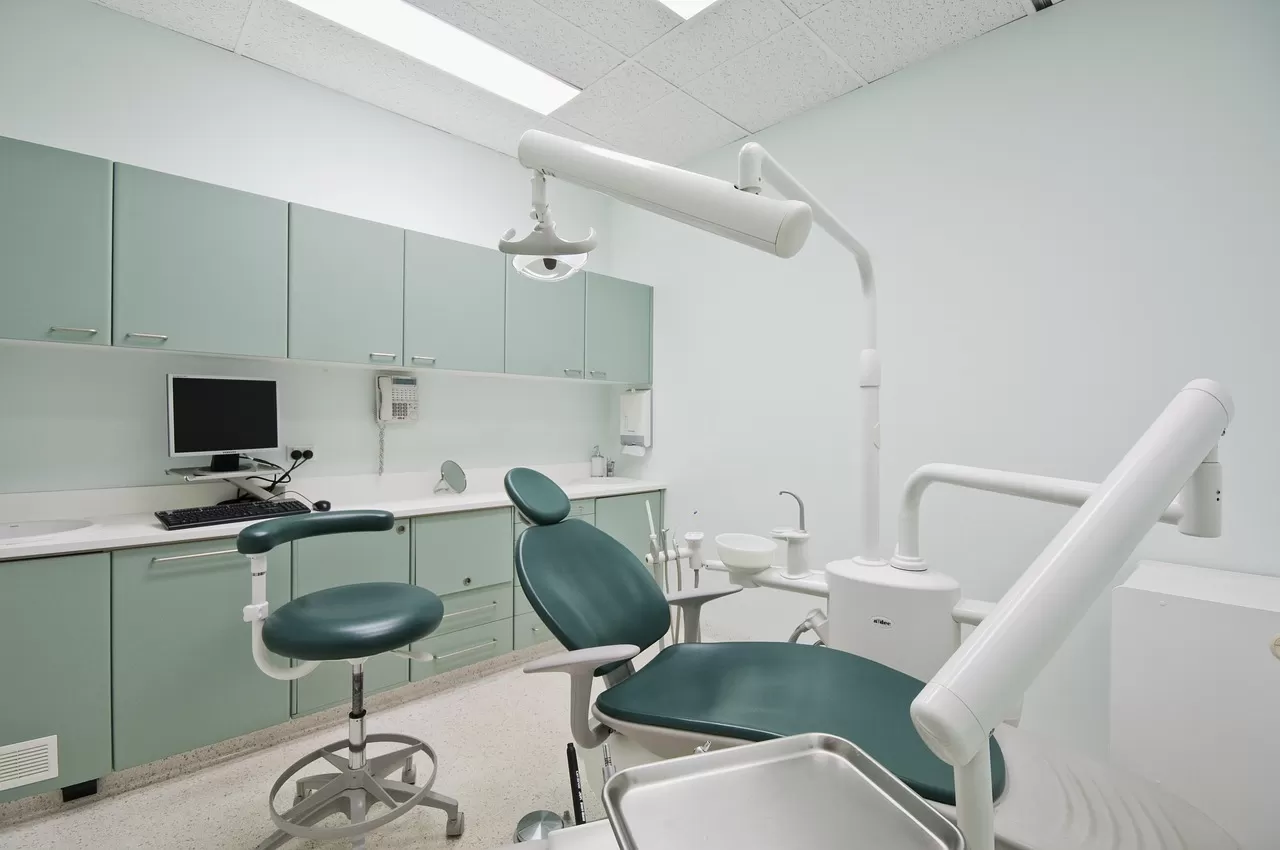
Dental Office Fit-Outs
New practices and renovations, from operatory floor boxes to ESA inspection.
Learn more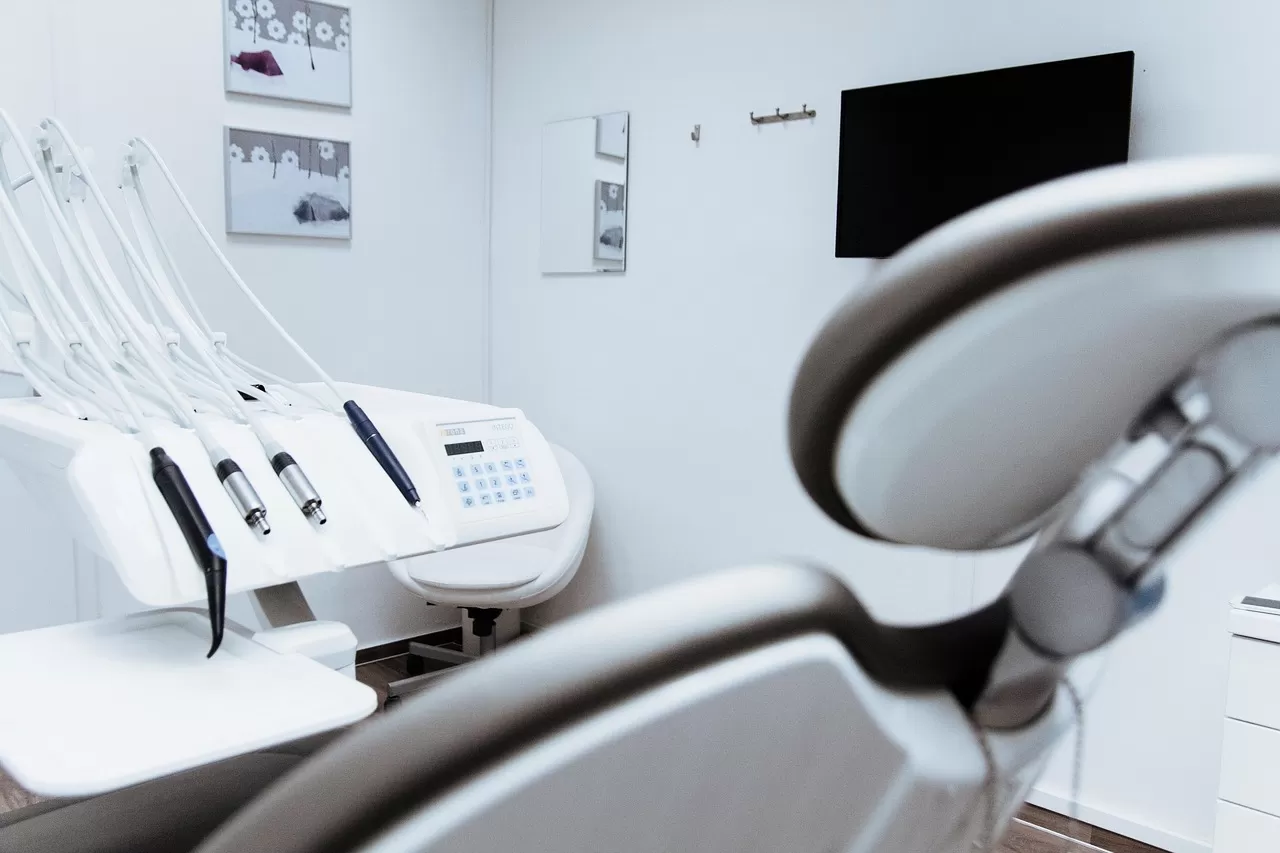
Dental Equipment Power
Chairs, compressors, vacuum, sterilizers and X-ray wired to their manuals.
Learn more
X-ray paperwork
HARP and XRIS documents prepared with you
Dentists need written XRIS approval before an X-ray unit goes in. We help you prepare the application and its floor plan, then wire the room to match what was approved.
Service calls
How a dental service call works
Describe the problem
Tell us what tripped or failed, when, and what else was running at the time.
Measure first
We check load, voltage and connections before replacing anything.
Fix and record
The repair is made under an ESA notification where required and noted on your panel directory.
Questions
Frequently asked questions
Requirements
What are the electrical requirements for a dental office in Ontario?
Dental offices fall under OESC Section 24 for health care facilities, and CSA Z32 treats dental clinics as intermediate patient care areas. That affects circuit types, bonding and receptacles near the chair. On top of the code, each piece of dental equipment has its own installation requirements, usually including a dedicated circuit.
Are dental operatories intermediate patient care areas?
Usually. A published code commentary notes that CSA Z32 treats dental clinics as intermediate care areas. The practice's administrator documents the classification for each room, and ESA receives a copy at inspection. We wire each operatory to the documented class.
Are isolated-ground outlets allowed beside a dental chair?
No. An isolated-ground device depends on one bonding connection, and ESA has pointed out that CSA Z32 bars it from patient care areas for that reason. Keep them for the front desk, the server closet or other rooms the practice has not classified.
Does ESA need a document about our dental operatories?
Yes. For Section 24 work, ESA needs a copy of the practice's patient care area classification at inspection, or a letter from the administrator stating there are no classified areas. ESA does not classify the rooms itself. We help you check that it matches the wiring.
X-ray
Do you register dental X-ray units with HARP for dentists?
We do the legwork on the paperwork with you: Form ON00057E, the floor plan and the electrical items it shows. The registration stays in the dentist's name, since the dentist owns the machine, and XRIS must approve it in writing before installation.
Is XRIS approval needed when replacing a dental X-ray unit?
Plan on it. A new installation needs written XRIS approval first, and RCDSO guidance treats replacements and changes to an installation the same way; XRIS can confirm for your case. For CT, since 15 August 2023, replacing a unit past its manufacturer's life expectancy also needs XRIS approval first.
Where should the dental X-ray exposure switch be located?
Health Canada's Safety Code 30 says the operator must be able to stand at least 2 m from the tube and patient, and the irradiation switch must be behind a protective barrier or at least 2 m away. For CBCT, 2 m with no shielding is not sufficient. We place the switch circuit accordingly.
What does a dental CBCT installation need beyond a regular X-ray?
A dental CT or CBCT needs written XRIS approval and an RCDSO facility permit. Electrically, it needs the supply its manufacturer specifies and an exposure switch position that meets Safety Code 30, which says 2 m without shielding is not enough for CBCT.
Service
Why does our dental compressor keep tripping the breaker?
Usual causes are a shared circuit, a breaker too small for the compressor's starting current, low supply voltage, or a failing motor. We measure load and voltage at start-up before changing anything. Manufacturers typically ask for a dedicated circuit for each compressor.
Can you add an operatory to an existing dental office?
Yes. We check panel capacity, run circuits to a new floor box at the chair, add receptacles to suit the room's class, and file the ESA notification. Work is scheduled around your patients, and noisy tasks can be done outside clinic hours.
Do you offer emergency electrical service for dental offices?
Emergency response is available to dental practices with a KCS maintenance contract. Any other practice can phone (647) 979-0549, and we fit the visit in as soon as a licensed crew is free. Tell us what failed and what was running at the time.
Should a dental office have its panels thermally scanned?
It is a sensible check, especially in older suites with added equipment. Scanning panels with a thermal imager while the practice is busy reveals hot connections and overloaded breakers with the power still on, and our Level II certified thermographers report what to fix first.
Hiring
What licence should a dental office electrician have?
The business must hold an ECRA/ESA electrical contractor licence, a seven-digit number whose first digit is 7. Only a licensed contractor can file the ESA notification for your work. KCS Group's licence is #7014042. Check any number on ESA's website before you sign.
Equipment
What equipment does a new dental office need power for?
Typically dental chairs and delivery units, an air compressor, a vacuum system, sterilizers or autoclaves, intraoral and panoramic X-ray or CBCT, operatory lights, computers and monitors in each operatory, and the usual office and lighting loads. Each heavy item usually needs its own circuit.
Which lighting suits dental operatories and hygiene rooms?
Operatory lights mounted on the chair or ceiling come from the equipment supplier; we provide the supply and any structural coordination. General room lighting should be even and glare-free, on separate switching. The designer specifies fixtures, and we install and check LED drivers and controls together.
Related services
Related services
Dental Office Fit-Out & Renovation
New dental office builds, renovations and upgrades: operatory floor boxes, mechanical rooms, X-ray rooms and ESA sign-off.
View serviceDental Equipment Electrical Installation
Circuits and panel capacity for each dental chair, compressor, vacuum pump, X-ray unit and autoclave, wired to its manual.
View service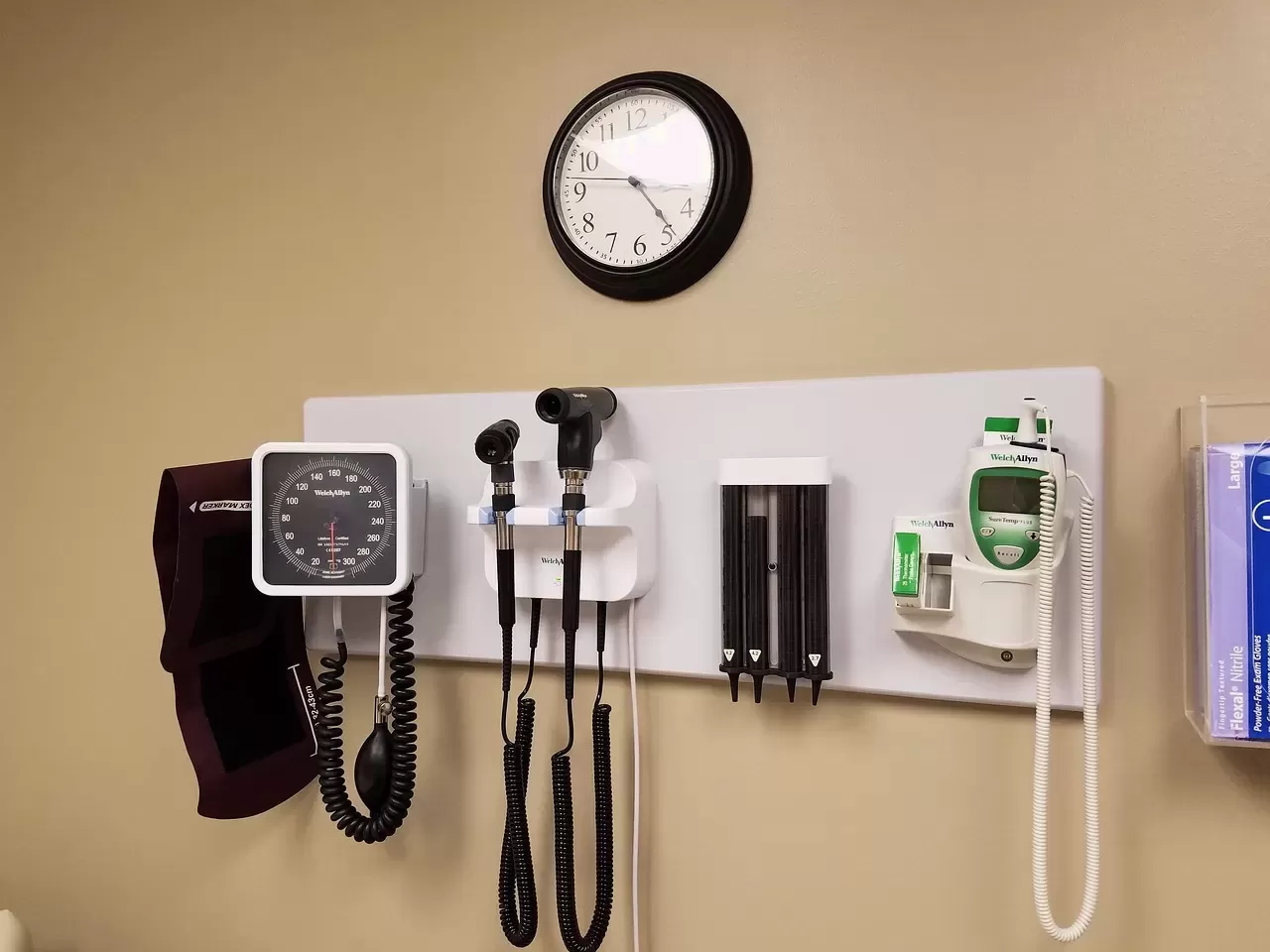
Medical Clinic Electrical Contractor
Licensed contractor that builds, services and inspects clinic electrical systems and medical building power to OESC Section 24.
View serviceHealthcare & Dental Facilities
Ongoing electrical maintenance for medical office buildings, clinic groups and dental buildings, planned around patient hours.
View service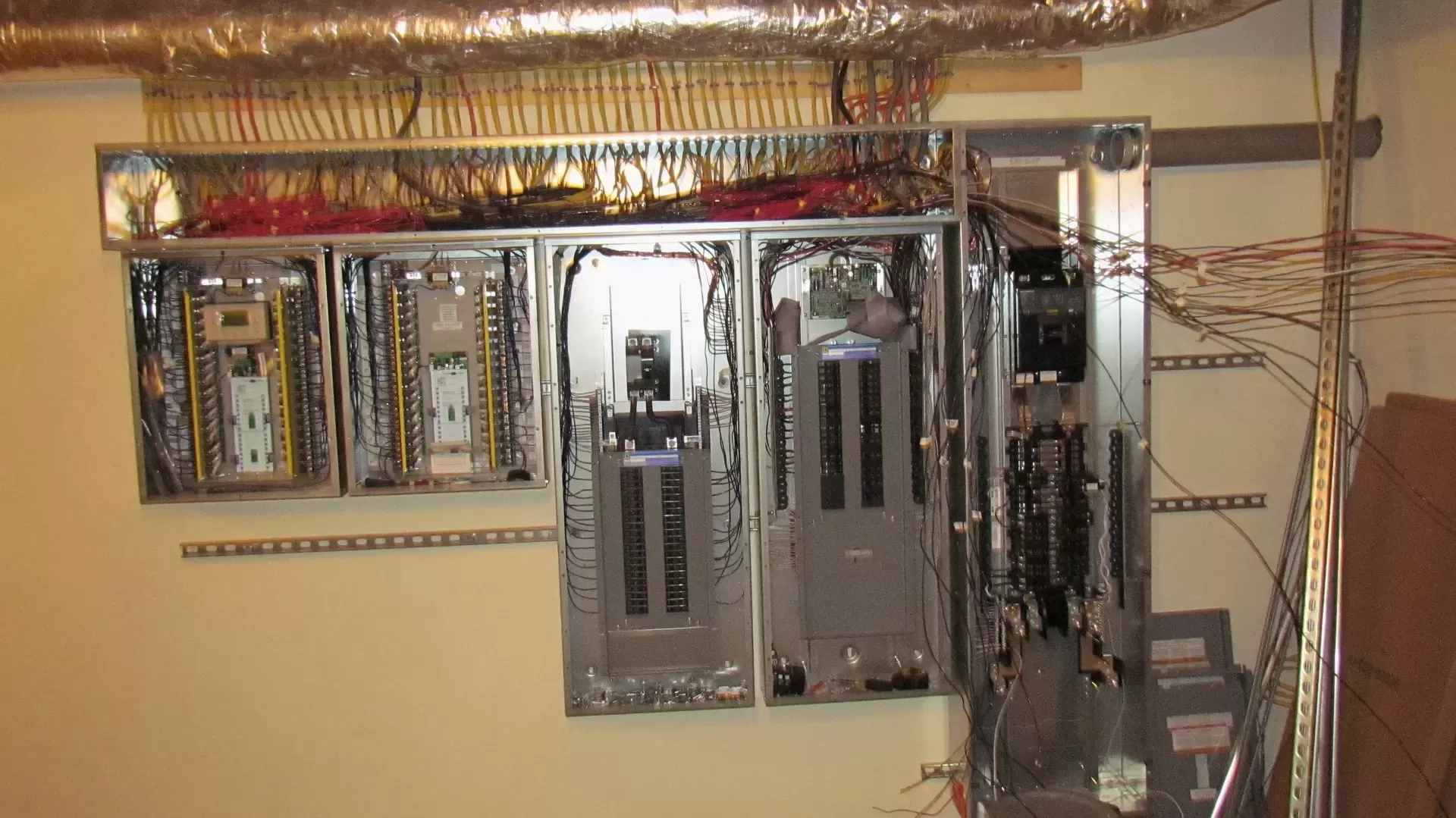
Electrical Troubleshooting
Methodical fault finding for trips, outages, overheating and nuisance faults, with the root cause found, fixed and documented.
View service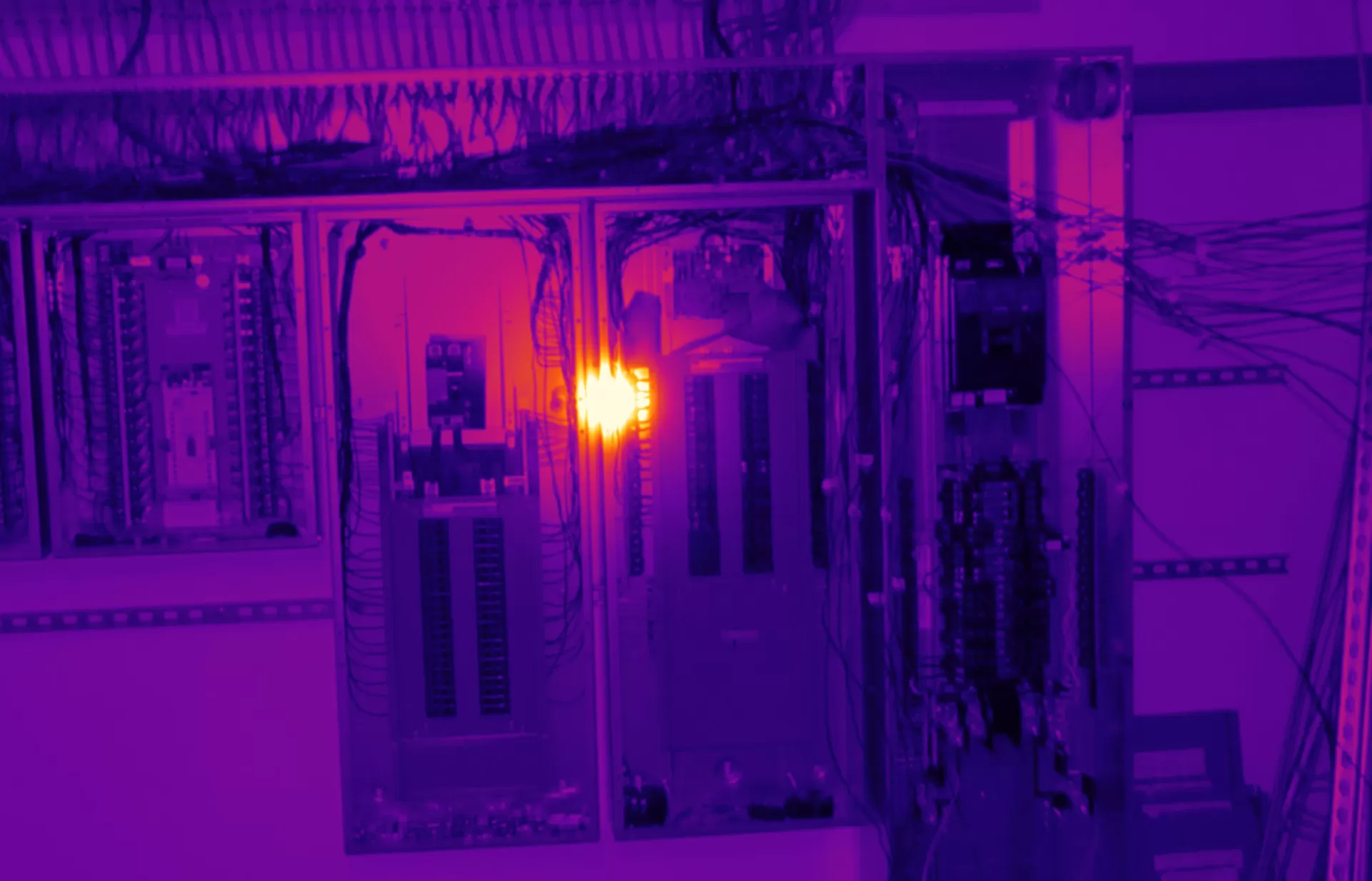
Infrared Electrical Thermography
Thermal scans of energized switchgear, panels and motor controls by Level II thermographers, with rated findings and repairs by licensed electricians.
View service
Request a callback
Plan your next electrical maintenance program with KCS
Tell us about the site and the equipment. A licensed electrician reviews it and calls you back.
- ESA/ECRA licence #7014042
- COR certified, ISNetworld, Avetta and ComplyWorks
- Work planned around shutdowns and tenant hours
- Emergency response for maintenance-contract clients
Send your request
We reply during business hours: Open daily, 9 a.m. to 9 p.m.