
Maintenance programs
Electrical Preventive Maintenance Services in Toronto & the GTA
Electrical preventive maintenance is the planned inspection, cleaning, tightening and testing of your switchgear, panels, transformers and motor controls before they fail. KCS runs these programs for plants, commercial buildings and clinics in Toronto and the surrounding GTA, built around CSA Z463 and your production schedule.
- ESA/ECRA licence #7014042
- COR certified (IHSA)
- ISNetworld, Avetta, ComplyWorks
- Level II thermographers
Request a callback
A licensed electrical contractor calls you back, usually the same business day.
Updated Reviewed by KCS Group licensed electricians
What Is Electrical Preventive Maintenance?
Electrical preventive maintenance (EPM) is a scheduled routine of looking, cleaning, oiling, exercising and testing applied to distribution equipment at set intervals, so that worn parts, loose connections and failing insulation are found and corrected while the system is still working. It is the opposite of run to failure.
In practice, preventive electrical maintenance covers everything between the utility service and the last branch panel: the main switchgear or switchboard, circuit breakers, dry-type transformers, motor control centres, distribution panels, busway, disconnects, cables, protective relays and ground-fault protection. Each piece of equipment gets the tasks its manufacturer and the governing standard call for, at the interval its condition justifies.
Our electrical maintenance services are delivered by our own licensed electricians under the company's ESA/ECRA electrical contractor licence #7014042. The same crew that finds a problem can usually correct it, so your team is not left managing a list of deficiencies and a second contractor.
Preventive maintenance sits beside two related approaches. Predictive electrical maintenance uses condition data such as thermal images and trend readings to decide when work is due, and electrical asset management looks at the whole fleet of equipment over its life. A good program uses all three: fixed intervals as the floor, condition data to tighten them, and asset planning to budget replacements.
What Belongs in an Electrical Maintenance Program Under CSA Z463 and NFPA 70B
A complete electrical maintenance program is a written, documented system, not a yearly visit. CSA Z463 sets the Canadian requirements for keeping electrical systems maintained, and NFPA 70B is the US standard many insurers and corporate owners write into their contracts. The tests inside the program follow ANSI/NETA MTS (2023 edition), NETA's specification for gear already in service, which defines each test and the results that count as acceptable.
CSA Z463:24 is the third edition. It became a standard in 2024, so many criteria that were advisory in the earlier guideline are now requirements, and its first concern is the safety of the people doing the work and anyone near the equipment. NFPA 70B became a standard with mandatory language in its 2023 edition, and NFPA lists a 2026 edition as current. Neither is Ontario law on its own, but both are widely used to define what good maintenance looks like.
According to a white paper by an NFPA 70B committee member, the 2023 edition expects an Electrical Maintenance Program to include:
- an electrical safety program and named responsible persons
- a survey and analysis of the equipment in the facility
- documented maintenance procedures
- a plan of inspections, servicing and tests
- a records retention policy and a corrective action process
- design for maintainability and a periodic program review
We build these pieces with your facilities or maintenance team. We start with a single-line review and equipment survey, then write the task list, intervals and record format. Where an arc flash study has never been done, or dates from before your last major change, we flag it, because the maintenance condition of the equipment feeds directly into the incident energy analysis and the labels your electricians rely on.
How Often Should Electrical Equipment Get Preventive Maintenance?
Most distribution equipment needs a visual inspection and infrared electrical inspection every year, and a full de-energized service somewhere between annually and every fifth year, with the gap set by how the equipment scores. Equipment in harsh or critical service sits at the short end.
NFPA 70B sets intervals through an equipment condition assessment that scores physical condition, criticality and operating environment. Condition 1 is good equipment in a clean, non-critical setting; Condition 3 is poor, critical or harsh. The highest of the three scores drives the interval, and manufacturer guidance still applies. The table below shows values from the 2023 edition, as reproduced by an equipment manufacturer.
| Equipment | Task | Interval by condition (1 / 2 / 3) |
|---|---|---|
| All distribution equipment | Thermal (infrared) scan | yearly / yearly / every 6 months |
| Switchgear | Visual check | yearly / yearly / every 6 months |
| Switchgear | Cleaning, mechanical servicing, electrical tests | 5 years / 3 years / yearly |
| Panelboards, switchboards | Every task | 5 years / 3 years / yearly |
| Motor control equipment | Every task | 5 years / 3 years / yearly |
| Power and distribution transformers | Visual check | yearly / yearly / every 6 months |
| Power cables | Every task | 5 years / 3 years / yearly |
| Protective relays, electromechanical | Every task | 3 years / 2 years / yearly |
| UPS systems | Visual check | every 6 months / every 3 months / monthly |
Two practical points follow. First, the yearly thermal scan and visual check are the backbone of any program, because they are done with the equipment energized and catch most developing faults. Second, once intervals are set they are meant to be held for at least two maintenance cycles unless unexpected failures occur, so the first condition assessment matters. We document it so your insurer or auditor can see why each interval was chosen.
What Happens During a Preventive Maintenance Visit
A preventive maintenance visit has two halves: energized work done while you operate, and de-energized work done in a planned outage. Most clients see us twice: once for the thermal scan and walk-through, and again for the shutdown.
Energized tasks, done with covers on or through approved openings by qualified workers in the right PPE:
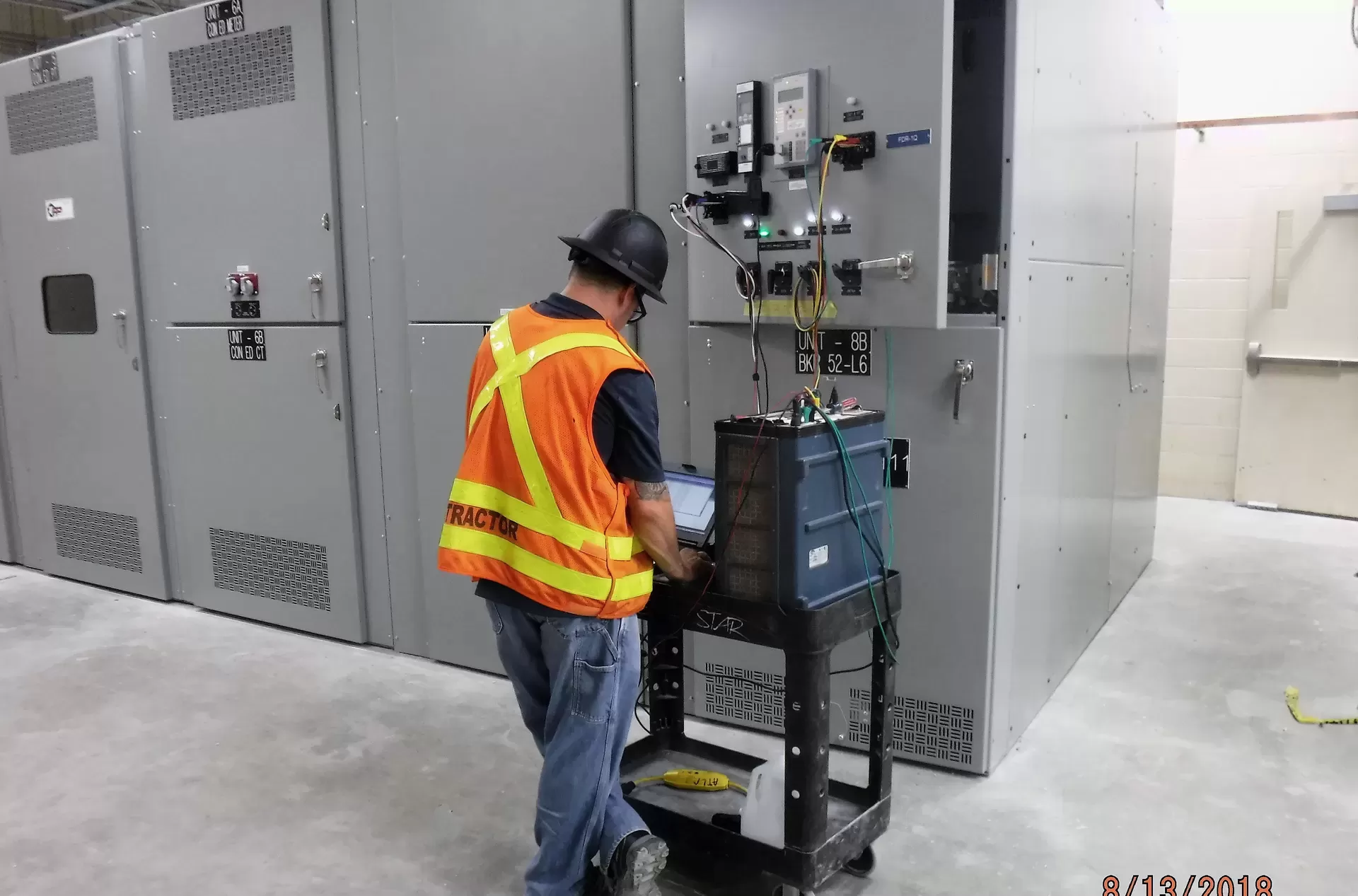
- infrared scan of switchgear, switchboards, panels, MCCs, busway and transformers by Level II or higher thermographers
- visual inspection for heat discolouration, moisture, corrosion, damaged insulation, missing barriers and blocked ventilation
- load readings and phase balance on main and feeder circuits
- check of meters, indicating lights, heaters and room conditions
- review of labels, warning signs and the room itself for storage and access problems
De-energized tasks, done after lockout and verification of absence of voltage:
- vacuum cleaning of enclosures, bus and insulators
- torque checks and inspection of bolted connections and terminations
- mechanical operation, lubrication and racking checks on breakers and switches
- insulation resistance and contact resistance tests, and breaker trip testing where called for
- inspection of fuses, fuse clips, arc chutes, interlocks and grounding
The detailed test methods sit on our electrical testing services page and the equipment pages for switchgear maintenance and electrical panel inspection. Corrective work found during the visit is quoted on the spot or completed within the same outage when you approve it.
Planning Shutdowns Around Production, Tenants and Patients
We plan de-energized work around your operation, not ours. Offline tasks need the equipment shut down, so the schedule is set by your production calendar, tenant leases or clinic hours.
For plants, that usually means a statutory holiday weekend, a planned line changeover or an annual shutdown, with the work split by bus section so part of the facility stays live. For office and retail buildings, we work evenings and weekends and coordinate tenant notices with the property manager. For medical and dental clinics, outages are booked outside patient hours and sequenced so refrigeration, sterilizers and imaging equipment are restored and checked before the next day.
Before each outage we confirm the switching sequence, the lockout points, any temporary power or generator needs and who signs off on re-energizing. Because our office takes calls every day of the week until 9 p.m., evening and weekend windows are easy to arrange. If something fails between visits, contract clients can call on our emergency response.
What the Maintenance Report and Records Contain
Each visit closes with a written report that your maintenance team, insurer and auditor can act on. It is organized by equipment so it can be filed against your asset list and compared year over year.
- an equipment list with location, ratings and the condition score behind its chosen interval
- tasks completed, with as-found and as-left condition
- test results with the values recorded, test conditions and any readings outside the ANSI/NETA MTS or manufacturer limits
- thermal and visual images of each finding, with temperature rise and load at the time
- deficiencies ranked by urgency, with recommended corrective action
- work completed during the visit and items still open
- the next due date for each task
NFPA 70B also expects a condition marking on equipment after maintenance, and CSA Z463 places weight on records. We apply maintenance labels where your program calls for them and keep the history so trends show up: a connection that warms a little more each year is a planned repair, not an outage. That history is also what an asset management plan or predictive program is built on.
Ontario Rules That Shape Preventive Electrical Maintenance
Three sets of provincial rules frame our maintenance work in Ontario: the electrical code, the workplace safety regulations under the OHSA, and contractor licensing. Neither NFPA 70B nor ANSI/NETA MTS is provincial law, yet we test to MTS on maintenance work, and to ANSI/NETA ATS when replacement equipment goes in, because owners and insurers recognize both.
- Licensing. Outside a short list of exemptions, ESA allows only licensed electrical contractors to perform electrical work for others in Ontario. You can check any contractor's number on ESA's contractor look-up.
- The Code. Repairs and replacements made during a maintenance visit follow the current Code, which since May 2025 has been the 2024 (29th) edition.
- Notifications. ESA expects every job on an installation to be notified, so we file the notification for repairs and replacements as the licensed contractor.
- Lockout. In industrial establishments, O. Reg. 851, section 42, makes the employer cut the supply, apply locks and attach tags before anyone works on or near exposed live parts, following written procedures.
- Worker safety. CSA Z462 sets the arc flash and shock rules our electricians follow on energized tasks.
Large sites with steady maintenance work can enrol in ESA's Continuous Safety Services program, which uses scheduled inspections and an online logbook in place of an inspection request per job. If your site is enrolled, our records slot into that logbook.
Who Needs an Electrical Preventive Maintenance Contract, and Who Does Not
A formal preventive maintenance contract makes sense when an unplanned outage costs real money, when an insurer or owner requires documented maintenance, or when the equipment is old enough that failure is no longer unlikely.
Typical clients include manufacturing plants, food and beverage processors, warehouses and distribution centres, property managers responsible for multi-tenant buildings, and medical clinics and dental offices that depend on stable power for patient equipment. Contractors who must be prequalified will note that KCS holds COR from IHSA and is prequalified with ISNetworld, Avetta and ComplyWorks.
You may not need a full contract if your building is small, recently built, lightly loaded and has a single panel or two. In that case an annual thermal scan and a visual check, or a one-time electrical inspection to set a baseline, is usually enough. We will tell you that plainly rather than sell a program you do not need.
Preventive Maintenance Across Toronto, the GTA and Ontario
We are based in Aurora and look after equipment throughout Toronto and the GTA, and we travel across Ontario for clients with several sites.
Our regular routes include the industrial areas of Toronto, Mississauga, Vaughan, Brampton and York Region, where much of the province's manufacturing, food processing and warehousing load sits. Multi-site clients can put every location on one schedule, one report format and one point of contact, which makes year-over-year comparison across buildings straightforward.
The first step is a phone call or the callback form on this page. From there we book a site walk and a review of your single-line diagram and past records, then propose a scope and schedule.
Getting started
How a preventive maintenance program starts
Site walk and records review
We walk the electrical rooms, review your single-line diagram and any past reports, and list every piece of equipment in scope.
Condition assessment
Each item is scored for condition, criticality and environment, which sets its task list and interval.
Energized survey first
A thermal scan and visual inspection show what needs attention before the first planned outage.
Planned outage and report
De-energized cleaning, torque checks and testing are done in your shutdown window, followed by a written report.
Equipment we maintain
Preventive maintenance by equipment type
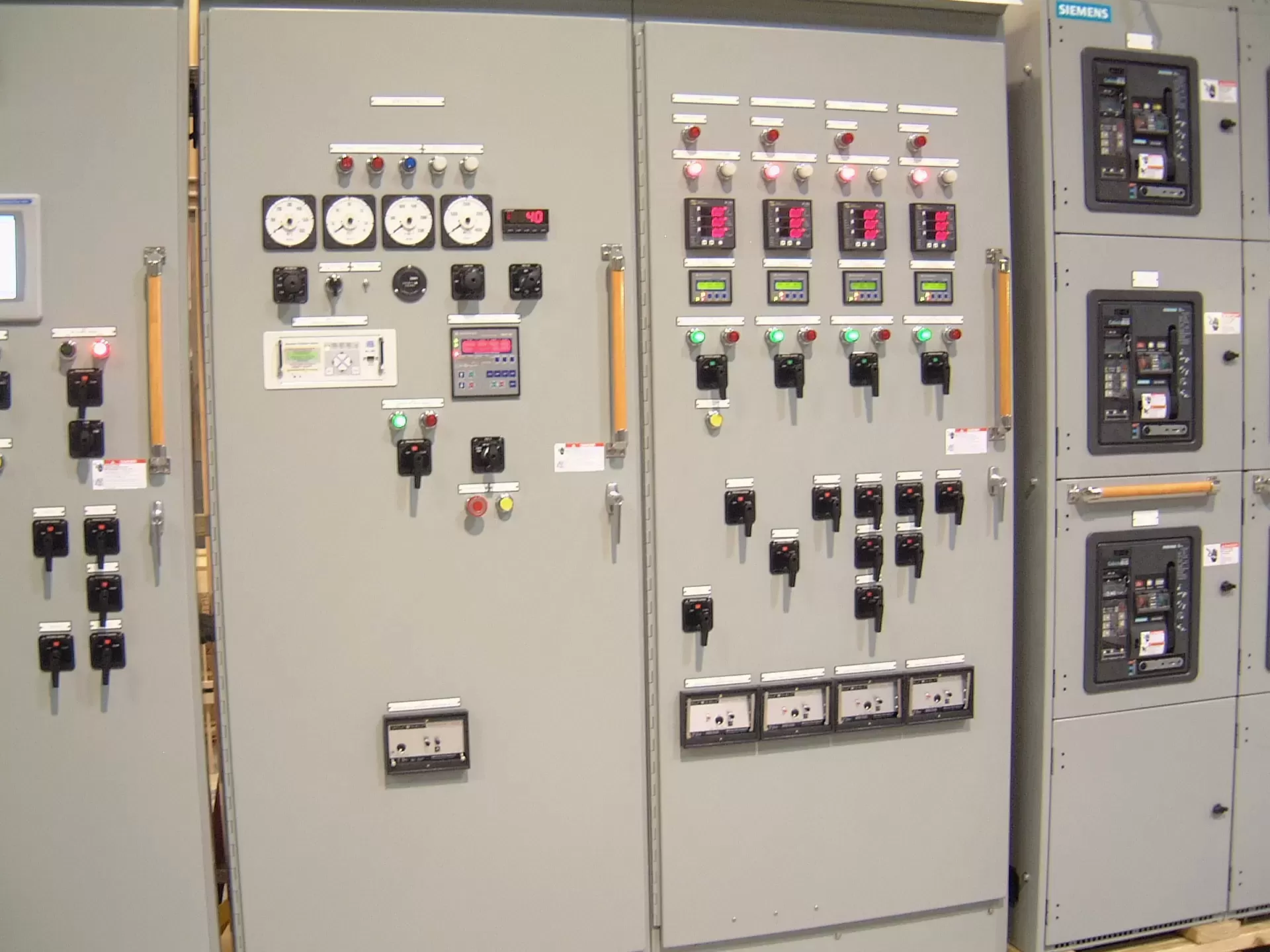
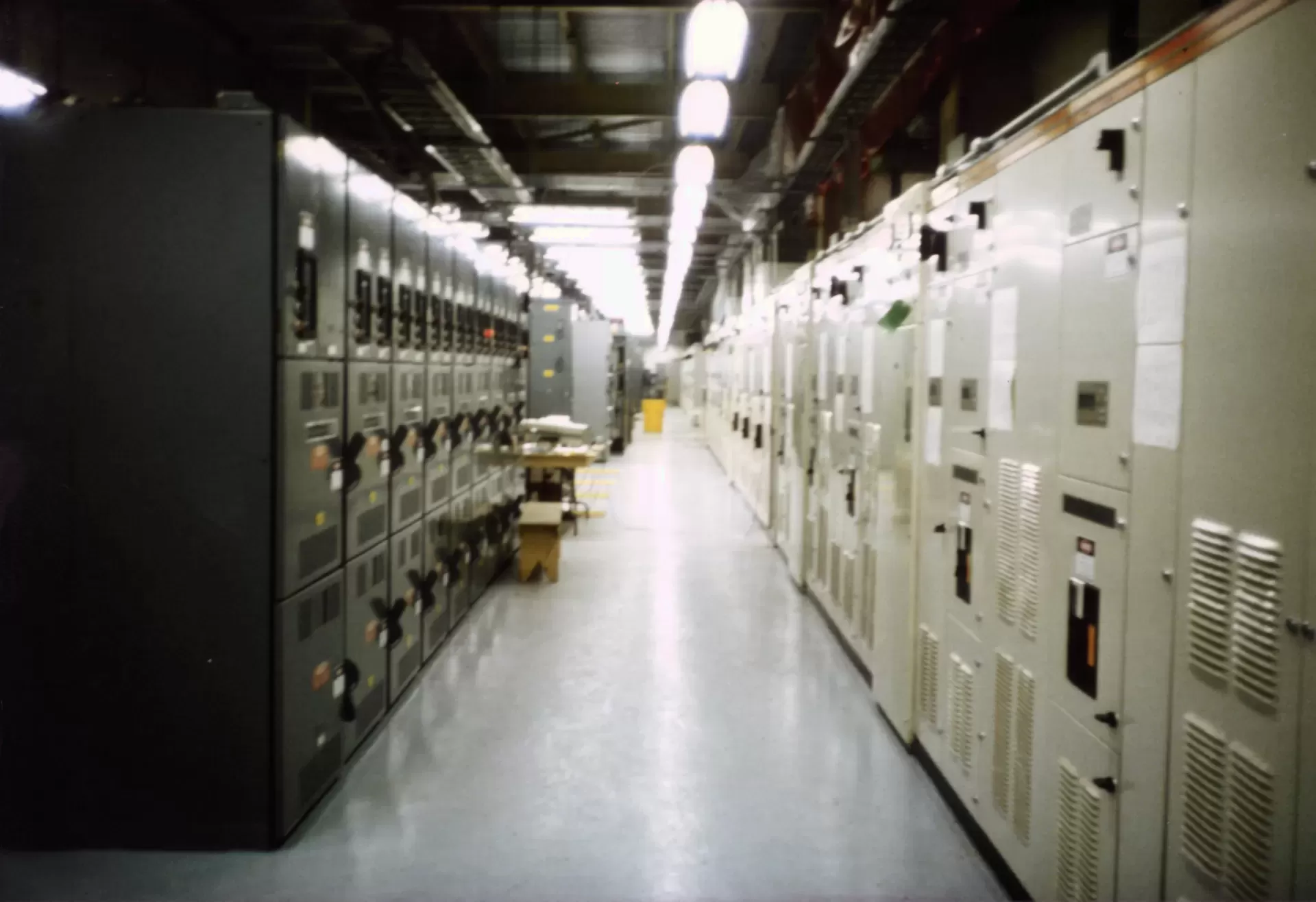
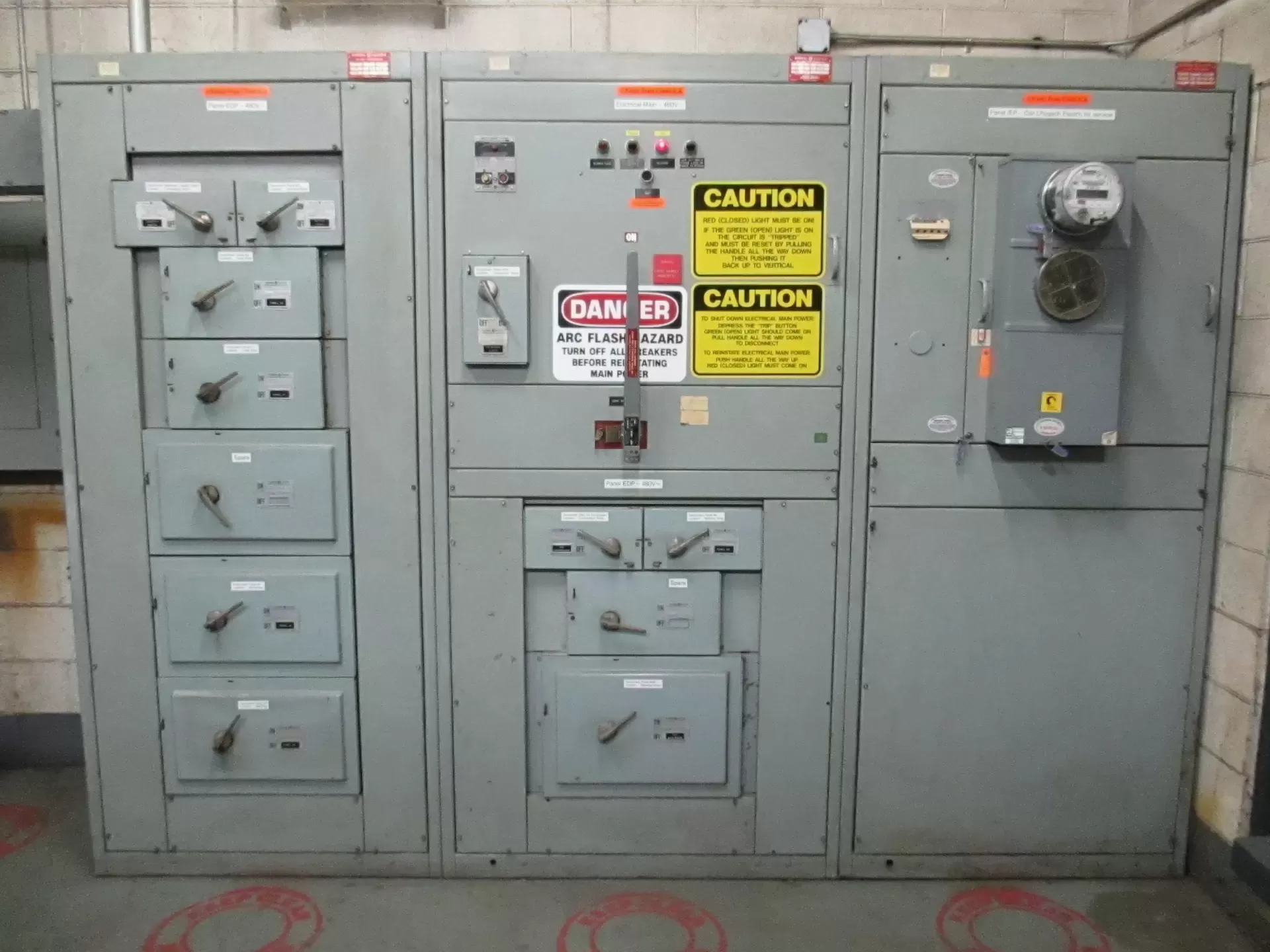
Panels and switchboards
Distribution panels and switchboards inspected, cleaned and tightened.
Learn moreOne crew, start to finish
We find it, and our licensed electricians fix it
Many maintenance reports end as a list someone else has to deal with. Our electricians carry out corrective work under the same ESA/ECRA licence, during the same outage where possible, and re-check the repair before the equipment goes back into service.
See how this fits with industrial electrical maintenance and commercial electrical maintenance contracts.

Questions
Frequently asked questions
Basics
What is the difference between preventive and predictive electrical maintenance?
Preventive maintenance is done on a fixed schedule, such as yearly thermal scans and testing every three to five years. Predictive maintenance uses condition data, such as thermal trends and test results, to decide when work is actually due. Most good programs combine them: a fixed schedule as the minimum, with condition data used to shorten intervals on equipment that is deteriorating and justify longer ones on equipment in good shape.
What does electrical PM mean on a maintenance work order?
Electrical PM means electrical preventive maintenance: a scheduled task on electrical equipment done before it fails, rather than a repair after a breakdown. On a work order it usually refers to a defined routine, such as cleaning, torque checks and testing of a switchboard, with the results recorded against that asset so the next visit can compare them.
What are the main types of electrical maintenance a facility can use?
There are four broad types. Reactive maintenance fixes equipment after it fails. Preventive maintenance follows a set schedule. Predictive maintenance uses condition data such as thermal images and trend readings to time the work. Reliability-centred maintenance ranks equipment by the consequence of failure and sets the strategy for each item accordingly. Most commercial and industrial sites use a mix, with preventive work as the base.
Is a yearly thermal scan enough without a full maintenance program?
For a small, newer building with light loads, an annual thermal scan and visual check can be a reasonable minimum. For larger or older systems it is not enough on its own, because a thermal scan only sees heat at the moment of the scan. It cannot check insulation, breaker trip times, mechanical operation or hidden connections. Those need de-energized testing at the intervals set by the condition assessment.
Standards
What does NFPA 70B require for electrical equipment maintenance?
Since its 2023 edition, NFPA 70B has been a standard rather than a recommended practice. It expects a documented Electrical Maintenance Program with an equipment survey, written procedures, a plan of inspections and tests, records, corrective action and periodic review. Intervals are set by an equipment condition assessment. In Ontario it applies when a client, owner or insurer adopts it by contract; it is not provincial law.
What is CSA Z463 and does it apply in Ontario?
CSA Z463 is the national standard Canadian owners use for electrical system upkeep. Its third edition, published in 2024, turned many earlier advisory criteria into requirements and focuses on worker and public safety. Ontario does not adopt it directly into regulation, but owners, insurers and safety programs use it as the reference for what proper maintenance looks like, so we build our programs to align with it and run the tests to ANSI/NETA MTS.
How does an equipment condition assessment set maintenance intervals?
Each piece of equipment is rated on three factors: its physical condition, how critical it is to the operation, and how harsh its operating environment is. Each factor is scored from Condition 1 (good) to Condition 3 (poor, critical or harsh). The highest of the three sets the interval. A clean, lightly loaded panel may be on a five-year testing cycle, while the same panel in a wet, dusty plant may need yearly work.
Does preventive maintenance affect our arc flash labels?
Yes. Incident energy depends on how fast protective devices clear a fault, and a poorly maintained breaker can trip slower than its settings assume. CSA Z462 also asks for the maintenance condition of equipment to be considered in the risk assessment. If testing finds slow or failed devices, or the system has changed, the arc flash study and labels may need to be updated.
Scope and scheduling
What equipment is usually included in a preventive maintenance contract?
A typical contract covers the main switchgear or switchboard, distribution panels, transformers, motor control centres, busway, disconnect switches, automatic transfer equipment where present, and protective relays. Some clients add motors, emergency lighting and generator testing. The scope is set from your single-line diagram and site walk, so you only pay for equipment that matters to your operation.
Can preventive maintenance be done without shutting the plant down?
Part of it can. Thermal scans, visual inspection, load readings and checks of labels and rooms are done with equipment energized. Cleaning, torque checks, mechanical servicing and most electrical tests can only happen once the gear is isolated, locked and tagged. We split the work by bus section where the design allows, so part of the facility stays running while one section is serviced.
Do you work evenings and weekends for maintenance shutdowns?
Yes. Most de-energized work for commercial buildings and clinics is booked for evenings, weekends or holidays so tenants and patients are not affected, and plants usually schedule it into planned shutdowns. Our phones are answered seven days a week, and we confirm switching, lockout points and re-energizing sign-off with your team before the outage.
Do maintenance contract clients get emergency response?
Yes. KCS keeps emergency response for its maintenance contract clients. We already hold your single-line diagram, equipment list and past reports, so the crew that arrives knows the system it is walking into when something fails between scheduled visits. We do not offer emergency call-outs to the general public.
Cost and value
How is the cost of an electrical preventive maintenance program set?
The cost depends on the amount and type of equipment, the intervals set by the condition assessment, how many outages the work needs, and how much of it falls in evenings or weekends. We price after a site walk and a review of your single-line diagram, with a clear task list per item, so you can see exactly what each visit includes before you commit.
Why would an insurer ask for documented electrical maintenance?
Electrical faults are a known cause of fires and equipment losses, so insurers and their risk engineers often ask how a facility looks after its distribution equipment. Documented maintenance, thermal scan reports and records of corrective work show that risks are being managed. Each insurer sets its own requirements, so we format reports to answer the questions your carrier asks.
What happens to deficiencies found during preventive maintenance?
Every deficiency is recorded with a photo, a description and an urgency ranking. Simple items, such as a loose termination or a missing barrier, are usually corrected during the visit with your approval. Bigger corrections are priced and scheduled. Because our licensed electricians do the corrective work, there is no handoff to another contractor, and we re-check the repair before closing the item.
Compliance
Do you file ESA notifications for repairs found during maintenance?
Yes. Under ESA's rules, any work on an installation has to be notified, and the licensed contractor doing the work is the one who files. We handle that for the repairs and replacements our crew completes. Some manufacturer work on certified equipment that does not touch branch-circuit conductors is handled differently, and we confirm the right path for each job.
What prequalification does KCS hold for contractor management systems?
Our COR certificate comes from IHSA, the body that grants COR in Ontario, and our prequalification is current with ISNetworld, Avetta and ComplyWorks. KCS is commercially insured, has WSIB coverage and can supply a WSIB clearance certificate when you retain us for construction work, as WSIB policy expects principals to obtain.
How long should electrical maintenance records be kept?
Keep them for the life of the equipment if you can. NFPA 70B expects a records retention policy as part of the maintenance program, and trend analysis only works when past results are available. Records also support insurer reviews, incident investigations and arc flash study updates. We provide reports in a format that can be filed against each asset in your maintenance system.
Related services
Related services
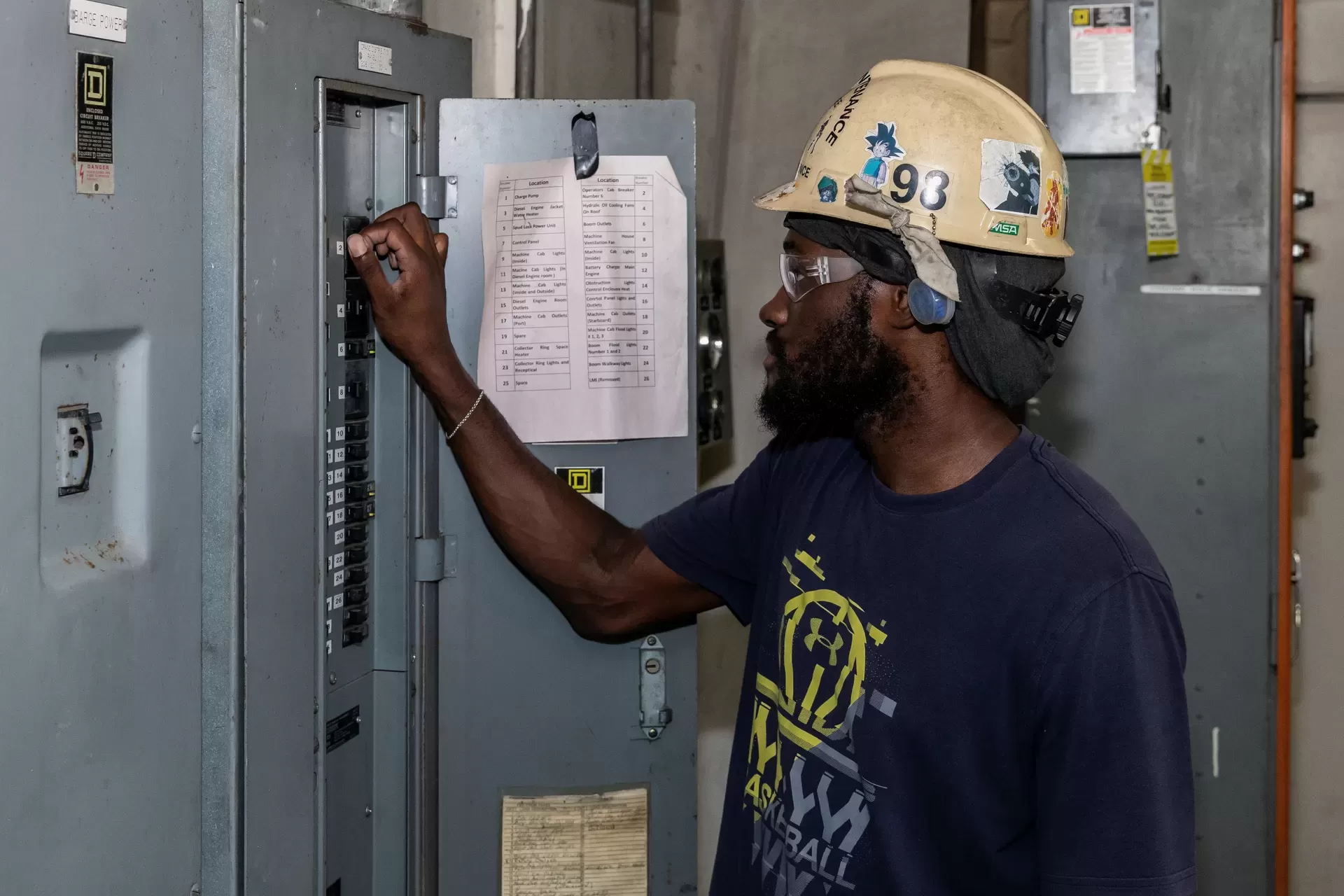
Electrical Inspection Services
Commercial and industrial electrical inspections and safety audits that rank every finding and point to the fix.
View service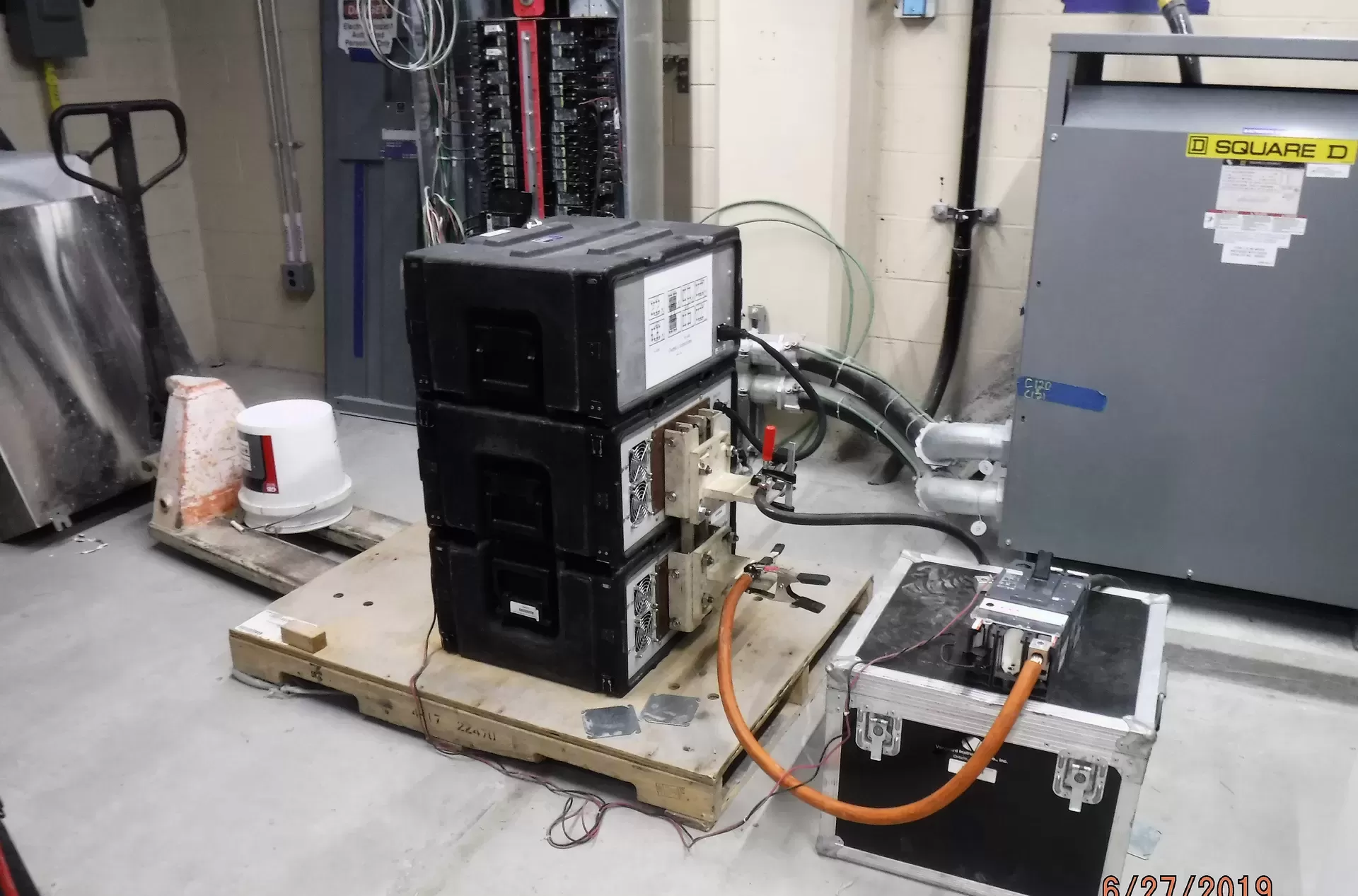
Electrical Testing Services
Measured tests on breakers, cables, transformers, relays and generators, recorded so results can be trended visit to visit.
View service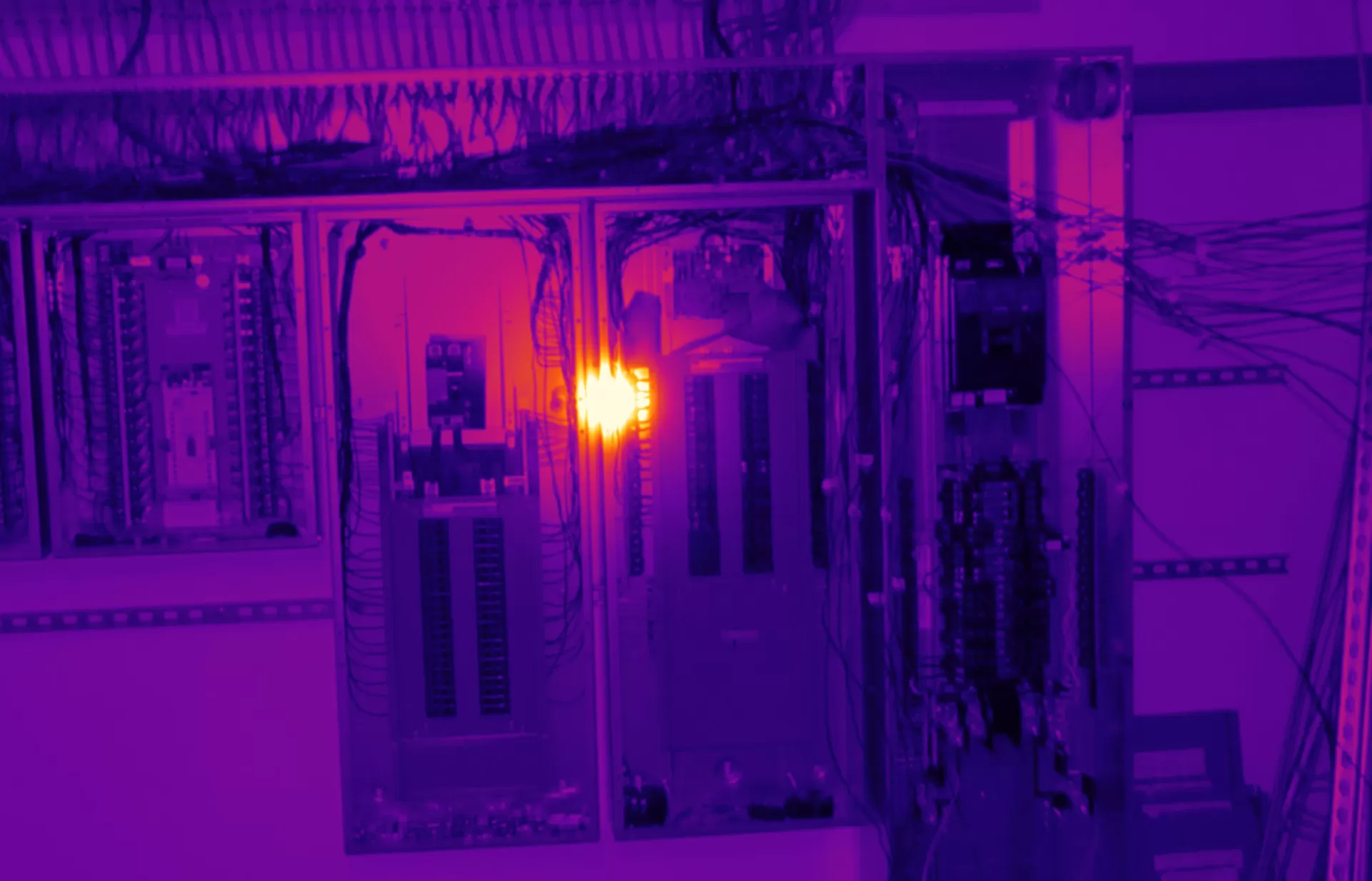
Infrared Electrical Thermography
Thermal scans of energized switchgear, panels and motor controls by Level II thermographers, with rated findings and repairs by licensed electricians.
View serviceSwitchgear Maintenance
Switchgear maintenance and inspection for low voltage lineups and switchboards, planned around shutdown windows and documented section by section.
View service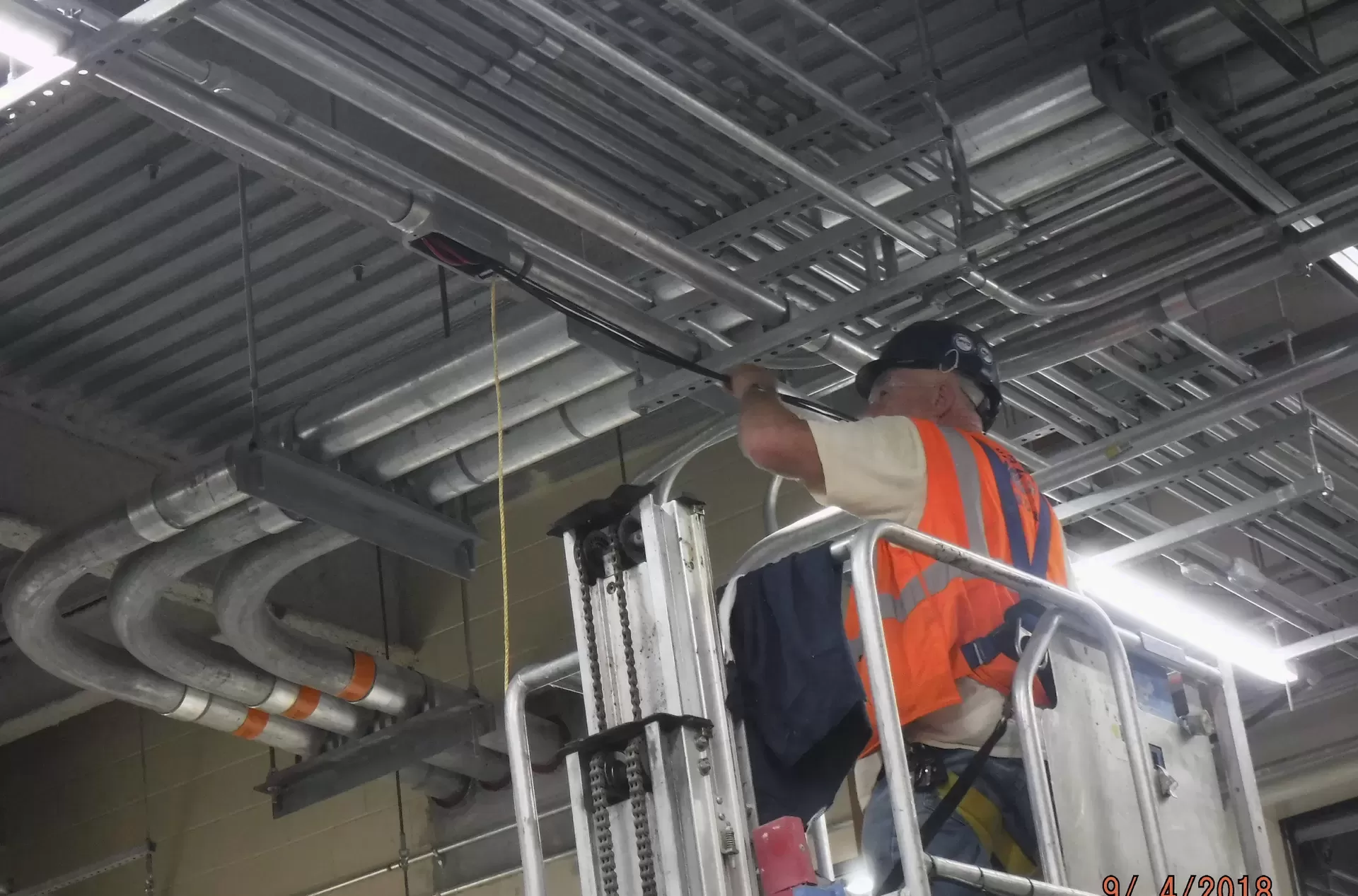
Predictive Electrical Maintenance
Condition monitoring and trended test data that show which electrical equipment is degrading, so repairs happen before a failure.
View service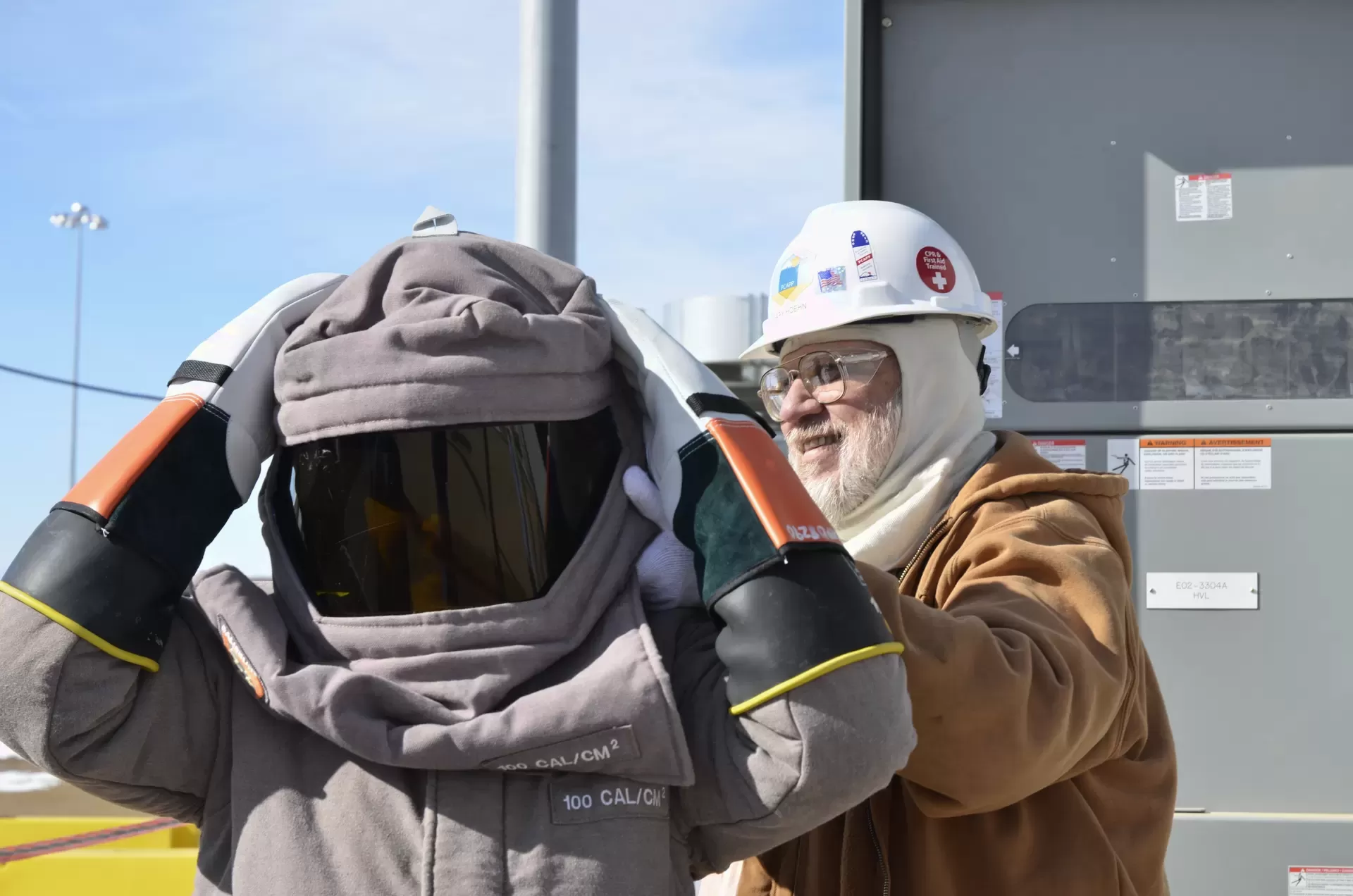
Arc Flash Study
Arc flash assessment, incident energy results and CSA Z462 arc flash labels so your electricians know the hazard at every piece of gear.
View serviceRequest a callback
Plan your next electrical maintenance program with KCS
Tell us about the site and the equipment. A licensed electrician reviews it and calls you back.
- ESA/ECRA licence #7014042
- COR certified, ISNetworld, Avetta and ComplyWorks
- Work planned around shutdowns and tenant hours
- Emergency response for maintenance-contract clients
Send your request
We reply during business hours: Open daily, 9 a.m. to 9 p.m.