
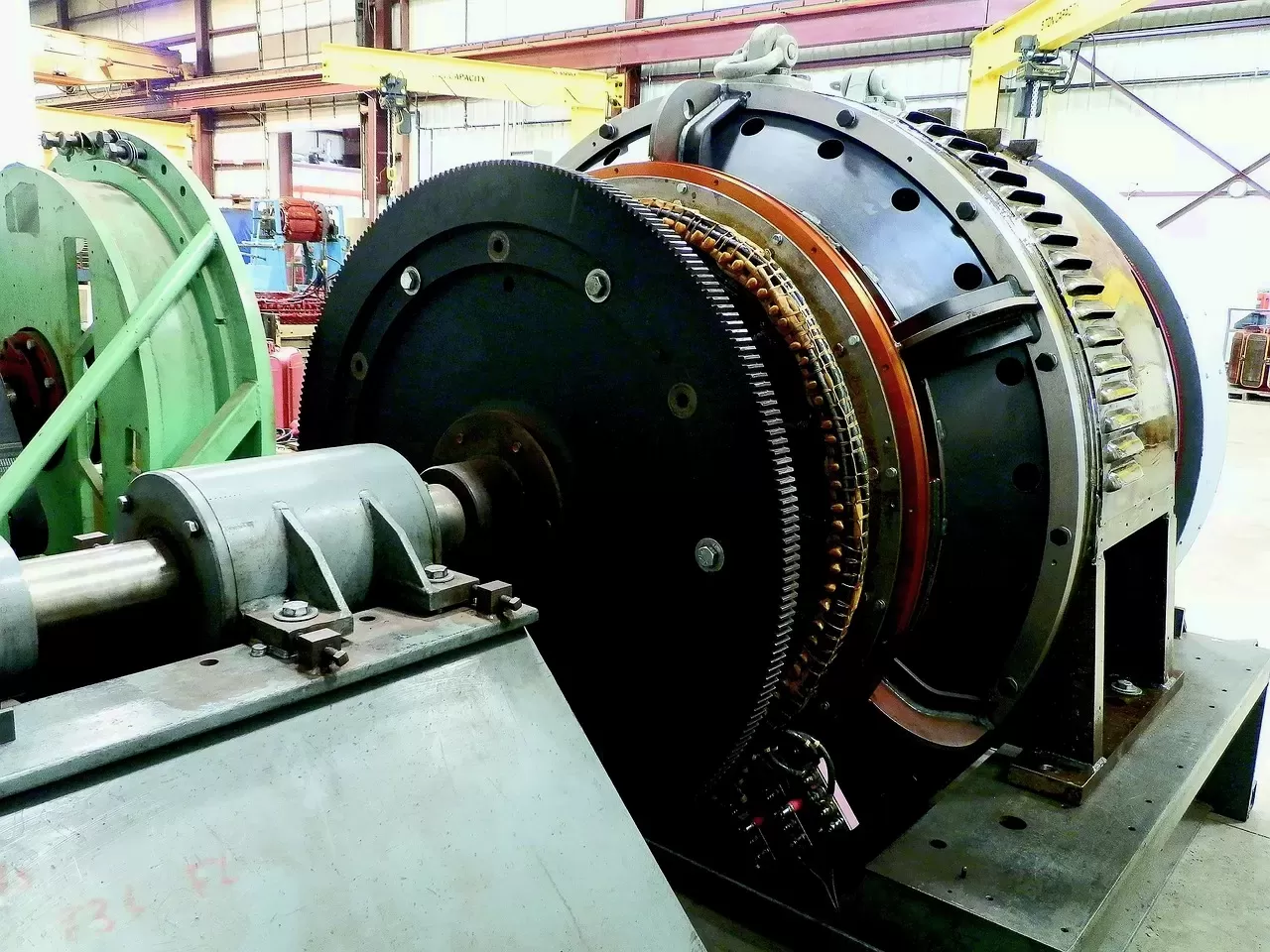
Motors and drives
Motor Electrical Testing and Motor Preventive Maintenance
Motor electrical testing for manufacturing, food, water and warehouse facilities in Toronto and the GTA. We test windings, insulation and running conditions on your critical motors, trend the results, and build a motor preventive maintenance plan around what the numbers show.
- ESA/ECRA licence #7014042
- Level II thermographers
- COR certified (IHSA)
- ISNetworld, Avetta, ComplyWorks
Request a callback
A licensed electrical contractor calls you back, usually the same business day.
Updated Reviewed by KCS Group licensed electricians
What Is Motor Electrical Testing and Why Do Plants Need It?
Motor electrical testing measures the health of a motor's windings, insulation and supply so you can tell a sound motor from one that is weakening, long before it burns out. Plants use it to decide which motors to repair at the next shutdown, which to keep in service, and which spares to have on the shelf.
Electric motors drive almost everything that moves in a plant: conveyors, pumps, fans, compressors, mixers, extruders and chillers. Most fail for a small number of reasons. Winding insulation ages with heat, moisture, contamination and voltage stress. Connections loosen. Supply problems such as voltage unbalance or a lost phase overheat the windings. Bearings wear, and a hot bearing cooks nearby insulation. Many of these causes leave an electrical signature well before the motor trips or seizes.
We test motors at three levels: offline tests on the de-energized motor and its cable, online checks while it runs under load, and thermal scans of the motor, its connection box and the starter feeding it. Results go into a register for each motor, so this year's numbers can be compared with last year's. A single reading can look acceptable; a reading that has fallen steadily over three visits tells a different story.
The motor is only one part of the circuit. Starters, overloads and drives in your motor control centres are covered by MCC maintenance, and broader test programs by electrical testing services.
Which Motor Tests Do We Run, and What Does Each One Find?
No single test finds every motor fault, so we choose a set based on motor size, voltage, criticality and what is already known about it. The table shows the tests we use and what each one is good at catching.
| Test | Motor state | What it reveals |
|---|---|---|
| Insulation resistance (megohmmeter) | Stopped, isolated | Moisture, contamination and insulation breakdown between windings and ground |
| Polarization index | Stopped, isolated | Whether insulation is clean and dry or tracking towards failure |
| Winding resistance, phase to phase | Stopped, isolated | Shorted turns, open strands, loose or high-resistance connections |
| Surge comparison | Stopped, isolated | Turn-to-turn insulation weakness that resistance tests can miss |
| Running current and voltage balance | Running, under load | Supply unbalance, single-phasing, overload and mechanical drag |
| Thermal scan of motor and connections | Running, under load | Hot terminations, overheating frames and bearing areas, starter problems |
| Cable insulation test | Stopped, isolated | Damage in the feeder between starter and motor |
Each test is carried out and judged under ANSI/NETA MTS (2023 edition) and the motor maker's data. On large or critical motors we add tests suited to their insulation system and agree the test voltages with you and, where relevant, the motor manufacturer. Thermal scanning of motors is done by our Level II thermographers as part of a wider electrical thermography survey or on its own.
Insulation Resistance and Polarization Index on Motor Windings
Insulation resistance testing applies a DC voltage between the windings and the motor frame and measures how much current leaks through the insulation. High, stable readings point to clean, dry insulation. Low or falling readings point to moisture, dirt, oil or ageing.
The reference document for this work is IEEE 43, the recommended practice for insulation resistance testing of rotating machinery. Its 2013 revision, published in 2014, is the edition test programs still cite. It is a recommended practice, so we use it as guidance on test voltages, temperature correction and acceptance values rather than as a rule.
Why we take readings over time
To get the polarization index, we take the reading at ten minutes and divide it by the reading at one minute. In clean, dry insulation the reading keeps climbing as the insulation polarizes, so the ratio is well above one. In wet or contaminated insulation, leakage dominates and the ratio stays flat. IEEE 43 offers guidance on reading the ratio, including cases where it adds little. We compare your results with that guidance, with the manufacturer's data, and with your motor's own history.
Temperature matters
Insulation resistance drops as temperature rises, so a reading taken on a warm motor straight after shutdown is not comparable with one taken on a cold motor. We record winding temperature with every test and correct readings to a common base, which is what makes year-on-year trending honest.
Winding Resistance, Surge Comparison and Running Tests Explained
Winding resistance and surge tests look for faults inside the copper, while running tests show how the motor behaves on its real load. Together they separate a motor problem from a supply or mechanical one.
Winding resistance
We measure the resistance of each phase with a low-resistance meter and compare the three. There is no universal ohm value for a motor of a given horsepower; resistance depends on the design, voltage and connection. What matters is balance: one phase reading noticeably different from the other two points to shorted turns, a broken strand or a poor connection in the terminal box. We also compare with the manufacturer's data and with earlier readings.
Surge comparison
A surge test sends short, fast-rising voltage pulses into each phase and compares the response waveforms. Healthy phases produce matching waveforms; a weak turn-to-turn insulation spot makes one phase's waveform shift. This is the test that finds the early stage of many winding failures, which a resistance test at low voltage can miss. Because it stresses the insulation, we agree test levels with you before we run it.
Running tests
With the motor on load, we measure current and voltage on each phase and compare them with the nameplate. Even modest voltage unbalance at the terminals shows up as a larger current unbalance and extra winding heat. Current above nameplate full-load amps points to overload or a mechanical problem in the driven equipment. A thermal scan at the same visit shows whether the heat is in the connections, the frame or the bearing housings.
Building a Motor Preventive Maintenance Program That Fits Your Plant
A motor preventive maintenance program tests each motor at an interval set by how critical it is and what condition it is in, rather than testing every motor on the same calendar. Critical motors with no installed spare get the closest attention; small, easily swapped motors may only need a thermal scan and a running check.
We borrow that logic from NFPA 70B: a motor that looks worn, sits in a wet or dusty room, or would stop the line if it failed is serviced sooner, and the harshest of those three factors decides. NFPA 70B's own interval table covers the motor control equipment that feeds your motors at five, three or one year cycles depending on condition. We carry the same thinking to the motors themselves, inside a program that also satisfies CSA Z463 and uses ANSI/NETA MTS test methods.
- Motor register: we list each motor with its nameplate data, location, load, starter or drive, and whether a spare exists.
- Criticality ranking: we agree with your maintenance team which motors stop production, affect safety or food safety, or cost the most to replace.
- Baseline tests: the first visit sets reference values for each motor tested.
- Intervals: critical motors in harsh rooms are tested most often; stable, low-risk motors less often.
- Trending and review: after each round we compare readings, flag motors moving the wrong way, and adjust intervals.
Motor testing pays off most as part of a wider plan. See predictive electrical maintenance for how trending drives decisions across your equipment, and factory electrical maintenance for whole-plant programs.
Testing Motors Around Production Schedules and Shutdowns
Most running tests and thermal scans happen during normal production, with no downtime. Offline tests need the motor stopped and isolated, so we group them into your planned shutdowns, changeovers and sanitation windows.
Before offline work, the motor's supply is disconnected, locked out and tagged under s.42 of Ontario's Reg. 851, and absence of voltage is verified. Where a variable frequency drive feeds the motor, we isolate the drive and make sure stored energy in its DC bus has discharged before connecting test leads. We disconnect drives before any insulation or surge test so the drive electronics are not exposed to the test voltage.
Reg. 851 recognizes that testing and troubleshooting sometimes has to happen on live equipment; s.42.1 covers that case and sets the protective equipment and procedures required. Our electricians work under CSA Z462 for any energized measurement, wearing the PPE the risk assessment calls for.
We service plants across Ontario, with most motor work in the industrial areas of Mississauga, Brampton and Vaughan. Night and weekend shutdowns are common, and we plan crews around them. When a motor fails between visits, contract clients get emergency response from the same team that knows their equipment.
What a Motor Test Report Tells Your Maintenance Team
The motor test report gives each motor a clear status, the readings behind it, and a recommended action, so your team can plan repairs, rewinds or replacements with evidence rather than guesswork.
- Motor identification: tag, location, nameplate data and the starter or drive feeding it.
- Test conditions: winding temperature, ambient conditions, test voltages and whether the cable was included.
- Readings: insulation resistance corrected to a common temperature, polarization index, phase resistances and balance, surge comparison result, running currents and voltages.
- Thermal images: the motor frame, terminal box and starter, with temperature rise noted.
- Trend: this round's values beside earlier rounds where we have them.
- Status and action: serviceable, monitor, plan repair, or remove from service, with the reason in plain words.
Where testing points to a supply problem, such as unbalanced voltage or a failing starter contact, the report says so and our licensed electricians can correct it. Where the problem is inside the motor, the report gives your repair shop the readings it needs.
When Motor Testing Is Not the Right First Step
Motor electrical testing is not always the answer. If a motor is vibrating, noisy or running hot at the bearings but its electrical readings are normal, the cause is usually mechanical: alignment, balance, lubrication or the driven load. The report will say when results point that way, so you can bring in the right trade.
- Small, low-cost motors with spares on the shelf are often cheaper to run to failure and swap. A yearly thermal scan is usually enough for these.
- A motor that tripped today needs fault finding before scheduled testing. Book electrical troubleshooting and we will trace whether the cause is the motor, the cable, the starter or the supply.
- Brand-new motors should have acceptance values recorded at installation, using the ANSI/NETA ATS (2025 edition) tests; that baseline is more useful than a test a few weeks later.
For plants with many motors, the right first step is usually a walkdown with your maintenance lead to rank criticality. From there we can recommend which motors to test, which to scan, and which to leave alone. See also our work for manufacturing plants and food processing plants.
How a motor testing round runs
From motor register to trend report
Rank your motors
We walk the plant with your maintenance lead, list motors and agree which ones are critical.
Online checks
Running currents, voltage balance and thermal scans are taken during normal production.
Offline tests
During planned shutdowns we lock out, isolate drives and run insulation, winding and surge tests.
Trend and act
You receive status by motor, with readings compared to earlier rounds and clear next steps.
Supply side
Many motor failures start upstream of the motor
Voltage unbalance, a worn starter contact, a loose lug in the bucket or an undersized feeder can overheat a healthy motor. We test the motor and its supply together, so a rewind is not wasted on a motor that was being damaged by its starter.

Related services
Services that support motor reliability
MCC Maintenance
Inspection and testing of starters, overloads, buckets and bus in your motor control centres.
Learn more
Industrial Plant Thermography
Thermal surveys of motors, drives and distribution equipment while the plant runs.
Learn more
Electrical Testing Services
Insulation, breaker, transformer and cable testing with results you can trend.
Learn moreQuestions
Motor electrical testing questions
Motor test basics
What electrical tests are done on an industrial electric motor?
The core offline tests are insulation resistance, polarization index, phase-to-phase winding resistance and surge comparison, done with the motor stopped and isolated. Online, we measure running current and voltage on each phase and scan the motor, terminal box and starter thermally. The mix depends on motor size, voltage and how critical the motor is to your operation.
How do you tell if motor windings are going bad?
Warning signs include low or falling insulation resistance, a polarization index close to one, unequal resistance between phases, a surge waveform that differs between phases, and higher than normal running current or heat. A single reading can mislead, so we compare each result with the manufacturer's data and the motor's own history before calling a winding bad.
How many ohms should a three-phase motor winding read?
There is no single correct value. Winding resistance depends on the motor's design, voltage, size and connection, so a figure for one motor means little for another. What matters is that the three phases read close to each other and close to the manufacturer's data or earlier readings. A phase that stands apart from the other two warrants investigation.
What does a motor surge test show that other tests miss?
A surge test compares how each phase responds to short, fast-rising voltage pulses. It finds weak turn-to-turn insulation, which low-voltage resistance tests and insulation-to-ground tests often cannot see. Many winding failures start as turn-to-turn weakness, so surge testing can catch them early. Because it stresses the insulation, test levels are agreed before the test.
Insulation testing
What is a good insulation resistance reading for a motor?
IEEE 43 offers guidance on minimum values, which depend on the winding type and voltage, corrected to a common temperature. In practice, a good reading is one that clears that minimum with margin and is stable or rising compared with earlier tests. A reading that passes but has dropped sharply since the last round deserves more attention than a steady one.
What is the polarization index and why does it matter?
It is a ratio: insulation resistance after ten minutes of test voltage over the value after one minute. In clean, dry insulation the reading keeps rising, so the ratio is well above one. In wet or dirty insulation it stays flat. IEEE 43 offers guidance on interpreting it, and the index helps decide whether a motor can safely return to service.
Can insulation resistance testing damage a motor or its drive?
On a healthy winding at the correct test voltage, no. The test voltage is chosen to suit the motor's rating. The risk is to electronics: variable frequency drives and some soft starters must be disconnected before testing, or the test voltage can damage them. We isolate drives and discharge the winding after every test as standard practice.
Is a megohmmeter test the same as an insulation resistance test?
Yes. A megohmmeter is the instrument used to apply a DC test voltage and read insulation resistance in megohms, so the two terms describe the same test. People often use an instrument brand name for it. A full insulation assessment adds the polarization index and temperature correction to the basic one-minute reading.
Running and load
How do you test run an electric motor after repairs?
We first confirm insulation resistance and phase balance with the motor isolated, check rotation direction with the load disconnected where possible, then run it and measure current and voltage on each phase against nameplate values. We watch for noise, vibration and heat, and scan the connections once the motor reaches operating temperature. Readings are recorded as the new baseline.
How much current should a 5 hp motor draw?
It depends on the motor's voltage, efficiency and design, so check the full-load amps on the nameplate rather than a general table. A motor drawing more than its nameplate current is overloaded or has a mechanical or supply problem. Unequal current between phases often points to voltage unbalance in the supply. We compare measured current with nameplate values on every running test.
What do S1, S2, S3 and S4 mean on a motor nameplate?
They are duty types. S1 is continuous running at constant load. S2 is short-time duty, running for a limited period then cooling fully. S3 is intermittent periodic duty with identical run and rest cycles. S4 adds the effect of starting in each cycle. Running a motor beyond its duty type overheats the windings and shortens insulation life.
Programs and scheduling
How often should industrial motors be electrically tested?
It depends on criticality and condition. Critical motors without a spare, or motors in wet, dusty or hot locations, are usually tested at least yearly, with thermal scans in between. Stable, low-risk motors can go longer. NFPA 70B sets intervals by condition assessment, and we apply that approach, with ANSI/NETA MTS test methods, after a baseline round shows where each motor stands.
Can motors be tested without shutting down the production line?
Partly. Running current, voltage balance and thermal scans are taken while the motor works under normal load, with no downtime. Insulation, winding and surge tests need the motor stopped, locked out and isolated, so we schedule them into planned shutdowns, changeovers or sanitation windows. Many plants combine both: online checks often, offline tests at planned outages.
What is the difference between motor testing and motor preventive maintenance?
Motor testing is a set of measurements on a motor at a point in time. Motor preventive maintenance is the program around it: a register of motors, a criticality ranking, scheduled tests and inspections, trending of results and the decisions that follow. Testing supplies the evidence; the maintenance program turns it into planned repairs instead of breakdowns.
Can you test the motor and its starter or MCC bucket at the same visit?
Yes. Many motor faults turn out to be in the supply rather than the motor, so we test the feeder cable, check the starter contacts, overload setting and connections, and scan the bucket under load during the same visit. That separates a motor problem from a starter or cable problem before anyone pulls the motor. Deeper work on the lineup itself is covered by MCC maintenance.
After the test
Should a failing motor be rewound or replaced?
It depends on motor size, age, efficiency, the cost and lead time of a replacement, and how much damage the core has taken. Small standard motors are often cheaper to replace. Large or special motors are usually worth repairing if the core is sound. Our report gives your repair shop the test readings it needs to quote both options accurately.
Who should we call for motor testing in Mississauga or Brampton?
KCS Group tests motors for plants across the GTA, including the industrial areas of Mississauga, Brampton and Vaughan, from our Aurora base. Our ESA/ECRA contractor number is 7014042, we hold COR through IHSA, and our safety records are on file with ISNetworld, Avetta and ComplyWorks for clients who use them. To plan a first round, call our office at (647) 979-0549 or leave your number in the form below.
Related services
Related services
MCC Maintenance
Motor control centre maintenance covering buckets, stabs, bus, starters and overloads, scheduled section by section so production keeps running.
View service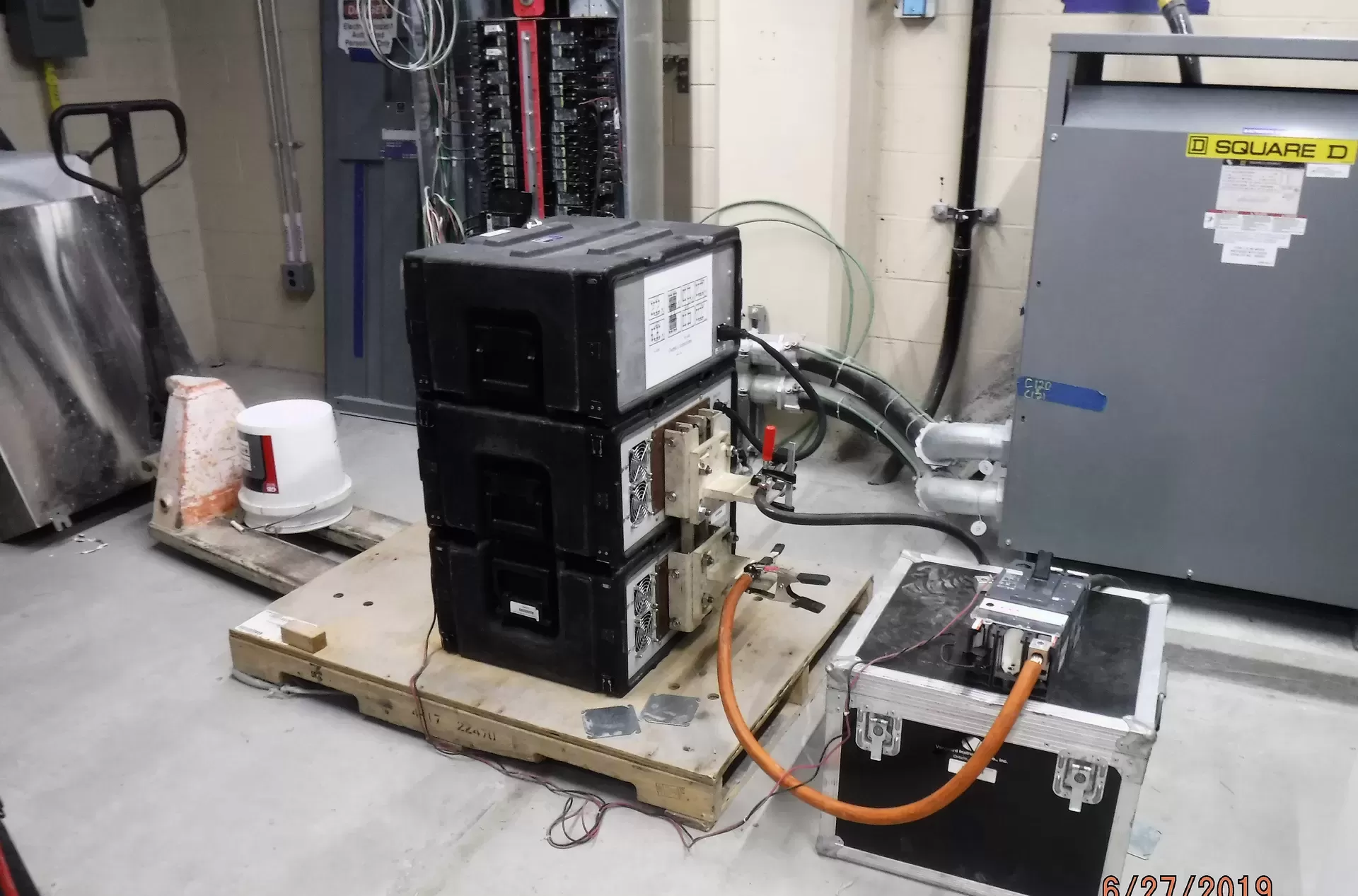
Electrical Testing Services
Measured tests on breakers, cables, transformers, relays and generators, recorded so results can be trended visit to visit.
View service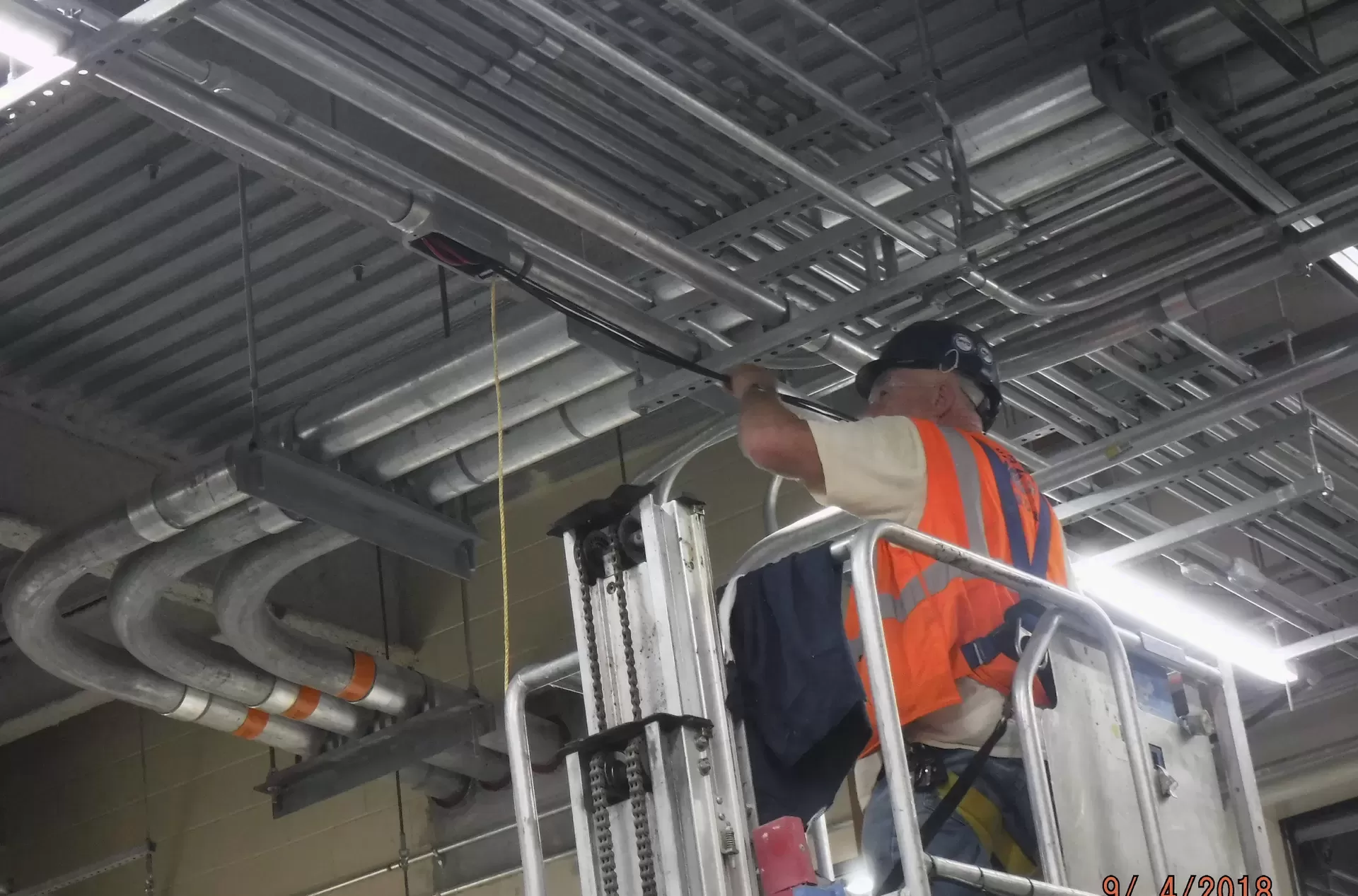
Predictive Electrical Maintenance
Condition monitoring and trended test data that show which electrical equipment is degrading, so repairs happen before a failure.
View service
Industrial Plant Thermography
Thermographic surveys of manufacturing plants under production load, with trended findings, shutdown-ready work lists and licensed repairs.
View service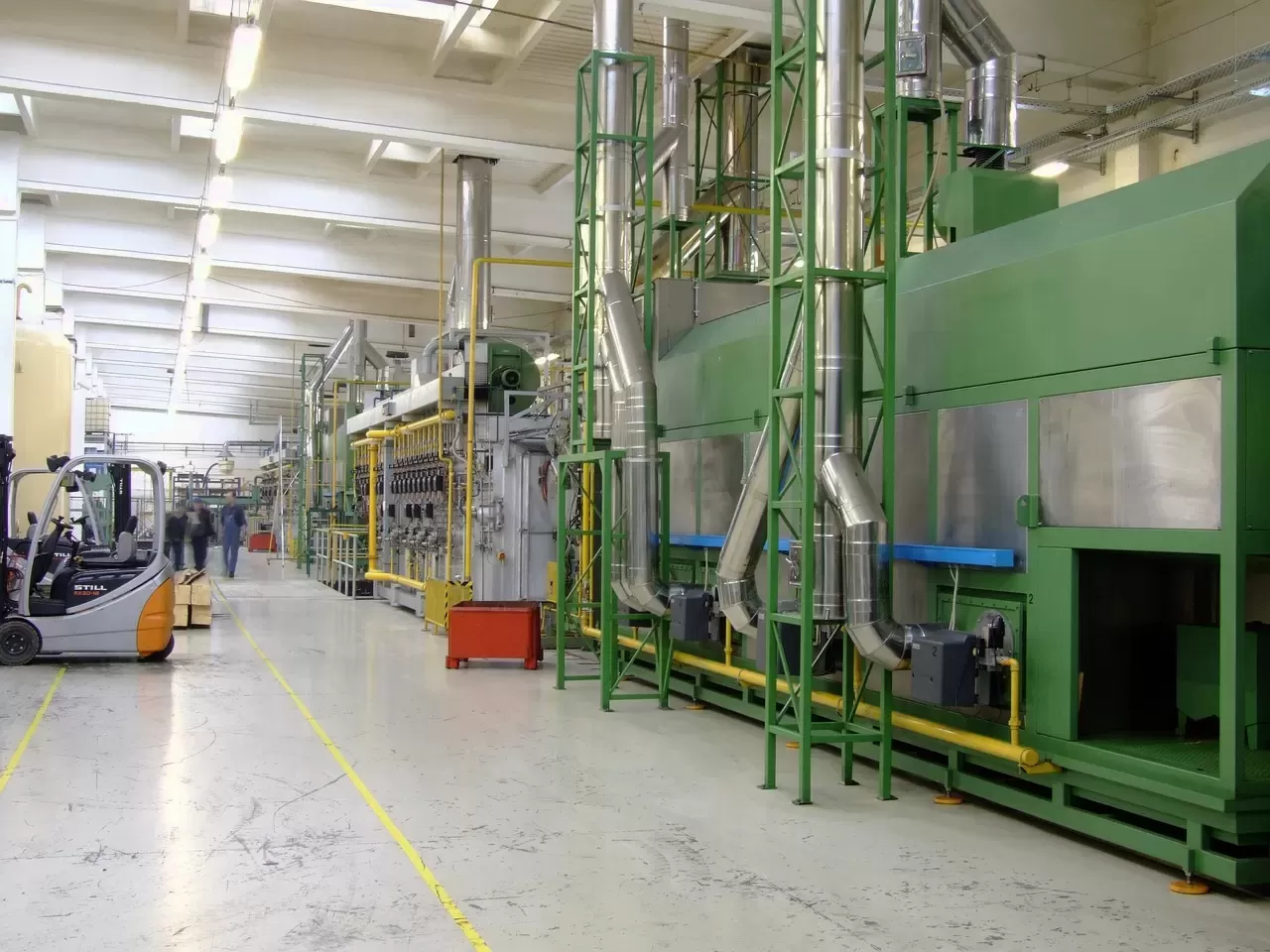
Factory Electrical Maintenance
Factory electrical maintenance programs and shutdown work for GTA plants, built on CSA Z463 with condition-based intervals.
View service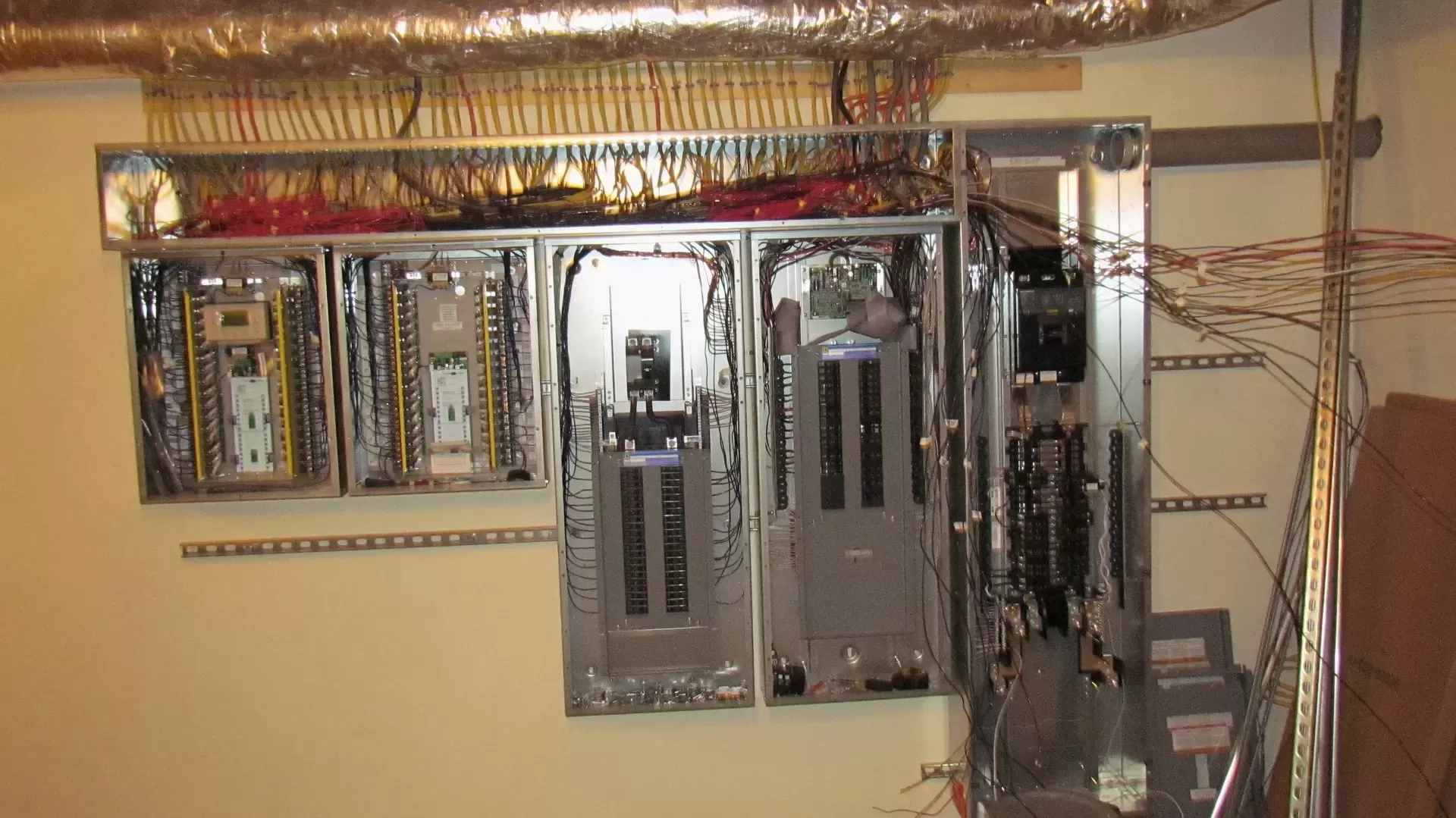
Electrical Troubleshooting
Methodical fault finding for trips, outages, overheating and nuisance faults, with the root cause found, fixed and documented.
View serviceRequest a callback
Plan your next electrical maintenance program with KCS
Tell us about the site and the equipment. A licensed electrician reviews it and calls you back.
- ESA/ECRA licence #7014042
- COR certified, ISNetworld, Avetta and ComplyWorks
- Work planned around shutdowns and tenant hours
- Emergency response for maintenance-contract clients
Send your request
We reply during business hours: Open daily, 9 a.m. to 9 p.m.