
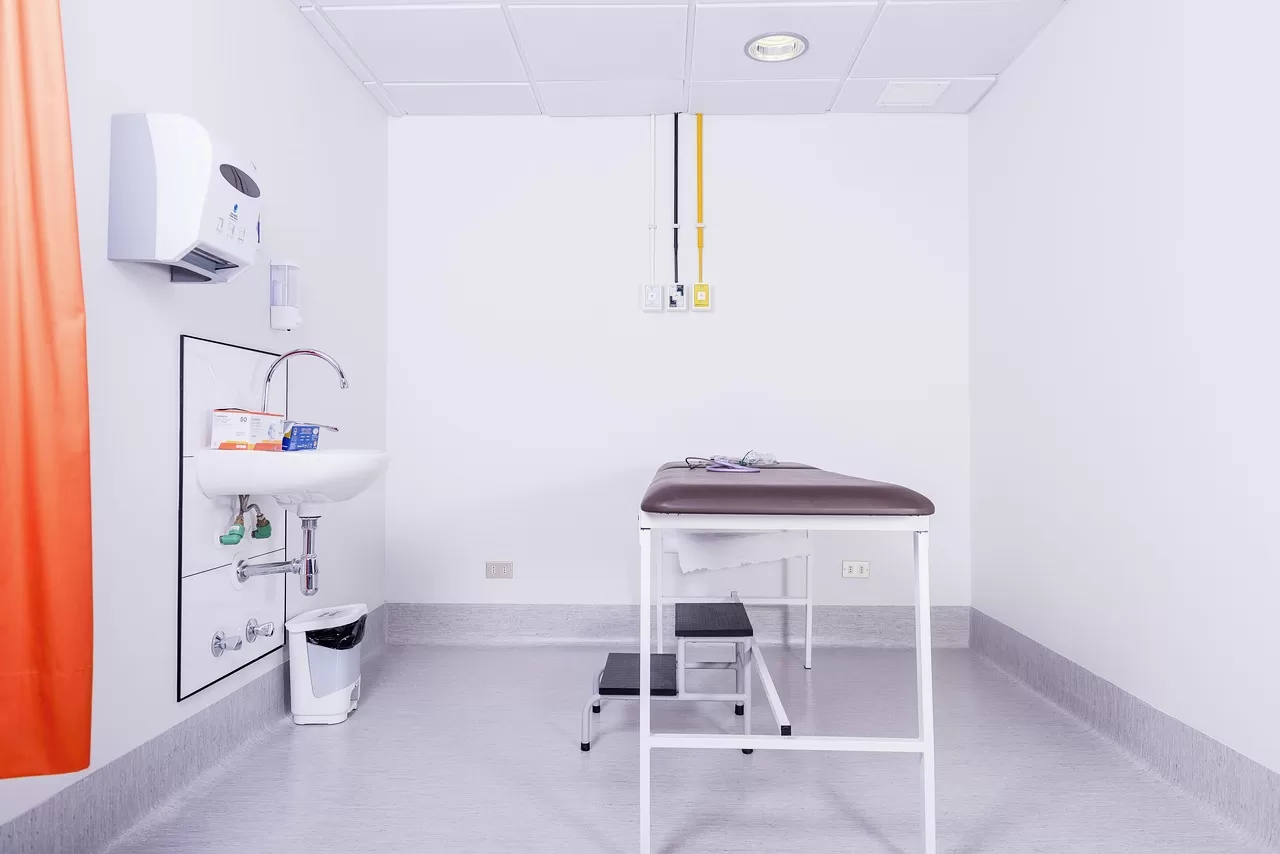
Healthcare electrical services
Medical Clinic Electrical Contractor for Toronto & GTA Clinics
KCS Group is a licensed medical clinic electrical contractor for physicians' offices, specialist clinics and medical office buildings in Toronto, the GTA and across Ontario. We build, maintain and repair clinic power to OESC Section 24, and we help with HARP and XRIS X-ray paperwork.
- ESA/ECRA Licence #7014042
- COR certified (IHSA)
- Level II thermographers
- WSIB covered and insured
Request a callback
A licensed electrical contractor calls you back, usually the same business day.
Updated Reviewed by KCS Group licensed electricians
What Does a Medical Clinic Electrical Contractor Do?
A medical clinic electrical contractor designs, installs, inspects and repairs the wiring, panels, lighting and equipment circuits in a clinic, and files the ESA notification for that work. KCS Group does all of it under one ECRA/ESA licence (#7014042), from a single new circuit to a full suite.
Our medical clinic electrical services cover the whole life of a clinic:
- New suites and renovations. Rough-in, panels, lighting and inspection for a new or rebuilt clinic. See medical clinic fit-outs and renovations.
- Exam rooms and equipment. Receptacles, treatment room circuits and dedicated supplies for diagnostic and sterilizing equipment. See exam room and medical equipment power.
- Service calls. Tripping breakers, dead receptacles, flickering lights and failed emergency units, traced to the cause. See electrical troubleshooting.
- Maintenance and inspection. Scheduled checks of panels and distribution equipment, plus infrared electrical inspection by Level II certified thermographers.
- Medical office buildings. Base-building and tenant work for owners and property managers of buildings full of clinics.
A clinic's electrical system is small next to a hospital's, but it carries a lot: diagnostic devices, medication refrigerators, sterilizers, IT and phones, and the lighting a physician examines by. When a circuit fails, appointments stop. Our job is to install that system correctly the first time, document it for ESA and keep it working after you open.
We work as a medical office electrical contractor for single-physician practices, multi-doctor family health teams, physiotherapy and chiropractic clinics, diagnostic imaging suites and walk-in clinics. Dental practices have their own section of the site: dental office electrician.
How Does OESC Section 24 Apply to Medical Clinics?
Most medical clinics are covered by OESC Section 24, because the health care rules reach every type of health care facility and not only hospitals. ESA Bulletin 24-2-7, issued in May 2025, lists outpatient and surgical clinics, doctors' clinics, physicians' offices, dialysis units, ultrasound and ECG, EEG and EMG suites, chiropractic and physiotherapy clinics, and dental offices as examples.
The rules that apply depend on how each room is classified as a patient care area: basic, intermediate or critical, in line with CSA Z32. Three points in the bulletin shape every clinic project:
- The clinic classifies, not ESA. ESA states it is not responsible for determining or classifying patient care areas. That job falls to the administrator, the person who operates the clinic, who writes down each patient care area with its class, or records that the clinic has none.
- ESA needs the document. A copy of the classification document goes to ESA for the inspection. If the clinic has no classified areas, the administrator gives ESA a letter saying so.
- The classification drives the wiring. Circuit types, bonding and receptacle choices follow from the class of each room, so the document has to exist before rough-in, not after.
We do not classify your rooms for you; that decision belongs to the clinic. What we do is walk your floor plan with the administrator, explain what each class means for the wiring, and build exactly to the document you give ESA.
The current code is the 2024 OESC (29th edition), adopted under O. Reg. 164/99 and in effect since 1 May 2025.
Basic, Intermediate and Critical Patient Care Areas Compared
The three classes reflect how often a patient touches medical electrical equipment, and how vulnerable that patient is. A published explanation of Section 24 and CSA Z32 by a Canadian code authority gives these examples:
| Class | Patient contact with medical electrical equipment | Examples given |
|---|---|---|
| Basic | Not frequent or usual | Patient examination rooms, long-term care rooms |
| Intermediate | Frequent or normal | Wards, dialysis, physiotherapy, dental and chiropractic clinics, physicians' offices |
| Critical | Anaesthetizing locations or frequent cardiac contact | Operating rooms, ICUs, CCUs, trauma and burn units |
Two practical points follow. First, an ordinary exam room and a procedure room in the same clinic can land in different classes, so one suite may contain both. Second, CSA Z32 is mandatory under the electrical code only for emergency generators (Rule 24-306); for everything else it applies where the authority having jurisdiction requires it, which is why the classification document and ESA's bulletin matter so much in Ontario.
Within a classified room, the rules focus on the patient care environment: the space around the treatment position where a patient and equipment meet. A Canadian code commentary on CSA Z32 describes it as the treatment zone plus 1.5 m around it, up to 2.3 m above the floor. Receptacle locations, bonding and which circuits may serve that zone are planned from it, which is why we ask for furniture and equipment layouts early.
If your premises include anaesthetizing locations, tell us at the first call. Those rooms carry the most demanding requirements and change how the whole project is planned.
Medical Office Electrical Services After Your Clinic Opens
After opening day, clinic electrical work becomes a matter of reliability: fixing faults quickly, adding circuits for new equipment without overloading panels, and inspecting the gear nobody looks at. We offer each of these as a one-time visit or as part of a maintenance contract.
- Panel and distribution checks. Visual inspection, cleaning, connection checks and labelling, planned the way CSA Z463 describes for electrical maintenance programs, with test readings taken to ANSI/NETA MTS (2023 edition). Details on our electrical panel inspection page.
- Infrared electrical inspection. A thermal scan of energized panels under normal clinic load shows loose or overheating connections without a shutdown.
- Emergency lighting. Ontario's Fire Code expects emergency lighting units to be tested on a schedule and the results kept on record. We carry out the tests, replace failed batteries and units, and leave a dated record.
- Nuisance tripping. A breaker that trips every time the sterilizer heats while the kettle and space heater run is telling you the circuit is overloaded. We measure the load, split circuits where the panel has room, and record what changed.
- Equipment additions. New sterilizers, imaging units, refrigerators and IT racks each get a load check against the panel before we add a circuit.
- Emergency response. Clinics on a maintenance contract can call us for emergency response when power fails during clinic hours.
You can reach us seven days a week. Work that needs power off is booked for times your clinic agrees to, so patient appointments are not cancelled for an electrical shutdown.
Healthcare Facility Electrical Contractor for Medical Office Buildings
For owners and property managers, we act as the medical building electrical contractor for both the base building and the tenant suites, so one licensed firm understands how a dozen clinics share one service. That matters when a new tenant wants an X-ray room or a second sterilizer and the riser is already busy.
Typical medical facility electrical contractor work in a multi-tenant building includes:
- Load reviews before a new lease, so the landlord knows whether the suite panel and feeder can carry the tenant's equipment list.
- Main switchboard, tenant panel and distribution maintenance, with commercial building thermography of the electrical rooms.
- Emergency lighting and exit sign testing across common areas.
- Coordinated shutdowns that every tenant clinic is told about in advance.
Property managers usually ask for safety prequalification before a contractor sets foot on site. KCS holds a COR from IHSA, and our records sit on Avetta, ComplyWorks and ISNetworld for landlords who manage contractors through those platforms. Landlords also need our WSIB clearance on file before construction work starts, and we send a fresh one whenever theirs is close to its 90-day limit. Our commercial electrical maintenance page covers base-building programs in more depth, and our healthcare and dental facilities page explains how we support whole portfolios.
X-Ray Rooms: HARP Registration and XRIS Paperwork
Human-use X-ray equipment in Ontario is registered with the Ministry of Health through its X-ray Inspection Service (XRIS) under the Healing Arts Radiation Protection (HARP) Act, and the installation needs XRIS approval before the unit goes in. We help clinics prepare that paperwork as well as wiring the room.
The application form is ON00057E, Application for Registration and Installation of an X-ray Source. Its one-page floor plan must show the source location and range of motion, the control panel, the use of rooms beside, above and below, shielding type and thickness, and warning lights, interlocks and cut-off switches, drawn at a scale of at least 1:100 with north marked. Several of those items are electrical, so it pays to have the electrician involved before the plan is submitted.
The clinic, as owner of the X-ray source, remains the applicant and registrant. Ontario's own guidance on completing the X-ray registration form sets out what XRIS expects. Room planning and rough-in are covered on the clinic fit-out page.
What to Check Before Hiring a Healthcare Electrical Contractor
Check the licence first. According to ESA, a licensed electrical contractor is, with certain exemptions, the only kind of business allowed to carry out electrical work in this province, so the first thing to request is that contractor's ECRA/ESA number. Ours is #7014042; enter it in ESA's licence search, or phone ESA, before you sign anything.
| Ask for | Why it matters for a clinic | KCS |
|---|---|---|
| ECRA/ESA contractor licence | Only a licensed contractor can take out the ESA notification for your work | ESA/ECRA licence #7014042 |
| Section 24 experience | Patient care area wiring differs from ordinary office wiring | Built to your classification document |
| WSIB clearance | Protects you from liability for a contractor's unpaid premiums | Covered, clearance on request |
| Safety prequalification | Often required by medical building landlords | COR, ISNetworld, Avetta, ComplyWorks |
| Commercial insurance | Leases and property managers often ask for proof | Commercially insured |
After licensing, ask how the contractor will keep the clinic running during the work and who prepares the documents ESA and XRIS need. A healthcare electrical contractor should be able to answer both without hesitation.
Medical Clinic Electrical Services Across Toronto and the GTA
We serve clinics across Ontario, with most of our medical projects inside the GTA and the city of Toronto itself. Our base is in Aurora, which puts York Region clinics close by; see our pages for Aurora and Newmarket, Richmond Hill and Markham, as well as Toronto.
For a first conversation about your clinic, phone (647) 979-0549 and have your address, suite size and a rough list of the equipment you run on hand, or send those details through our callback request. Out-of-town callers can use our toll-free line at (866) 845-8064.
Clinic services
Pick the part of the job you need
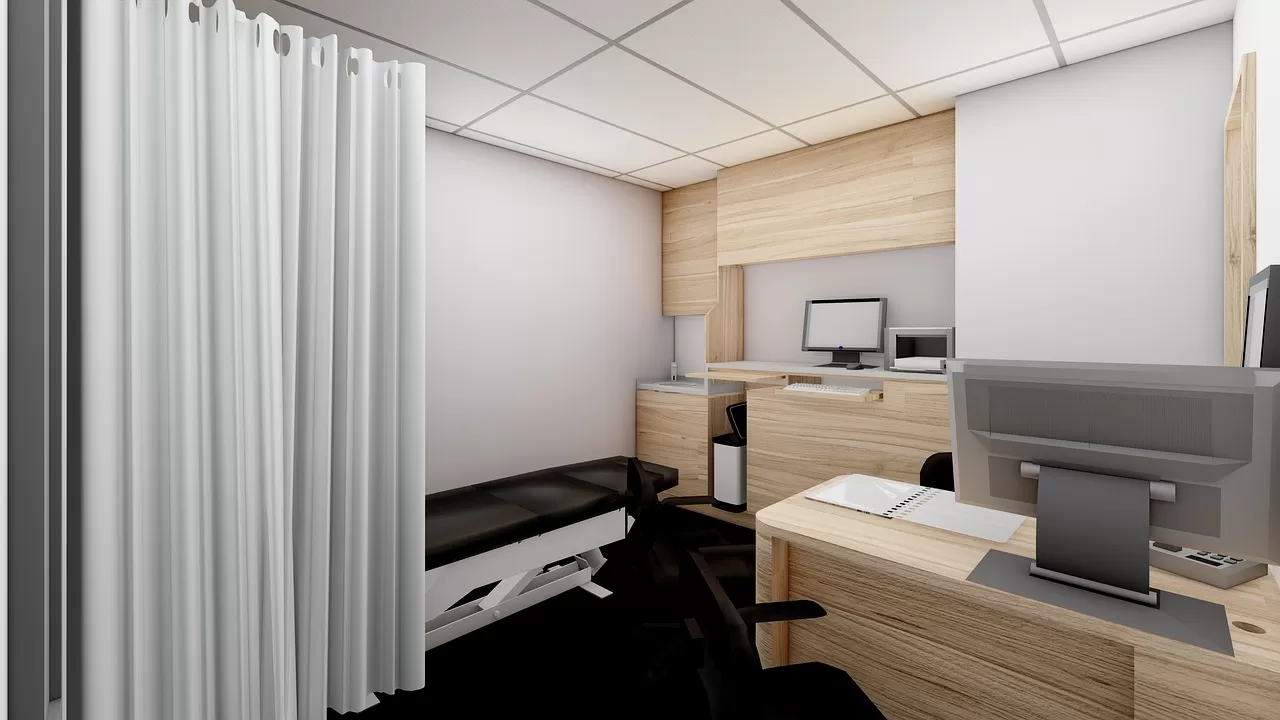
Clinic Fit-Outs and Renovations
New suites, phased renovations and upgrades, from rough-in to ESA inspection.
Learn more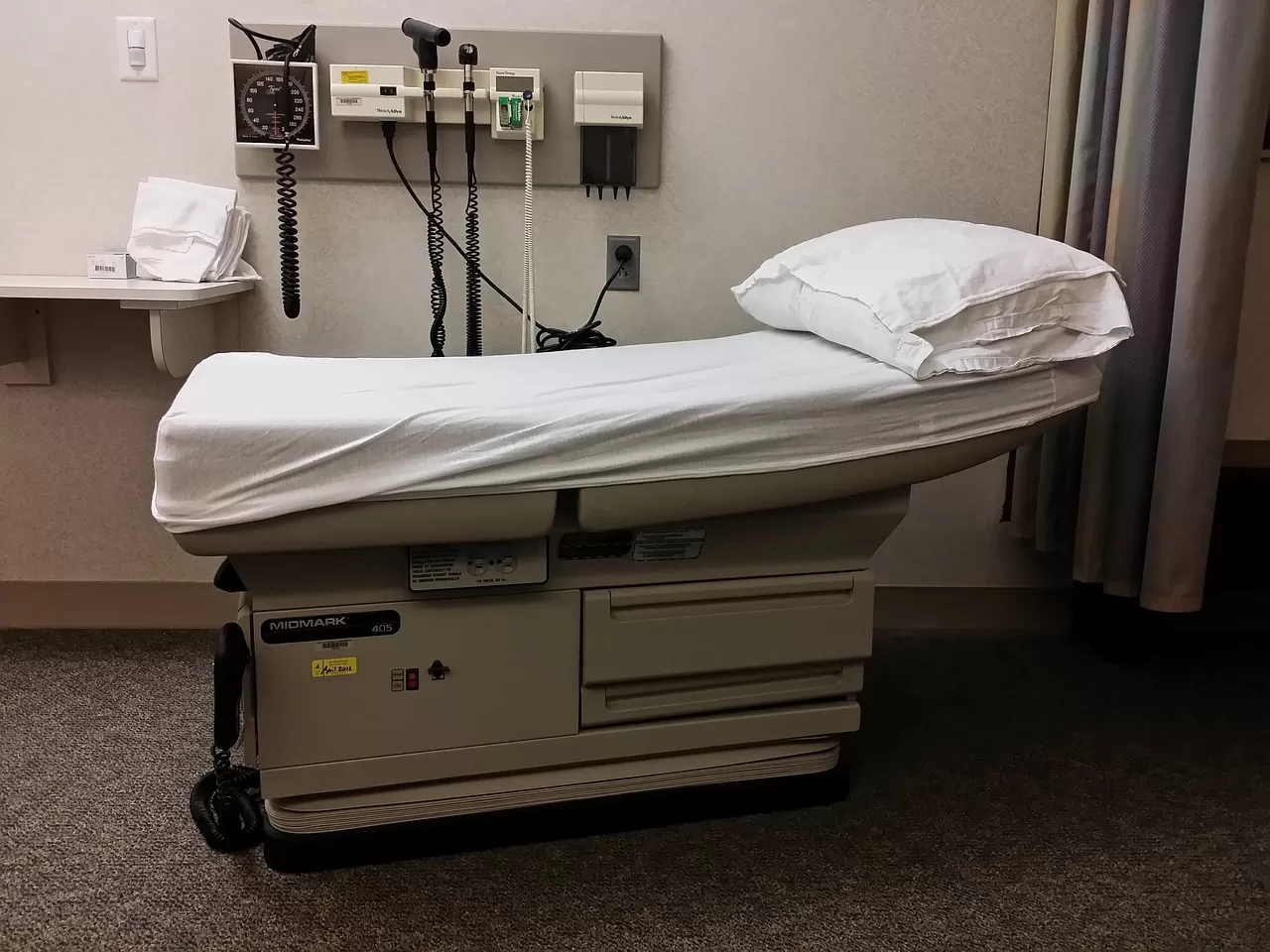
Exam Rooms and Equipment Power
Receptacles, lighting, panels and dedicated circuits for medical equipment.
Learn more
How a clinic project runs
From first call to ESA sign-off
Scope call
We review your floor plan, equipment list and timeline, and whether the work is new, a renovation or a repair.
Classification review
We walk the rooms with your administrator so the patient care area document matches the electrical design.
Notification and work
We file the ESA notification and complete the work at times agreed with your clinic.
Inspection and records
ESA inspects with your classification document in hand, and you receive panel directories and test records.
One contractor for the building
Medical office buildings with many tenants
Owners and managers of medical office buildings use us for base-building maintenance and for tenant fit-outs, so feeder capacity, shutdowns and emergency lighting are planned in one place.
Our safety record is on file with IHSA (COR) and with the Avetta, ISNetworld and ComplyWorks platforms that landlords use.

Questions
Frequently asked questions
Licensing and rules
Does OESC Section 24 apply to a small family doctor's office?
Yes, it can. ESA Bulletin 24-2-7 says Section 24 covers all types of health care facilities, and it names physicians' offices and doctors' clinics as examples. Whether any room is a classified patient care area is decided and documented by the clinic's administrator. If no rooms are classified, the administrator gives ESA a letter saying so.
Who decides which clinic rooms are patient care areas in Ontario?
Your clinic does, through its administrator. ESA's bulletin says plainly that ESA does not decide or classify patient care areas. The person running the facility lists each one with its class, basic, intermediate or critical, and hands ESA a copy when the electrical work is inspected.
What happens at the ESA inspection of a medical clinic?
The inspector compares the installation with the OESC and, for health care rooms, with the clinic's own classification of its patient care areas. ESA must receive that classification, or the administrator's letter confirming there are none. We file the notification, attend the inspection and correct anything the inspector notes.
Which edition of the electrical code applies to clinic work today?
The 2024 Ontario Electrical Safety Code, 29th edition, adopted under O. Reg. 164/99 and in effect since 1 May 2025. It contains the full text of the Canadian Electrical Code, Part I (26th edition) with Ontario amendments. Section 24 is the part that deals with health care facilities.
Is CSA Z32 mandatory for every medical clinic in Ontario?
Not across the board. Under the electrical code, CSA Z32 is mandatory only for emergency generators in health care facilities (Rule 24-306). Otherwise it applies where the authority having jurisdiction requires it. In practice, ESA's Section 24 bulletin ties the area classes to CSA Z32, so the standard shapes most clinic designs.
Hiring
How can I confirm a healthcare electrical contractor is licensed?
Get the contractor's ECRA/ESA number in writing, then search it on ESA's website or phone ESA's contractor line. An electrical contractor licence is a seven-digit number starting with 7. KCS Group holds ESA/ECRA licence #7014042.
Do medical building landlords require contractor safety prequalification?
Many do, and requirements vary by landlord. KCS Group holds a Certificate of Recognition from IHSA and is registered on the three prequalification platforms landlords ask about most: ComplyWorks, ISNetworld and Avetta. We can also provide our WSIB clearance certificate and proof of commercial insurance before work starts.
Why do I need a WSIB clearance certificate from my electrician?
Because WSIB's clearance policy puts the duty on you as the clinic or landlord that retains the electrician. If the electrician's account is not in good standing and you never got a clearance, unpaid premiums can be charged back to you, up to the labour share of the job. Each certificate lasts a maximum of 90 days, then it is renewed.
Service
Can you do electrical work while the clinic stays open?
Most of it, yes. Work that does not need a shutdown can happen during clinic hours in areas you free up for us. Anything that needs power off is booked for a time your clinic agrees to, so appointments are not cancelled. Our phones are answered every day, morning to evening.
Do you offer emergency electrical response for medical clinics?
Emergency response is available to clinics and medical buildings that hold a maintenance contract with us. Other clinics can phone our office, which is open seven days a week from nine in the morning until nine at night, and we will book the earliest visit we can.
How often should a clinic's electrical panels be inspected?
There is no single interval in Ontario law for clinic panels. CSA Z463 and NFPA 70B base intervals on the equipment's condition, how critical it is and the environment it sits in, while the test methods used at each visit come from ANSI/NETA MTS. For most clinics we suggest starting with a yearly infrared electrical inspection and a visual panel check, then adjusting the interval from what we find.
Do you test emergency lighting in medical clinics?
Yes. Ontario's Fire Code expects emergency lighting units to be tested on a regular schedule, with test records kept. We test the units, replace failed batteries and fixtures, and give you a dated record for your fire safety file. Units that fail are repaired on the same visit where parts allow.
Medical buildings
Can one contractor handle both the base building and clinic suites?
Yes, and it usually simplifies planning. We maintain switchboards, tenant panels and emergency lighting for the owner, and we build or alter individual clinic suites for tenants. Load reviews, shutdown notices and ESA notifications are then handled by one licensed team.
Will my building's electrical service support a new medical tenant?
That depends on the suite panel, the feeder to it and the main service. We do a load review against the tenant's equipment list before the lease is final, and tell you whether the existing supply works or what upgrade would be needed.
X-ray
Do you file HARP registration for a clinic's new X-ray unit?
We help prepare the HARP and XRIS paperwork, including the electrical items on the floor plan such as warning lights, interlocks and cut-off switches. The clinic owns the X-ray source, so the clinic stays the applicant and the registrant on file with XRIS.
Which form is used to register a medical X-ray source in Ontario?
Form ON00057E, Application for Registration and Installation of an X-ray Source, sent to XRIS at the Ministry of Health. It includes a one-page floor plan at a scale of at least 1:100 showing the source, control panel, adjacent room use, shielding, and warning lights, interlocks and cut-off switches.
Areas
Which areas do you serve for medical clinic electrical work?
We serve clinics across Ontario, with most medical work in Toronto and the GTA. Our base is in Aurora, so York Region clinics in Aurora, Newmarket, Richmond Hill, Markham and Vaughan are close by. Call (647) 979-0549 to check timing for your address.
Are you a dental electrician as well as a medical one?
Yes. Dental offices are also health care facilities under Section 24, and we wire operatories, compressors, vacuum systems, sterilizers and dental X-ray units. Our dental office electrician page explains that work in detail. Mixed medical and dental buildings can use one contractor for both.
Related services
Related services
Medical Clinic Fit-Out & Renovation
Fit-outs, rough-in, upgrades and phased renovations for new and existing medical clinics, through to ESA inspection.
View serviceExam Rooms & Medical Equipment Power
Exam and treatment room power, receptacles, lighting, emergency units, suite panels and equipment circuits for clinics.
View serviceDental Office Electrician
Licensed dental office electrician for operatories, dental equipment circuits, X-ray rooms and HARP/XRIS paperwork across the GTA.
View service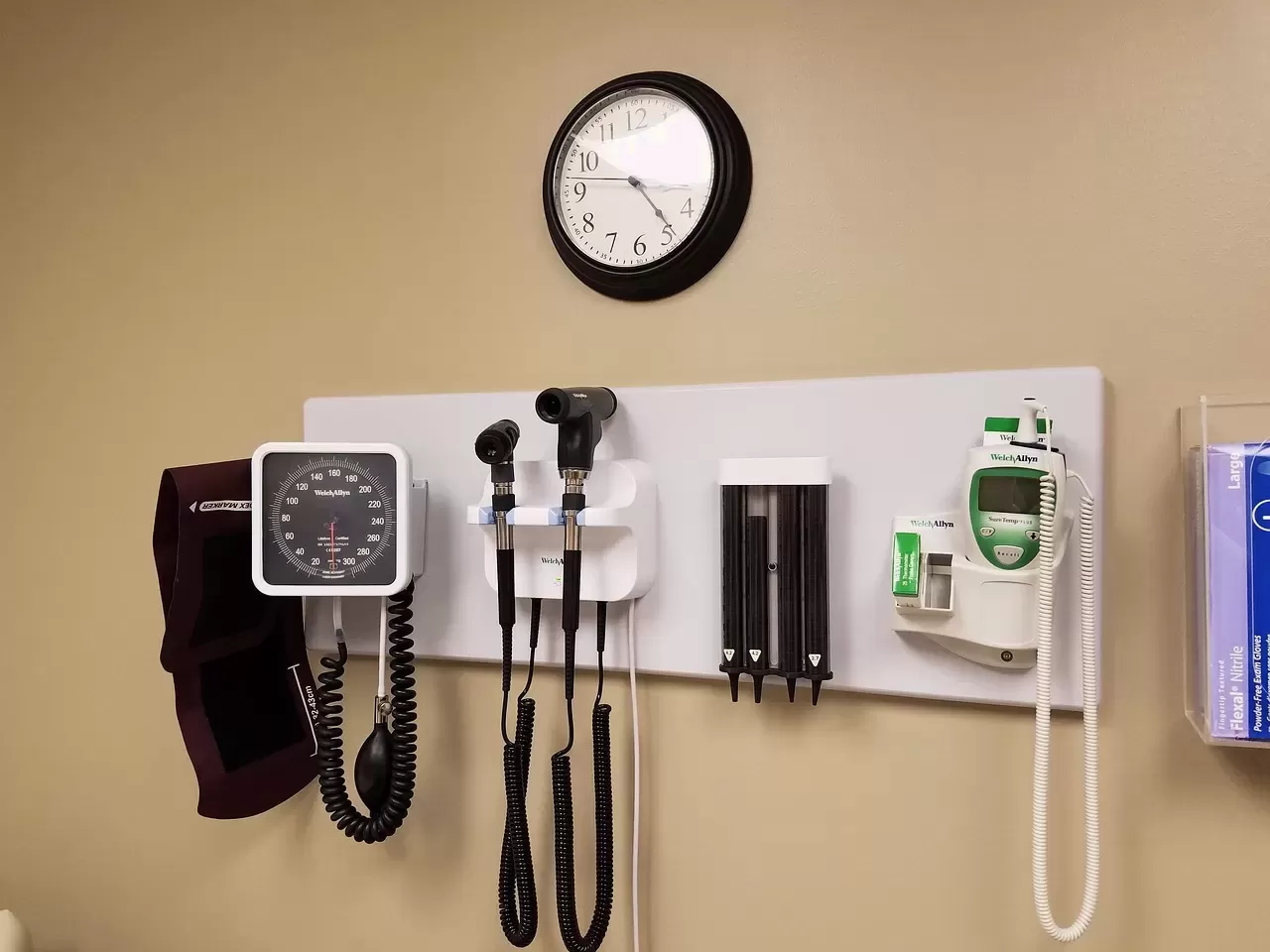
Healthcare & Dental Facilities
Ongoing electrical maintenance for medical office buildings, clinic groups and dental buildings, planned around patient hours.
View service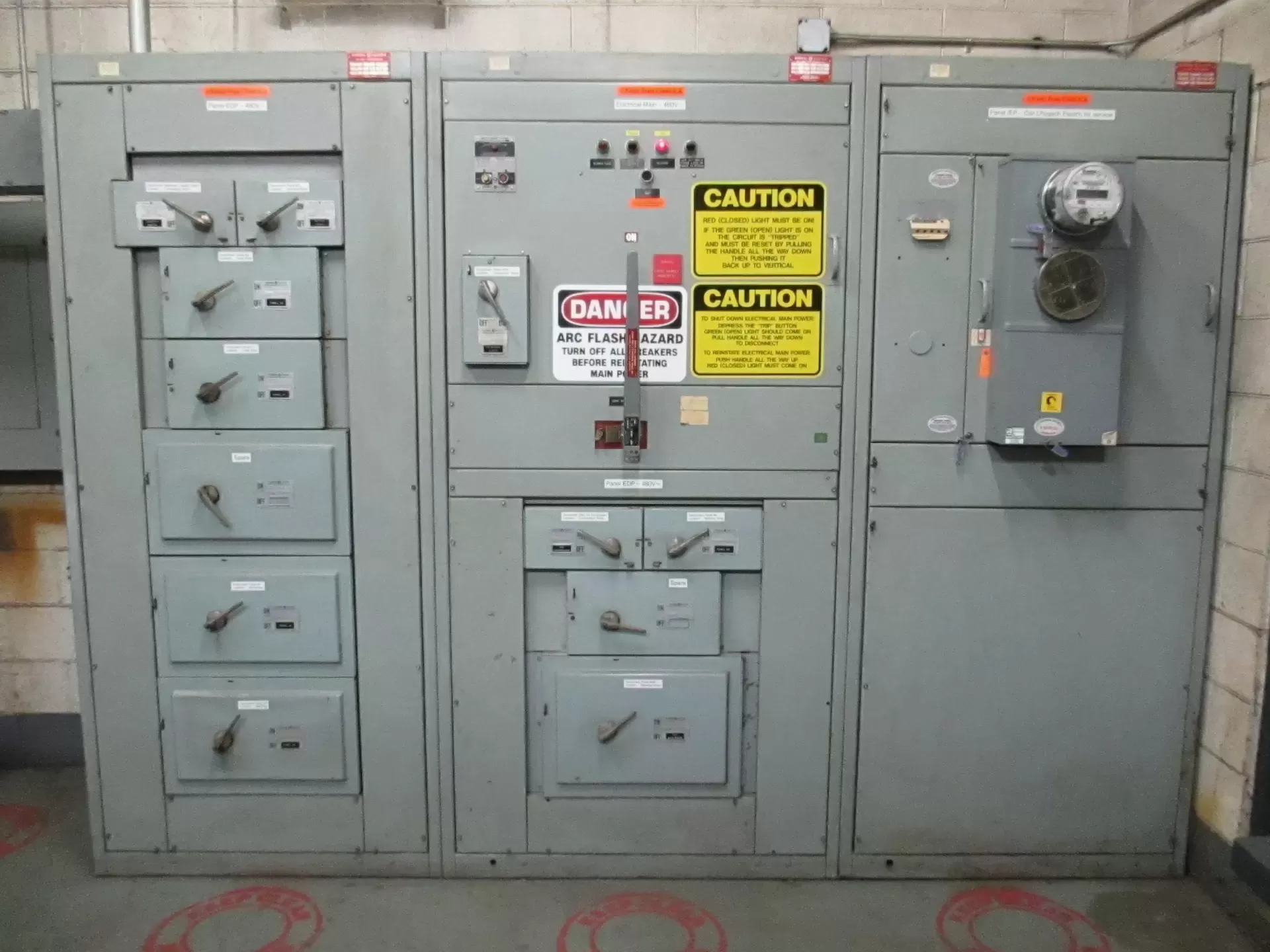
Electrical Panel Inspection
Panelboard, switchboard and disconnect switch inspection with thermal scans, torque checks and a written condition report.
View service
Commercial Building Thermography
Electrical infrared scans for office, retail and industrial buildings, with one report format across a property manager's whole portfolio.
View service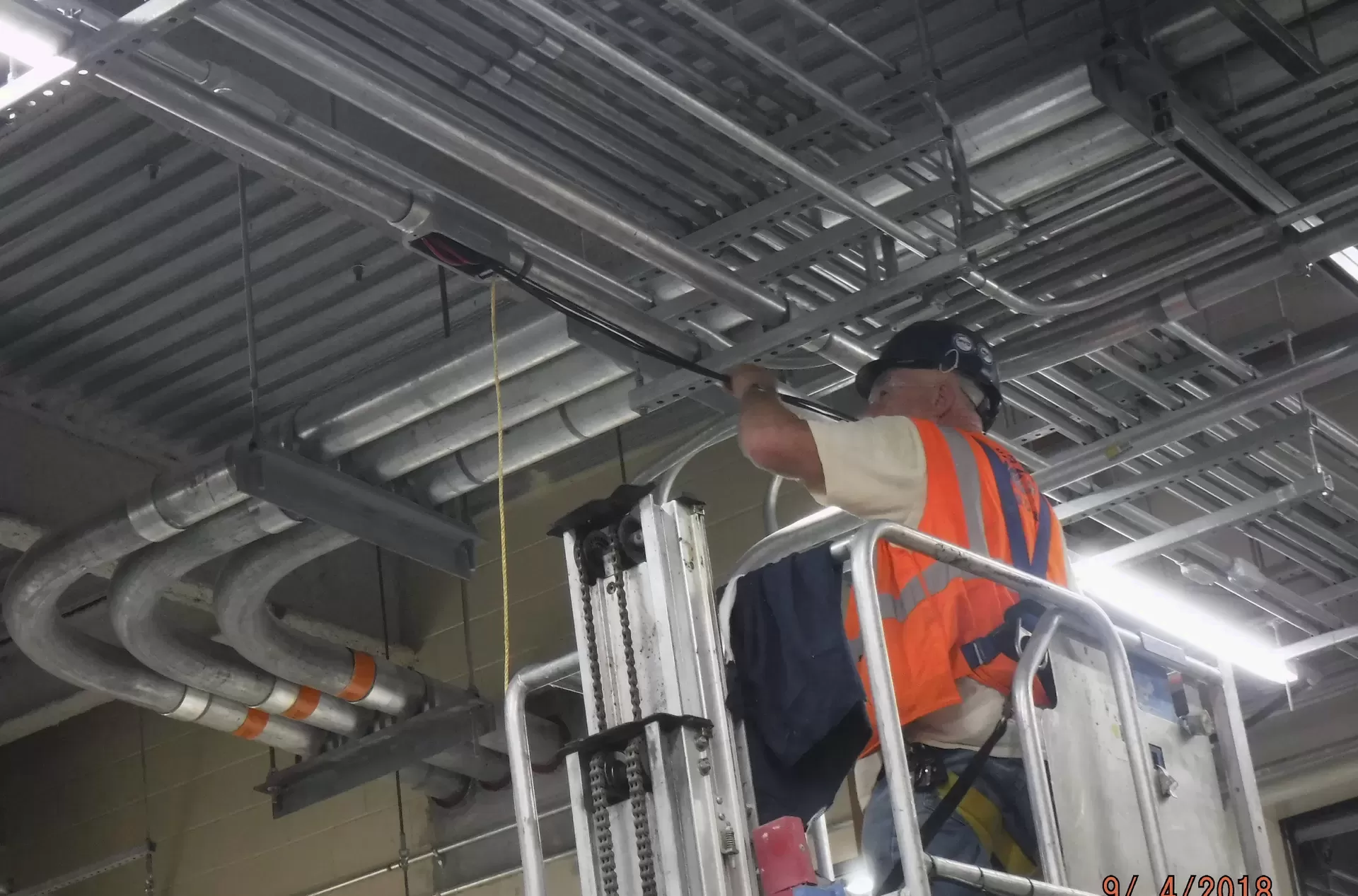
Request a callback
Plan your next electrical maintenance program with KCS
Tell us about the site and the equipment. A licensed electrician reviews it and calls you back.
- ESA/ECRA licence #7014042
- COR certified, ISNetworld, Avetta and ComplyWorks
- Work planned around shutdowns and tenant hours
- Emergency response for maintenance-contract clients
Send your request
We reply during business hours: Open daily, 9 a.m. to 9 p.m.