
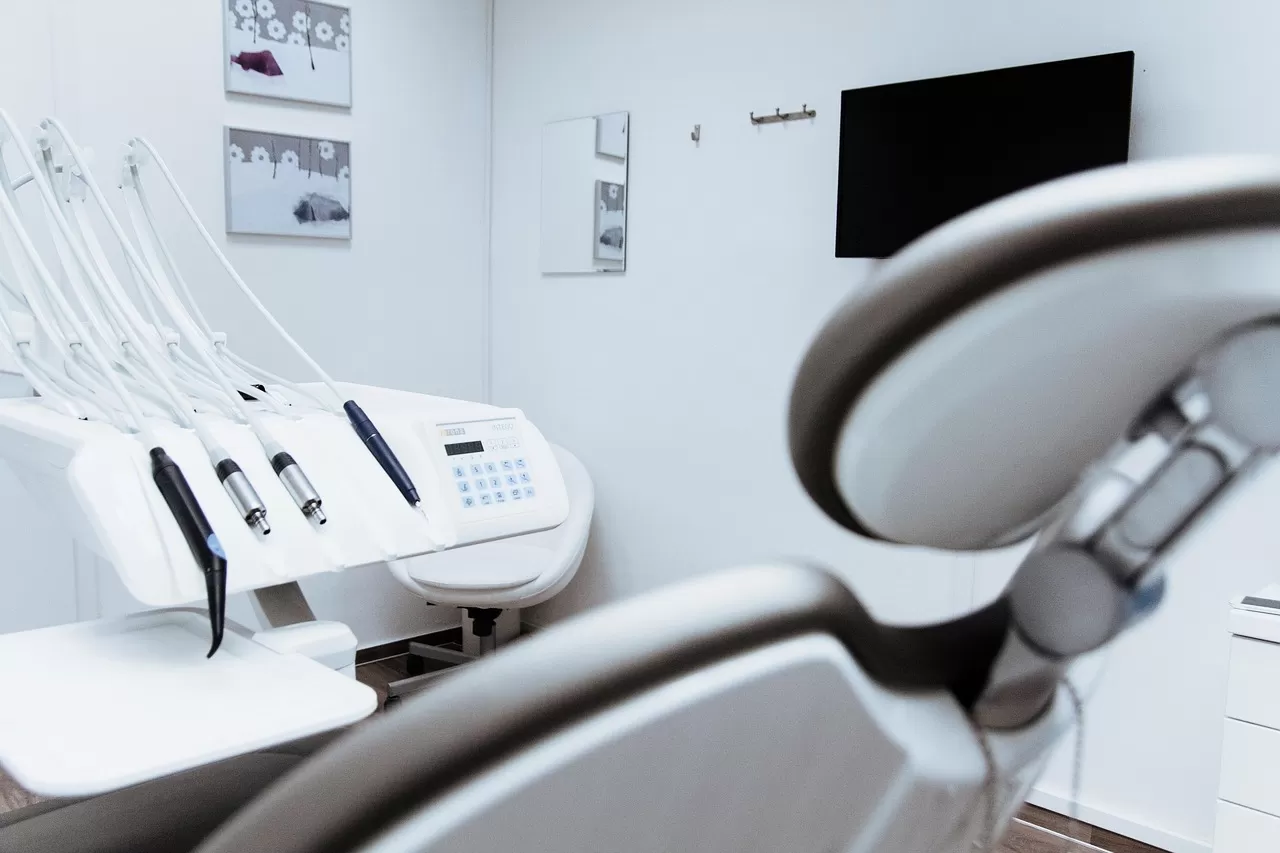
Dental equipment power
Dental Equipment Electrical Installation for GTA Dental Practices
Dental equipment electrical installation done from the manufacturer's own requirements: dental office dedicated circuits for chairs, compressors, vacuum pumps, X-ray units, sterilizers and autoclaves, and a dental office electrical panel that can carry them all, for practices in Toronto, the wider GTA and elsewhere in Ontario.
- Licensed contractor #7014042
- Wired to each manual
- COR certified
- Commercially insured
Request a callback
A licensed electrical contractor calls you back, usually the same business day.
Updated Reviewed by KCS Group licensed electricians
Dental Equipment Power Requirements: Where the Numbers Come From
Dental equipment power requirements come from each manufacturer's installation manual: voltage and tolerance, current, minimum circuit rating, wire size, grounding and protection. We wire to those documents and to the OESC, whichever is stricter, rather than to a generic dental template. New breakers and branch wiring are tested before any unit is connected, using ANSI/NETA ATS (2025 edition) as the acceptance reference.
We also look at how the equipment will be used. A practice that runs sterilizers back to back through the day, or plans to add a second compressor, needs more headroom than the nameplates alone suggest.
The figures on this page are examples taken from published manuals for specific models. They show the range you can expect, but your own equipment's documents decide the installation. Send us the model numbers and we will read the manuals before we quote.
Four checks apply to almost every unit:
- Voltage band. Manuals commonly allow about 10 percent above or below nameplate. GTA commercial suites are often fed at 120/208 V, so a unit rated 220 V or 230 V needs its tolerance checked against the measured supply.
- Dedicated or shared. Most heavy dental loads get their own circuit; several manuals say so in plain words.
- Protection. Some units require ground fault or earth leakage protection on their circuit.
- Location. Floor boxes, junction boxes and disconnects have positions and heights set by the manufacturer.
Where the equipment sits in an operatory, Section 24 rules for the patient care area apply on top. That side of the work is described on the dental office electrician page.
Dental Chair Electrical Installation
A dental chair electrical installation is mostly about the floor box: its position under the chair base, its height above the finished floor and what goes inside it. The chair and delivery unit plug into or connect at that box, so getting it right at rough-in is the whole job.
One chair and delivery system manufacturer's pre-installation document specifies:
- A 1/2 in (1.3 cm) conduit box with a dual or equal receptacle, wired per local codes and regulations.
- The top of the box no higher than 4 1/2 in (11.4 cm) above the finished floor surface.
- An optional data conduit about 2.5 cm (1 in) above the floor.
Chair packages often include an operatory light, monitor arm and intraoral camera that draw from the chair or from nearby receptacles. We confirm which loads come through the chair and which need their own receptacles in the cabinetry, and keep monitors and computers on circuits that are not shared with sterilizers or other heavy loads.
When a chair is replaced with a different model, the new floor box position rarely lines up with the old one. We compare the two pre-installation sheets and tell you early whether the existing box can be reused, extended or must be moved, because that decides whether flooring work is needed.
Building a new practice or moving chairs? The floor work and sequencing are covered on our dental fit-out page.
Dental Compressor Electrical Installation
A dental compressor electrical installation starts with a dedicated circuit sized from the model's table of site electrical requirements. One compressor manufacturer's installation manual states plainly that each system should have its own circuit, and lists requirements like these:
| Example model size | Voltage | Max current | Minimum circuit | Minimum wire |
|---|---|---|---|---|
| Small single-head | 120 V | 8 A | 20 A | 12 AWG |
| Small, 220 V version | 220 V | 4 A | 10 A | 16 AWG |
| Two-head | 120 V | 15 A | 20 A | 12 AWG |
| Mid-size | 220 V | 8 to 15 A | 20 A | 12 AWG |
| Largest in the range | 220 V | 22 A | 40 A | 8 AWG |
The same manual calls for a buck-boost transformer where the supply is more than 10 percent above or below nominal. We measure voltage at the mechanical room, with the building under its normal load, before choosing a model's supply.
Compressors are also the most common source of trips in an existing practice, because their starting current is much higher than their running current. If yours trips, our troubleshooting team measures the start-up, not just the running load.
Dental Vacuum Electrical Installation
A dental vacuum electrical installation is similar to a compressor's: a dedicated circuit in the mechanical room sized from the pump's manual, with the voltage band checked against the measured supply. Central vacuum pumps for multi-chair practices are commonly 208 to 240 V units, and some models are hard-wired to a junction box at the pump rather than plugged in.
What we confirm for a vacuum pump:
- Voltage and full-load current from the manual, and the circuit and wire size that follow.
- Whether the unit is cord-connected or hard-wired, and where the disconnect sits.
- Any control wiring between the pump and the operatories, such as remote start switches, which the dealer may route through low-voltage cabling.
- Room ventilation, because a vacuum pump and compressor in a small closet generate heat that shortens equipment life.
Because the compressor and vacuum serve every chair, we put them on separate circuits, label them clearly, and make sure the office manager knows which breakers they are.
Dental X-Ray Electrical Installation
Dental X-ray electrical installation is governed by the unit's installation requirements, which can be precise about supply impedance, wire size and grounding. One panoramic X-ray manufacturer's installation requirements for the USA and Canada are a good example of how specific they get:
- Nominal supply of 200 to 240 VAC, plus or minus 10 percent, with internal line impedance no more than 0.8 ohm.
- A separate three-core grounded power cable connected directly to the central distribution panel, protected by a 25 A breaker.
- Wire size that increases with run length, from 12 AWG up to 10 or 8 AWG on longer runs.
- A second protective ground connection.
- An X-ray warning lamp circuit of 3-wire 16 AWG, 50 W maximum, with no other loads.
- An optional emergency stop where the law requires one.
Intraoral units are usually lighter, but they still carry exposure switch and warning light requirements. The switch position follows Health Canada's guidance on operator distance and shielding, and the lamp and interlock positions must match the floor plan approved by XRIS. We help dentists prepare that HARP paperwork; the details are on our HARP and XRIS section.
Dental Sterilizer and Autoclave Electrical Installation
A dental sterilizer or autoclave electrical installation needs its own circuit and, for many models, ground fault protection. The tabletop range in one manufacturer's manual uses heaters of 1,050 to 3,000 W, so two units on one circuit, or one unit sharing with a kettle, is a recipe for trips.
One autoclave manufacturer's operation manual gives these current draws for its tabletop range:
| Example unit size | Supply | Current draw |
|---|---|---|
| Smallest chamber | 120 V | 8.8 A |
| Smallest chamber, fast-cycle version | 120 V | 11.2 A |
| Mid-size chambers | 120 V | 11.7 A |
| Largest chamber | 120 V | 20.0 A |
| 230 V versions across the range | 230 V | 4.6 to 13 A |
The same manual makes it mandatory for the customer to install an earth leakage relay, meaning a GFCI receptacle or GFCI breaker, on the circuit feeding the autoclave, with supply voltage within 10 percent of the label and a properly grounded outlet. A 20 A draw on a 120 V unit is the full rating of a standard 20 A circuit, which is why we check the model before the sterilization room is roughed in.
Replacing or Relocating Dental Equipment
Treat a replacement as a new installation until the manual proves otherwise. A newer compressor, sterilizer or imaging unit often has a different current draw, voltage rating or protection requirement than the unit going out. Older practices also tend to have circuits that were quietly shared or undersized long ago, and a new machine is often what exposes it.
Before a replacement arrives, we:
- Compare the new unit's installation requirements with the existing circuit: breaker, wire size, voltage, grounding and any GFCI requirement.
- Measure the supply voltage where the new unit will sit, with the practice running normally.
- Check that the existing receptacle or junction box suits the new unit's plug or connection method.
- Plan any change for a time when the old unit can be out of service, ideally the same day the dealer delivers the new one.
Relocating equipment, for example moving the compressor and vacuum from a closet into a new mechanical room, is a small project of its own. New circuits are installed and tested first, the equipment is moved and restarted with the dealer, and the old circuits are made safe and removed from the directory. An X-ray unit that moves or changes generally means new XRIS paperwork as well, so we raise it at the planning stage rather than on moving day.
All of this work is notified to ESA, as every job on an electrical installation must be, and recorded on your panel directory when it is done.
Dental Office Dedicated Circuits and Electrical Panel Sizing
A dental office electrical panel has to carry the compressor, vacuum, sterilizers and imaging at the same moment, with spare spaces for the next piece of equipment. We size it from the equipment list and lay out dental office dedicated circuits so each heavy load has its own breaker and its own label.
| Equipment | Own circuit? | Notes from manufacturers' documents |
|---|---|---|
| Air compressor | Yes | Dedicated circuit stated in the manual; size from model table |
| Vacuum pump | Yes | Often 208 to 240 V; may be hard-wired |
| Autoclave or sterilizer | Yes, one each | Earth leakage (GFCI) protection required by at least one manufacturer |
| Panoramic X-ray or CBCT | Yes | Direct from the panel, breaker and wire size from the manual |
| Warning lamp | Yes | Separate lamp circuit with no other loads in one manual |
| Chair and delivery unit | Usually | Receptacle in a floor box at a set height |
For an existing practice, we start with a load check and a thermal scan of the panel; see our panel inspection service. Upgrades are planned on our renovation page, and we install dental equipment across the GTA, including Mississauga, Richmond Hill and Toronto.
Equipment we wire
Every heavy load on its own breaker
Chairs and delivery units
Each floor box placed and levelled to the chair maker's sheet, data conduit included.
Learn moreCompressors and vacuum
Dedicated circuits sized from the model's table, voltage checked at the mechanical room.
Learn moreSterilizers and autoclaves
One circuit each, with the earth leakage protection the manual requires.
Learn moreBefore delivery day
Send us the model numbers first
A new compressor, sterilizer or imaging unit can need a different voltage, breaker or receptacle than the old one. With the model numbers, we read the manual, check your panel and have the circuit ready before the dealer arrives.
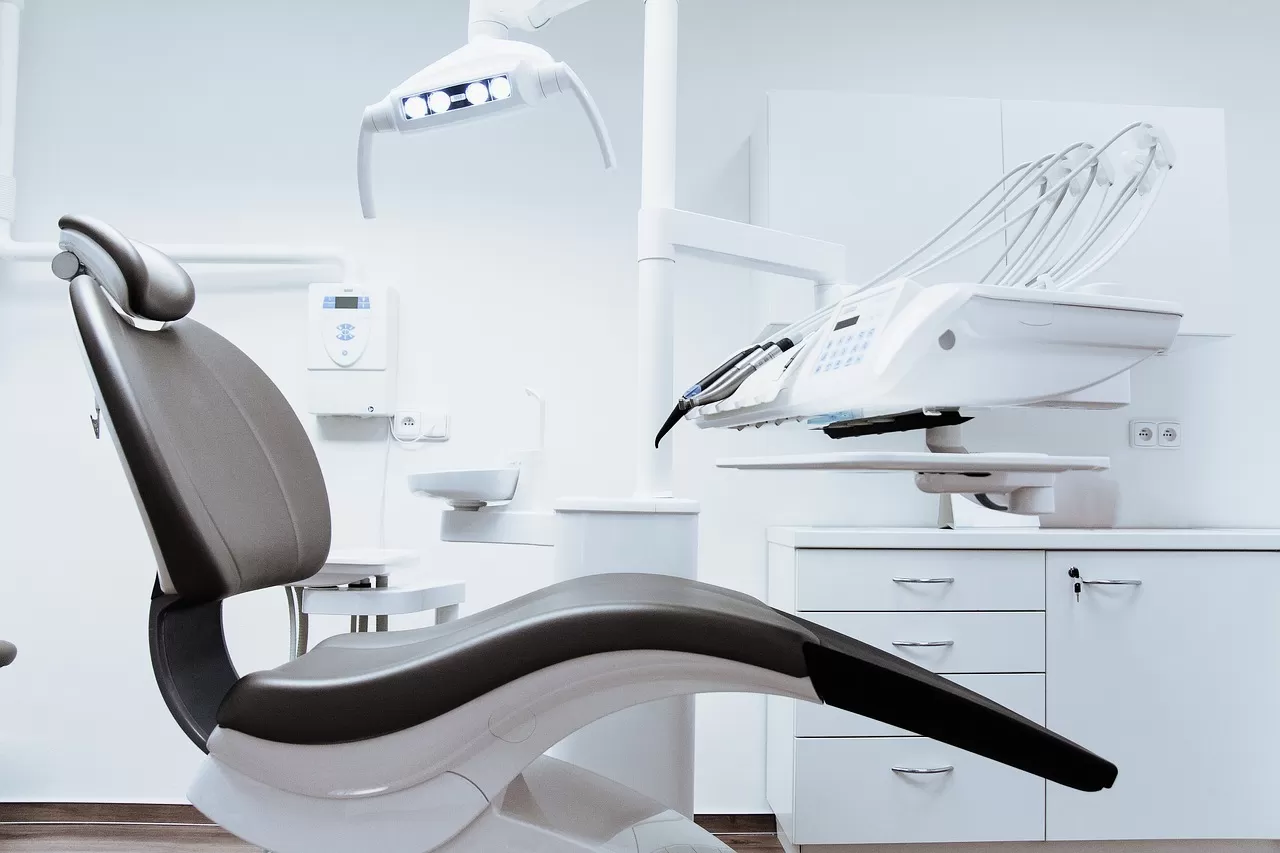
Equipment installs
Adding or replacing dental equipment
Model and manual
We read the model's installation sheet and note its supply, breaker, protective device and mounting position.
Site check
Supply voltage measured, panel capacity checked, circuit route planned.
Circuit installed
Wired under an ESA notification, tested, and the panel directory updated.
Questions
Frequently asked questions
Chairs
What is the minimum power requirement for a dental chair?
No single figure covers every chair, so the model's pre-installation sheet is the source. Most chairs take power from a receptacle in a floor box under the base, and the sheet gives the circuit rating along with the box's position and height. Our dental chair section above shows one maker's box specification.
Does each dental chair need its own circuit?
Often it is the cleanest design, especially when the chair also powers an operatory light, monitor or camera. The chair's documents and the total load in the operatory decide it. We keep chairs off circuits shared with sterilizers or other heavy equipment either way.
Compressors
What size circuit does a dental air compressor need?
It depends on the model. In one manufacturer's range, minimum circuits run from 10 A for a small 220 V unit, through 20 A for most models at 120 V or 220 V, to 40 A with 8 AWG wire for the largest. Each system should have a dedicated circuit.
Why does a dental compressor need a dedicated circuit?
Because its starting current is much higher than its running current, and sharing a circuit with other loads makes trips likely during treatment. Compressor manufacturers state it in their manuals, and it also makes troubleshooting simpler when the compressor is the only load on its breaker.
Can a 220 V dental compressor run on a 208 V supply?
Often, if 208 V falls within the unit's tolerance band. One manufacturer allows plus or minus 10 percent of nominal, which for 220 V is roughly 198 to 242 V. We measure the actual voltage under load; if it falls outside the band, a buck-boost transformer is the usual fix.
Vacuum
Is a dental vacuum pump hard-wired or plugged in?
It varies by model. Some central vacuum pumps are hard-wired through a junction box at the pump, others are cord-connected. The installation manual says which, and it also sets the circuit size and voltage range we install to. We confirm this on site before work starts.
Should the compressor and vacuum share one circuit?
No. Both are heavy motor loads that start often and serve every chair. Each gets its own circuit and breaker, labelled clearly, so a fault on one does not stop the other and the office can identify them quickly. Both breakers are then named on the panel directory.
X-ray
What electrical supply does a panoramic X-ray need?
It varies by model. One manufacturer's requirements call for 200 to 240 VAC within 10 percent, line impedance no higher than 0.8 ohm, and a separate three-core grounded cable directly from the distribution panel on a 25 A breaker, with wire size increasing on longer runs.
Does a dental X-ray warning light need its own circuit?
In at least one manufacturer's requirements, yes: a 3-wire 16 AWG warning lamp circuit with a 50 W maximum and no other loads. The lamp positions must also match the floor plan approved by XRIS, so we wire them exactly where that plan shows.
Why does line impedance matter for dental X-ray units?
X-ray generators draw a large current for a very short exposure. If the supply's impedance is too high, voltage drops during the exposure and image quality or the unit's operation can suffer. That is why some manuals set a maximum impedance and larger wire sizes for long runs.
Sterilizers
Does a dental autoclave need a GFCI circuit?
For some models, yes. One autoclave manufacturer makes it mandatory for the customer to install an earth leakage relay, either a GFCI outlet or a GFCI breaker, on the circuit feeding the autoclave. We check each model's manual and install the protection it requires.
How much current does a tabletop autoclave draw?
In one manufacturer's tabletop range, 120 V models draw from 8.8 A to 20.0 A, and 230 V versions from 4.6 A to 13 A. A 20 A draw uses the full rating of a 20 A circuit, so each autoclave gets its own circuit.
Can two autoclaves share one dental office circuit?
We do not recommend it. Tabletop units in one published range carry heaters of 1,050 to 3,000 W, and two heating at once can overload a shared circuit. One circuit per sterilizer, with any protection the manual requires, avoids trips mid-cycle.
Panel
How big should a dental office electrical panel be?
There is no single size. We add up the compressor, vacuum, sterilizers, imaging and operatory loads from their manuals, allow for loads running together, and leave spare spaces for future equipment. The result is compared with the suite's feeder and the building's supply.
What should a dental office panel directory show?
Each breaker labelled with the room and equipment it serves, such as compressor, vacuum, operatory 3 receptacles or autoclave 2, rather than vague descriptions. A clear directory saves time in any outage and is the first thing we produce on an existing practice.
Can you install new dental equipment on our existing panel?
Frequently, yes, provided there are free spaces and enough capacity. We compare measured load with the new unit's manual, look at the panel's condition, and report one of three outcomes: it fits, it fits after some circuits are rearranged, or it needs an added sub-panel or a larger service.
Related services
Related services
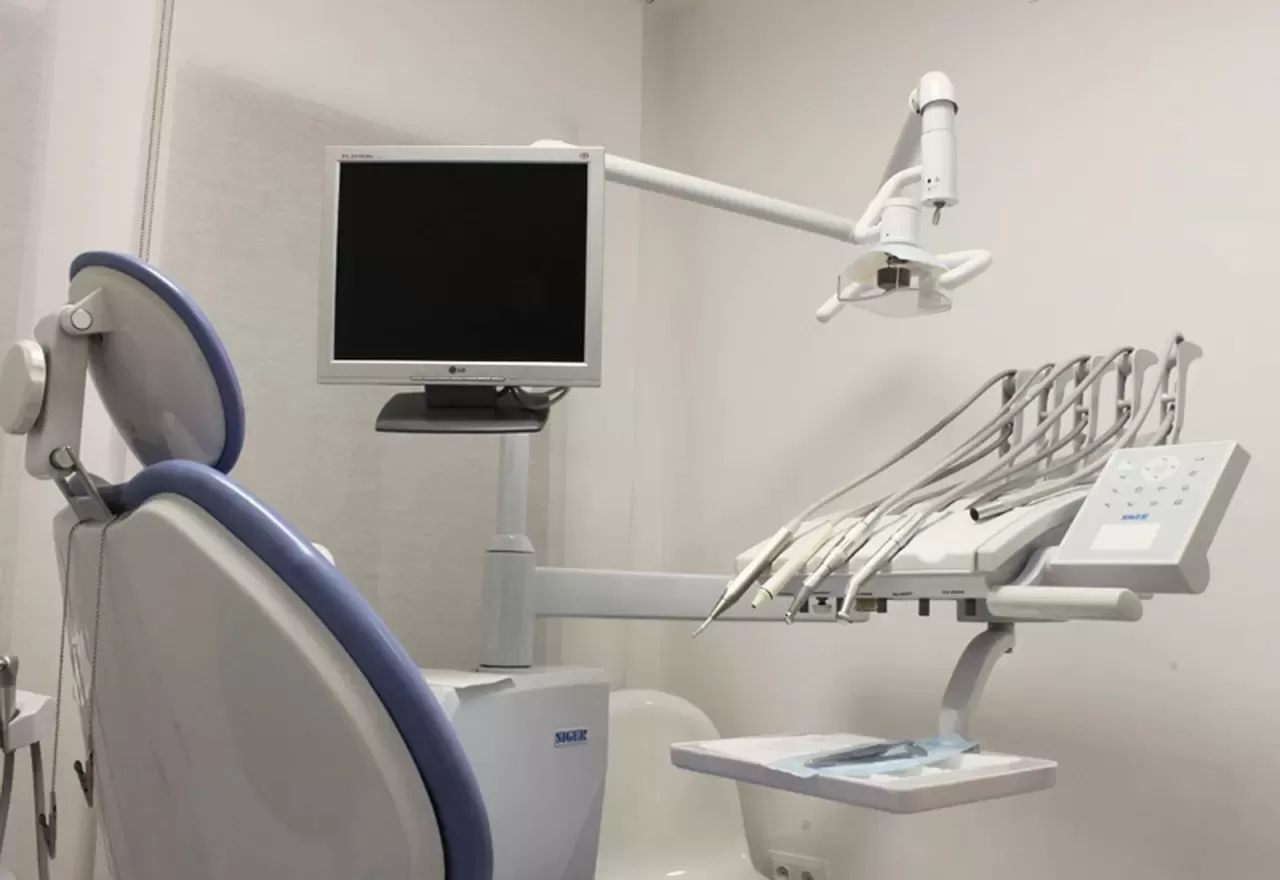
Dental Office Electrician
Licensed dental office electrician for operatories, dental equipment circuits, X-ray rooms and HARP/XRIS paperwork across the GTA.
View service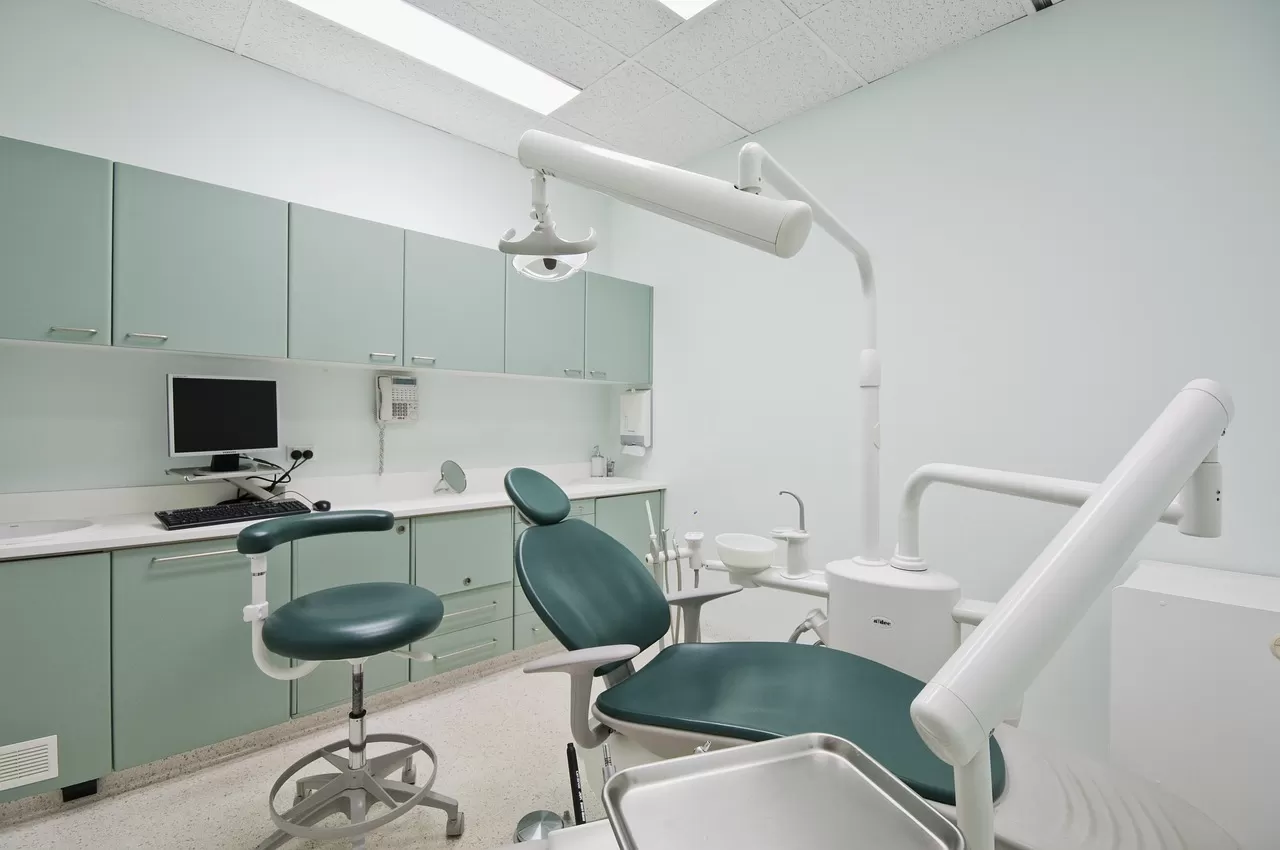
Dental Office Fit-Out & Renovation
New dental office builds, renovations and upgrades: operatory floor boxes, mechanical rooms, X-ray rooms and ESA sign-off.
View service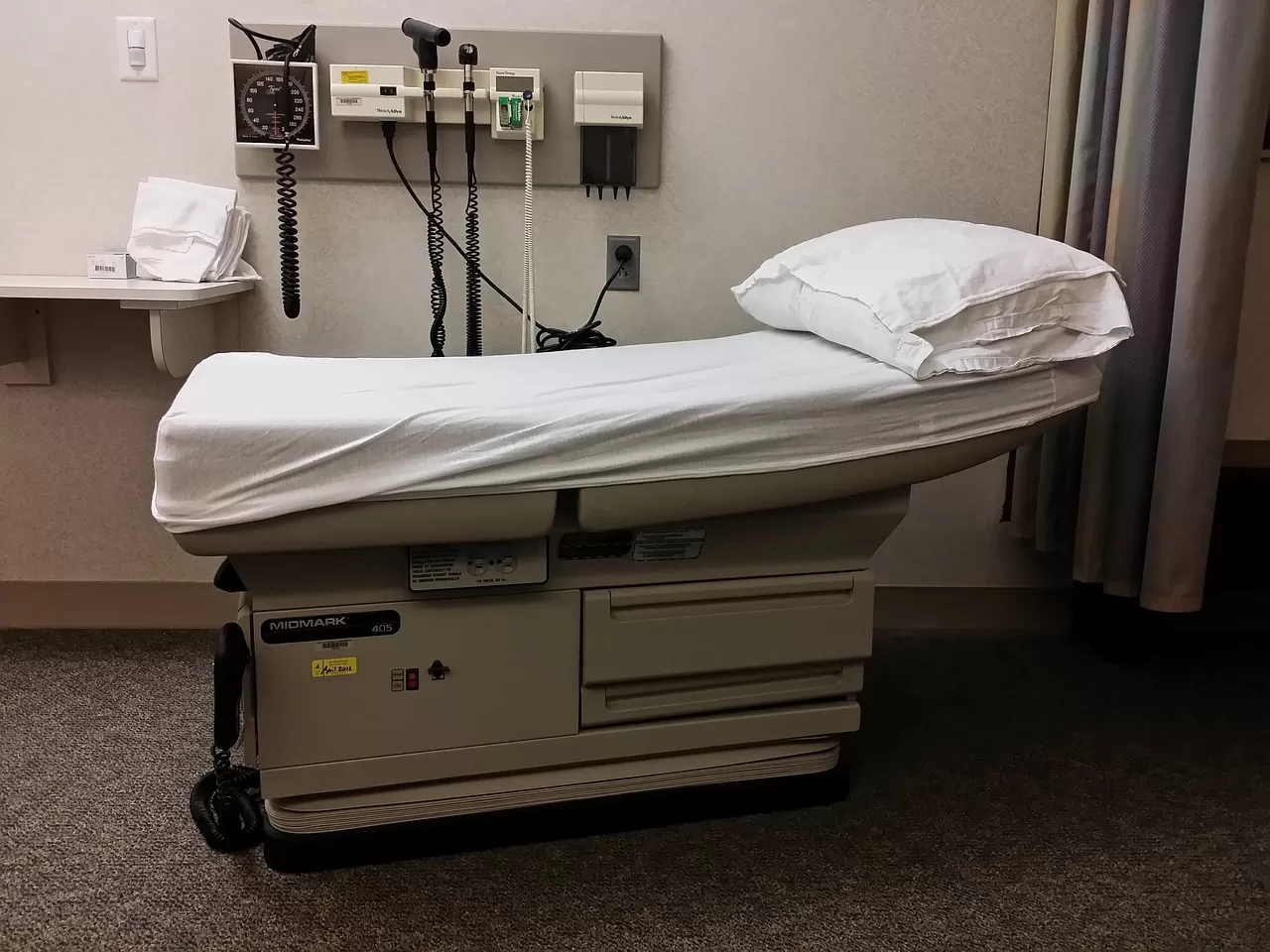
Exam Rooms & Medical Equipment Power
Exam and treatment room power, receptacles, lighting, emergency units, suite panels and equipment circuits for clinics.
View service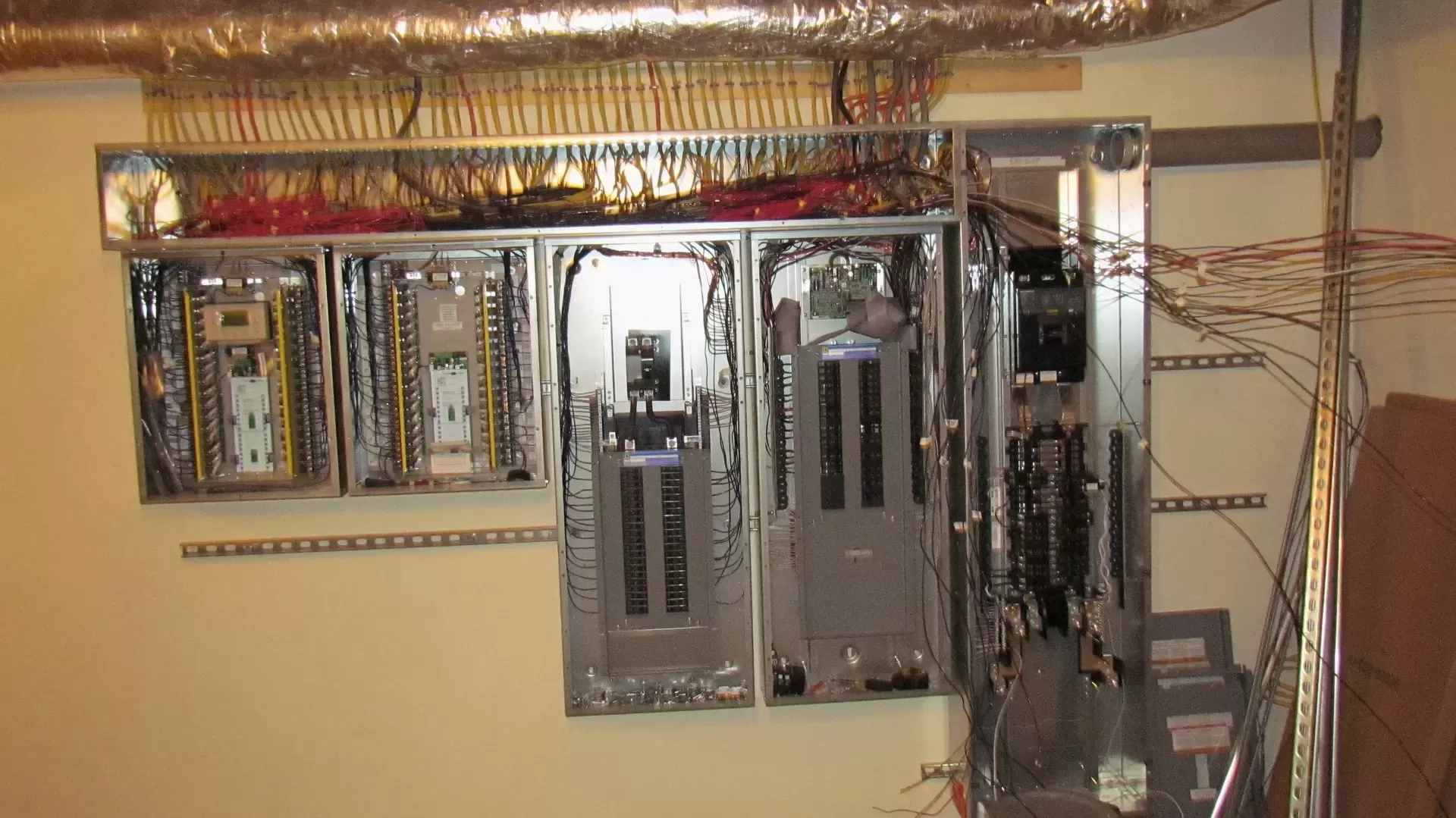
Electrical Troubleshooting
Methodical fault finding for trips, outages, overheating and nuisance faults, with the root cause found, fixed and documented.
View service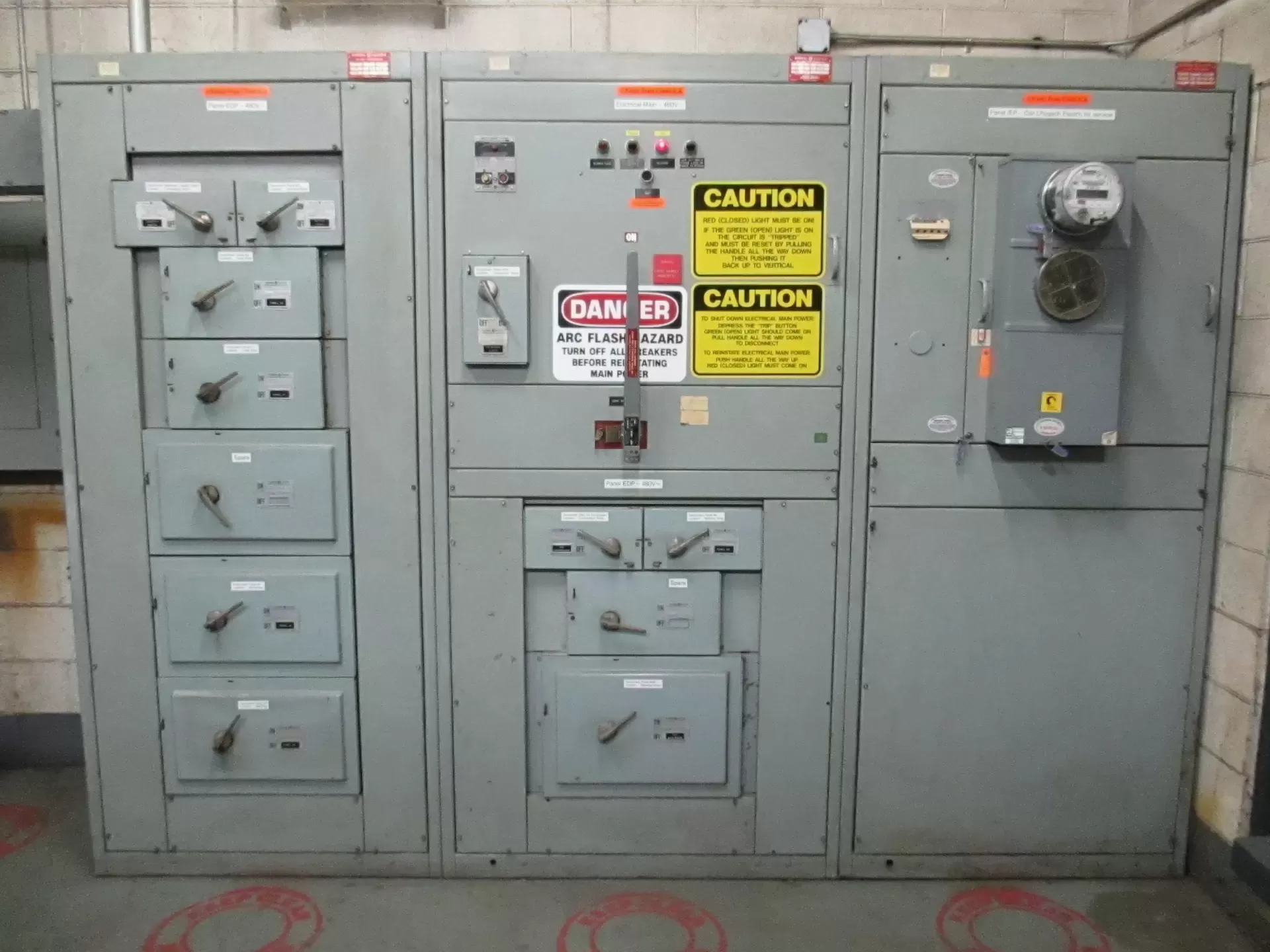
Electrical Panel Inspection
Panelboard, switchboard and disconnect switch inspection with thermal scans, torque checks and a written condition report.
View service
Toronto
Etobicoke, Scarborough and North York plants, downtown towers and clinics: maintenance, testing and infrared electrical inspection in Toronto.
View service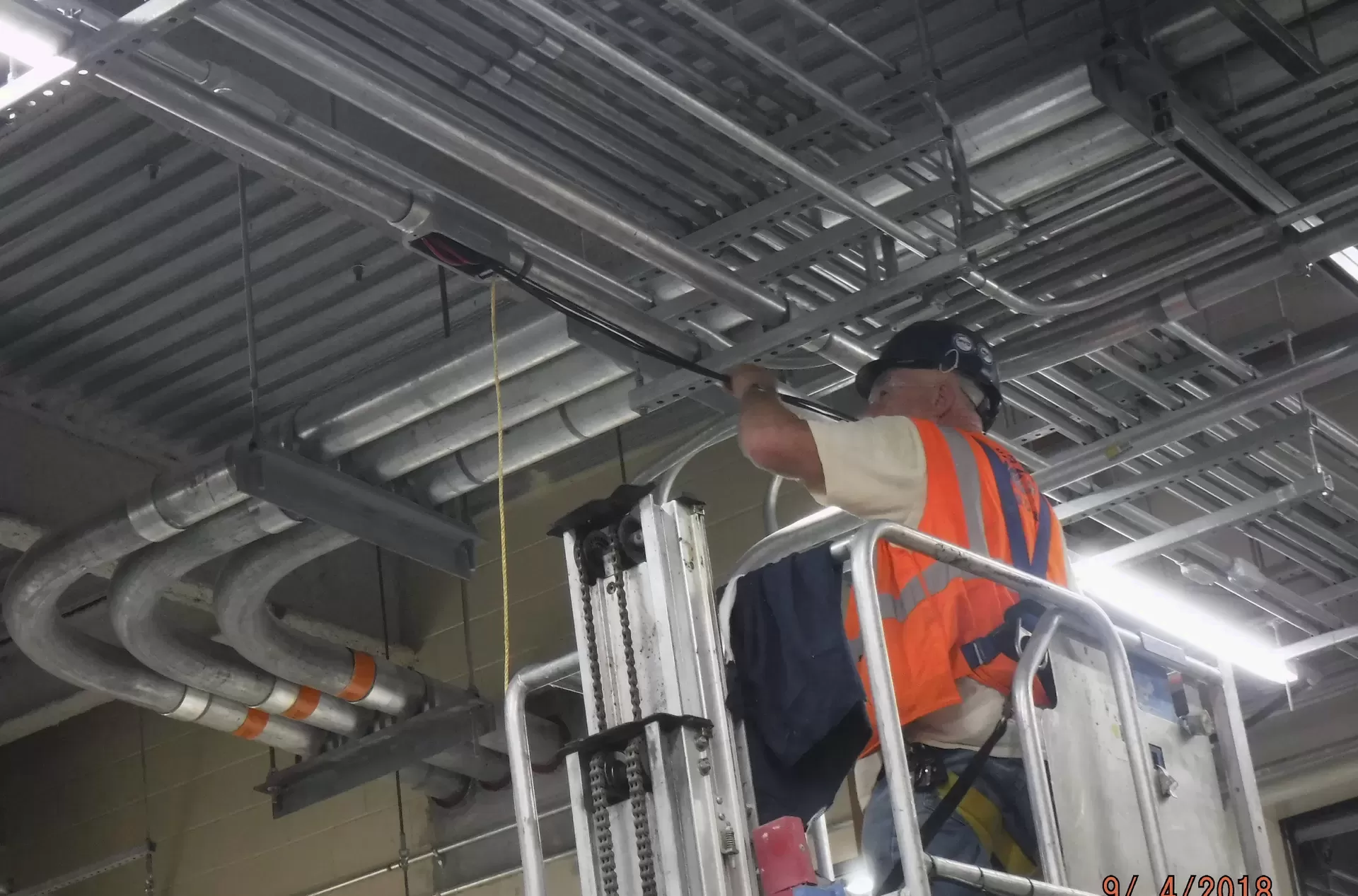
Request a callback
Plan your next electrical maintenance program with KCS
Tell us about the site and the equipment. A licensed electrician reviews it and calls you back.
- ESA/ECRA licence #7014042
- COR certified, ISNetworld, Avetta and ComplyWorks
- Work planned around shutdowns and tenant hours
- Emergency response for maintenance-contract clients
Send your request
We reply during business hours: Open daily, 9 a.m. to 9 p.m.