

Industrial electrical services
Industrial Electrician Services for Plants in Toronto & the GTA
Our industrial electricians repair, install and maintain power and motor systems in GTA plants under ESA/ECRA electrical contractor licence #7014042, with service across Ontario. KCS holds a COR certificate and plant contractor prequalifications.
- ESA/ECRA #7014042
- COR certified (IHSA)
- ISNetworld, Avetta, ComplyWorks
- WSIB covered and insured
Request a callback
A licensed electrical contractor calls you back, usually the same business day.
Updated Reviewed by KCS Group licensed electricians
What Does an Industrial Electrician Do in a Plant?
An industrial electrician keeps a plant's power, motor and control circuits safe and running, from the utility service and main switchgear down to the disconnect on each machine. Our people are licensed electricians who think about production schedules as much as wiring.
In a typical GTA factory or processing plant, our industrial electricians handle:
- Power distribution: main switchboards, feeders, busway, panelboards and the dry-type transformers that step voltage down for lighting and receptacles.
- Motor circuits: starters, motor control centre buckets, drive supply wiring, motor feeders and local disconnects.
- Machine connections: hookups for new equipment, relocations, cord and plug changes, and line extensions.
- Control wiring: field devices, interlocks, emergency stop circuits and control panel wiring, built to the drawings you supply.
- Lighting and plant services: high bay and emergency lighting, yard lighting, compressor rooms and dust collection.
- Fault finding when something trips, overheats or refuses to start.
What separates industrial work from general electrical work is the setting. Our crews read single-line diagrams, know how one tripped feeder can stop a whole line, work under a written safety program near energized equipment, and plan every task so the plant loses as little production time as possible.
Industrial Electrical Services for Manufacturing and Processing Sites
Our industrial electrical services cover installation and repair plus the maintenance and testing programs that stop equipment from failing in the first place. The table below maps them to the situations plants call about, and every row links to a page with the detailed scope.
| Service | What it covers | When plants usually call |
|---|---|---|
| Electrical troubleshooting | Tracing trips, nuisance faults, ground faults and intermittent control problems | A line is down or the same fault keeps returning |
| Factory electrical maintenance | Planned cleaning, tightening, inspection and testing of the plant's distribution gear | Setting up a yearly program or planning a shutdown |
| Plant thermography | Infrared electrical inspection of energized panels, MCCs and switchgear under load | Annual survey, insurer request or a suspected hot spot |
| Motor electrical testing | Insulation resistance and winding tests on motors and their feeders | Before restarting a motor, after a trip, for critical drives |
| MCC maintenance | Bucket inspection, stab and cable connections, starters and overloads | MCCs that feed critical lines or have never been serviced |
| Circuit breaker testing | Trip testing, contact resistance and mechanism checks | Breakers that have not operated in years |
| Arc flash study | Calculating incident energy and labelling each piece of equipment to CSA Z462 | New equipment, missing labels or an assessment more than five years old |
Whatever our electricians find, they can also repair, so a report from us never has to wait for another firm to quote it. For the complete list, see all KCS services.
Why Plant Electrical Systems Fail and What We Look For
Most plant electrical failures come from heat at connections, overloads that crept up as production grew, or damage from the plant environment. None of them happens overnight, which is why the same causes show up on service calls year after year.
- Loosened terminations. Vibration from presses, compressors and conveyors, plus daily heating and cooling, slowly loosens lugs and bus bolts. Resistance rises, the joint heats, and eventually it fails or burns.
- Load growth. A panel sized for the original line now feeds two added machines and a portable heater. Breakers run near their rating and nuisance trips start on hot days.
- Lost phase on a motor. One blown fuse or a failed contact pole leaves a three-phase motor on two phases, and it overheats unless its overload protection is set correctly.
- Contamination. Dust, flour, oil mist and metal fines settle inside enclosures and track across insulation, especially in MCCs and drive cabinets with filters nobody changes.
- Moisture and washdown. Water reaches enclosures through damaged seals and open knockouts, and corrosion follows.
- Physical damage. Forklifts strike conduit and cable tray, and relocated machines end up on cords that were never meant to be permanent wiring.
On a repair call we fix the failure in front of us and note which of these causes produced it. If the same cause is likely elsewhere in the plant, we say so in writing, and a thermal survey or a planned maintenance visit usually finds the rest before it fails.
Industrial vs Commercial Electrician: Which One Does Your Site Need?
Choose an industrial electrician when the building exists to run machines, and a commercial electrician when it exists to house people and tenants. Many GTA properties sit in between, so the equipment list usually decides it.
| Industrial focus | Commercial focus | |
|---|---|---|
| Typical sites | Factories, processing plants, mills, distribution centres with conveyors | Office buildings, retail plazas, multi-tenant units, clinics |
| Main loads | Motors, drives, process heaters, compressors, welders | Lighting, HVAC, receptacles, elevators, tenant panels |
| Distribution | Often 600 V three-phase with motor control centres | Often 120/208 V and 347/600 V with tenant panels |
| Cost of an outage | Lost production and scrapped product | Tenant disruption and service calls |
| How work is planned | Shutdowns, shift changes, lockout of process equipment | Outside tenant hours, with notices to occupants |
KCS does both. If your property is mostly offices, retail or tenant space, start with our commercial electrician and building maintenance page instead.
Ontario Rules Behind Every Industrial Electrical Job
Four sets of rules apply to plant electrical work in Ontario: it is carried out by a Licensed Electrical Contractor, notified to the Electrical Safety Authority (ESA), installed to the Ontario Electrical Safety Code (OESC) and carried out under the lockout rules of O. Reg. 851. KCS holds ESA/ECRA licence #7014042.
- Licensing. With limited exemptions, only a firm holding an ECRA/ESA electrical contractor licence may take on electrical work in Ontario, and that holds even when a general contractor passes the electrical scope down to a trade. Any firm can be looked up on ESA's contractor locator.
- Notification. ESA expects a notification for any work on an electrical installation, filed by the licensed contractor, so we file one for the work we perform. A manufacturer repairing the inside of its own certified equipment, without touching branch-circuit conductors, is a separate case.
- The Code. Since 1 May 2025, new installations follow the 29th edition of the OESC (2024 edition, made law through O. Reg. 164/99), which combines CSA C22.1 with Ontario's own changes.
- Lockout. Under section 42 of Reg. 851 (Industrial Establishments), anyone working on or near exposed live parts first isolates the supply, locks it and tags it, and the employer must put written procedures in place. Section 42.1 deals with the narrow cases where isolation is not practical.
- Workplace electrical safety. CSA Z462 sets out how energized work is assessed and controlled, including arc flash risk assessment and the selection of protective equipment.
- Testing specifications. New plant equipment is tested to ANSI/NETA ATS (2025 edition) before it is energized, equipment already in service is tested to ANSI/NETA MTS (2023 edition), and a whole-system start-up can be commissioned to ANSI/NETA ECS (2024 edition), an American National Standard since July 2, 2024. These sit alongside CSA Z463 and NFPA 70B rather than replacing Ontario law.
Our electricians arrive with their own written lockout and energized work procedures and follow your site rules on top of them. When a task needs equipment energized, such as a thermal survey or a voltage reading during fault finding, it is assessed and documented before anyone opens a cover.
COR, ISNetworld, Avetta and ComplyWorks Prequalification
KCS is COR certified through IHSA and prequalified on ISNetworld, Avetta and ComplyWorks, so most plant contractor-management systems can approve us without a long onboarding process.
IHSA certifies COR holders in Ontario, and many public and private owners ask contractors to hold the certificate before they can bid. Earning it means an outside audit of how safety is actually managed, not a binder of policies on a shelf.
Documents that plant safety and purchasing teams usually request, and that we supply:
- Our ESA/ECRA electrical contractor licence number, #7014042.
- A WSIB clearance certificate. Under WSIB's construction clearance policy, the company that hires a contractor directly has to get one, and each clearance runs for a maximum of 90 calendar days, so we refresh ours whenever you ask.
- A certificate of commercial insurance, with your company named as your contract requires.
- Site-specific safety documents: hazard assessments, lockout procedures and the qualifications of the electricians assigned to your site.
Machine Hookups, Relocations and Plant Expansions
When a plant adds, moves or retires equipment, we handle the electrical work from the panel to the machine disconnect and file the ESA notification for it.
A project starts with the equipment's electrical data: voltage, full-load current, the overcurrent protection the manufacturer specifies and any control interface. We confirm that the existing panel, feeder and transformer can carry the added load, then plan the cable route, the disconnecting means and the lockout points.
- New production equipment: feeders, disconnects, cord drops and control connections.
- Line relocations: removing old drops, making abandoned circuits safe and reconnecting at the new position.
- Plant expansions: new panels, busway runs or transformers to serve added floor space.
- Support systems such as compressed air, dust collection and process cooling that sit outside the production line.
Where your equipment supplier must work inside certified equipment, we coordinate with their technicians so the field wiring and the equipment work line up. New feeders, panels and transformers get acceptance tests to ANSI/NETA ATS before they carry load. Large additions can change the fault current available at your equipment, so we flag when an arc flash study update is due.
Breakdown Calls, Shift Work and Planned Shutdowns
Emergency response is available to our maintenance-contract clients. Other plants can book service calls and planned work by phoning our Aurora office on any day of the week.
Contract plants qualify for emergency response since their drawings, panel schedules and isolation points are already on file with us, and that history is what makes a quick, safe restart possible. Without it, an electrician spends the first part of a call learning the site.
Planned work is booked around your production calendar. Tasks that need equipment de-energized, such as torque checks, insulation resistance tests and breaker trip tests, go into shutdown windows. Tasks that can be done safely on live equipment under a documented procedure, such as thermal surveys and visual inspections, run during normal production.
Our factory electrical maintenance page explains how we build a shutdown scope, and industrial electrical troubleshooting covers fault-finding calls in detail.
Industrial Electrical Work Across the GTA and Ontario
Our base is in Aurora. Plant jobs take us mostly across Toronto and the GTA, and further afield anywhere in Ontario.
Toronto's employment survey shows manufacturing is still the largest source of jobs in the city's employment areas, which include Rexdale-Airport, South Etobicoke, Downsview and the Highway 400 corridor. North of the city, Concord is Vaughan's main industrial district and part of a large auto parts and electronics supply base. Brampton names food processing and advanced manufacturing as two of the six sectors its economic development office targets.
- Industrial and commercial electrical work in Toronto
- Vaughan and Concord plants
- Brampton manufacturing and food plants
- Mississauga industrial and life sciences sites
For sector-specific needs, see our pages for manufacturing plants and food and beverage processing.
How a plant job runs
From your call to a documented repair
Scope on the phone
We confirm the equipment, symptoms, site rules and whether the job needs a shutdown.
Site walk and lockout plan
An electrician reviews drawings, isolation points and access before the work date.
Work and test
Repairs or installation under lockout, then testing before the equipment returns to service.
Records you keep
Findings, photos, test values and any follow-up work, written for your maintenance files.
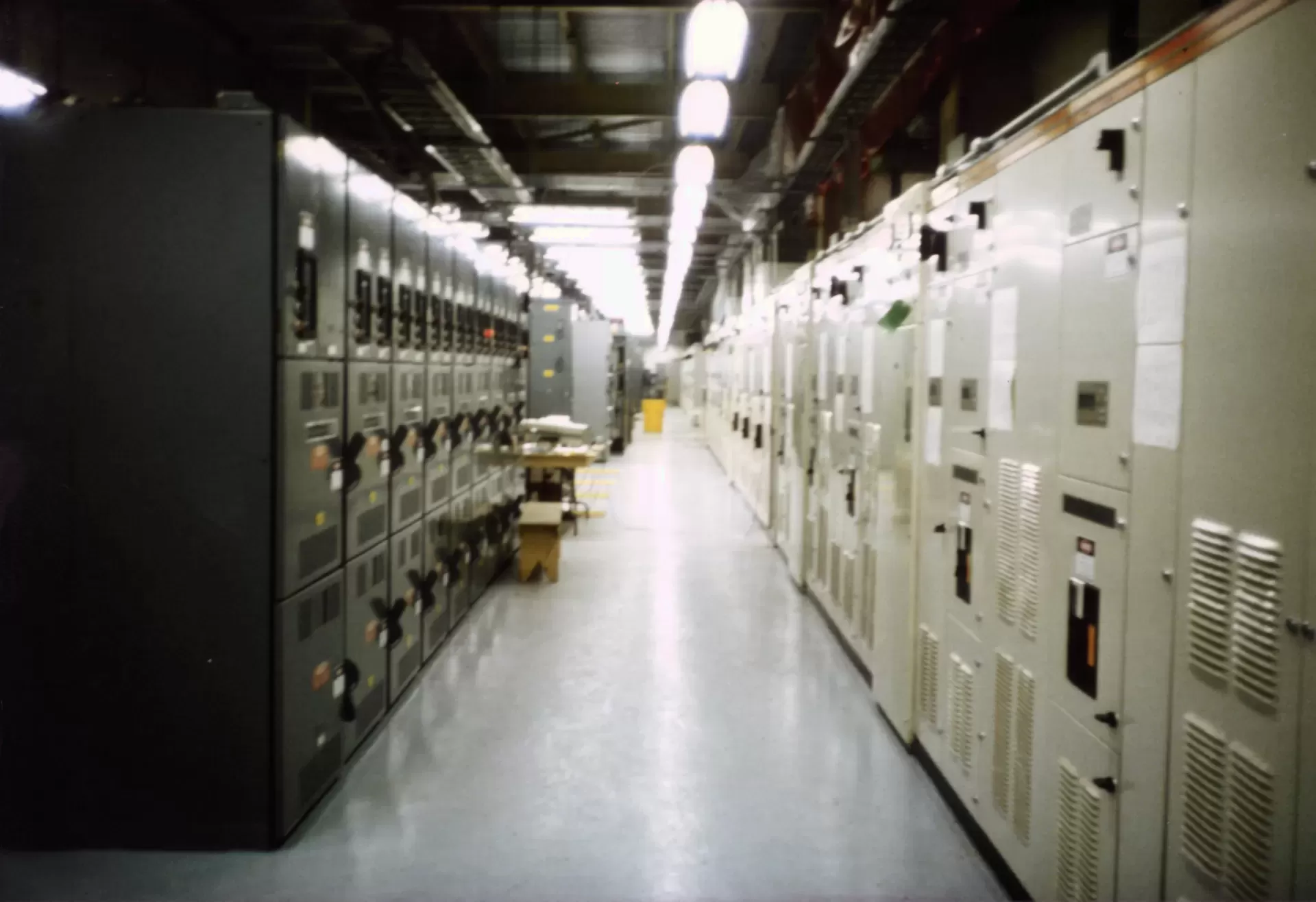
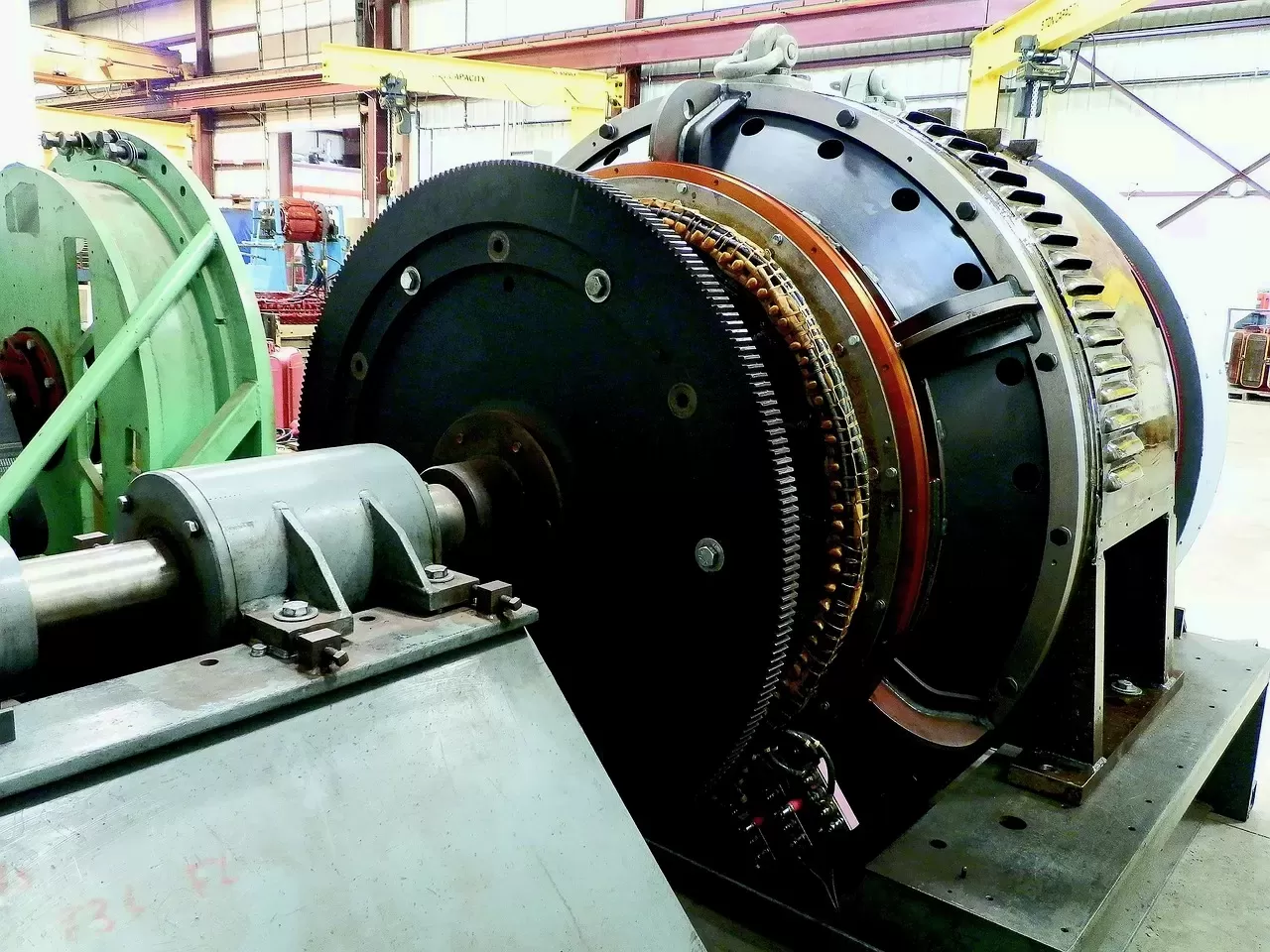
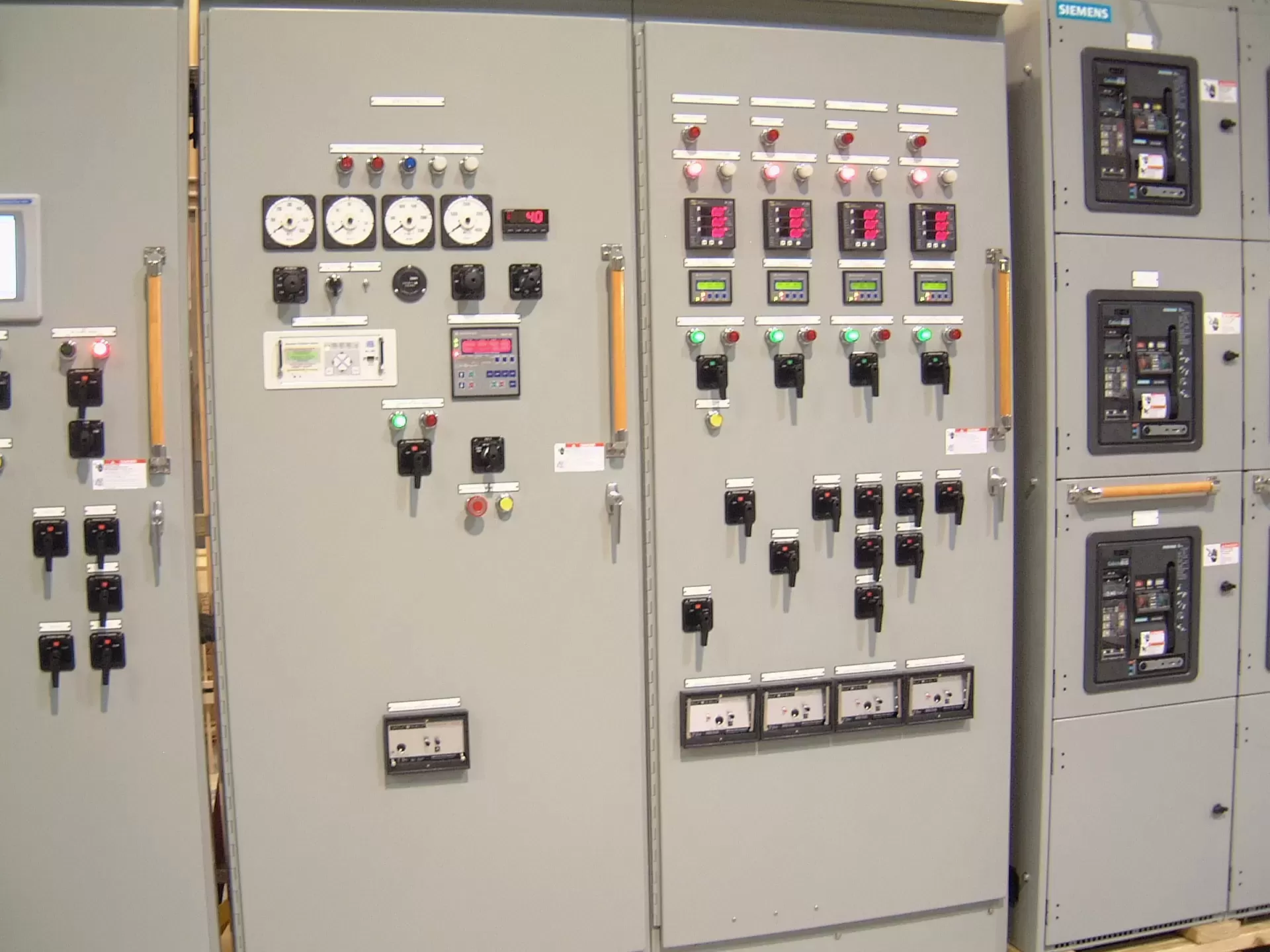
Plant equipment we service
Industrial equipment pages
Questions
Industrial electrician questions
Industrial electricians
What is the difference between an industrial electrician and a construction electrician?
A construction electrician mainly installs new wiring in buildings under construction, while an industrial electrician works in operating plants on motors, controls and distribution equipment that must stay in production. Industrial work means more troubleshooting, lockout of process equipment and planning around shifts. KCS does installation work inside operating plants as well as maintenance and repair, so one crew covers both.
What does an industrial electrician do on a typical plant service call?
On a typical call, an industrial electrician isolates and locks out the affected equipment, finds the fault, repairs it and tests before restart. Common causes include failed motor starters, tripped feeders, damaged cords, loose terminations and control circuit faults. We record what failed and why, so recurring problems can be traced back to their source instead of being reset again.
Is an industrial electrician the same as an industrial electrical contractor?
No. The electrician is the tradesperson doing the work, and the electrical contractor is the licensed business responsible for it. In Ontario, the business needs its own ECRA/ESA contractor licence and a designated Master Electrician. KCS Group Ltd. is licensed under #7014042, and every electrician we send works under that licence.
Can one electrical company handle both our plant and our office building?
Yes. KCS works in factories, processing plants and warehouses as well as offices and multi-tenant buildings, so a company with mixed sites can use one contractor and one reporting format. The approach changes with the building: production schedules and motor loads in the plant, tenant hours and base-building systems in the office.
Licensing and safety
How can I check that an industrial electrical contractor is licensed in Ontario?
Get the firm's ECRA/ESA number, then search it in ESA's online contractor locator or phone ESA's licensing line, 1-877-ESA-SAFE, option 3. ESA expects licensed contractors to show the number on vehicles, business cards and estimates. Our number is #7014042, and it appears on every quote and report we issue.
Does electrical repair work inside a plant need an ESA notification?
In most cases, yes. ESA's position is that changes or repairs to an installation are notified by the licensed contractor doing them. There are specific exceptions, such as repairs by an equipment manufacturer inside certified equipment that do not touch branch-circuit conductors. We confirm which parts of your job need a notification and file it.
Can a general contractor subcontract plant electrical work to an unlicensed electrician?
No. Electrical scope that a general contractor hands to a trade still has to go to a firm holding an ECRA/ESA contractor licence. If your project has a general contractor, ask them for the electrical subcontractor's ECRA/ESA licence number. KCS can work directly for you or as the licensed electrical subcontractor on a larger project.
Do your electricians follow our plant lockout procedure or their own?
Both. Our electricians work under KCS written lockout and energized work procedures and also follow your site rules, permits and lock systems. Reg. 851 requires the employer to set written procedures and requires each worker to confirm that lockout is in place before work starts. Where the two procedures differ, we agree the stricter approach with your safety lead before work begins.
Which contractor prequalification platforms is KCS registered on?
KCS holds active prequalification with ISNetworld, Avetta and ComplyWorks, plus a Certificate of Recognition (COR) issued through IHSA. That lets most plant and corporate contractor-management systems approve us quickly. We can also complete your own vendor questionnaire and supply safety documents directly.
What documents will KCS provide before starting work at our facility?
Before the first visit we provide our ECRA/ESA licence number, a current WSIB clearance certificate, a certificate of commercial insurance and our safety documents, including hazard assessments and lockout procedures. Each WSIB clearance lasts at most 90 calendar days, so on longer jobs we send a fresh one. We also complete any site orientation you require.
Scheduling
Can you work on our electrical equipment without stopping production?
Some work, yes. Thermal surveys, visual inspections and load readings can be done on energized equipment under a documented procedure while the line runs. Work on conductors and connections, such as torque checks, insulation testing and breaker trip testing, needs the equipment locked out, so we schedule it into planned shutdowns or shift changes.
Do you offer emergency response for industrial breakdowns?
Only plants with a KCS maintenance contract receive emergency response, since their drawings, panel schedules and lockout points are already in our files, which allows a faster and safer restart. Other plants can book a service call with our office any day of the week, and we schedule it as soon as a crew is free.
How early should we book electrical work for a plant shutdown?
Book as soon as the shutdown date is known. We need time to walk the site, agree the scope, order parts and run a thermal survey under load beforehand, so the outage is used on real findings. Late bookings are possible, but the scope then tends to be narrower and parts lead times can limit what gets done.
Installations
What information do you need to quote a new machine hookup?
Send the equipment's electrical data sheet or nameplate details (voltage, phase, full-load current and the protection the manufacturer specifies), its location on a floor plan and the panel you expect it to feed from. Photos of the panel and its schedule help. We then visit to confirm capacity, routing and the disconnect location before quoting.
Will adding new machines change our arc flash labels?
It can. New transformers, larger feeders or added motor load can change the fault current and clearing times at your equipment, which changes incident energy. A major modification is a common trigger for reviewing an arc flash risk assessment, so we flag when an addition is large enough to justify updating the study and labels.
Do you work alongside our equipment supplier's service technicians?
Yes. Equipment suppliers usually commission and repair the inside of their certified machines, while we supply and connect the field wiring, disconnects and control connections. We coordinate the sequence, lockout and testing with their technicians so the machine is ready when they arrive and the ESA notification covers our part of the work.
Service area
Do you provide industrial electrical services outside the GTA?
Yes. KCS serves all of Ontario, with most of our work in Toronto and the GTA. For plants farther away, we plan visits around scheduled shutdowns and maintenance windows so travel time is used well. Tell us the site location and scope when you request a callback and we will confirm scheduling.
Which industries do your industrial electricians usually work in?
Our industrial work is mainly in manufacturing plants, food and beverage processing, and warehouses and distribution centres, plus the electrical rooms of commercial and healthcare buildings. Each sector has different hazards and schedules, so we plan the work around them. Our industries page explains what each sector usually needs.
Related services
Related services
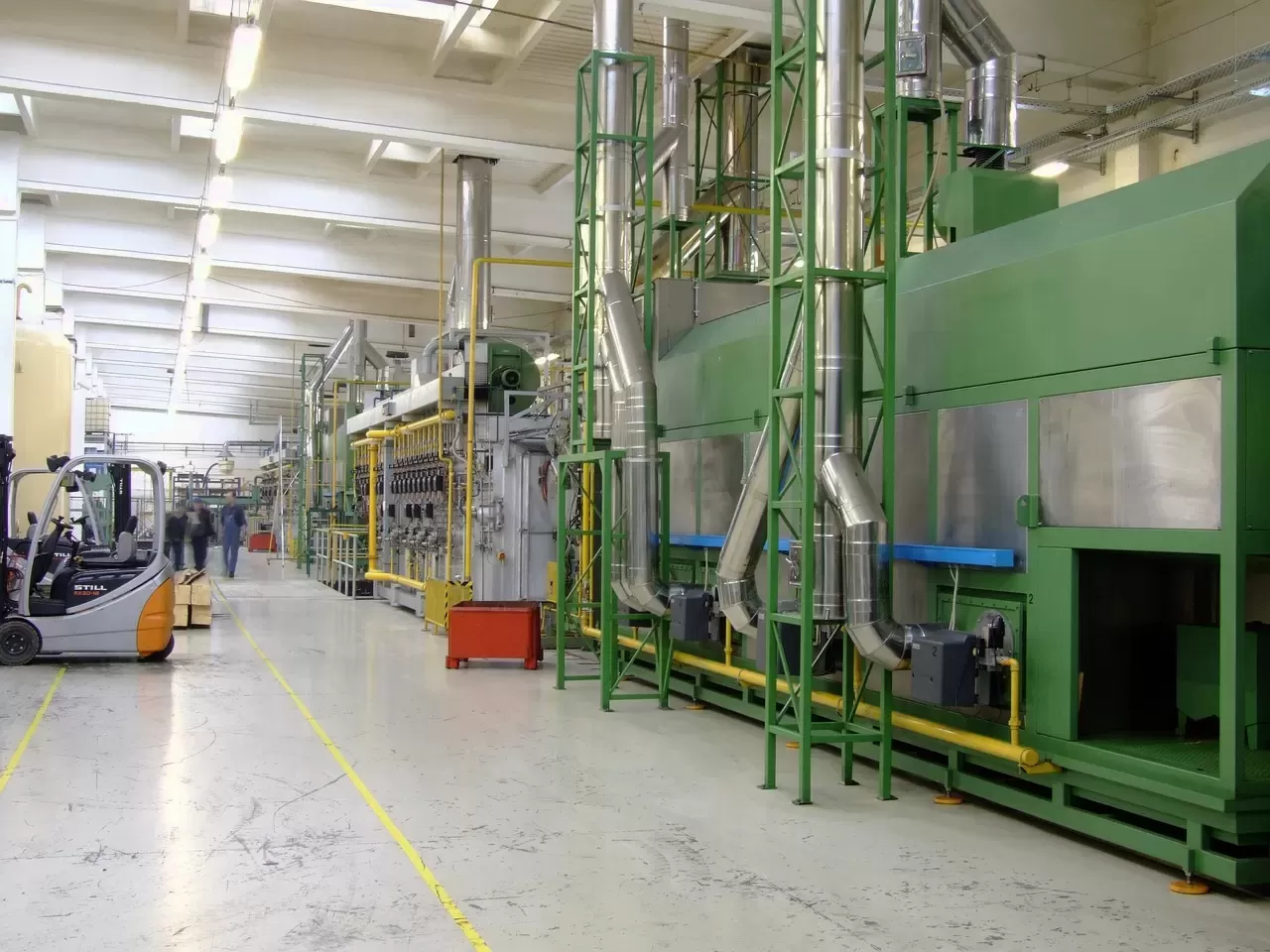
Factory Electrical Maintenance
Factory electrical maintenance programs and shutdown work for GTA plants, built on CSA Z463 with condition-based intervals.
View service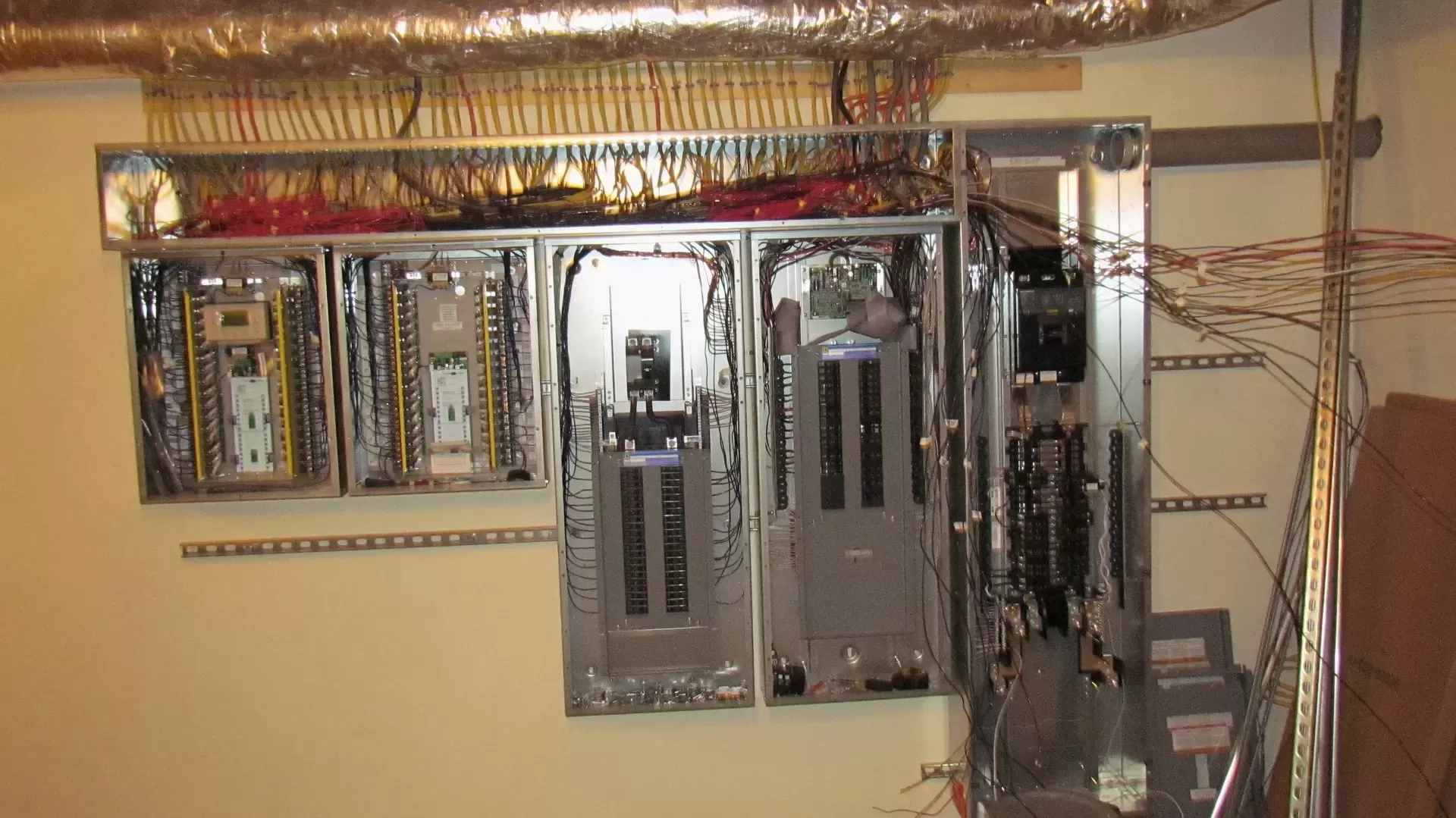
Electrical Troubleshooting
Methodical fault finding for trips, outages, overheating and nuisance faults, with the root cause found, fixed and documented.
View serviceManufacturing Plants
Plant electrical maintenance, testing and thermography planned around your production schedule and shutdown windows.
View service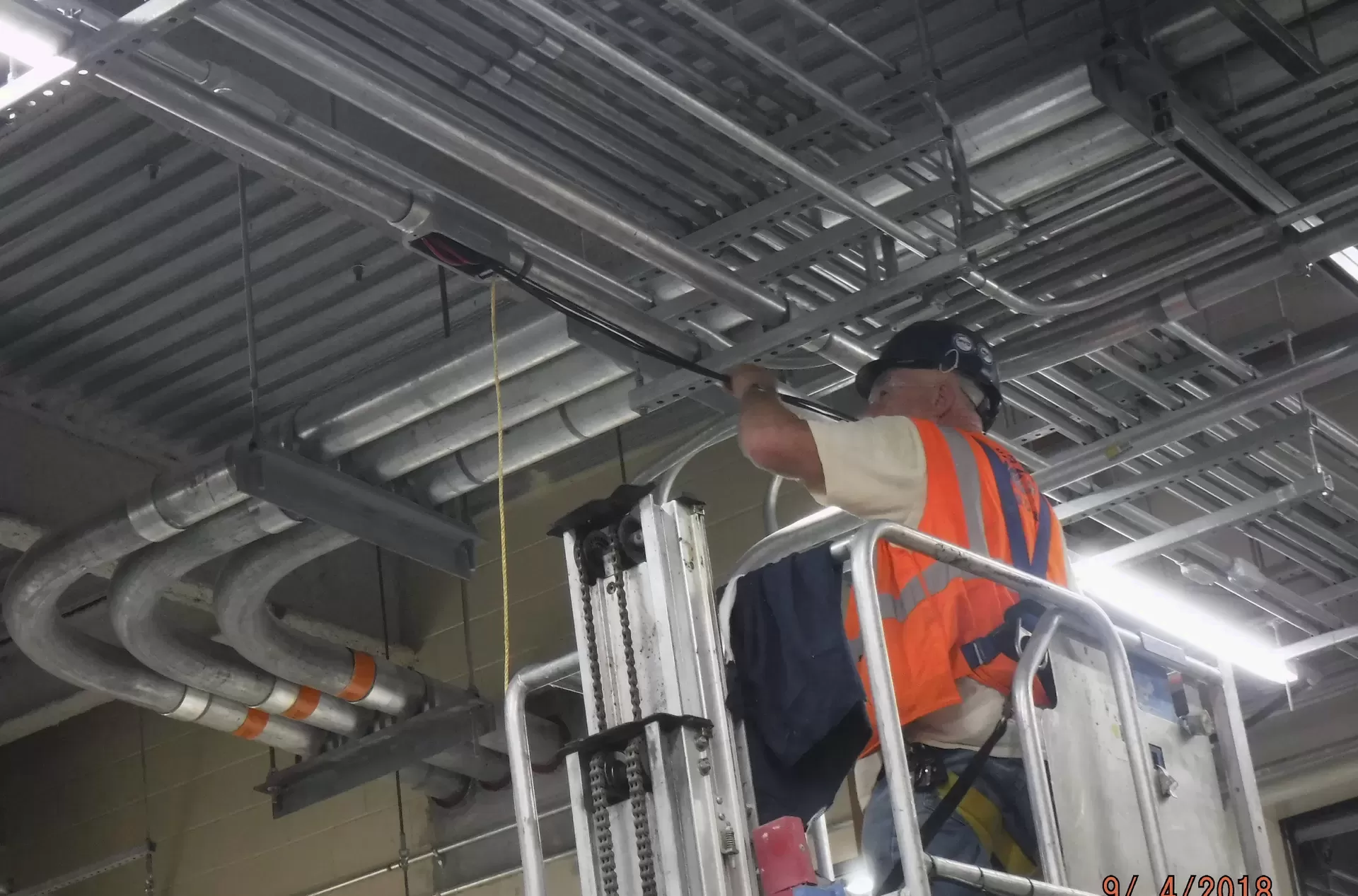
Request a callback
Plan your next electrical maintenance program with KCS
Tell us about the site and the equipment. A licensed electrician reviews it and calls you back.
- ESA/ECRA licence #7014042
- COR certified, ISNetworld, Avetta and ComplyWorks
- Work planned around shutdowns and tenant hours
- Emergency response for maintenance-contract clients
Send your request
We reply during business hours: Open daily, 9 a.m. to 9 p.m.