

Industries: manufacturing
Electrical Contractor for Manufacturing Plants in Toronto & the GTA
As an electrical contractor for manufacturing plants in Toronto, the GTA and wider Ontario, KCS maintains, tests and scans the distribution, motor control and machine power that keeps your lines running. Our ECRA/ESA licence is #7014042, IHSA has awarded us COR, and our profiles are approved on ISNetworld, Avetta and ComplyWorks.
- ESA/ECRA #7014042
- COR certified (IHSA)
- Level II thermographers
- WSIB covered and insured
Request a callback
A licensed electrical contractor calls you back, usually the same business day.
Updated Reviewed by KCS Group licensed electricians
What Does an Electrical Contractor for Manufacturing Plants Do?
An electrical contractor for manufacturing plants keeps the power side of production reliable: it inspects, tests, maintains and repairs the switchboards, motor control centres, drives, motors and machine feeders that every line depends on. At KCS that work is done by our licensed electricians under ESA/ECRA licence #7014042, with written findings after every visit.
Most plants already have a maintenance department that handles mechanical work and simple electrical swaps. What they usually need from outside is the work that takes a licensed contractor, specialised test equipment or a second set of trained eyes:
- Scheduled factory electrical maintenance on distribution and motor control equipment, done during planned shutdowns.
- Thermographic surveys of the plant while equipment runs under production load.
- Insulation, breaker and motor testing with recorded values you can trend from one year to the next.
- Fault finding on nuisance trips, overheating starters and intermittent drive faults.
- New circuits, machine moves and line changes, filed with the Electrical Safety Authority as the work requires.
We work with plant engineers, maintenance managers and EHS leads in food, automotive parts, plastics, metal fabrication, packaging and general manufacturing. The broader scope of our plant work, from new installations to machine wiring, is on our industrial electrical services page.
Where Plant Electrical Systems Fail Before a Line Goes Down
Most plant electrical failures start as heat, dirt or vibration at a connection long before anything trips. Finding those conditions early turns an unplanned stoppage into a scheduled repair.
The patterns we see most often on GTA plant floors are:
- Loose or corroded terminations in switchboards, MCC buckets and disconnects. A joint that is only slightly loose heats more and more as the line loads up, so a marginal lug can run hot for months and then fail during a busy shift.
- Motor control centre wear: pitted contactor tips, overload relays set from old nameplates, worn stab fingers and buckets that no longer seat cleanly.
- Drive and motor problems: dust-blocked drive cooling, insulation breakdown in older windings and unbalanced phases that shorten motor life.
- Protective devices nobody has exercised: breakers that have sat closed for years without a trip test may not clear a fault the way the coordination study assumed.
- Undocumented changes: machines added over the years without updating panel schedules, single-line drawings or arc flash labels.
None of this shows on a walk-through with the doors closed. It shows on an infrared image, in a set of insulation readings, or in a breaker trip time compared against its curve. That is why we pair visual inspection with measured tests and report each finding with a photo, a reading and a recommended action.
Which Electrical Services Match Each Piece of Plant Equipment
Each part of a plant's power system has its own failure modes, so each gets its own test or maintenance task. The table below maps common manufacturing equipment to the KCS service that covers it.
| Plant equipment | Typical concern | KCS service |
|---|---|---|
| Main switchboard and switchgear | Heating, contamination, aged insulation | Switchgear maintenance |
| Motor control centres | Bucket wear, contactor and overload condition | MCC maintenance |
| Production motors | Winding insulation, phase imbalance | Motor electrical testing |
| Feeder and branch breakers | Trip timing, contact resistance | Circuit breaker testing |
| Dry-type and pad-mounted transformers | Insulation, connections, cooling | Transformer testing |
| All energized distribution | Hot connections under load | Industrial thermography |
| Labelled equipment fleet | Incident energy and PPE information | Arc flash study |
Most plants start with one of two entry points: an infrared survey of the whole distribution system, or a condition walk-down that lists every panel, MCC and transformer with its age, environment and criticality. Either one gives us the inventory we need to build a maintenance plan, rather than reacting to the next failure.
Reg. 851, CSA Z462 and CSA Z463 in an Ontario Plant
Three sets of rules shape electrical maintenance in an Ontario plant: the OESC governs what is installed, O. Reg. 851 (Industrial Establishments) governs how workers stay safe around it, and the CSA standards describe how maintenance and safe work are carried out.
- O. Reg. 851, sections 40 to 44.2: equipment must be suitable for its use and certified; rooms with exposed live parts need warning signs; and the supply has to be isolated, locked and tagged before anyone works on or close to live exposed parts, following written procedures the employer sets. Where disconnection is not practical, section 42.1 requires protective equipment and procedures, and at 300 V or more a competent person able to perform a rescue, with an exception for testing and troubleshooting.
- Ontario Electrical Safety Code (29th edition, effective 1 May 2025, under O. Reg. 164/99): applies to new and altered installations. ESA requires a notification for work on an electrical installation, which a licensed electrical contractor files.
- CSA Z462 (workplace electrical safety): the basis for energized work permits, arc flash risk assessment and PPE selection in Canadian plants.
- CSA Z463 (maintenance of electrical systems): the 2024 edition is a standard rather than a guideline, and it sets out what a maintenance program for electrical equipment should cover.
Plants owned by US parent companies often write NFPA 70B into their internal standards. Our own test procedures follow ANSI/NETA MTS (2023 edition) for MCCs, switchboards and breakers in service, and ANSI/NETA ATS (2025 edition) for new gear before it is energized. Those US documents are not Ontario law, so we apply them together with CSA Z463 and whatever your corporate engineering group requires. ESA also runs a Continuous Safety Services program for manufacturers that do frequent electrical maintenance; we can work inside that arrangement where your site uses it.
How Often Plant Electrical Equipment Needs Maintenance
Intervals depend on the condition, criticality and environment of each piece of equipment, not on a fixed calendar. NFPA 70B uses an equipment condition assessment where the worst of those three factors sets the interval, and a dusty, hot or production-critical plant usually lands in the shortest column.
| Plant situation | Likely condition rating | Infrared scan | Outage work on MCCs, switchboards and breakers |
|---|---|---|---|
| Clean, cool electrical room serving non-critical loads | Condition 1 | Once a year | About every five years |
| Production floor with moderate dust, normal duty | Condition 2 | Once a year | About every three years |
| Heat, dust, washdown, vibration or a line that cannot stop | Condition 3 | Twice a year | Every year |
The scan and outage figures follow Table 9.2.2 in the 2023 edition of NFPA 70B for thermography, motor control equipment, panelboards, switchboards and breakers.
Manufacturer instructions still apply on top of these intervals. In practice, many GTA plants scan twice a year, do a full outage maintenance cycle on the most critical gear every year, and rotate the rest of the distribution through a three to five year cycle. Our electrical preventive maintenance page explains how we turn this into a written program.
Planning Electrical Work Around Production and Shutdowns
We plan every visit around your production schedule: energized work such as thermography and visual inspection happens during normal runs, and de-energized tasks wait for the outage windows you already have.
Offline work, such as cleaning, torque checks, insulation resistance and breaker trip tests, needs the equipment locked out under your Reg. 851 procedures. Most plants have a few natural windows: statutory holidays, the summer and winter shutdowns, weekend changeovers and planned line rebuilds. We build a task list for each window ahead of time so the crew size, test equipment, spare parts and lockout points are known before the power goes off.
- Pre-outage walk with your maintenance lead to confirm isolation points and the restart sequence.
- Task sheets per piece of equipment so nothing is missed when the window is short.
- Findings that cannot wait are raised on site, with the repair options and the parts needed.
- Restart support and a post-energization infrared check where loading allows.
When a starter or feeder quits between scheduled visits, contract plants get our emergency crew; that response is limited to maintenance-contract clients, which keeps a crew free when a plant on our books is down.
Contractor Prequalification and Reporting Plants Ask For
Large manufacturers screen contractors before they reach the gate, and KCS is set up for that: IHSA has granted KCS the Certificate of Recognition (COR), and plant owners can find our approved records on ISNetworld, Avetta and ComplyWorks. We carry commercial insurance and WSIB coverage, so your purchasing team can pull a clearance certificate before the first visit.
On site, our electricians follow your orientation, permit and lockout rules alongside our own safety program. Our infrared work is carried out by thermographers holding Level II certification or higher, and test results are recorded against the equipment ID you use in your maintenance system.
Each report lists the equipment tested, the method, the readings, the condition found and a priority for each corrective action. Infrared findings are ranked by temperature rise using the NETA severity bands, so your planner can schedule the urgent items first and roll the rest into the next outage. That record also supports your insurer, your auditors and your electrical asset planning for replacements.
Manufacturing Areas We Serve Across the GTA and Ontario
Our crews run out of Aurora, reach plants throughout Toronto and the GTA, and travel within Ontario for plant shutdowns and multi-site programs.
Much of our manufacturing work is in the employment lands of Brampton, where the city lists advanced manufacturing and food and beverage processing among its key sectors; Vaughan, home to a large cluster of auto parts and electronics manufacturers; and Mississauga. Further out, we support plants in Kitchener-Waterloo and Cambridge, where manufacturing is the largest industry in the region, and in Hamilton.
Multi-site manufacturers can put every plant on one program with the same report format, so corporate engineering can compare condition across sites.
How a plant program starts
From first walk-through to a running maintenance plan
Site walk and inventory
We list switchboards, MCCs, transformers, drives and critical motors with their age, environment and role in production.
Baseline survey
An infrared scan under load and a visual condition check give a starting picture of every item on the list.
Written program
Tasks and intervals per item, matched to your outage windows and to CSA Z463 and NFPA 70B where you use it.
Recurring visits
Scheduled scans, outage maintenance and tests, each with a report that tracks changes over time.
Plant services
Services manufacturing clients use most
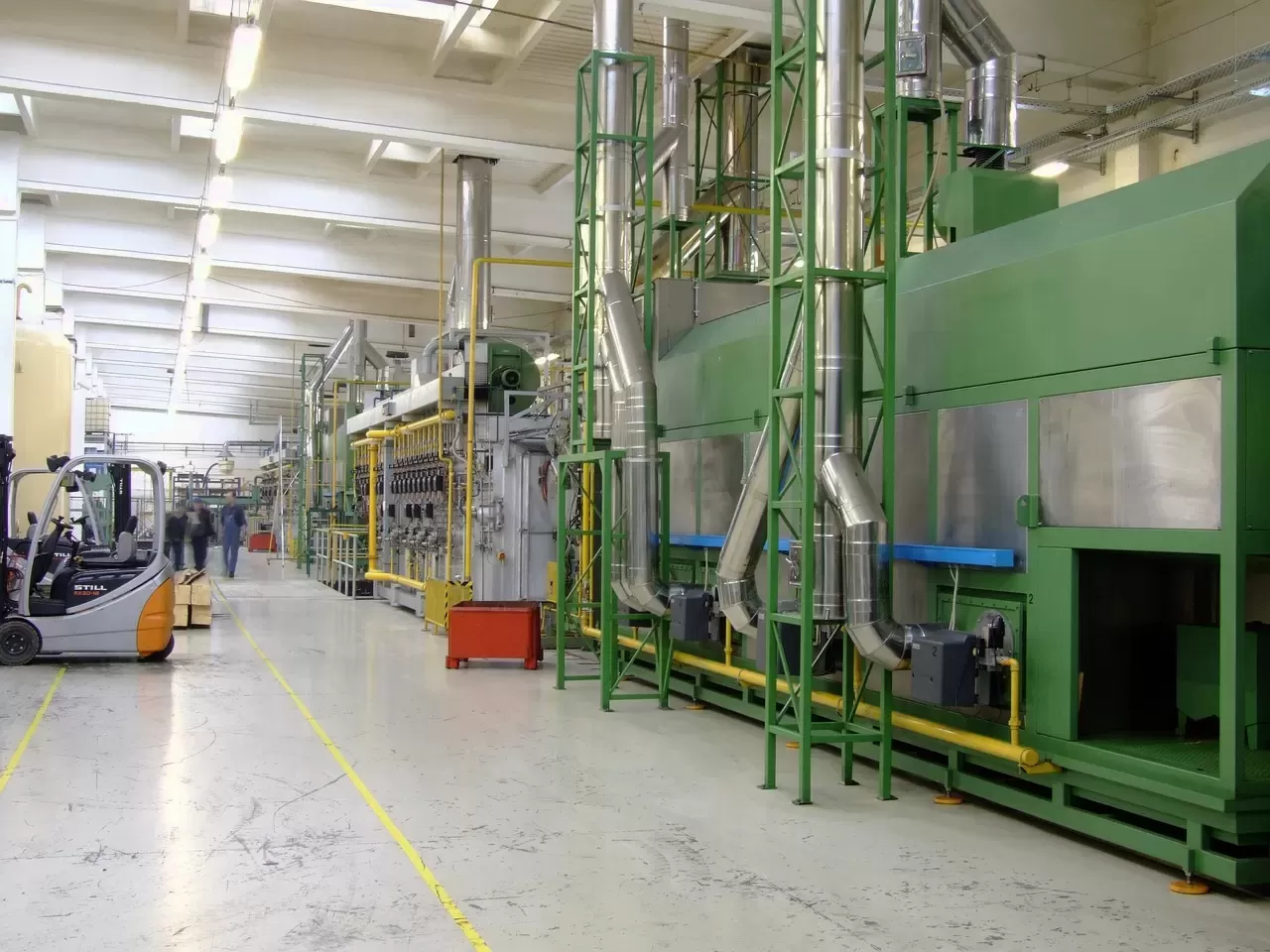
Factory Electrical Maintenance
Outage maintenance on distribution and motor control equipment.
Learn more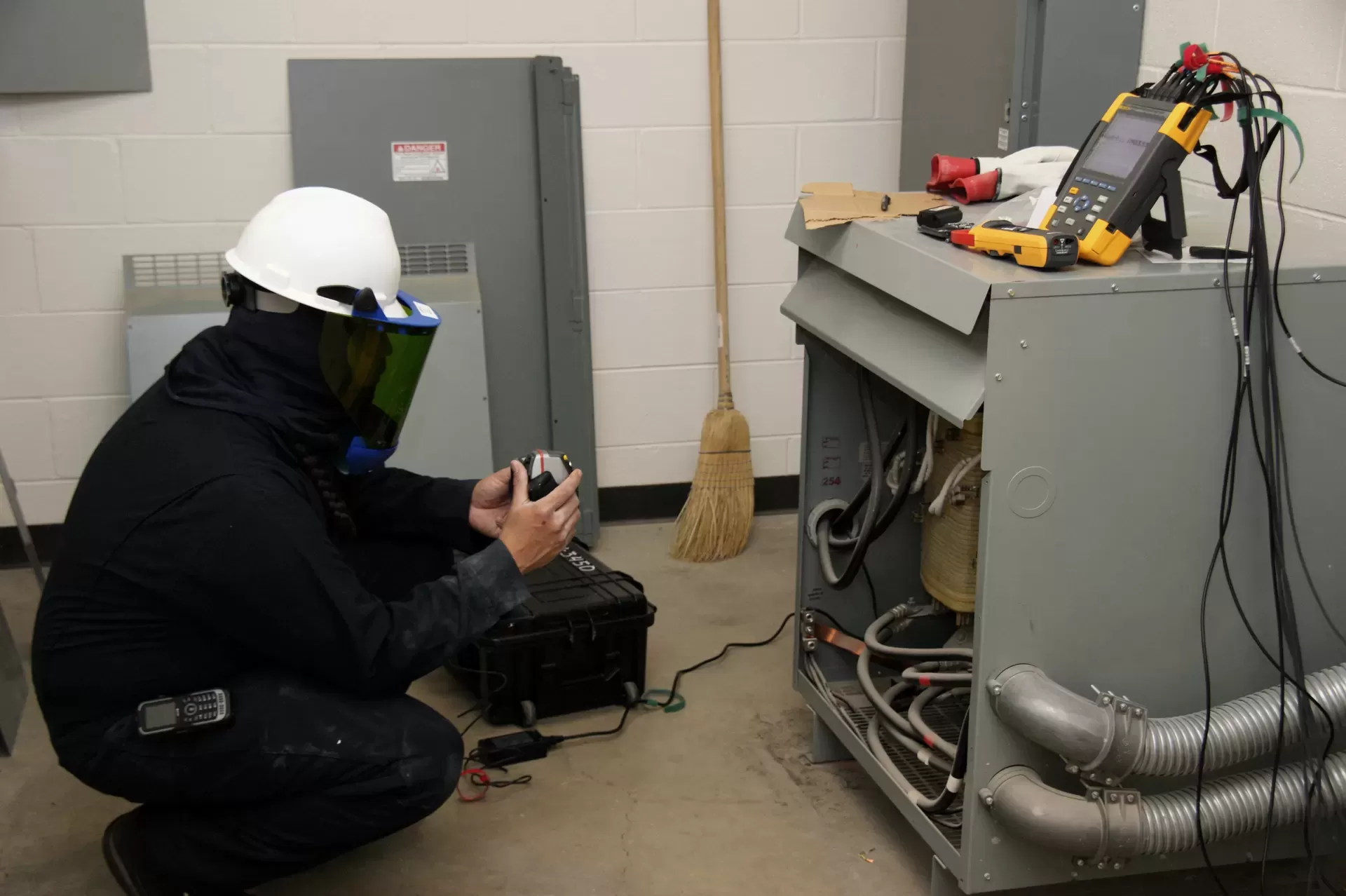
Industrial Thermography
Infrared surveys of energized plant distribution under production load.
Learn more
Questions
Frequently asked questions
Choosing a contractor
What should a manufacturing plant look for in an electrical contractor?
Look for a valid ESA/ECRA electrical contractor licence first, then safety prequalification and measured testing ability. A plant contractor should hold COR or an equivalent safety program, carry WSIB coverage and insurance, and be able to test breakers, motors and insulation rather than only replace parts. Ask for an example of the report format they leave after a visit.
Is KCS prequalified on ISNetworld, Avetta or ComplyWorks for plant work?
Yes. Our company records are approved on all three platforms, and IHSA has awarded KCS its Certificate of Recognition. That lets purchasing and EHS teams at larger manufacturers approve us through the system they already use, and we keep our documents current in each platform so site access is not held up.
Can an outside electrical contractor work alongside our in-house maintenance electricians?
Yes, and most of our plant clients work that way. Your team keeps day-to-day repairs, while we handle scheduled testing, thermography, outage maintenance and work that needs specialised test equipment. We follow your lockout and permit system, share findings with your maintenance lead, and can hand simple corrective items back to your staff.
Rules and safety
Does Ontario Regulation 851 apply to electrical maintenance in factories?
Yes. O. Reg. 851 covers industrial establishments, and sections 40 to 44.2 deal with electrical work. They require suitable, certified equipment, warning signs at rooms with exposed live parts, and disconnection, lockout and tagging before work on or near live exposed parts, with written procedures set by the employer.
Do we need an ESA notification for maintenance work in our plant?
ESA requires a notification for work on an electrical installation, and a licensed electrical contractor files it. Repairs to certified equipment by its manufacturer that do not touch branch circuit wiring may not need one. Large sites with frequent work can use ESA's Continuous Safety Services program instead of a notification per job.
Is NFPA 70B mandatory for manufacturing plants in Ontario?
No. NFPA 70B is an American consensus document without legal force here; Canada's own maintenance standard is CSA Z463. Many plants still adopt NFPA 70B through corporate engineering standards or insurer requirements, and we can follow either document when we build your program.
How often should a plant update its arc flash study and labels?
NFPA 70B calls for system studies, including incident energy analysis, at intervals not exceeding five years, and sooner after major changes. Adding a large machine, replacing a transformer or changing breaker settings can change incident energy, so the study and labels should be reviewed whenever the distribution changes.
Maintenance and testing
How often should a factory have an infrared scan of its electrical equipment?
NFPA 70B's 2023 interval table puts plant equipment in good shape on a yearly scan, while critical, harsh-environment or worn equipment moves to a six month cycle. Plants with dust, heat, vibration or tight production schedules often scan twice a year so that hot connections are found between shutdowns.
Can electrical maintenance be done without shutting down production lines?
Part of it can. Infrared scans, visual inspections and some online tests are done while equipment runs under load. Cleaning, torque checks, insulation resistance and breaker trip tests need the equipment de-energized and locked out, so we group those tasks into your planned shutdowns, holidays and changeovers.
What does an electrical maintenance report for a plant include?
Our reports list each piece of equipment by your ID, the tasks and tests done, measured values, photos and thermal images, the condition found, and a ranked list of corrective actions. Infrared findings are prioritized by temperature rise, so planners can separate items needing immediate repair from those that can wait for the next outage.
Which plant electrical equipment should be maintained first on a tight budget?
Start with the equipment whose failure stops the most production or creates the highest hazard: the main switchboard, MCCs feeding critical lines and transformers with no backup. An infrared survey of the whole system is a low-disruption way to find the urgent problems first, then outage maintenance can follow by priority.
Service and response
Does KCS offer emergency electrical response for manufacturing plants?
Emergency response is available to plants on a KCS maintenance contract. Contract clients get priority when a breaker, MCC or feeder fails between scheduled visits. Plants without a contract can book a standard visit through our Aurora office, and many start that way with a single infrared survey before deciding on a program.
Do you service manufacturing plants outside Toronto and the GTA?
Yes. Most of our plant work is in Toronto, Brampton, Vaughan, Mississauga and the rest of the GTA, and we also serve plants across Ontario, including Kitchener-Waterloo, Cambridge, Hamilton and Barrie. Multi-site manufacturers can use one program and one report format for every location.
Related services
Related services
Factory Electrical Maintenance
Factory electrical maintenance programs and shutdown work for GTA plants, built on CSA Z463 with condition-based intervals.
View serviceIndustrial Electrical Services
Industrial electricians for GTA plants: repairs, machine hookups, troubleshooting and shutdown work under a COR certified safety program.
View service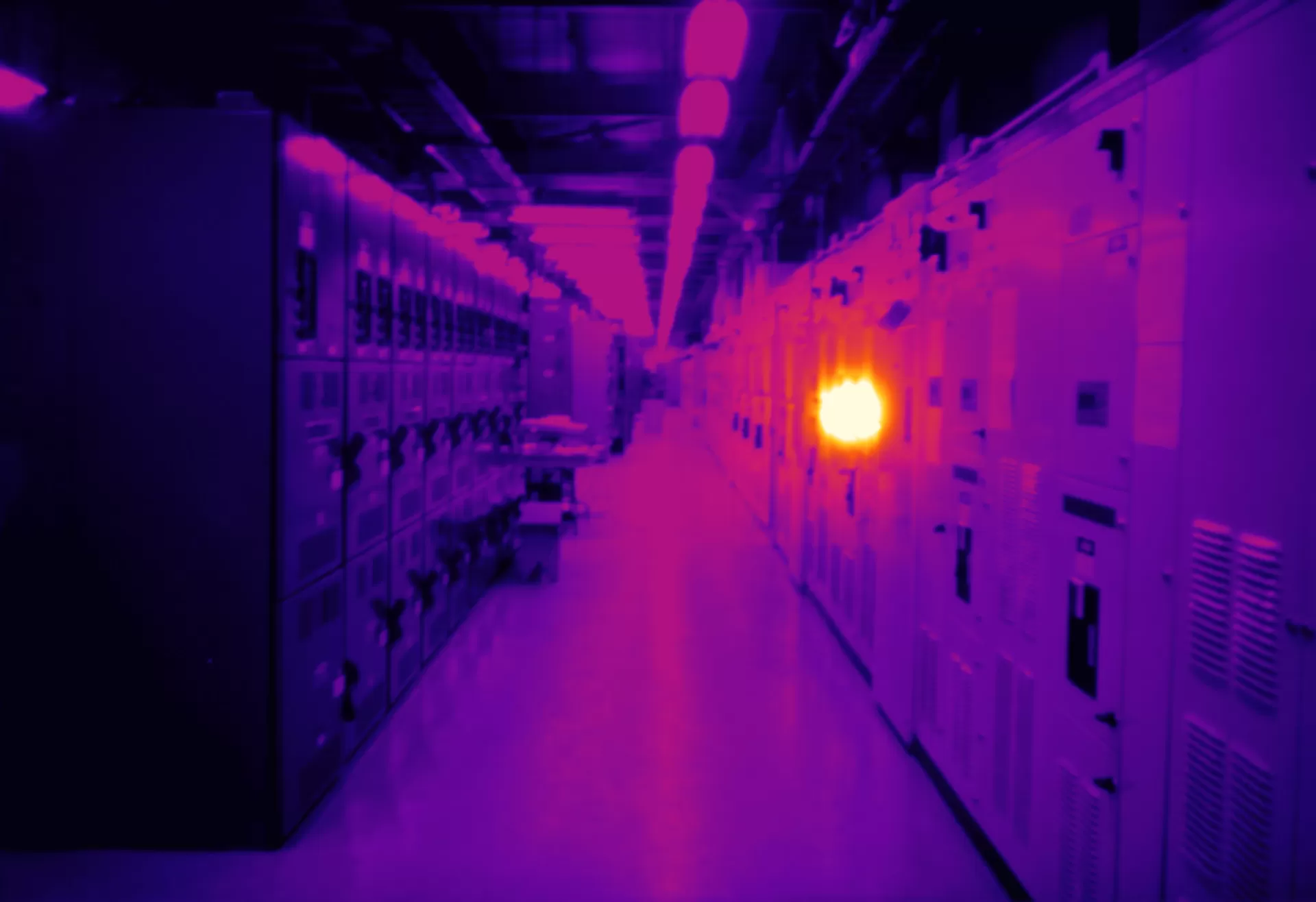
Industrial Plant Thermography
Thermographic surveys of manufacturing plants under production load, with trended findings, shutdown-ready work lists and licensed repairs.
View serviceMCC Maintenance
Motor control centre maintenance covering buckets, stabs, bus, starters and overloads, scheduled section by section so production keeps running.
View serviceMotor Electrical Testing
Insulation, winding and running tests on plant motors, trended over time so failing windings show up before a line stops.
View service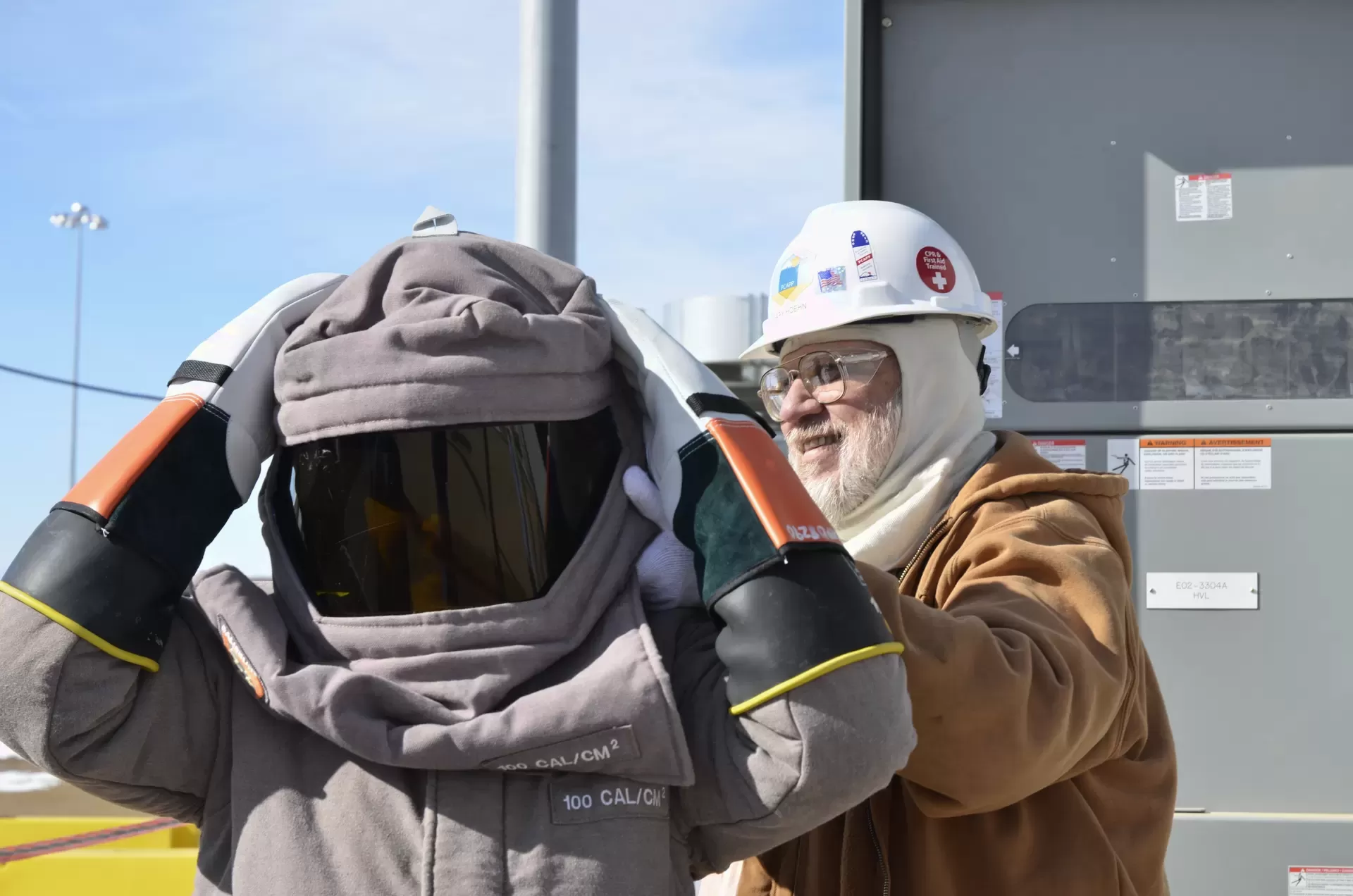
Arc Flash Study
Arc flash assessment, incident energy results and CSA Z462 arc flash labels so your electricians know the hazard at every piece of gear.
View service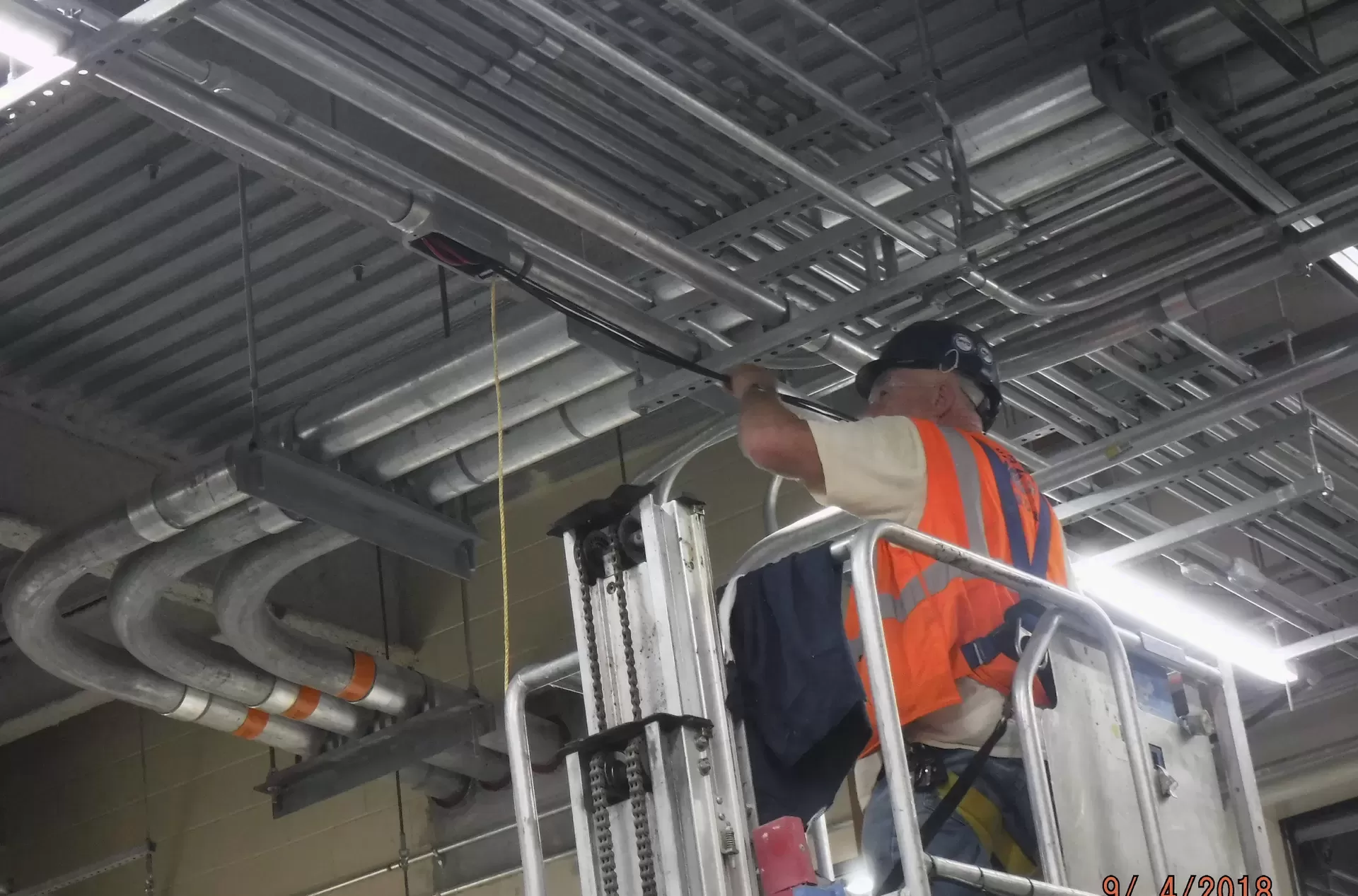
Request a callback
Plan your next electrical maintenance program with KCS
Tell us about the site and the equipment. A licensed electrician reviews it and calls you back.
- ESA/ECRA licence #7014042
- COR certified, ISNetworld, Avetta and ComplyWorks
- Work planned around shutdowns and tenant hours
- Emergency response for maintenance-contract clients
Send your request
We reply during business hours: Open daily, 9 a.m. to 9 p.m.