
Testing and reliability
Electrical Testing Services in Toronto & the GTA
Electrical testing services put numbers on the condition of your equipment: insulation strength, contact resistance, trip timing, transformer ratios and generator performance. KCS tests electrical equipment for plants, office and retail buildings and health care tenants throughout the GTA and records every value so you can see change over time.
- ESA/ECRA licence #7014042
- ESA/ECRA #7014042
- COR, ISNetworld, Avetta
- Insured, WSIB covered
Request a callback
A licensed electrical contractor calls you back, usually the same business day.
Updated Reviewed by KCS Group licensed electricians
What Electrical Testing Services Cover
Electrical testing is the use of calibrated instruments to measure how equipment performs against its rating, its manufacturer's data and its own past results. Where an inspection tells you something looks wrong, a test tells you how wrong, in ohms, seconds, ratios or percent.
We test the equipment that carries and controls power in a facility: low-voltage circuit breakers, including insulated-case and power breakers, protective relays, ground-fault protection, power cables, busway, transformers, motors and their starters, transfer switches and standby generators. Each test is chosen for what it can reveal on that piece of equipment, and recorded with the conditions on the day, such as temperature and humidity, that affect the reading.
Testing is one part of a wider program. It sits inside electrical preventive maintenance, follows up findings from an electrical inspection or infrared electrical inspection, and supplies the data that predictive maintenance depends on. It is also how new installations are proven before they are energized for the first time.
Our electricians carry out the tests and the corrective work as KCS Group staff (ESA/ECRA licence #7014042), so a failed result can be acted on without bringing in a second firm.
Online and Offline Testing: What Can Be Done Without a Shutdown
Some electrical tests are done with equipment running and some need it shut down. NFPA 70B, in its 2023 edition, groups them into four categories so owners can plan outages around them.
| NFPA 70B category | Equipment state | Examples of what it includes |
|---|---|---|
| Category 1 | Energized, standard | Thermal scan, visual check, load and voltage readings |
| Category 1A | Energized, enhanced | Additional online diagnostics such as power quality recording and extended load monitoring |
| Category 2 | De-energized, standard | Insulation resistance, contact resistance, breaker trip tests, torque checks |
| Category 2A | De-energized, enhanced | Deeper diagnostic tests chosen for critical or suspect equipment |
The categories describe the state of the equipment during the test; the examples are typical of each group rather than a quotation of the standard. In practice, energized work comes first: it is less disruptive, and it tells us which equipment deserves the limited time in a shutdown. Offline tests then go where they will tell you the most.
For energized switchboards and panels, a thermal scan under normal load is usually the most useful online test, because heat at a connection or breaker reveals a problem while the equipment is still in service. Those results help decide which sections to open first during the next outage.
Electrical Equipment Testing by Asset Type
The right test depends on the equipment. The table below lists the core tests we perform on each type of asset; manufacturer instructions and your program scope can add to it.
| Equipment | Core tests | What the results show |
|---|---|---|
| Low voltage power and molded-case breakers | Insulation resistance, contact resistance, trip testing by injection | Insulation health, contact wear, whether the breaker opens within its curve |
| Switchboards and low-voltage switchgear bus | Insulation resistance on the bus, bolted joint resistance and torque checks | Insulation condition and the quality of bus joints |
| Protective relays | Secondary injection and settings verification | Whether the relay picks up and trips at its settings |
| Transformers | Turns ratio on each tap, winding resistance, insulation resistance | Winding and tap condition, insulation health |
| Power cables | Insulation resistance, trended against earlier results | Insulation deterioration and moisture |
| Motors | Insulation resistance and polarization index, winding resistance balance | Winding insulation condition and connection problems |
| Ground-fault protection | Functional test by current injection | Whether the system trips on a ground fault as set |
| Generators and transfer switches | Load testing and transfer tests | Ability to carry load and transfer when utility power fails |
Detailed methods for the larger assets are on their own pages: switchgear maintenance, transformer testing and motor electrical testing.
Insulation Resistance Testing: Reading the Results
An insulation resistance test applies a steady DC voltage across insulation and measures the small current that leaks through, reported in megohms. A high, stable reading means sound insulation; a low or falling one points to moisture, contamination, heat damage or age.
One number on its own says little. Insulation resistance changes with temperature and humidity, so readings are corrected to a reference temperature and compared with three things: the manufacturer's minimum or the acceptance value in ANSI/NETA MTS, the other phases of the same equipment, and the same equipment's last test. A cable whose readings drop sharply from one year to the next deserves attention even if it is still above the minimum.
For motors and other windings we also take a polarization index: the ratio of the reading after ten minutes to the reading after one minute. Sound windings keep soaking up charge for the full ten minutes, so the figure keeps rising; damp or dirty windings stall early. IEEE 43 is the reference document for interpreting these values on rotating machines.
Test voltage is chosen for the equipment rating, so that the test stresses the insulation enough to be meaningful without damaging it. Equipment is isolated, locked out and verified dead before the test, and discharged afterwards, because insulation can hold a charge.
Testing Breakers, Relays and Ground-Fault Protection
Protective device testing confirms that breakers, relays and ground-fault systems will open the circuit when they should and only when they should. A breaker that trips slowly lets a fault do more damage and raises arc flash energy; one that trips early causes nuisance outages.
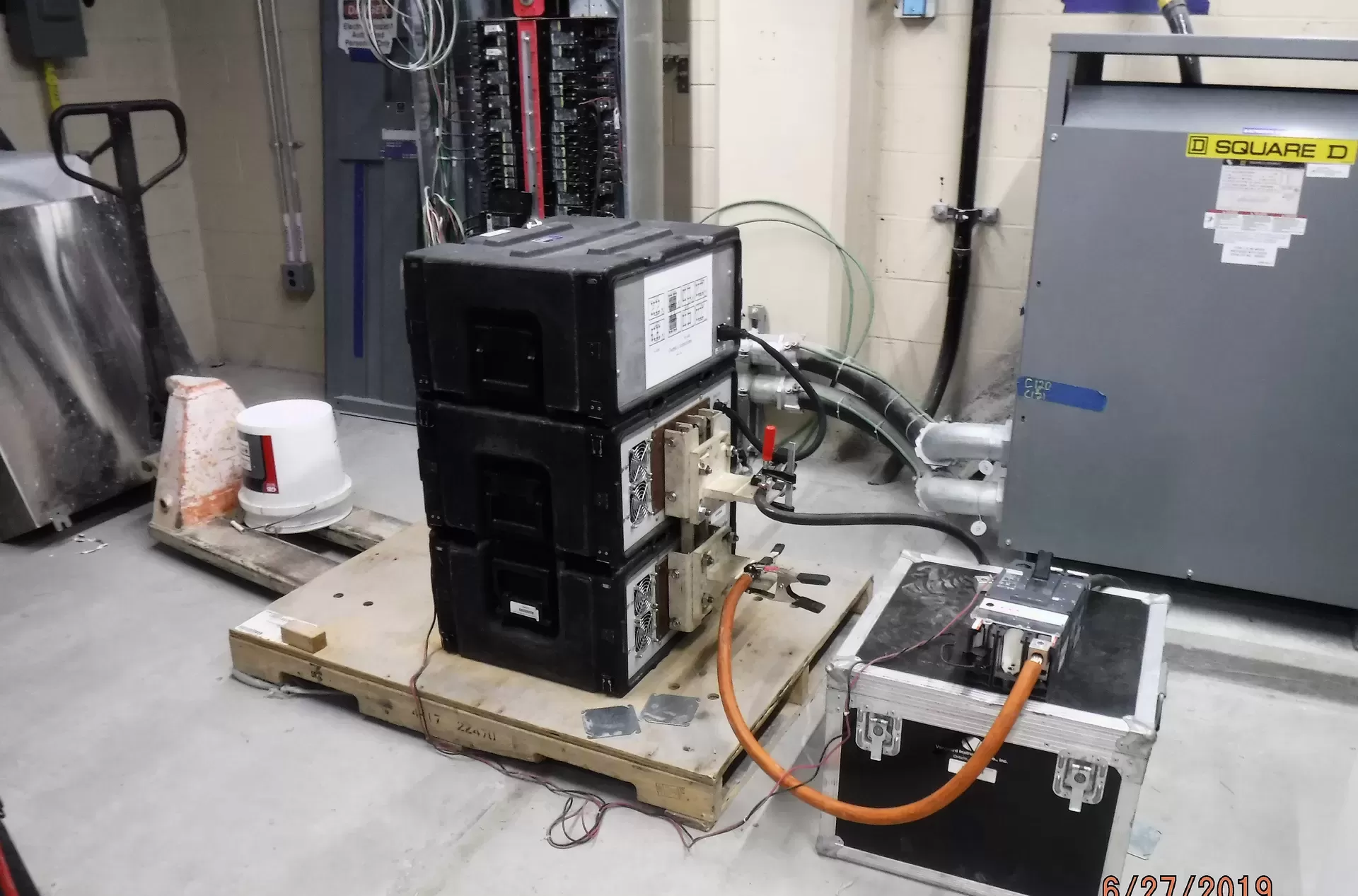
Breaker work combines injection testing of the trip function with micro-ohm readings across the closed contacts, comparing pole to pole. Which injection method suits each breaker, and how far to go, is set out on the dedicated breaker page. According to a summary of the 2023 edition of NFPA 70B, trip testing is optional for breakers rated 250 A or less, while electronic trip units should have all functions verified with the manufacturer's test set.
Relays are checked by injecting current and voltage and confirming pickup and timing against the settings in your coordination study. Ground-fault protection on large services is tested functionally to prove it trips the breaker it controls. Where settings do not match the study, or the study is out of date, we flag it, because device settings feed directly into your arc flash study and labels. More detail is on our circuit breaker testing page.
Generator and Emergency Power Testing in Ontario
Standby generators that serve emergency loads in Ontario buildings fall under CSA C282. Once a year the set has to prove it can carry its full rated load, and every check is written into a log book that stays with the generator. We run those load tests, exercise the transfer switch and record the readings.
ESA's position is set out in Bulletin 2-22-3. A visit that only inspects and tests to C282 is exempt from notification, load bank and all, provided the log book can be produced if ESA asks for it. The moment the job becomes a repair, or field devices and wiring are replaced or moved, a notification is needed, and we look after it. The Ontario Building Code points back to C282 for these generators.
Many buildings cannot put enough real load on their own generator to reach rated output, so we bring a portable load bank. Over the run we watch voltage, frequency and temperatures to see whether the set holds steady. The transfer switch test then confirms the building really does move to generator power when the utility drops out, and returns cleanly afterwards. In health care facilities, the Canadian Electrical Code makes CSA Z32 mandatory for emergency generators, which matters for medical clinics with essential loads.
Industrial Electrical Testing to ANSI/NETA Specifications and CSA Z463
Industrial electrical testing in Ontario is usually specified in one of three ways: by the manufacturer's instructions, by CSA Z463 as part of a maintenance program, or by the ANSI/NETA specifications, which we test to and which owners and engineers often name in contracts.
NETA, the InterNational Electrical Testing Association, is an ANSI-accredited standards developer with two main testing documents. ANSI/NETA MTS, the Maintenance Testing Specifications (2023 edition), covers periodic tests on equipment in service. ANSI/NETA ATS, the Acceptance Testing Specifications (2025 edition), covers tests on new equipment before it is energized. A third, ANSI/NETA ECS (2024 edition), covers commissioning of a complete electrical system and became an American National Standard on July 2, 2024. Both describe what to inspect, which tests to run and what results are acceptable. They are US consensus documents, not Ontario law, but they are widely used by engineers and insurers as a common language for test scope.
On the Canadian side, CSA Z463 governs maintenance, and the 2024 revision turned many earlier recommendations into requirements. In Ontario, the binding rules for the work itself remain the Ontario Electrical Safety Code and OHSA Regulation 851. When your specification names a particular ANSI/NETA edition, NFPA 70B or a corporate standard, we follow it and state in the report which document each test was performed to. Our reports also state which thermographer, and at what certification level, did any infrared work.
How We Test Safely and Around Your Operation
Most electrical tests are done on equipment that has been isolated, locked out, tagged and verified dead, following Ontario Regulation 851 and CSA Z462. Energized measurements are limited to those that need the equipment in service, done by qualified electricians in the right PPE.
Section 42 of Regulation 851 is the baseline: isolate, lock and tag under the employer's written procedure before anyone touches or approaches exposed live parts. Where isolation is not practical, workers rely on insulating gear and set procedures instead, and from 300 V nominal upward the regulation wants a rescue-capable person within sight of the worker, although equipment testing and troubleshooting are carved out of that particular duty. CSA Z462:24 adds that absence of voltage is verified at each point of work. We follow your site lockout program as well as our own.
We slot the de-energized tests into whatever outage you can offer: holiday weekends and planned stops for plants, evenings and weekends for commercial buildings, and after patient hours for clinics. We plan the switching sequence and test order in advance so the outage is no longer than it needs to be.
Turning Test Results Into Electrical Reliability
Test results are only useful if they lead to decisions. Our electrical reliability services start with a report that shows each value against its limit and its history, so you can see which equipment is stable, which is drifting and which needs work now.
- each test, the method and the document it was performed to
- measured values, corrected where temperature matters, with pass, watch or fail status
- comparison with the previous test on the same equipment
- recommended repairs, retests or replacements, with priority
- equipment that could not be tested and why
Over several cycles these results become the basis for electrical asset management and for adjusting maintenance intervals. We test for clients across Toronto and the GTA, including the industrial parks of Brampton, Vaughan and Hamilton, and travel throughout Ontario for multi-site programs.
Testing by equipment
Dedicated testing pages
Circuit breaker testing
Injection, contact resistance and trip timing on molded-case, insulated-case and power breakers.
Learn more
Switchgear maintenance
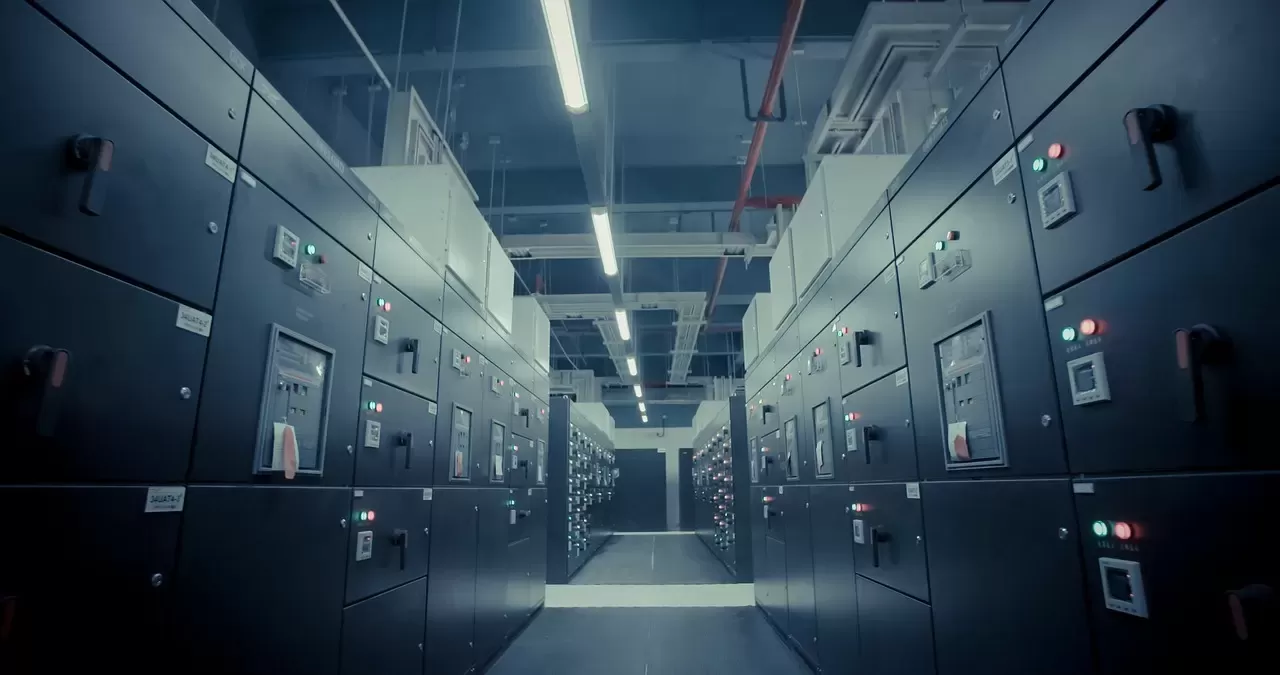
Testing and servicing of low-voltage switchgear and switchboard lineups.
Learn moreA test visit
How a testing outage runs
Plan the outage
We agree the switching order, lockout points, test list and the person who authorizes power back on.
Isolate and verify
Equipment is locked out, tagged and confirmed dead at each point of work before any test lead goes on.
Test and correct
Tests run in a set order; simple faults are corrected on the spot with your approval.
Restore and report
Equipment is returned to service and checked, then results are reported against limits and history.
New installations
Acceptance testing before first energization
New switchgear, transformers and feeders should be tested before they carry load for the first time. Acceptance testing confirms that the equipment arrived undamaged, was installed correctly and is set as designed, and it gives you a baseline for every future maintenance test. We perform it to the project specification, or otherwise to ANSI/NETA ATS (2025 edition). Where a whole system starts up together, ANSI/NETA ECS sets out the commissioning sequence. Related: industrial electrical services.
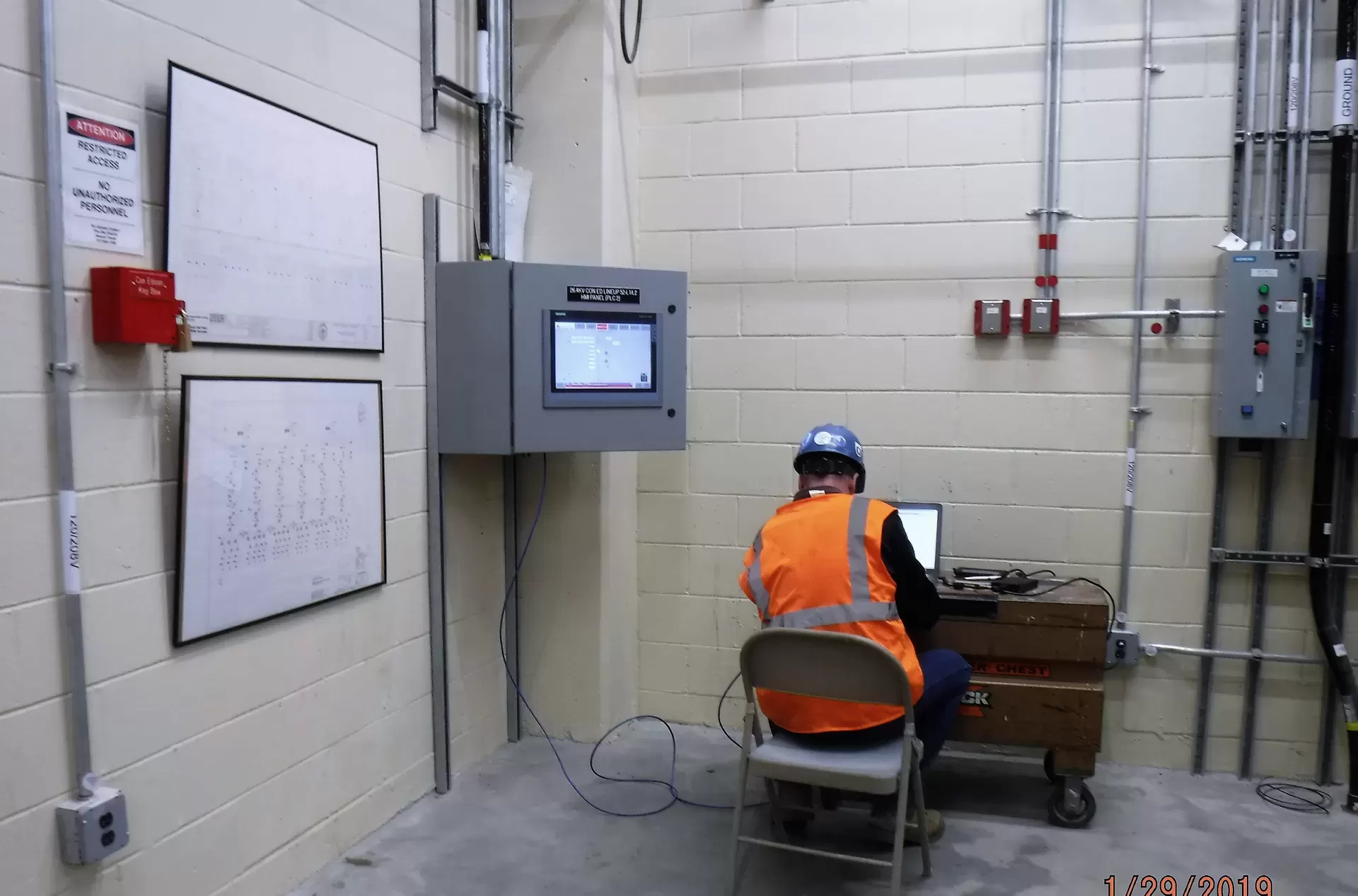
Questions
Frequently asked questions
Test types
What electrical tests are usually done on commercial distribution equipment?
The common ones are insulation resistance on cables, bus and breakers; contact resistance on breakers and switches; trip testing of breakers by injection; relay and ground-fault protection tests; transformer turns ratio and winding resistance; and generator load tests. A thermal scan is usually done beforehand on energized equipment to show where testing is most needed. The exact list depends on the equipment and your program.
Is there a fixed list of mandatory electrical tests in Ontario?
No single list applies to every existing facility. New work must meet the Ontario Electrical Safety Code, emergency generators are tested under CSA C282, and other testing is driven by manufacturer instructions, CSA Z463, insurer requirements or a contract specification such as ANSI/NETA MTS. We help you build a test list that fits your equipment and obligations instead of a generic checklist.
Insulation testing
Can you test insulation resistance with an ordinary multimeter?
No. A multimeter's resistance range uses a very low voltage that does not stress insulation, so it can show a high reading on insulation that would break down under operating voltage. Insulation resistance testing uses a dedicated instrument that applies a test voltage suited to the equipment rating. That instrument must be used on isolated, locked out equipment, and the equipment discharged afterwards.
Planning and cost
What should our team prepare before an electrical testing shutdown?
Have a current single-line diagram, the latest arc flash study and labels, previous test reports, and manufacturer manuals for the main equipment if you have them. Agree the outage window, which loads must stay on or move to temporary power, who holds the lockout keys, and who signs off on re-energizing. A short walk-through a week before the outage avoids most surprises on the night.
Using results
Why compare this year's electrical test results with earlier ones?
Because the change matters more than the single value. Insulation, contacts and connections usually deteriorate gradually, so a reading that is still within limits but well below last year's tells you a problem is developing. Trending also justifies longer intervals on equipment that stays stable. That is why our reports show each result beside its previous value.
What are electrical reliability services, and how do they differ from testing?
Testing produces measurements on a given day. Electrical reliability services use those measurements, together with thermal scans, inspections and failure history, to decide what to fix, what to watch and how often to service each asset. In practice it means a planned program with trended results and ranked recommendations, rather than a stack of separate test reports.
Test types
Which electrical tests can be done while equipment stays energized?
Thermal scans, visual inspection, load and voltage readings, and power quality recording are all done in service. These fall in the online categories of NFPA 70B. Tests that apply voltage or current to the equipment itself, for example a megohm reading or a breaker trip check, can only start once it is isolated and locked.
Should equipment be tested after water or fire in an electrical room?
Yes, before it is put back into service where possible. Water and smoke can leave moisture and conductive residue on insulation that a visual check will not reveal. Insulation resistance testing of the affected equipment, together with cleaning and inspection, shows whether it can be safely re-energized or needs drying, repair or replacement. Follow the manufacturer's guidance for water-damaged equipment.
Generators
How often should a standby generator be load tested in Ontario?
CSA C282, which applies to emergency generators in Ontario buildings, asks for a yearly test at full rated load, staff trained to run the set, and a log book kept with the generator for every result. Facilities whose building load is too small to load the generator fully use a portable load bank for the annual test.
Does generator load testing need an ESA notification?
Not when the visit is purely a C282 test. Under ESA Bulletin 2-22-3, a test visit (load bank included) is exempt, on the condition that ESA can see the generator's C282 log whenever it asks. If the visit turns into fixing, replacing or moving devices or wiring in the field, a notification is required, and as the licensed contractor we file it.
What does a load bank do during a generator test?
A load bank is a portable bank of resistive elements that draws a controlled electrical load from the generator. It lets the set run at its rated output when the building cannot supply enough load, so the test shows whether the engine and alternator can carry full load, hold voltage and frequency, and run at temperature.
Standards
What is the difference between ANSI/NETA MTS and ATS testing?
ANSI/NETA ATS (2025 edition) covers tests on new equipment before it is energized for the first time. ANSI/NETA MTS (2023 edition) covers periodic tests on equipment already in service. Both set out what to inspect, which tests to perform and what results are acceptable. ANSI/NETA ECS adds commissioning of a whole system at start-up. These are US consensus documents rather than Ontario law, and we test to MTS and ATS on our own work.
Which NFPA 70B test categories need the equipment shut down?
NFPA 70B groups tests into Category 1 and 1A, done with equipment energized, and Category 2 and 2A, done with equipment de-energized. The standard and enhanced versions differ in depth. Thermal scans and visual checks fall in the online group; insulation resistance, contact resistance and breaker trip tests normally need a shutdown and lockout.
Planning and cost
How long does an electrical testing outage take?
Outage length follows the asset count, the way the system splits into sections and how many crews can work at once. A small building's main switchboard may be done within a single evening; a plant's main switchgear lineup with several breakers, a transformer and relays needs longer. We plan the test order and crew size in advance to keep the outage as short as practical.
What affects the cost of electrical equipment testing?
The number and type of assets, which tests are required, whether work is after hours, how many outages are needed, and the report format. Large power breakers and specialized tests such as relay testing take more time than routine panel tests. We quote after reviewing your single-line diagram and test specification, with a clear test list for each asset.
Do you test new electrical installations before they are energized?
Yes. Acceptance testing of new switchgear, transformers, cables and protective devices confirms they were not damaged in transit, were installed correctly and are set as designed. The results also become the baseline for all future maintenance tests. We test to the project specification, which is often ANSI/NETA ATS, and report each result against its acceptance limit.
What happens when equipment fails an electrical test?
We tell you on site and record the result with the method, conditions and value. Some failures, such as a loose connection or a dirty contact, can be corrected and retested during the same outage with your approval. Others need parts, a manufacturer or a planned replacement, and we quote and schedule them. Our licensed electricians carry out the repairs and retest before closing the item.
Related services
Related services
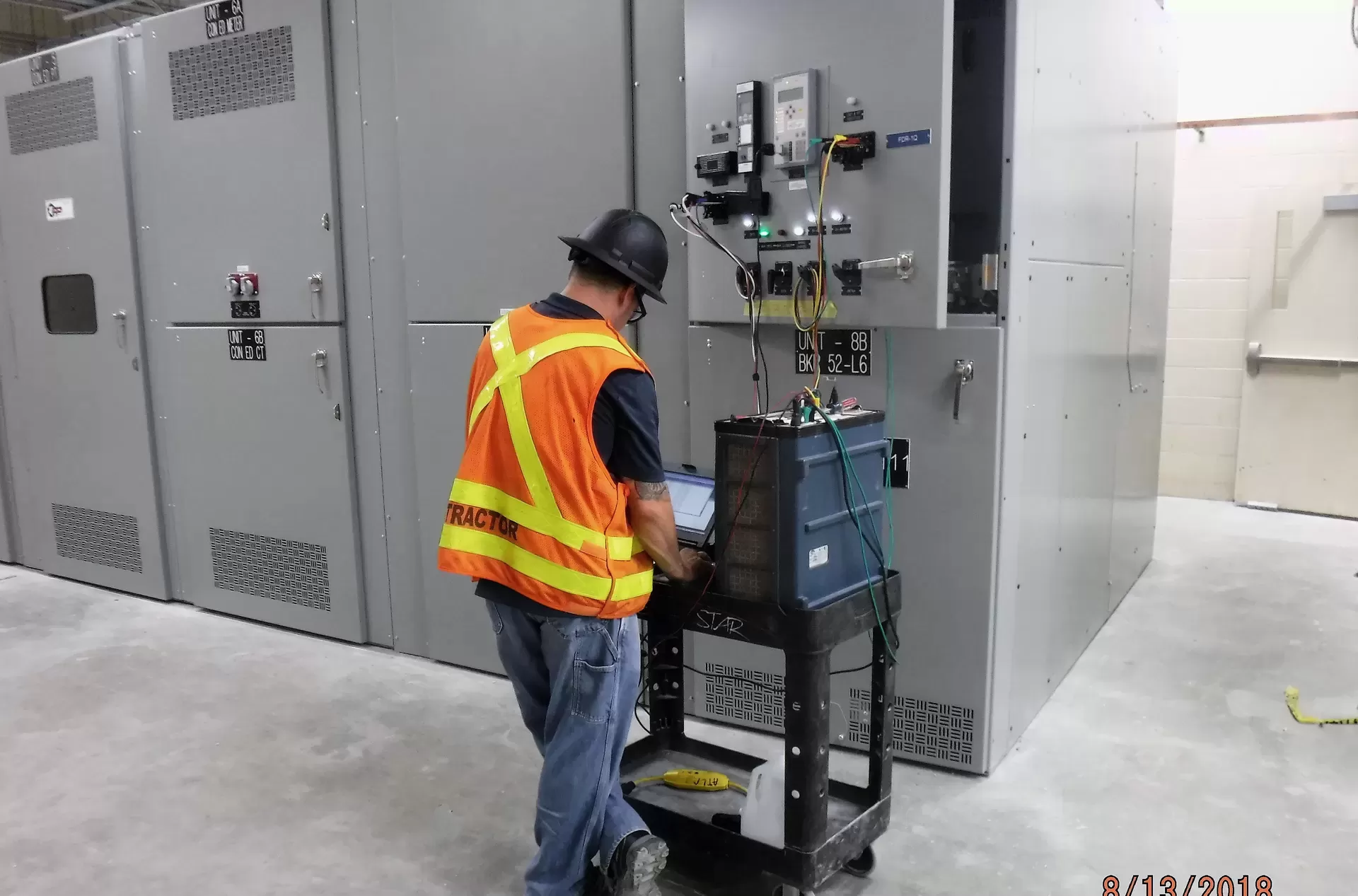
Electrical Preventive Maintenance
A written program of scans, cleaning, tightening and tests for switchgear, panels and transformers, aligned with CSA Z463 and NFPA 70B.
View service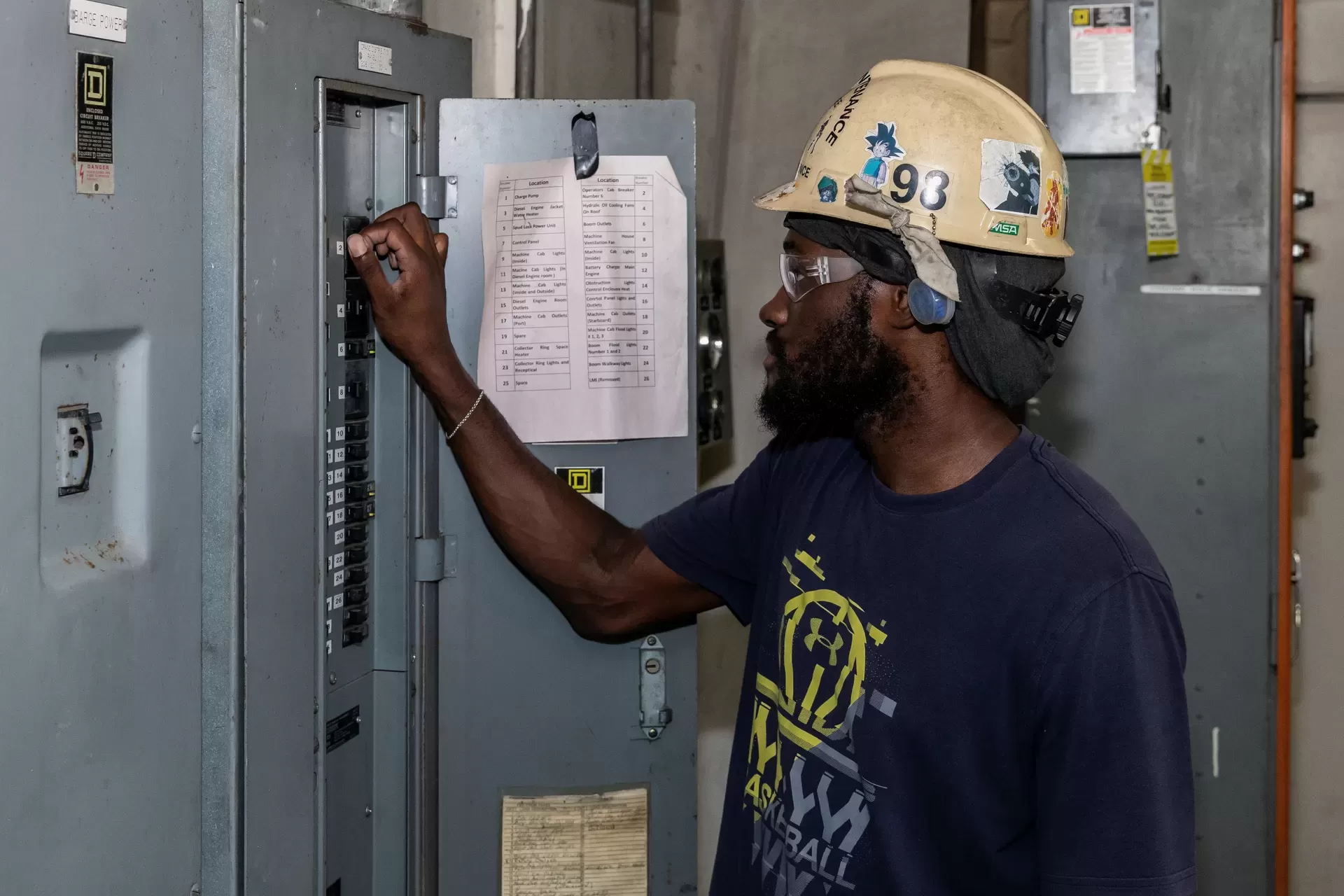
Electrical Inspection Services
Commercial and industrial electrical inspections and safety audits that rank every finding and point to the fix.
View serviceCircuit Breaker Testing
Trip, timing, contact resistance and mechanism checks that prove each breaker will open when a fault demands it, from 15 A branch breakers to drawout power breakers.
View serviceTransformer Testing
Ratio, winding, insulation and thermal checks on customer-owned dry-type transformers, with results trended visit to visit.
View service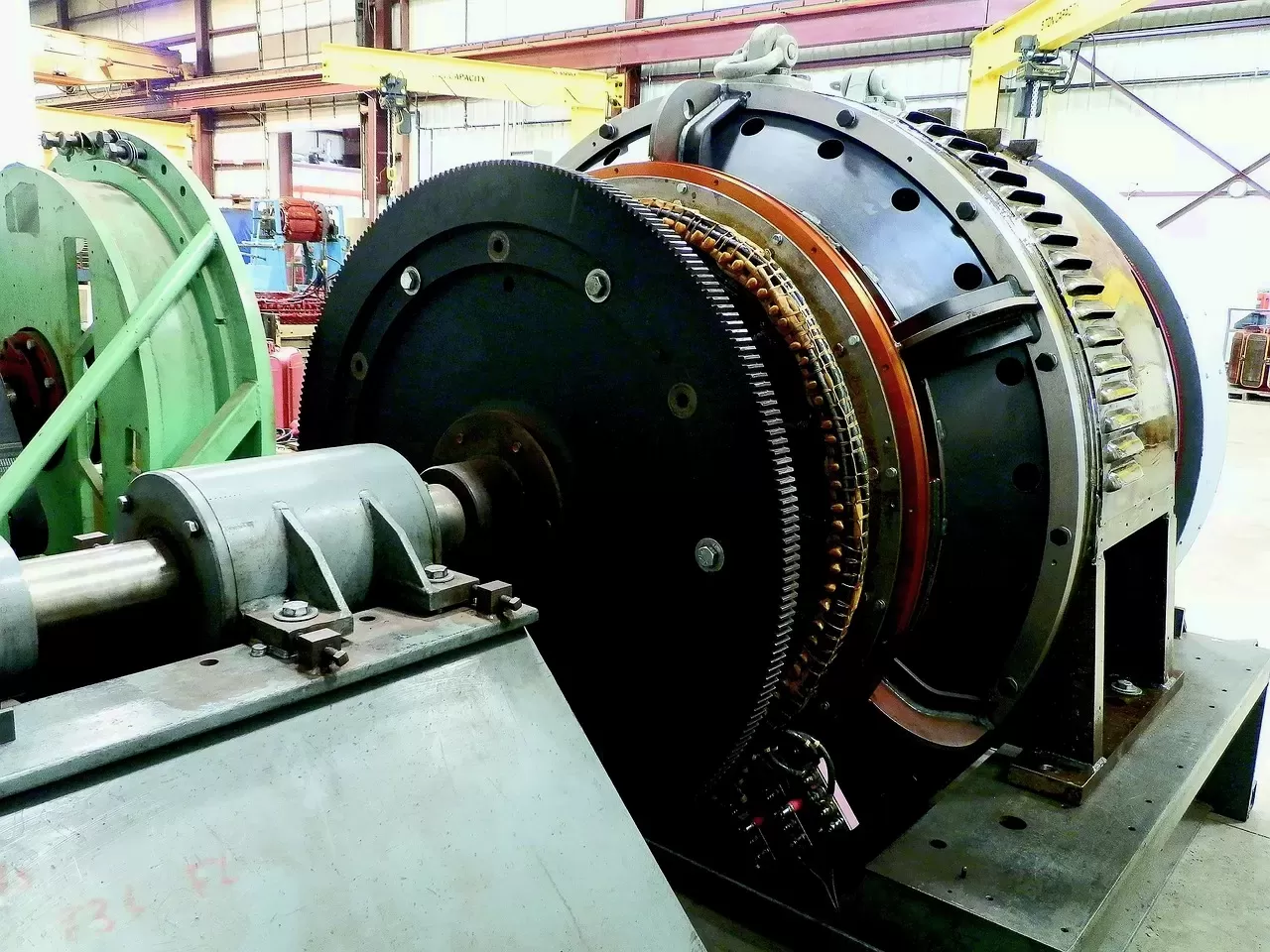
Motor Electrical Testing
Insulation, winding and running tests on plant motors, trended over time so failing windings show up before a line stops.
View servicePredictive Electrical Maintenance
Condition monitoring and trended test data that show which electrical equipment is degrading, so repairs happen before a failure.
View serviceRequest a callback
Plan your next electrical maintenance program with KCS
Tell us about the site and the equipment. A licensed electrician reviews it and calls you back.
- ESA/ECRA licence #7014042
- COR certified, ISNetworld, Avetta and ComplyWorks
- Work planned around shutdowns and tenant hours
- Emergency response for maintenance-contract clients
Send your request
We reply during business hours: Open daily, 9 a.m. to 9 p.m.