
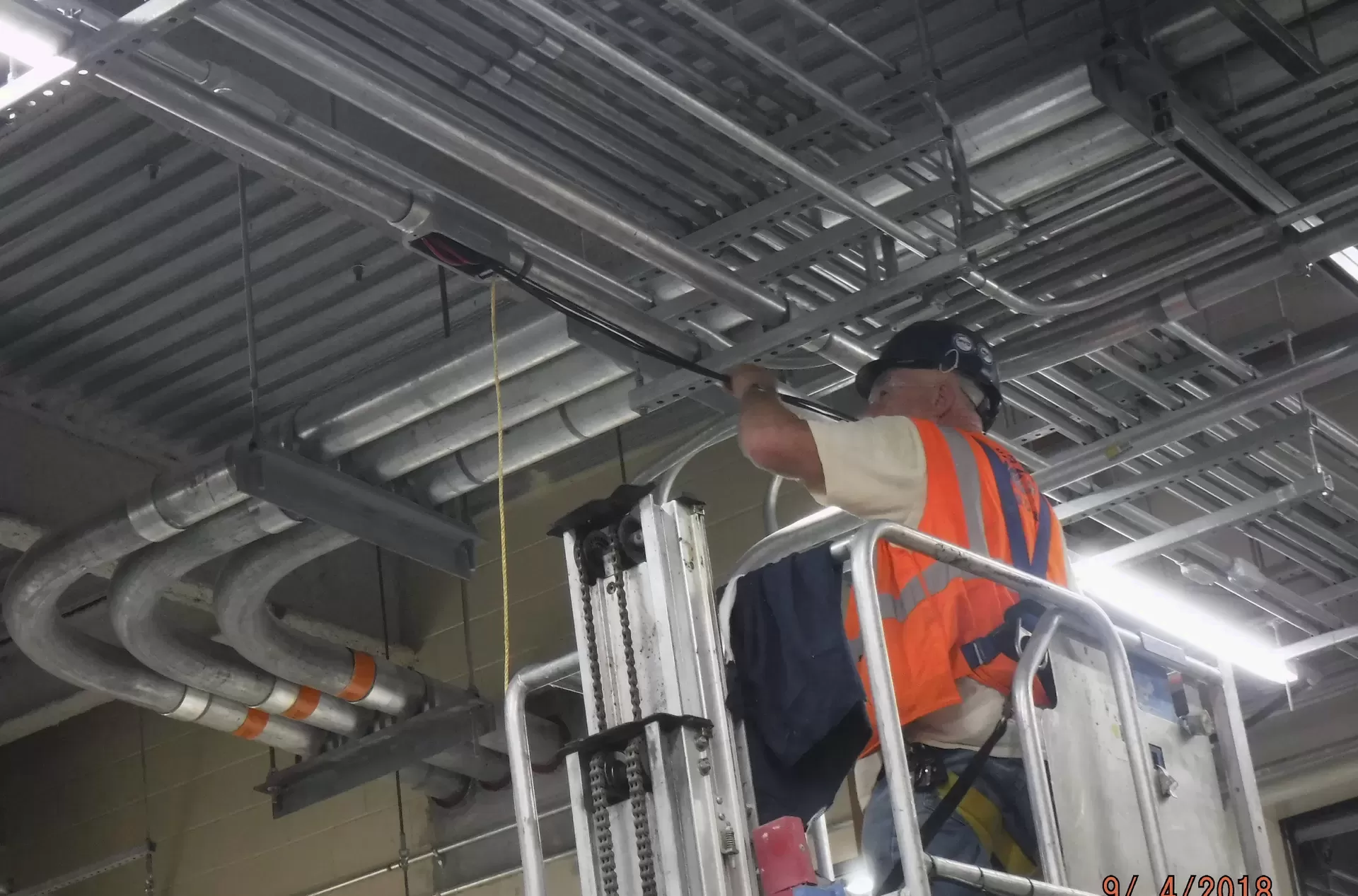
Condition-based electrical reliability
Predictive Electrical Maintenance for Toronto & GTA Facilities
Predictive electrical maintenance uses measured condition, not the calendar alone, to decide when your switchgear, transformers, motors and panels need attention. KCS combines electrical thermography, trended test results and online monitoring for plants and buildings in Toronto, the surrounding GTA and the rest of the province.
- ESA/ECRA #7014042
- Level II thermographers
- COR certified (IHSA)
- ISNetworld, Avetta, ComplyWorks
Request a callback
A licensed electrical contractor calls you back, usually the same business day.
Updated Reviewed by KCS Group licensed electricians
What Is Predictive Electrical Maintenance?
Predictive electrical maintenance is a program that measures the actual condition of electrical equipment and acts on the trend, so work is scheduled when the data shows degradation instead of on a fixed date. The goal is electrical failure prevention: catching a loose bus joint, weakening insulation or a sticky breaker mechanism while it is still a planned repair.
Every electrical fault that ends in a trip, a fire or an arc flash usually starts as a small physical change. A bolted connection loosens and heats. Insulation absorbs moisture and its resistance drops. A breaker's lubricant hardens and its opening time drifts. None of these show up on a walk-by, but each one leaves a measurable signature: heat, falling megohm readings, rising contact resistance, harmonic heating or a change in trip timing.
Predictive maintenance captures those signatures on a schedule, compares them with the last reading and with similar equipment, and flags the assets whose numbers are moving the wrong way. It does not replace basic cleaning and tightening. It tells you where that effort matters most.
At KCS, the same licensed crew that collects the data also carries out the repairs it points to, then measures again to confirm the fix. That closed loop is what turns readings into fewer unplanned outages.
Predictive vs Preventive vs Run to Failure
Preventive maintenance works from fixed intervals, predictive maintenance works from measured condition, and run to failure accepts the outage when something breaks. Most facilities need a blend: electrical preventive maintenance as the base, with predictive techniques focused on the equipment whose failure would stop production or tenants.
| Approach | What triggers work | Where it fits | Main weakness |
|---|---|---|---|
| Run to failure | The equipment fails | Low-cost, non-critical loads with spares on the shelf | Unplanned downtime and higher fire and arc flash risk |
| Preventive (time-based) | The calendar | All distribution equipment as a baseline | Some work is done too early, some too late |
| Predictive (condition-based) | A measured change in condition | Critical switchgear, transformers, MCCs, large motors | Needs consistent data collection and trending |
The predictive approach is sometimes called predictive maintenance electrical programs or electrical reliability maintenance. Whatever the label, the test is simple: can you show, with numbers, why a piece of equipment was serviced when it was?
Electrical Condition Monitoring Techniques We Use
Electrical condition monitoring combines energized (online) checks that run while equipment carries load with de-energized (offline) tests done during a planned shutdown. Each technique finds a different failure mode, so a sound program uses several.
| Technique | What it detects | Online or offline |
|---|---|---|
| Electrical thermography | Loose or corroded connections, overloads, phase imbalance | Online, under load |
| Power quality and load logging | Harmonics, voltage imbalance and load peaks on feeders, drives and UPS circuits | Online |
| Insulation resistance and polarization index | Moisture, contamination and ageing of cable, motor and transformer insulation | Offline |
| Contact resistance (micro-ohm) | Worn or pitted breaker contacts and high-resistance bus joints | Offline |
| Breaker trip and timing tests | Trip units and mechanisms that no longer operate as set | Offline |
| Ground-fault protection testing | Ground-fault sensors and relays that fail to respond at their settings | Offline |
Power quality logging. A recorder left on a main or feeder for a week or more captures harmonic distortion, voltage imbalance and load peaks that a single walk-through reading misses. Drives, UPS units and large motor loads are the usual sources. We use the logged data as an early warning that tells us where to look during the next outage.
Insulation trending. A single insulation resistance number says little. A series of readings taken at similar temperature, year after year, shows whether a motor winding or feeder is drying out, absorbing moisture or heading toward failure. Details of these offline tests are on our electrical testing services and motor electrical testing pages.
Breakers and transformers. Trip timing and contact resistance results for circuit breaker testing and insulation results from transformer testing are stored against each asset so the next set can be compared line by line.
How Trending Turns Readings Into Electrical Failure Prevention
A reading becomes useful when it is compared with a baseline, with sister equipment under similar load, and with the last survey. That comparison is what separates a stable asset from one that is degrading.
For thermal findings, we grade each hot spot with the suggested-action bands in ANSI/NETA MTS, which compare a connection with its sister phases and with room air. The smallest differences go on a watch list; the largest, measured in tens of degrees, move straight to the repair list. What makes the predictive approach different is the second and third survey: a joint that was a few degrees warm last year and is now well above its neighbours is a stronger signal than any single image. Since resistive heating climbs with the square of current, every image is stored with the load reading taken at that moment.
For insulation, the polarization index (the 10-minute reading divided by the 1-minute reading) is a common indicator: a falling index on the same winding over several tests matters more than one value on its own. For breakers, a pole whose contact resistance has climbed well above its neighbours is flagged for inspection, even if no single published limit has been crossed.
We build a simple asset register with each reading dated, the load or temperature noted, and the trend plotted. When a value moves, the report says so in plain words and ranks it against everything else on site.
Standards Behind a Condition-Based Electrical Program
In Ontario, the binding rules for electrical work are the Ontario Electrical Safety Code (O. Reg. 164/99) and, for industrial establishments, the electrical sections of O. Reg. 851 under the Occupational Health and Safety Act. CSA Z463 sets the national maintenance requirements for electrical equipment in Canada, and NFPA 70B is often written into insurance and corporate contracts. ANSI/NETA MTS (2023 edition), which includes infrared inspection among its maintenance tasks, is the specification we test to, so each trended reading is taken the same way every time.
NFPA 70B sets maintenance frequency from an equipment condition assessment that looks at three factors: how worn the equipment is, how much depends on it, and how harsh its surroundings are, and the least favourable of those three ratings sets the interval. Reported changes in recent editions recognise continuous monitoring and predictive techniques as inputs to those intervals, which is exactly how a predictive program is built.
As a reference point, the 2023 edition's interval table lists electrical thermography of all equipment at 12, 12 and 6 months for condition ratings 1, 2 and 3, and cleaning, mechanical servicing and electrical testing of most distribution equipment at 60, 36 and 12 months. Predictive data is what justifies moving an asset from one condition rating to another. How we turn those ratings into a long-term plan is covered on our electrical asset management page.
NFPA 70B and ANSI/NETA documents are US consensus standards. In Ontario they apply when your insurer, owner or contract requires them; the OESC, O. Reg. 851 and ESA licensing rules always apply.
Which Facilities Benefit, and When It Is Not Worth It
Predictive maintenance pays off where an electrical failure is expensive: continuous production lines, cold storage, food processing, data rooms, medical office buildings and large multi-tenant properties. It is less useful for small panels feeding non-critical loads, where a yearly scan and visual check are enough.
Signs that your site is a good candidate:
- An unplanned outage costs more than a full day of maintenance.
- You run large main switchboards, low voltage switchgear or motor control centres.
- Your insurer or head office asks for documented thermography or testing.
- Equipment is older, or its maintenance history is unknown.
- The same feeder or motor has tripped more than once in a year.
When it is not worth it: if your electrical rooms have never had a baseline inspection, start with preventive maintenance and a first thermographic survey. Trending needs a starting point. We will tell you plainly if a predictive layer would add cost without adding information.
Plants usually pair this work with factory electrical maintenance; property managers pair it with commercial electrical maintenance for base building and tenant equipment.
Collecting Condition Data Without Stopping Production
Most predictive data is collected with equipment running, so production and tenants see no interruption. Offline tests are grouped into the shutdowns you already plan.
NFPA 70B describes four test categories: online standard, online enhanced, offline standard and offline enhanced. We map each asset to the category that suits it, then build a calendar around your shift pattern, seasonal peaks and planned outages. Thermographic surveys and power quality logging happen during normal operation, ideally at typical load. Insulation, contact resistance and trip tests wait for the next window, with the asset list and test sheets prepared in advance so the outage is as short as possible.
All energized work follows O. Reg. 851 and our written safe work procedures, including lockout for any offline task. Where enclosures are opened frequently for scanning, infrared windows can let thermographers view connections without removing covers, though the energy inside the enclosure stays exactly the same.
What a Predictive Maintenance Report Contains
Each visit ends with a written report that ranks findings by urgency and shows the data behind each one. We describe it here rather than publish a sample, because every report is built around your asset list.
- Asset register with location, rating and the condition score assigned.
- Thermal and visual images for every exception, with load and ambient temperature recorded.
- Test values for this visit beside previous visits, so the trend is visible.
- A ranked repair list: immediate, next shutdown, monitor.
- Recommended next interval for each asset, with the reason.
- Notes on safety items found along the way, such as missing labels or blocked access.
Repairs can be booked with the same crew, and the affected asset is re-measured afterwards so the report closes with a verified result. Reports are kept in a consistent format from year to year, which makes them easy to hand to an auditor, an insurer's risk engineer or a new facilities manager who needs the history of a particular feeder.
Predictive Maintenance Service Across the GTA and Ontario
KCS is based in Aurora and serves facilities across Ontario. Our crews regularly work in the industrial parks of Mississauga, Vaughan and Toronto, as well as commercial buildings across York Region.
We hold ESA/ECRA licence #7014042, COR certification from IHSA, and prequalification on ISNetworld, Avetta and ComplyWorks, so procurement teams can onboard us without extra paperwork. Clients under a KCS maintenance contract also have access to emergency response. To start, request a callback and have your single-line diagram or equipment list ready if you have one.
How a program starts
From baseline to a condition-based schedule
Asset survey
We list every switchboard, MCC, transformer and large motor, with ratings, age and how critical each one is to your operation.
Baseline readings
Thermal images, insulation values and breaker results establish the starting point every later reading is compared with.
Trend and rank
Each visit adds a data point. Assets that change are flagged, ranked and explained in plain language.
Repair and confirm
Our licensed electricians fix the findings, then re-measure so you have proof the problem is gone.
Related services
Where predictive data comes from
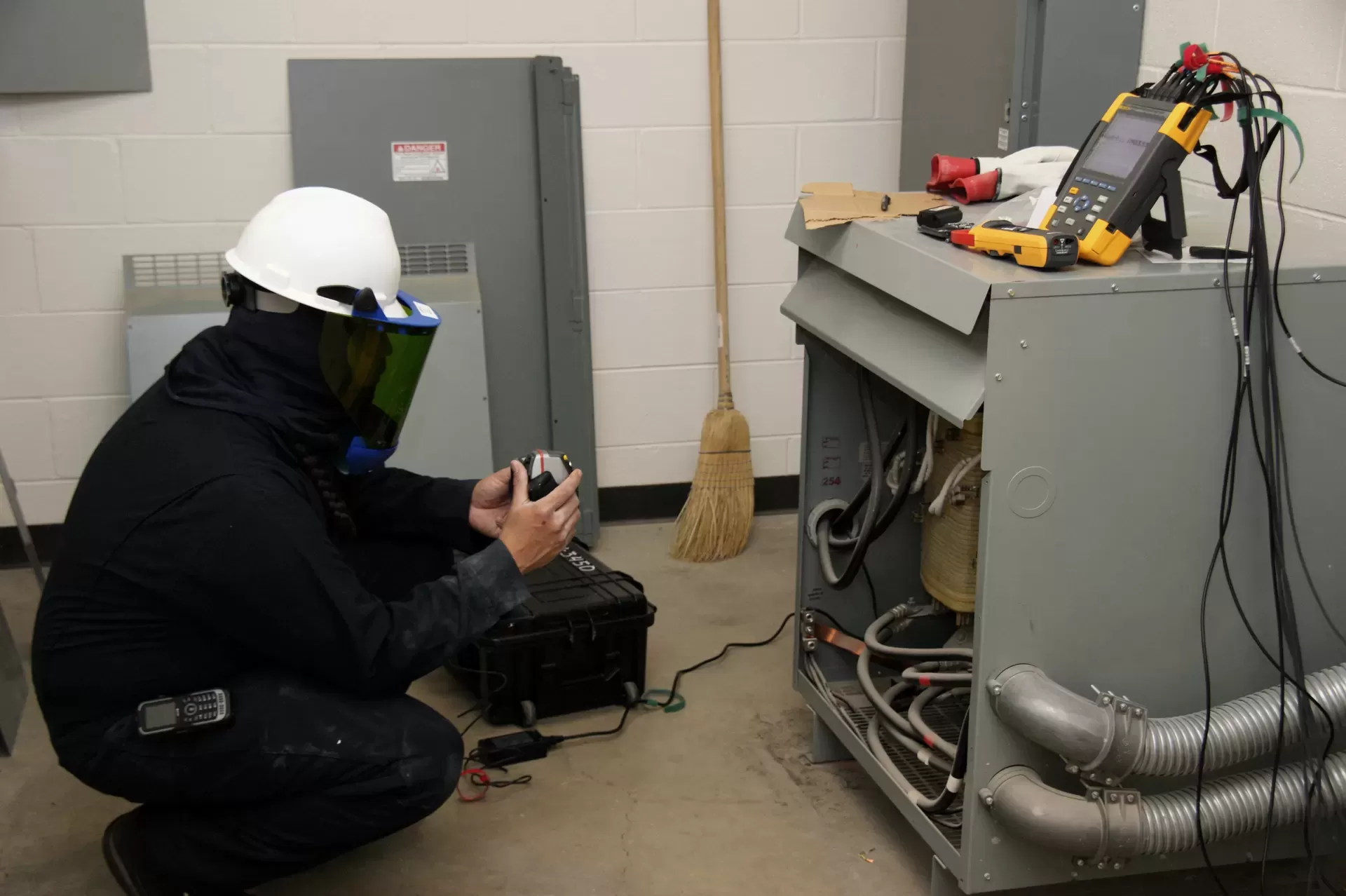
Switchgear Maintenance
Inspection, cleaning and testing of switchboards and low voltage switchgear.
Learn more
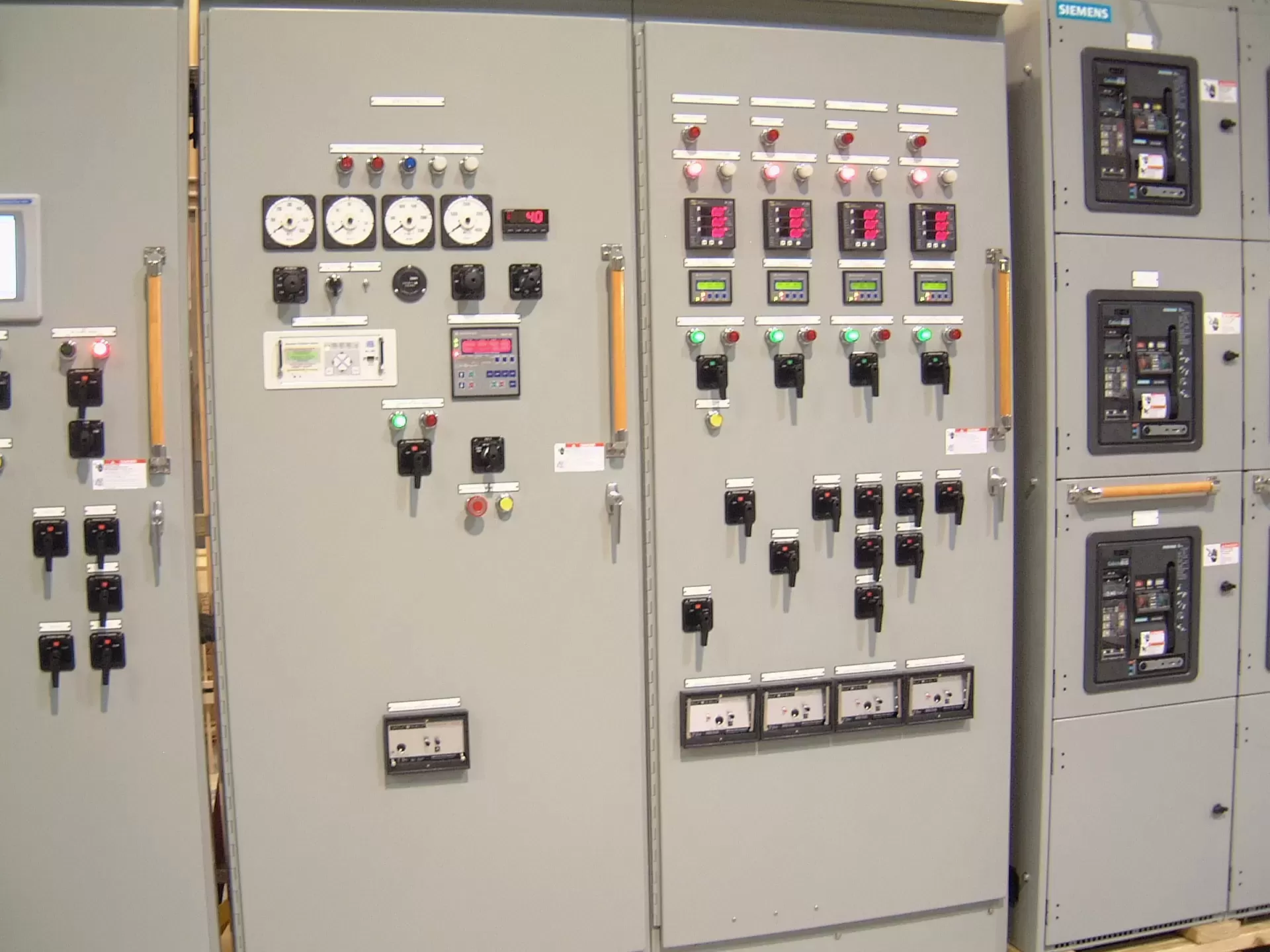
Motor Electrical Testing
Winding and insulation results that reveal how each motor is ageing.
Learn moreQuestions
Frequently asked questions
The basics
What is the difference between predictive and preventive electrical maintenance?
Preventive maintenance services equipment on fixed intervals, while predictive maintenance uses measured condition to decide when work is needed. Preventive work is the baseline for every asset. Predictive techniques such as thermography, insulation trending and power quality logging are added where failure would be costly, so attention goes to the equipment whose numbers are actually changing rather than to everything at once.
What tools are used for predictive maintenance on electrical equipment?
The core instruments are thermal imagers, insulation resistance testers, micro-ohm meters for contact resistance, breaker test sets and power quality recorders. The instrument matters less than the method: readings must be taken the same way each time, with load and temperature recorded, so that trends are real and not caused by different test conditions.
Is predictive maintenance worth it for a small commercial building?
Often a yearly thermographic scan and a preventive visit are enough for a small building with a few panels. Predictive programs make sense when an outage is expensive, when there is large switchgear or many critical motors, or when an insurer asks for documented condition data. We will recommend the simpler option when it covers the risk.
Can predictive maintenance stop every electrical failure?
No. It finds failure modes that leave a measurable signature, such as heat, insulation decline or changing trip times, and that covers many common causes. Sudden events like physical damage, water ingress or a utility disturbance can still cause outages. The program reduces surprises; it cannot remove them entirely, and no honest contractor should promise that it does.
Condition monitoring
What does electrical condition monitoring involve on a typical site visit?
A typical visit includes a thermographic survey of energized equipment under load, power quality readings on main feeders where useful, a visual check of each enclosure, and a review of any alarms or trends since the last visit. Offline tests such as insulation resistance and breaker timing are scheduled into your planned shutdowns rather than done on the same day.
Can power quality problems be logged without shutting equipment down?
Yes. A power quality recorder is connected to a main or feeder by qualified workers following energized work procedures, then left in place for several days while the site runs normally. It records harmonics, voltage imbalance, sags and load peaks, and any problem it shows is followed up with closer inspection during the next outage.
Should we install continuous temperature monitoring on our switchgear?
Continuous sensors suit critical gear that is hard to scan, runs at high load or sits in a harsh environment. Recent editions of NFPA 70B are reported to accept continuous monitoring as an input to maintenance intervals. For most sites, periodic thermography by a qualified thermographer remains the starting point, with sensors added on the assets that justify them.
How long does it take to build a useful trend?
A baseline plus two more readings taken under similar conditions usually shows whether an asset is stable or changing. For annual tests that means a couple of years; for quarterly or semi-annual thermography it is much faster. Existing records from earlier contractors can be added to the register if they include load, temperature and test method.
Standards and rules
Does NFPA 70B require predictive maintenance for electrical equipment?
NFPA 70B sets maintenance intervals from an equipment condition assessment and reportedly allows predictive techniques and monitoring to inform those intervals. It does not force one particular method. In Ontario, NFPA 70B applies when an insurer, owner or contract calls for it, while the OESC, O. Reg. 851 and ESA licensing rules apply in every case.
Which Canadian standard covers maintenance of electrical systems?
In Canada, electrical maintenance is addressed by CSA Z463, published by CSA Group. Its scope covers new and existing electrical equipment, excluding utility-owned equipment, and it is written with the safety of workers and the public as its first aim. We use it alongside manufacturer instructions to structure inspection, testing and documentation, test to ANSI/NETA MTS, and add NFPA 70B where a contract requires it.
Why does a rising thermal trend matter more than one hot reading?
One warm connection can reflect a heavy load on the day of the survey. The same joint growing warmer, survey after survey, under comparable load, shows that resistance at the joint is increasing, usually from loosening or oxidation. Trend data separates that real deterioration from normal variation, so repairs are aimed at joints that are genuinely getting worse.
Program and reporting
What will we receive after each predictive maintenance visit?
You receive a written report with the asset register, condition score for each asset, thermal and visual images of every exception, test values set beside previous results, and a ranked repair list. Each finding has a recommended next interval and a short reason. Once repairs are completed, the asset is measured again and the report is updated with the result.
Who carries out the repairs that predictive testing finds?
Our licensed electricians can complete the repairs, usually during the same planned window or the next one. Keeping data collection and repair with one licensed contractor avoids the gap where a scan report sits unread. Sites with their own maintenance electricians are welcome to use the findings internally; it is written so a qualified electrician can act on it directly.
Can predictive data reduce how often equipment is shut down for testing?
It can. When an asset shows stable readings across several visits and its condition score supports it, the offline testing interval can be extended within the limits your standard or contract sets. Equally, an asset that is degrading moves to a shorter interval. The result is shutdown time spent where it is needed.
Working with KCS
Do you offer emergency response for predictive maintenance clients?
Clients holding a KCS maintenance contract can use our emergency response. Because we already know their equipment, single-line layout and access arrangements, the crew that arrives is already familiar with the site. For facilities without a contract, we schedule service calls within our regular business hours, which run seven days a week.
Which areas of Ontario does your predictive maintenance team cover?
Our team works out of Aurora and takes on sites anywhere in Ontario, though the bulk of our predictive work is in the GTA: Peel, York Region, Durham and the City of Toronto. Sites further afield are scheduled in planned visits. Call (647) 979-0549 or request a callback to discuss your location and equipment.
Related services
Related services
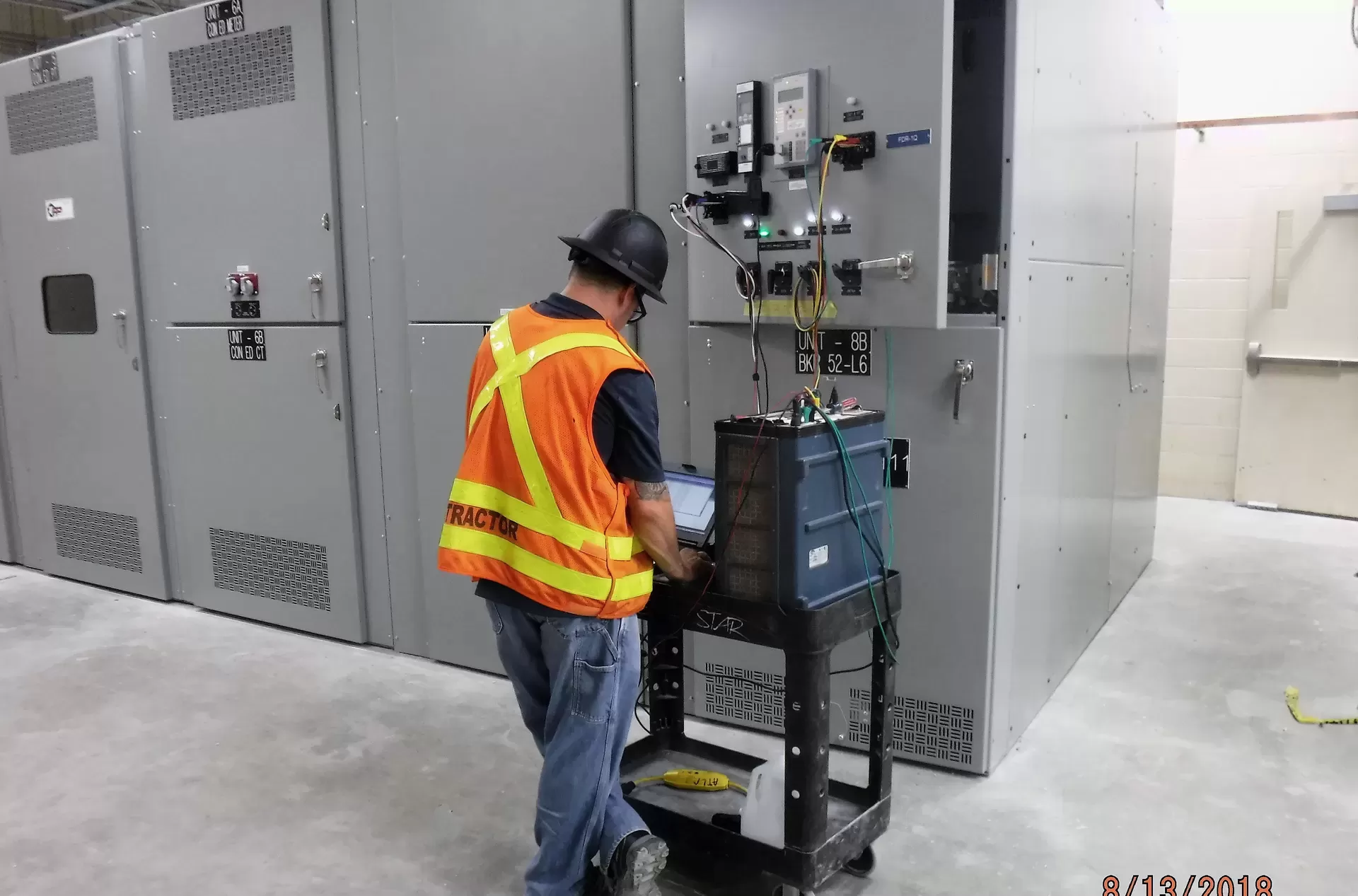
Electrical Preventive Maintenance
A written program of scans, cleaning, tightening and tests for switchgear, panels and transformers, aligned with CSA Z463 and NFPA 70B.
View service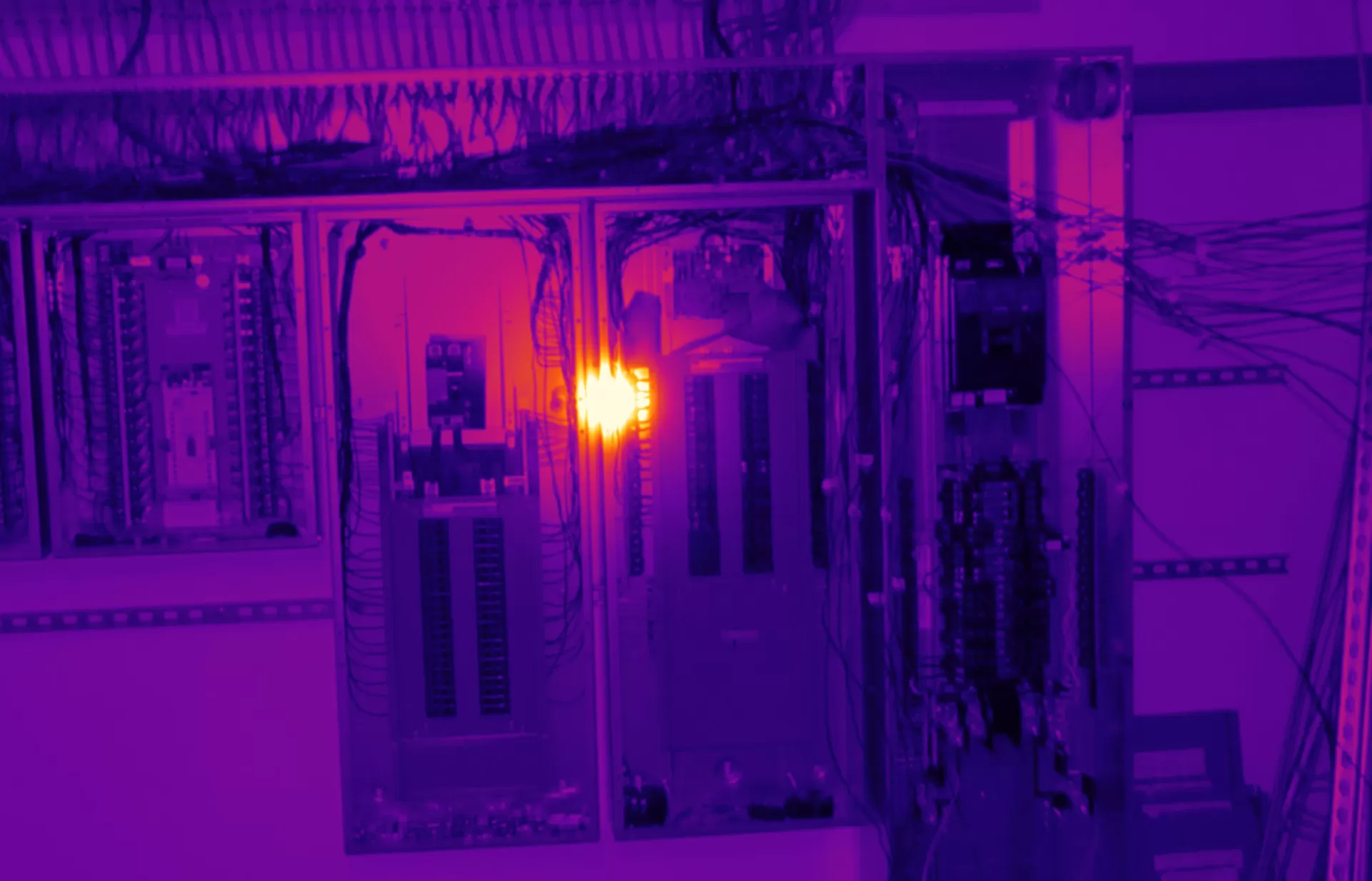
Infrared Electrical Thermography
Thermal scans of energized switchgear, panels and motor controls by Level II thermographers, with rated findings and repairs by licensed electricians.
View service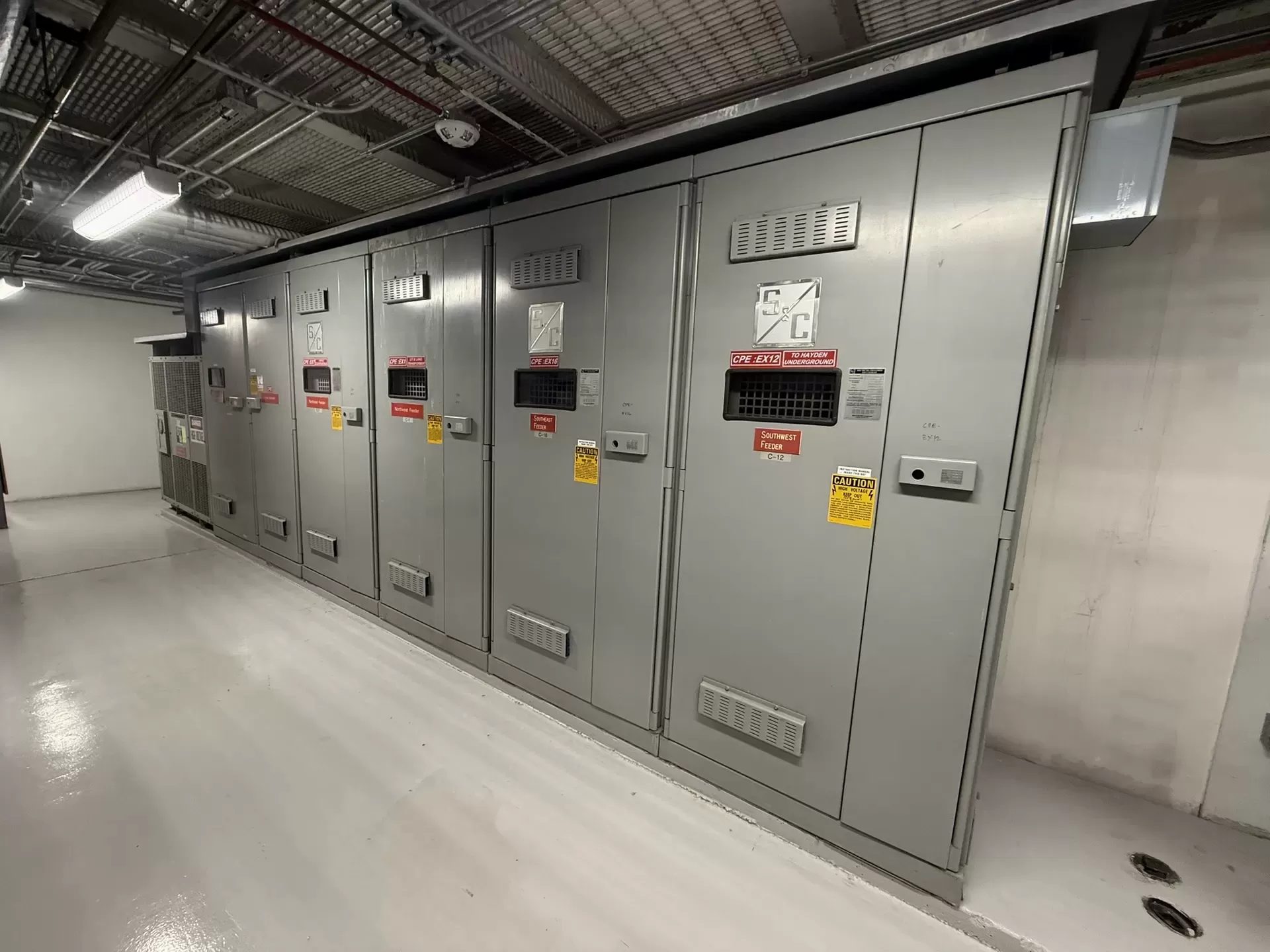
Electrical Asset Management
An electrical asset register, condition scores and a ranked repair and replacement plan for plants and building portfolios.
View service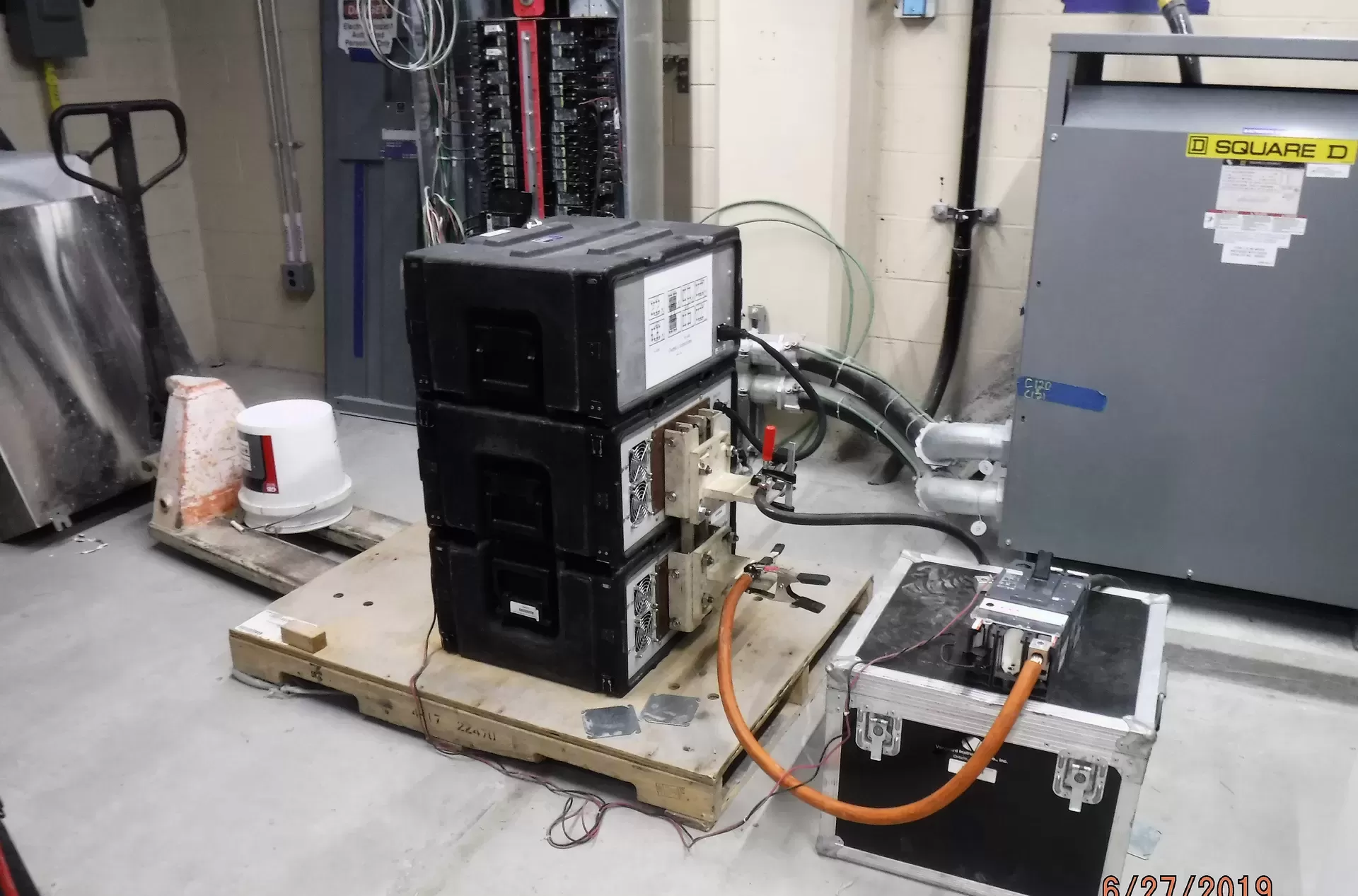
Electrical Testing Services
Measured tests on breakers, cables, transformers, relays and generators, recorded so results can be trended visit to visit.
View serviceSwitchgear Maintenance
Switchgear maintenance and inspection for low voltage lineups and switchboards, planned around shutdown windows and documented section by section.
View serviceTransformer Testing
Ratio, winding, insulation and thermal checks on customer-owned dry-type transformers, with results trended visit to visit.
View serviceRequest a callback
Plan your next electrical maintenance program with KCS
Tell us about the site and the equipment. A licensed electrician reviews it and calls you back.
- ESA/ECRA licence #7014042
- COR certified, ISNetworld, Avetta and ComplyWorks
- Work planned around shutdowns and tenant hours
- Emergency response for maintenance-contract clients
Send your request
We reply during business hours: Open daily, 9 a.m. to 9 p.m.