
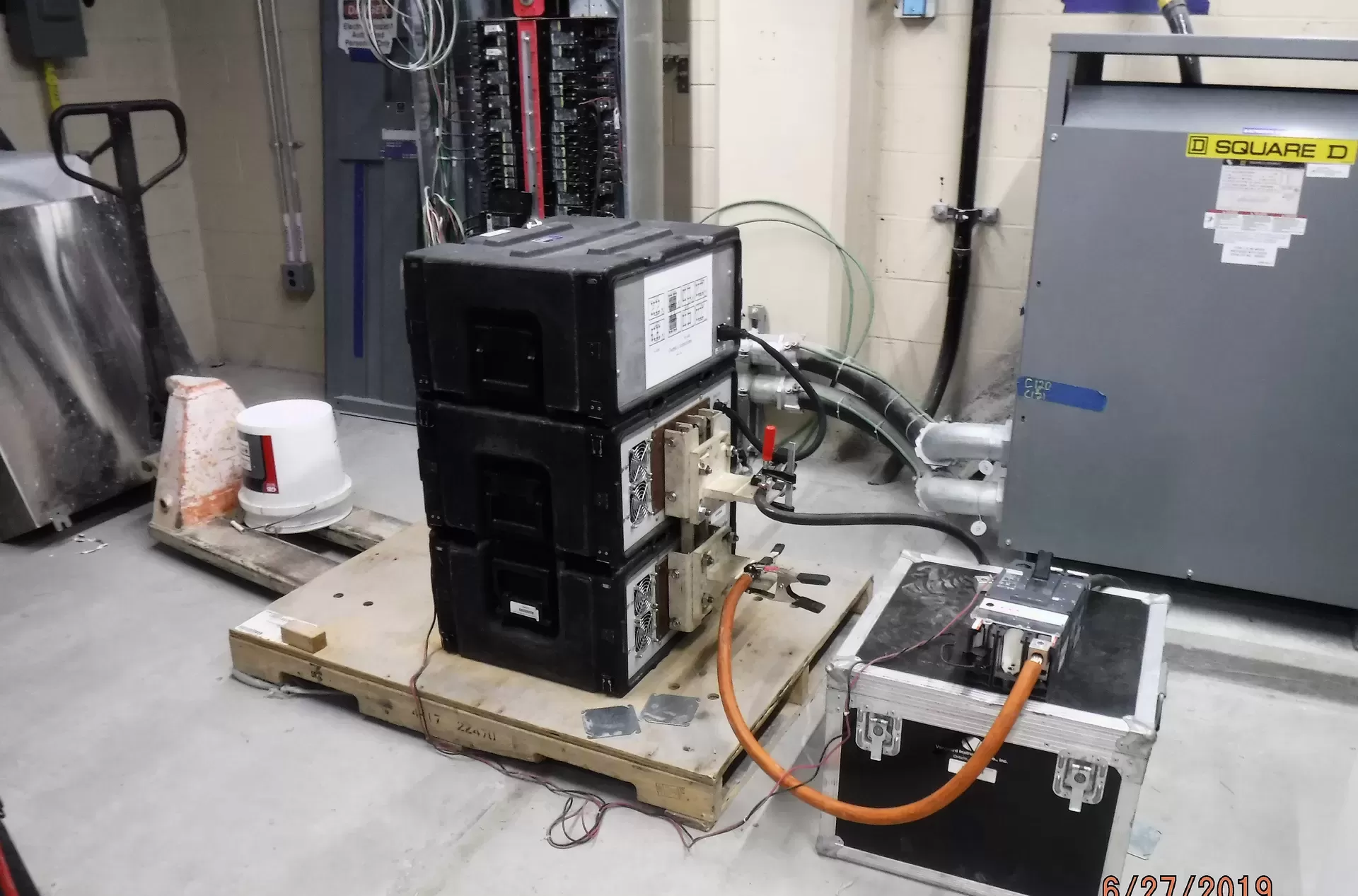
Molded-case to drawout power breakers
Circuit Breaker Testing and Inspection Across Toronto and the GTA
Circuit breaker testing proves that a breaker will actually trip when a fault arrives, and circuit breaker inspection catches the wear, heat and contamination that stop it from doing so. KCS tests molded-case, insulated-case and low voltage power breakers, along with their trip units and ground fault systems, for plants, towers and institutions throughout the GTA and Ontario.
- ESA/ECRA #7014042
- COR certified (IHSA)
- ISNetworld, Avetta, ComplyWorks
- 15 years in business
Request a callback
A licensed electrical contractor calls you back, usually the same business day.
Updated Reviewed by KCS Group licensed electricians
What Circuit Breaker Testing Proves That a Visual Check Cannot
Circuit breaker testing confirms three things a visual check never can: that the trip unit senses current correctly, that the mechanism opens the contacts in time, and that the contacts carry load without excess resistance. A breaker can look perfect and still fail on all three.
Most breakers spend their whole service life closed, carrying load and never asked to operate. Lubricants dry out, mechanisms stiffen, contacts oxidize and electronic trip units drift or lose settings. None of that is visible on the front of the panel. The first real test a neglected breaker gets is often the fault itself, and if it hesitates, the next device upstream has to clear the fault instead. That widens the outage, can raise the incident energy at the point of the fault, and in the worst case leaves a fault burning longer than the equipment was designed for.
The risk is not limited to old gear. New breakers arrive with factory default settings that may not match the coordination study, accessories get wired wrong during renovations, and trip units are sometimes swapped without anyone updating the drawings. A first test after installation or a change catches those errors while they are still cheap to fix.
Testing replaces that gamble with recorded evidence. Each breaker in scope leaves the visit with measured trip times, contact resistance values, insulation readings and a mechanism that has been exercised, cleaned and, where the manufacturer permits it, lubricated.
Breaker Types We Test, From Molded-Case to Drawout Power Breakers
We test every class of breaker found in commercial and industrial distribution, and the method changes with the class. Molded-case breakers are largely sealed and tested as a unit; power breakers can be serviced inside.
| Breaker class | Typical location | Core tests |
|---|---|---|
| Molded-case (MCCB) | Panelboards, switchboards, MCC buckets | Visual, connection torque, insulation resistance, contact resistance, trip testing where in scope |
| Insulated-case (ICCB) | Switchboard mains and larger feeders | As above, plus trip unit function checks and accessory tests |
| LV power circuit breaker (drawout) | Low voltage switchgear | Racking and interlocks, mechanism service, primary or secondary injection, contact resistance, insulation |
| Ground fault protection system | Service mains and large feeders | Sensor wiring and polarity, pickup and time checks, trip of the protected breaker |
Breakers that live inside switchgear are usually tested as part of a wider switchgear maintenance outage, while breakers in panelboards are often combined with an electrical panel inspection.
Primary Injection, Secondary Injection and Trip Unit Testing
Trip testing injects current to confirm the breaker opens within its time-current curve for long-time, short-time, instantaneous and ground fault settings. Secondary injection checks the electronic trip unit by itself; primary injection sends real current down the poles, so the sensors and their wiring are proven along with the trip unit.
- Secondary injection uses a test set made for the trip unit to feed simulated signals straight into it. It is quick, needs little equipment and confirms the trip unit's logic and settings, but it does not prove the current sensors or the wiring between them and the trip unit.
- Primary injection passes high current through the breaker poles, so the whole chain, from the sensors to the trip unit to the mechanism, has to work for the breaker to open. It takes heavier equipment and more time, and it is the more complete proof.
- Thermal-magnetic molded-case breakers have no electronic trip unit, so they are proven by passing current through each pole and timing the trip against the manufacturer's curve.
Both injection methods are run to the breaker procedures in ANSI/NETA MTS (2023 edition). NFPA 70B (2023 edition) treats trip testing of breakers rated 250 A or less as optional, and for electronic trip units it calls for verifying calibration of all functions with the manufacturer's test set. Before we test, we confirm the settings on file match the coordination study, because a breaker that trips exactly to the wrong setting is still a problem. If no current study exists, our arc flash study includes the coordination review that sets those values.
Contact Resistance, Insulation Resistance and Mechanism Checks
Contact resistance shows whether current flows cleanly through each pole, insulation resistance shows whether the breaker holds voltage between poles and to ground, and mechanism checks show whether it will open and close on demand. Together they cover what trip testing does not.
Contact resistance is measured with a four-wire micro-ohm method across each closed pole. Acceptable values differ widely by breaker type and size, so each pole is judged against its neighbours on the same breaker, the maker's published figures and our last visit's numbers. A pole that reads well above its companions points to pitting, contamination or poor contact pressure and is investigated before the breaker goes back in service.
Insulation resistance is measured pole to pole, pole to ground and across open contacts at a test voltage suited to the breaker's rating. A breaker whose insulation numbers sag from one visit to the next is usually telling us about damp, carbon tracking or dirt on the moulded parts.
Mechanism and accessories: on power breakers we operate the breaker manually and electrically, check charging motors, springs, latches, shunt trips, undervoltage releases, auxiliary contacts and racking interlocks, and clean and lubricate as the manufacturer directs. NFPA 70B's visual tasks for molded-case, insulated-case and low voltage power breakers also include verifying ratings, inspecting the frame and insulation for damage, and checking wiring, bus and connections for tightness, corrosion and signs of overheating.
How Often Should Circuit Breakers Be Tested?
For most facilities, breakers should be exercised and inspected every one to five years, with yearly thermal scanning in between. NFPA 70B lets the state of each breaker, the load it protects and the room it lives in decide the exact gap.
| Breaker group (from the 2023 NFPA 70B interval table) | Low-risk breaker | Moderate risk | High-risk breaker |
|---|---|---|---|
| Molded-case, insulated-case and low voltage power breakers, all tasks | 5 years | 3 years | 1 year |
| Ground fault system, visual check | 1 year | 1 year | 6 months |
| Protective relays, electromechanical | 3 years | 2 years | 1 year |
| Infrared scan of breaker terminations | 1 year | 1 year | 6 months |
A breaker in a clean, air-conditioned electrical room feeding lighting earns the long interval. A main breaker in a dusty plant, feeding a process that cannot stop, earns the short one. Breakers that have interrupted a major fault should be inspected and tested before they are trusted again, whatever the calendar says. Between tests, hot lugs and overloaded poles can be caught without a shutdown: our Level II certified thermographers run an infrared electrical inspection with the panels loaded.
Signs of a Failing Breaker, and Why a Multimeter Is Not Enough
A failing breaker often shows heat, discolouration, a burnt smell, buzzing, nuisance tripping or a handle that will not reset. Just as often it shows nothing at all, which is why breakers are tested rather than judged by eye.
- Scorch marks, melted plastic or discoloured lugs on or near the breaker.
- A warm or hot breaker case compared with its neighbours at similar load.
- Repeated trips with no overload or fault found downstream, or a breaker that trips the instant it is reset.
- A handle that feels loose, will not latch, or sits between positions.
- Cracks in the case, or breakers that have been through water, fire or a major fault.
A multimeter can show that voltage is present on the load side of a closed breaker, but it cannot prove the breaker will trip at the right current or time, and it cannot measure contact resistance in the micro-ohm range. Testing a breaker properly means injecting current and timing the result, which is work for qualified electricians with calibrated equipment. If a breaker is tripping and you cannot find why, our electrical troubleshooting crew tracks down the cause.
Testing in Place or on the Bench: Planning Around Your Site
Drawout breakers can be racked out and tested on a bench or cart beside the gear, while bolted breakers are tested in place. Either way the circuit is out of service during the test, so we plan the order to keep your most important loads running as long as possible.
Before the day, we gather the breaker schedule, the coordination study, manufacturer data for each trip unit, and the access and permit requirements for each electrical room, so the crew arrives with the right test sets and adapters for every frame in scope. For drawout gear, a spare breaker of the same frame lets us swap and test one at a time with only a brief interruption per feeder. For bolted molded-case breakers in panels and MCC buckets, we group circuits by area or process so each outage is short and predictable. Plants often book testing into scheduled shutdowns; commercial towers and medical buildings usually choose evenings or weekends.
Every dead test falls under Reg. 851, s.42, the clause covering lockout, tagging and written procedures for work on or near live parts, and any testing near energized equipment follows CSA Z462. Safety departments that vet contractors can see our IHSA COR and our prequalified status with ISNetworld, Avetta and ComplyWorks before the first visit. We serve facilities in Toronto, Oakville and Burlington, and across the rest of Ontario.
Breaker Test Results, Repairs and Ontario Requirements
After testing you receive a breaker-by-breaker record of settings, trip times, contact and insulation values and mechanism condition, marked pass, monitor or repair. Failed breakers are repaired or replaced under Ontario's electrical rules, never returned to service on a guess.
- Breaker schedule with location, frame, rating, trip unit model and as-found and as-left settings.
- Trip test results plotted against the expected time-current band for each function tested.
- Contact resistance by pole and insulation resistance by test path, with earlier values beside them.
- Mechanism and accessory findings, photographs of defects, and ranked recommendations.
Replacement breakers must be certified, as section 40 of Regulation 851 requires for electrical equipment in industrial workplaces, and replacements must be compatible with the panel or switchgear they go into. Before a new power breaker is racked in and trusted with load, we put it through the acceptance checks in ANSI/NETA ATS (2025 edition). Repairs inside certified equipment are for the manufacturer or its agents, which is why we replace rather than open sealed molded-case breakers. Work on the installation is notified to ESA by us as the licensed electrical contractor (ESA/ECRA #7014042); buyers can check any contractor's status through ESA's hiring guidance. For a wider view of all the tests we run, see electrical testing services.
Breaker testing, start to finish
How a breaker test day runs
Settings and scope
We match each breaker to the coordination study and agree the test order with your site lead.
Isolate and remove
Circuits are locked out; drawout breakers come out to the test cart, bolted ones are tested in place.
Test and service
Trip, contact, insulation and mechanism checks, with cleaning and lubrication where permitted.
Return and record
Breakers go back in, circuits are restored and verified, and results are logged pole by pole.
Pair it with
Services that share the same outage
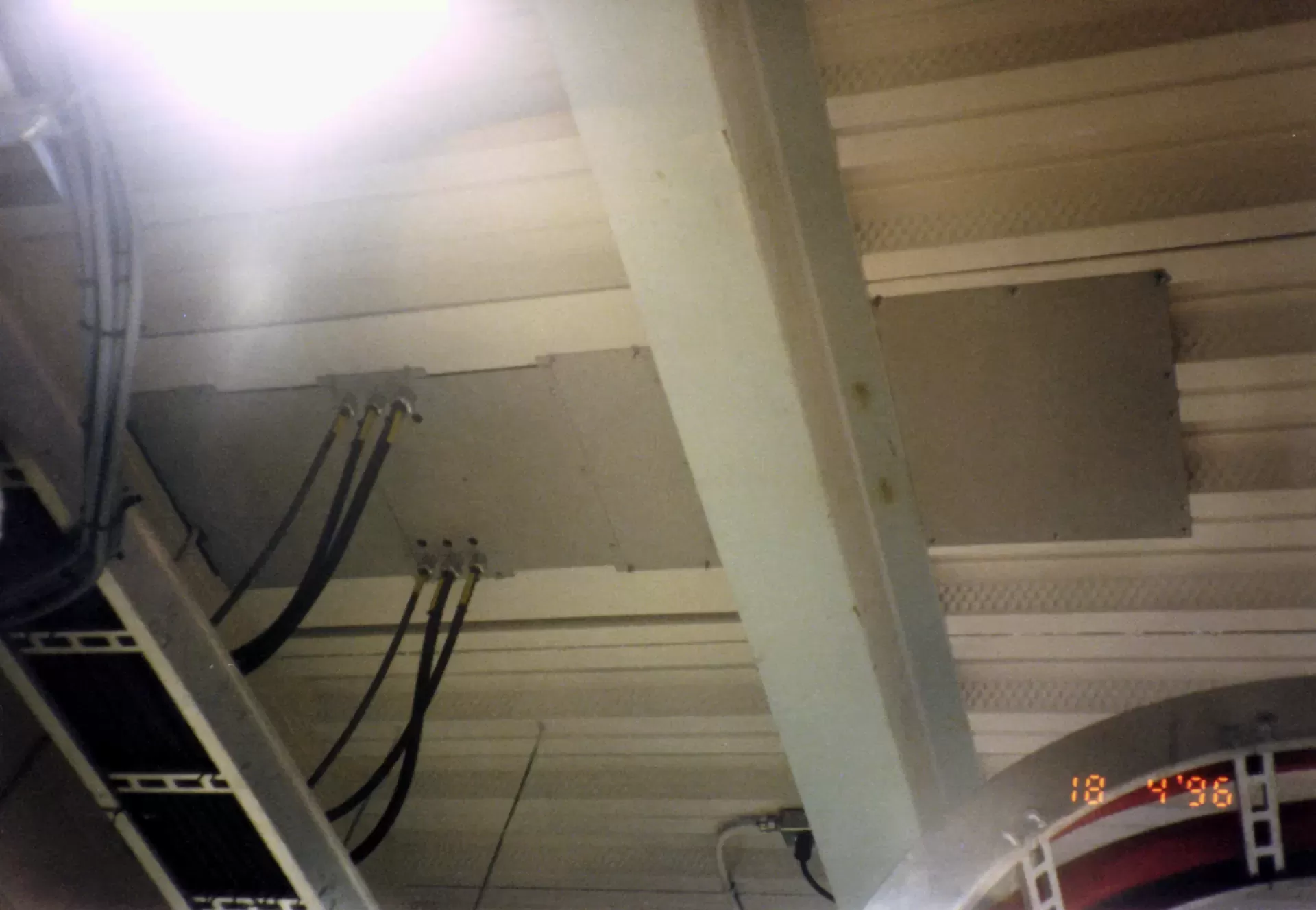
MCC Maintenance
Starter buckets hold molded-case breakers too; test them while the lineup is down.
Learn more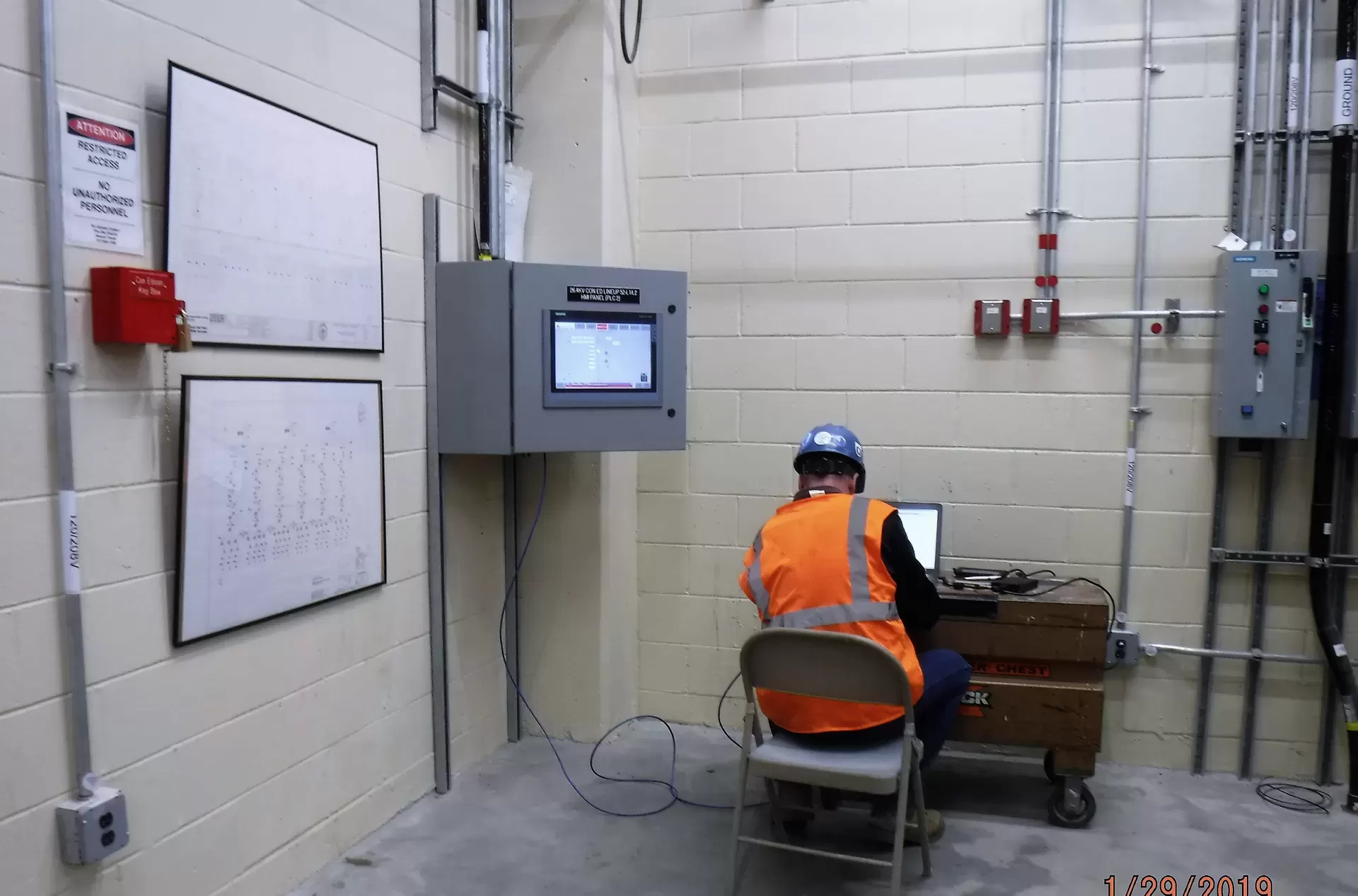
Transformer Testing
Prove the unit ahead of the main breaker during the same service shutdown.
Learn more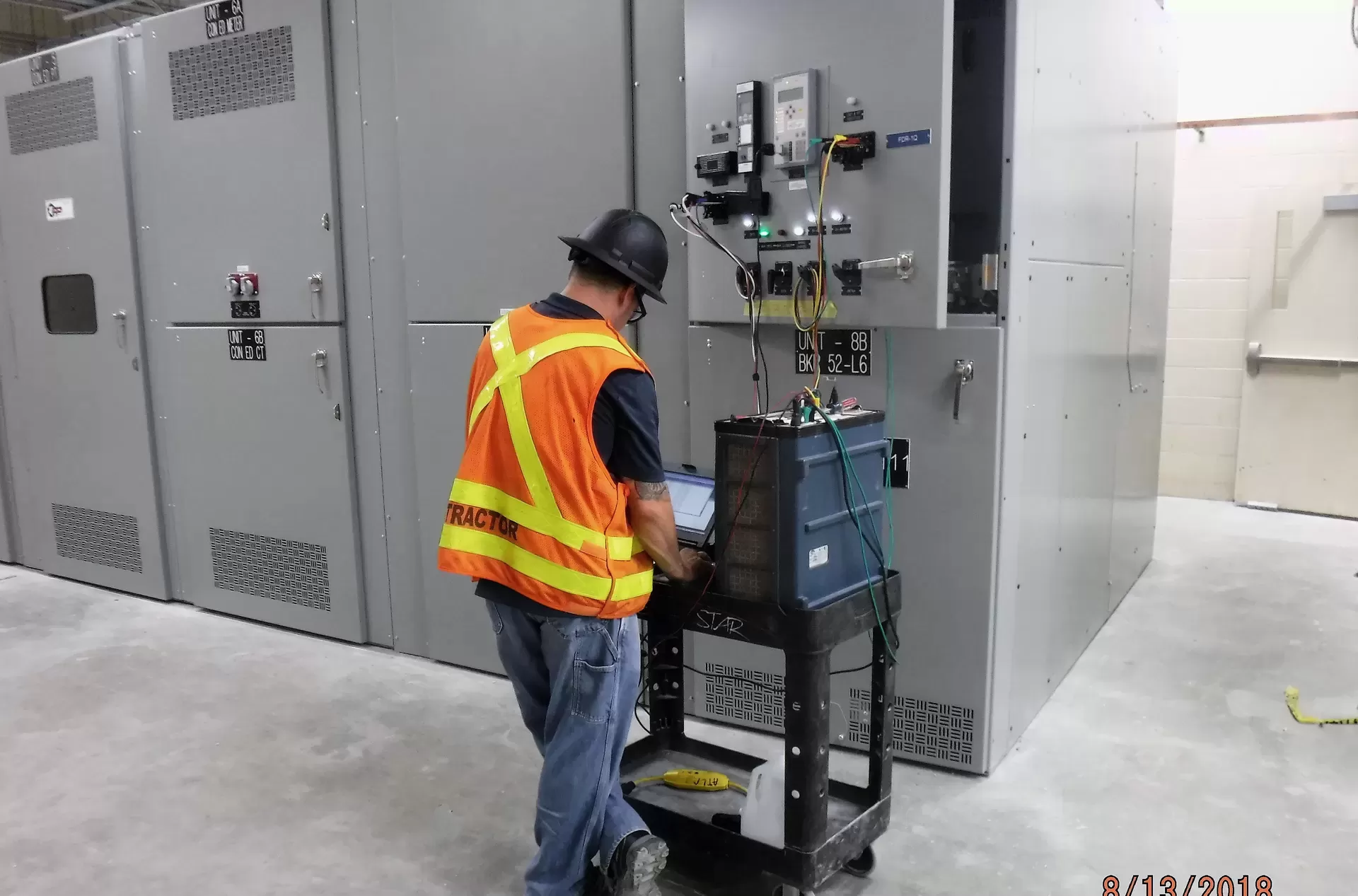
Preventive Maintenance Programs
Put every breaker on a condition-based schedule with the rest of your gear.
Learn moreQuestions
Circuit breaker testing questions
Testing methods
What are the requirements for circuit breaker testing in Ontario?
No Ontario regulation sets a single test schedule for every breaker. The requirements come from your maintenance program, typically built on CSA Z463, from NFPA 70B where an insurer or contract names it, from ANSI/NETA MTS, which sets the test methods we use, and from the manufacturer's instructions. The work itself must follow Regulation 851 lockout rules and CSA Z462 safe work practices.
Should our breakers get primary injection or only secondary injection?
It depends on the breaker and its importance. Secondary injection only exercises the electronic trip unit, with a simulated signal, to check its logic and settings. Primary injection pushes real current through the breaker poles, so the sensors, wiring, trip unit and mechanism all have to work for the breaker to open. Primary injection is the fuller test; secondary injection is quicker and suits routine checks.
What does a CRM or ductor test check on a power breaker?
It is a micro-ohm measurement across each closed pole of a power breaker, sometimes called a CRM or ductor test. It uses a four-wire method so lead resistance does not affect the result. Readings are compared between poles, with the manufacturer's data and with past results, and a pole that stands out is investigated for contact wear or contamination.
How many ohms should a healthy circuit breaker read across its contacts?
A closed breaker pole should read a very low resistance, usually in the micro-ohm range, and the right value depends on the breaker's type and size. There is no single number for all breakers. We judge each pole against its sister poles, the manufacturer's figures and earlier readings, because a pole that reads noticeably higher than the others is the real warning sign.
Can you tell if a breaker is bad with a multimeter?
Only partly. A multimeter can confirm voltage on the load side or show an open pole, but it cannot prove the breaker trips at the right current and time, and it cannot read contact resistance at micro-ohm levels. Proper testing injects current and times the trip. Working inside live panels also needs qualified workers and the right protective equipment.
Do you test the ground fault protection on main breakers?
Yes. Many service mains and large feeders have ground fault protection, either built into the electronic trip unit or set up as a separate sensor and relay. We check the sensor wiring and polarity, confirm the pickup and time settings against the coordination study, and prove that the system trips the breaker it protects. A system that is wired backwards or set wrong can stay silent during a real ground fault.
Failure and wear
What does a failed circuit breaker look like?
Sometimes it shows scorch marks, melted plastic, discoloured lugs, a cracked case, a buzzing sound or a handle that will not latch or reset. Often it looks perfectly normal, because the most dangerous failure, a breaker that will not trip, is invisible from outside. That is why testing, not appearance, decides whether a breaker stays in service.
Why does a breaker keep tripping when nothing seems overloaded?
Common causes include a ground fault or insulation breakdown downstream, a loose or overheated connection at the breaker, a worn trip mechanism, incorrect electronic trip settings, or loads with high inrush current. Testing the breaker and the circuit together usually separates a faulty breaker from a fault in the wiring or the equipment it feeds.
Should a breaker be replaced after it clears a major fault?
It should at least be inspected and tested before it is trusted again. Interrupting a high fault current erodes contacts and stresses the arc chutes and mechanism. Many molded-case breakers are sealed and cannot be inspected inside, so after a severe fault replacement is often the sensible choice. Power breakers can usually be inspected and serviced.
What is the 80% rule for circuit breakers in Canada?
It refers to the continuous-load limit set by the Canadian Electrical Code and the breaker's marking. Unless a breaker and its assembly are marked for continuous operation at 100 percent of rating, the continuous load on it is generally limited to 80 percent. During testing we compare measured loads with each breaker's rating and marking and flag any that run close.
What are the four main types of circuit breakers in industrial buildings?
In commercial and industrial distribution you will mostly see molded-case breakers in panels and MCCs, insulated-case breakers on larger switchboard circuits, drawout low voltage power circuit breakers in switchgear, and small miniature breakers in lighting and receptacle panels. Each class has its own construction, ratings and testing method.
Scheduling and scope
How often should commercial circuit breakers be exercised and tested?
Exercising, opening and closing breakers that rarely operate, is a good habit at every inspection where it is safe and practical. A full test cycle lands somewhere between one and five years under NFPA 70B's condition-based intervals, with the short end for critical or harsh locations. Breakers 250 A and smaller may be tested less often where the program allows.
Can breakers be tested without shutting down the whole building?
Usually yes. Each breaker's own circuit must be out of service while it is tested, but we sequence the work so only one feeder or a small group is down at a time. With drawout gear and a spare breaker, interruptions can be very short. The main breaker is the exception and normally needs a full service outage.
Do you adjust breaker trip settings during testing?
Only to the values in an approved coordination study or with your engineer's written direction. Settings decide how breakers coordinate and how much incident energy is present during a fault, so they should never be changed on site by feel. If settings on the breaker do not match the study, we record both and recommend a correction.
How long does it take to test a circuit breaker?
Time varies with the breaker class and the tests chosen. A small molded-case breaker tested in place takes far less time than a drawout power breaker that is racked out, serviced, injection tested and returned. During scoping we estimate time per breaker so the number tested matches the outage window you can offer.
Will you replace breakers that fail testing?
Yes. Because KCS holds an electrical contractor licence, the crew that found the fault can supply and install a certified, compatible replacement, file the ESA notification, and test the new breaker before it is energized. Where a matching breaker has a long lead time, we discuss temporary measures and record the risk in the report so you can decide how to proceed.
Related services
Related services
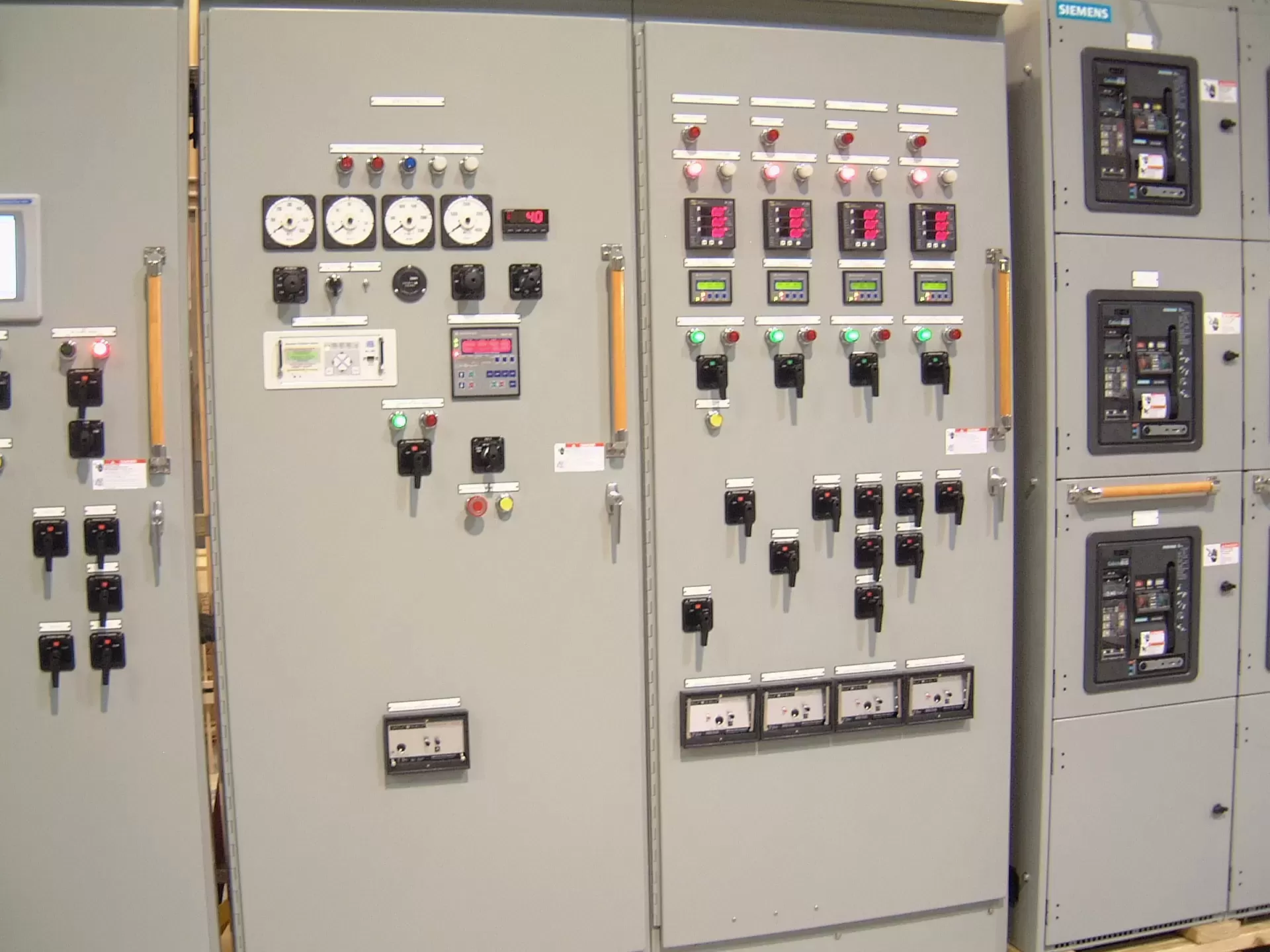
Switchgear Maintenance
Switchgear maintenance and inspection for low voltage lineups and switchboards, planned around shutdown windows and documented section by section.
View service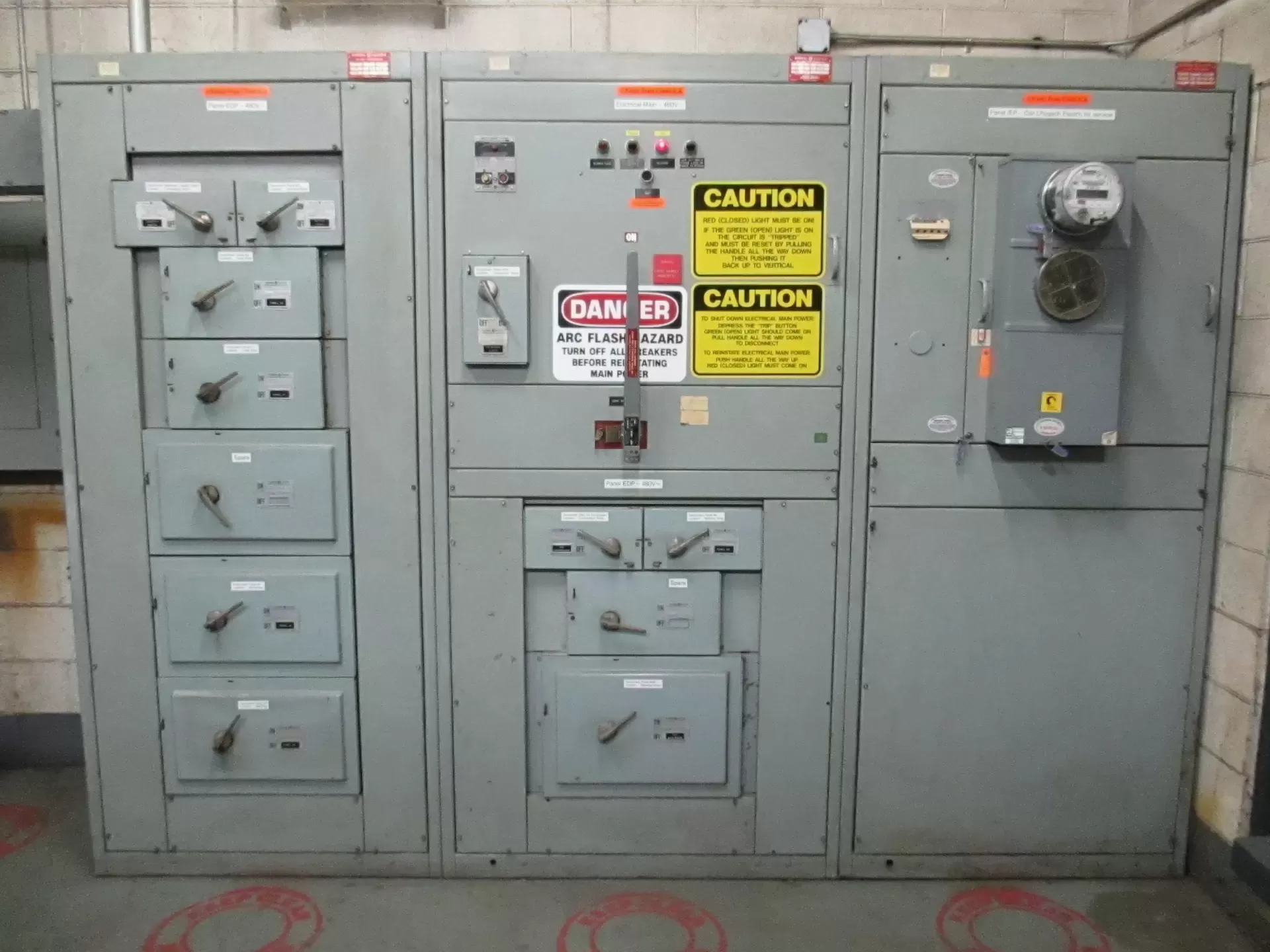
Electrical Panel Inspection
Panelboard, switchboard and disconnect switch inspection with thermal scans, torque checks and a written condition report.
View service
MCC Maintenance
Motor control centre maintenance covering buckets, stabs, bus, starters and overloads, scheduled section by section so production keeps running.
View service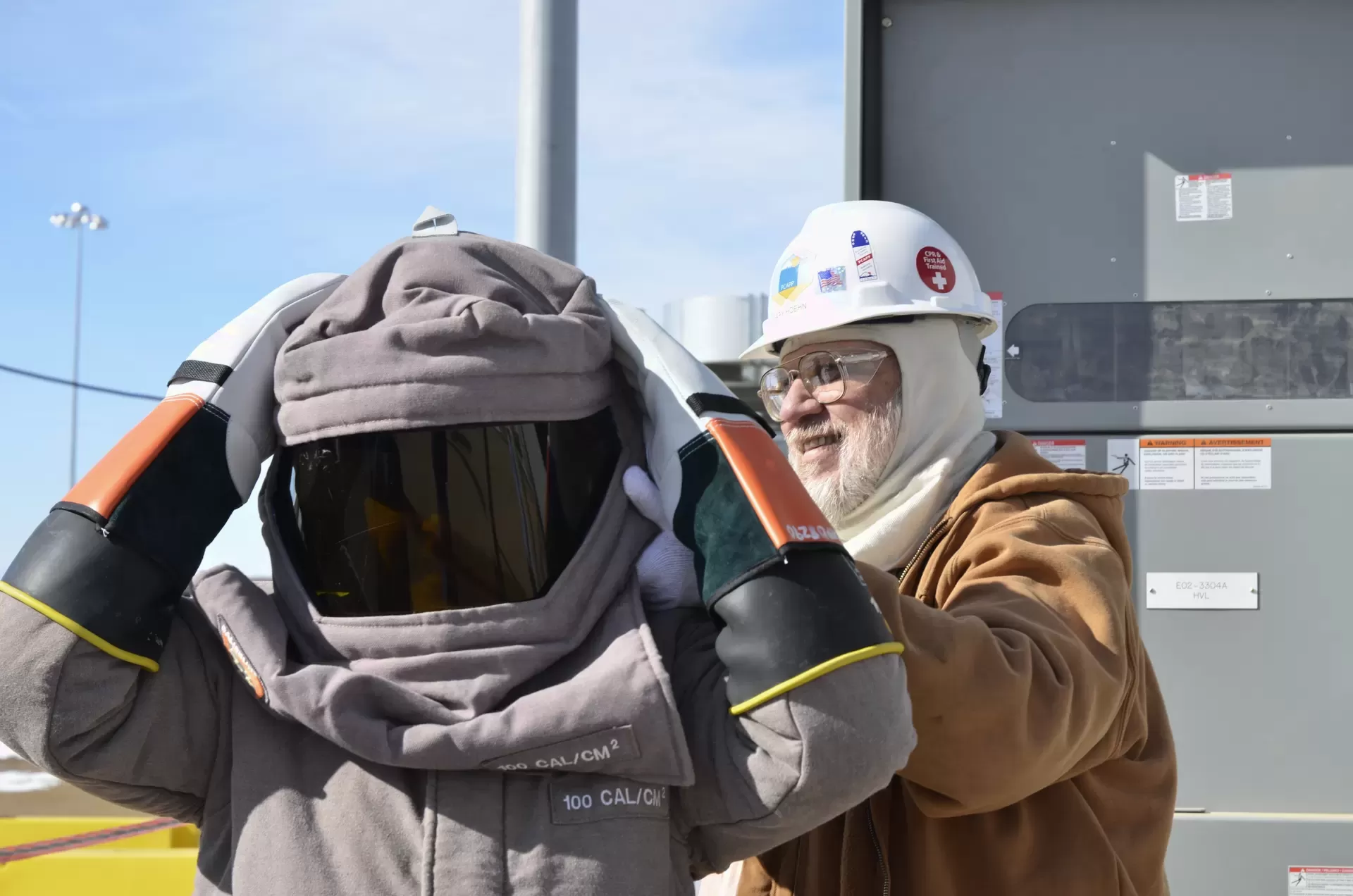
Arc Flash Study
Arc flash assessment, incident energy results and CSA Z462 arc flash labels so your electricians know the hazard at every piece of gear.
View serviceElectrical Testing Services
Measured tests on breakers, cables, transformers, relays and generators, recorded so results can be trended visit to visit.
View serviceTransformer Testing
Ratio, winding, insulation and thermal checks on customer-owned dry-type transformers, with results trended visit to visit.
View service
Request a callback
Plan your next electrical maintenance program with KCS
Tell us about the site and the equipment. A licensed electrician reviews it and calls you back.
- ESA/ECRA licence #7014042
- COR certified, ISNetworld, Avetta and ComplyWorks
- Work planned around shutdowns and tenant hours
- Emergency response for maintenance-contract clients
Send your request
We reply during business hours: Open daily, 9 a.m. to 9 p.m.