

Industries: property management
Electrical Contractor for Property Management Companies in the GTA
KCS works as the electrical contractor for property management companies and commercial landlords in Toronto and the GTA, keeping base building electrical rooms, tenant distribution and life safety power inspected, tested and documented. We hold ESA/ECRA licence #7014042 and carry the safety prequalifications portfolio owners screen for.
- ESA/ECRA #7014042
- ISNetworld, Avetta, ComplyWorks
- COR certified
- Level II thermographers
Request a callback
A licensed electrical contractor calls you back, usually the same business day.
Updated Reviewed by KCS Group licensed electricians
What an Electrical Contractor for Property Management Companies Handles
For a property management company, the electrical contractor looks after everything between the utility service and the tenant's panel: the main switchboard, bus duct and risers, meter rooms, transformers, base building panels, emergency power and the life safety circuits that the building is judged on. KCS takes that on as a planned program, with service calls for the work that comes up in between.
Typical responsibilities we cover for office, retail, industrial and mixed-use portfolios:
- Scheduled commercial electrical maintenance of base building distribution, planned around tenant hours.
- Infrared scans of building electrical rooms and the reports insurers and lenders ask to see.
- Panel and disconnect inspections, panel schedule updates and labelling.
- Transformer, breaker and feeder testing when equipment ages or a problem appears.
- Tenant improvement wiring, base building alterations and the ESA notifications that go with them.
We report to the property manager or building operator, keep the records by building and by asset, and give each site a single point of contact who knows its electrical rooms.
Building Electrical Problems That Land on a Property Manager's Desk
The electrical problems that cost property managers the most are rarely dramatic; they are slow faults in shared equipment that end in a tenant outage, an insurer finding or a failed inspection.
- Hot connections in meter rooms and switchboards. Load grows as tenants change, and a loose lug on a busy feeder heats up long before it fails. Because heating grows much faster than the load itself, tenant growth turns small defects into hot spots quickly.
- Aging base building equipment. Switchboards and bus duct installed decades ago may have breakers that have never been exercised or tested.
- Undocumented tenant work. Panels altered over successive fit-outs, with schedules that no longer match the circuits and labels that no longer match the equipment.
- Life safety power. Emergency generators, transfer switches and emergency lighting that are tested on paper but not maintained as a system.
- Insurer and lender requests for an electrical infrared report on short notice, often during an acquisition or renewal.
A planned program moves these items from reactive tickets to a schedule your operations team can budget for, and it gives you documented condition data when a tenant, insurer or buyer asks.
Insurer Scans, Generator Logs and Other Recurring Building Obligations
Several electrical tasks recur every year in a commercial building, and each one needs a record. The table shows the common ones and what KCS provides for each.
| Obligation | Who usually asks | What KCS provides |
|---|---|---|
| Electrical infrared scan | Insurer, lender, asset manager | Scan by thermographers certified to Level II or above, plus an insurance infrared scan report |
| Emergency generator inspection and testing | CSA C282, Ontario Building Code, fire inspectors | Electrical support for testing, plus repairs to field wiring and devices |
| Emergency lighting tests | Ontario Fire Code, fire inspectors | Unit testing support, repairs and replacement wiring |
| Arc flash labels on electrical rooms | Contractors, staff, insurers | Arc flash study and labels |
| Distribution maintenance records | Asset managers, auditors, buyers | Asset-level reports with readings and photos |
For emergency generators, Routine generator inspection and testing to CSA C282 sits outside the ESA notification process under ESA Bulletin 2-22-3, on the condition that the building keeps its C282 log book ready for ESA to review. That standard expects a yearly test at full load and a log that stays with the set. Once the job becomes a repair, a replacement or a relocation of field devices or field wiring, a notification is needed, and we file it as the licensed contractor. For emergency lighting, the Ontario Fire Code sets periodic testing and record keeping; we repair and rewire units that fail those tests.
One Electrical Program and One Report Format Across a Portfolio
A portfolio program puts every building on the same task list, the same intervals and the same report layout, so asset managers can compare buildings and plan capital work from real condition data.
We start with an inventory of each site's electrical rooms and a baseline infrared survey under normal occupancy load. From there we set intervals by condition and criticality, following CSA Z463 and NFPA 70B where your organization uses it. Breaker and connection tests during building outages follow ANSI/NETA MTS (2023 edition), the testing specification for gear already in service. A clean, lightly loaded suburban office may only need an annual scan and a five-year outage cycle; a busy retail centre or an older tower with original switchgear may need shorter intervals on its main equipment.
- One schedule per building, sent to site staff before each visit.
- Findings ranked by urgency, with budget-ready repair scopes.
- Year-over-year comparison so recurring hot spots and failing equipment stand out.
- Records that support electrical asset planning and replacement budgets.
When base building power fails, properties under a KCS maintenance agreement have access to our emergency response, a service we hold back for agreement holders only.
Tenant Improvements, Base Building Changes and ESA Notifications
Any electrical work in your building, including tenant improvements, must be done by a licensed electrical contractor, and the contractor arranges the ESA notification for it. ESA's guidance is the same when the electrical work is subcontracted through a general contractor.
We handle base building changes, new tenant feeders and panels, demising work and make-good wiring at lease end. Before work starts we check spare capacity on the riser or switchboard, so a new tenant load does not create a problem for the rest of the building. Panel schedules and single-line drawings are updated when we finish.
When you hire us directly for construction work, WSIB policy expects you, as the principal, to obtain a clearance certificate. A clearance lasts a maximum of 90 days before renewal, and we keep our WSIB account in good standing so the certificate is available when you request it.
Electrical Shutdowns in Occupied Commercial Buildings
Most of our property management work happens in occupied buildings, so we plan shutdowns around tenants rather than asking tenants to work around us.
Energized tasks such as infrared scans and visual checks are done during business hours, when load is high enough to show problems. De-energized tasks, such as cleaning, torque checks and breaker testing, are scheduled for evenings, weekends or holiday periods agreed with the property manager. We prepare the tenant notice details, the isolation plan and the restart sequence in advance, and we confirm which tenants have critical loads such as server rooms, refrigeration or medical equipment.
Work in electrical rooms follows lockout and tagging rules, with warning signs at rooms that have exposed live parts. After a shutdown we check that every tenant has power back before the crew leaves.
Vendor Compliance Documents KCS Provides to Property Managers
Property management companies vet contractors through compliance platforms and insurance certificates, and KCS can be onboarded quickly. Our ECRA/ESA contractor licence is #7014042, and you can confirm it on ESA's public contractor look-up.
- Certificate of Recognition (COR) awarded by IHSA.
- Approved contractor profiles on ISNetworld, Avetta and ComplyWorks.
- Certificates of commercial insurance and WSIB coverage on request.
- Infrared work done by staff with Level II thermography certification or higher.
- Fifteen years in business serving commercial and industrial clients.
Medical office buildings and dental tenants bring extra rules under the electrical code, and our page on healthcare and dental facilities covers them.
Commercial Property Portfolios We Serve in the GTA
We maintain commercial and industrial buildings across Toronto and the GTA, from downtown and midtown office towers to suburban business parks and multi-tenant industrial units.
Much of our property work is in Toronto, Markham, Richmond Hill and Mississauga, with buildings across York, Peel, Halton and Durham regions and in other Ontario cities for portfolio clients. Because our base is in Aurora, York Region buildings are a short drive for routine visits, and we schedule downtown towers around loading dock bookings, freight elevator access and building security sign-in so the crew is in the electrical room at the agreed time.
For portfolios that stretch beyond the GTA, the same program, task list and report format follow the buildings, so a property in Ottawa or London is documented the same way as one on Bay Street.
For asset managers
Condition data you can plan capital work from
Every visit adds to a building-by-building record of readings, thermal images and findings. Over a few cycles that record shows which switchboards are stable, which are getting worse and which need replacement in the next budget.

Building services
Services property managers use most

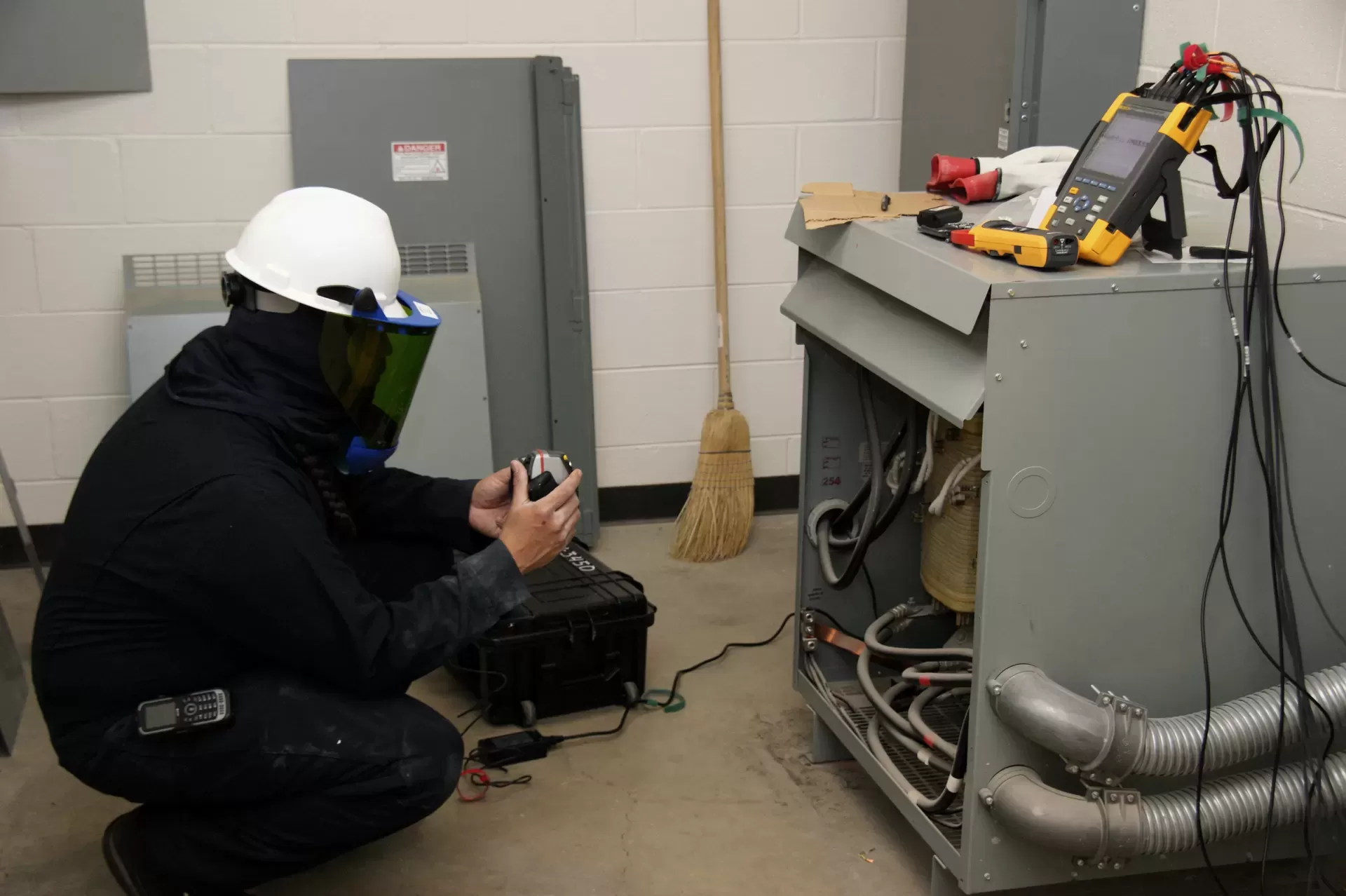

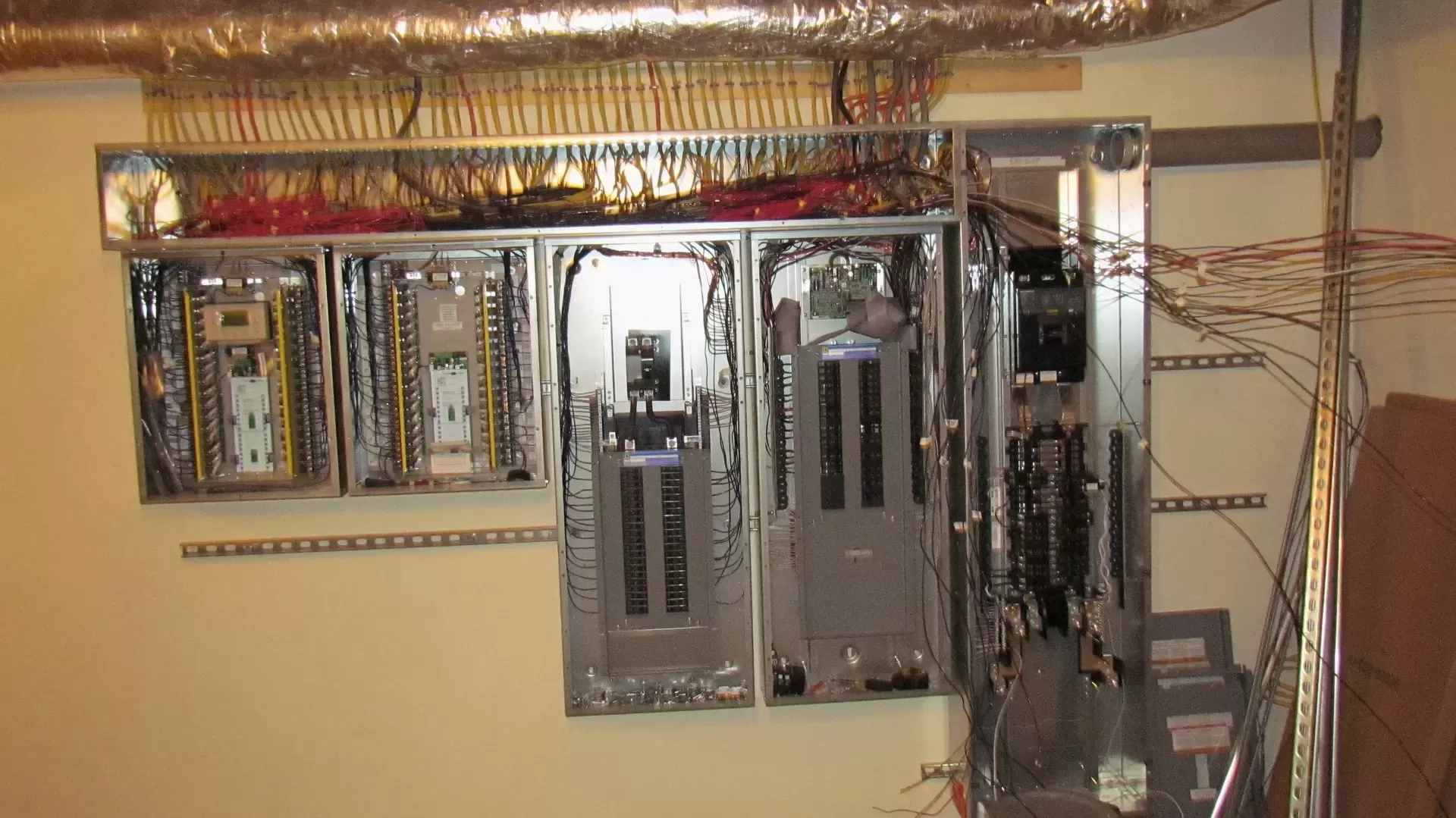
Questions
Frequently asked questions
Hiring a contractor
What documents should a property manager collect from an electrical contractor?
Your vendor file should hold four things: the ECRA/ESA licence number of the contracting company, its insurance certificate, a current WSIB clearance, and proof of whichever safety screening platform your firm relies on. Our licence is #7014042, IHSA has granted us COR, and we keep our records on the three screening platforms (ISNetworld, Avetta, ComplyWorks) up to date, so your vendor team gets what it needs without a chase.
How can a property manager check an electrician's ESA licence in Ontario?
ESA runs a public contractor look-up on its website, and you can also call ESA at 1-877-ESA-SAFE. Search by licence number or company name and confirm the status is valid. The business itself must hold the contractor licence; a Master Electrician licence on its own does not let a company contract for electrical work.
Do property managers need a WSIB clearance certificate from electrical contractors?
Yes, when you retain the contractor directly for construction work, WSIB expects you as principal to hold a current clearance, which runs for up to 90 days at a time. Skipping it can leave the owner or manager exposed to the contractor's unpaid premiums, which is why vendor teams pull one before each job.
Maintenance programs
How often should a commercial building's electrical rooms be scanned with infrared?
Most commercial buildings scan once a year, which matches the yearly figure the 2023 NFPA 70B table gives for equipment in sound condition. Critical, heavily loaded or poor-condition equipment moves to a 6 month interval. Scans should be done during normal occupancy so the equipment carries enough load to show defects.
What does a preventive maintenance program cover in an office building?
It covers the main switchboard, bus duct and risers, base building panels, transformers, emergency power and life safety circuits. Tasks include infrared scans, visual inspection, cleaning, torque checks and breaker testing on a schedule set by condition and criticality, with written findings after each visit and a ranked list of repairs.
Can one electrical contractor maintain every building in our portfolio?
Yes. We run portfolio programs with one task list, one interval logic and one report format for every building, so asset managers can compare sites. Each building gets its own schedule and contact, and the reports roll up into a portfolio view of open findings and equipment that is nearing replacement.
When should base building electrical work be scheduled to avoid tenant disruption?
Energized checks such as infrared scans run during business hours, when load is highest. Shutdown work is scheduled for evenings, weekends or holidays agreed with property management, with tenant notices, an isolation plan and a restart sequence prepared in advance. Tenants with critical loads are identified before any power is turned off.
Compliance
Does a building need an ESA notification for emergency generator testing?
No, not when the visit is limited to the C282 inspection and test routine. ESA Bulletin 2-22-3 exempts that work, as long as the generator's C282 log book can be shown to ESA on request. Once the work changes field wiring or devices, through a repair, replacement or relocation, a licensed contractor has to file a notification.
Do tenant improvement electrical jobs need a licensed contractor in Ontario?
Yes. ESA's position is that, apart from a few exemptions, only a licensed electrical contractor may do electrical work for others in Ontario, and that still holds when the electrician is a subcontractor to the tenant's general contractor. The licensed contractor files the notification and books the ESA inspection.
Why do insurers ask property owners for an electrical infrared report?
Electrical faults are a known fire risk, and an infrared scan shows hot connections, overloaded circuits and unbalanced loads before they fail. Insurers and lenders use the report as evidence that the owner is finding and correcting those conditions. The report lists each finding with a thermal image, temperature rise and recommended repair.
Service
Can a managed commercial property get emergency electrical response from KCS?
Emergency response is available to buildings on a KCS maintenance contract, so contract clients have priority when base building power fails. Buildings without a contract can book regular service by calling (647) 979-0549, and a first baseline scan is often the simplest way to see whether a program makes sense for the property.
Which property types does KCS maintain for management companies?
We maintain office towers, suburban office parks, retail and mixed-use centres, multi-tenant industrial buildings and medical office buildings. The base building scope is similar across them; what changes is the tenant mix, the critical loads and the shutdown windows, which we plan around for each property.
Related services
Related services
Commercial Electrical Maintenance
Commercial electricians for property managers: building maintenance, tenant work, infrared scans and records for GTA properties.
View service
Commercial Building Thermography
Electrical infrared scans for office, retail and industrial buildings, with one report format across a property manager's whole portfolio.
View service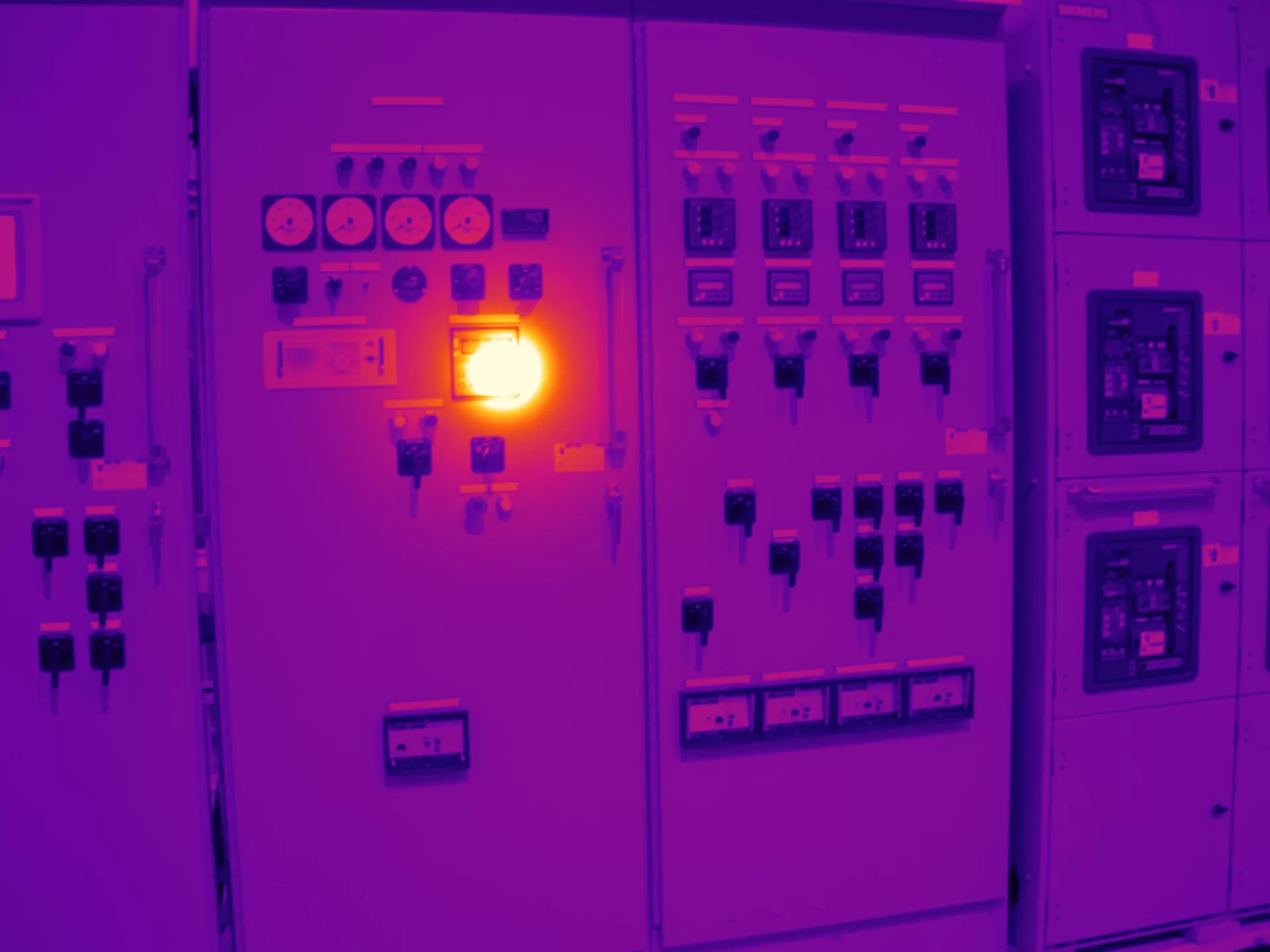
Insurance Infrared Scan Reports
An infrared scan report for insurance: scope matched to the insurer letter, ranked findings, repairs by licensed electricians and re-scan proof.
View service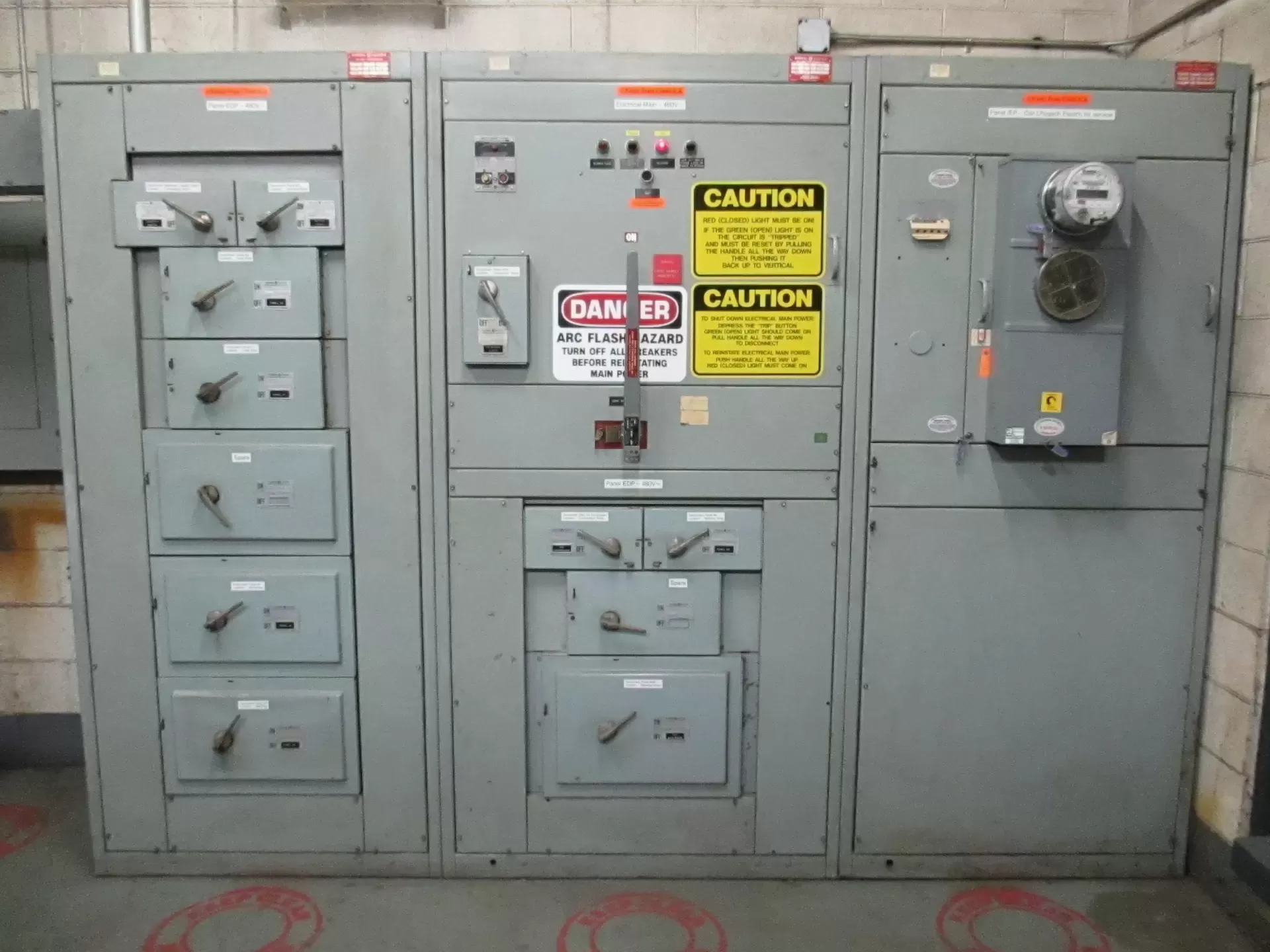
Electrical Panel Inspection
Panelboard, switchboard and disconnect switch inspection with thermal scans, torque checks and a written condition report.
View service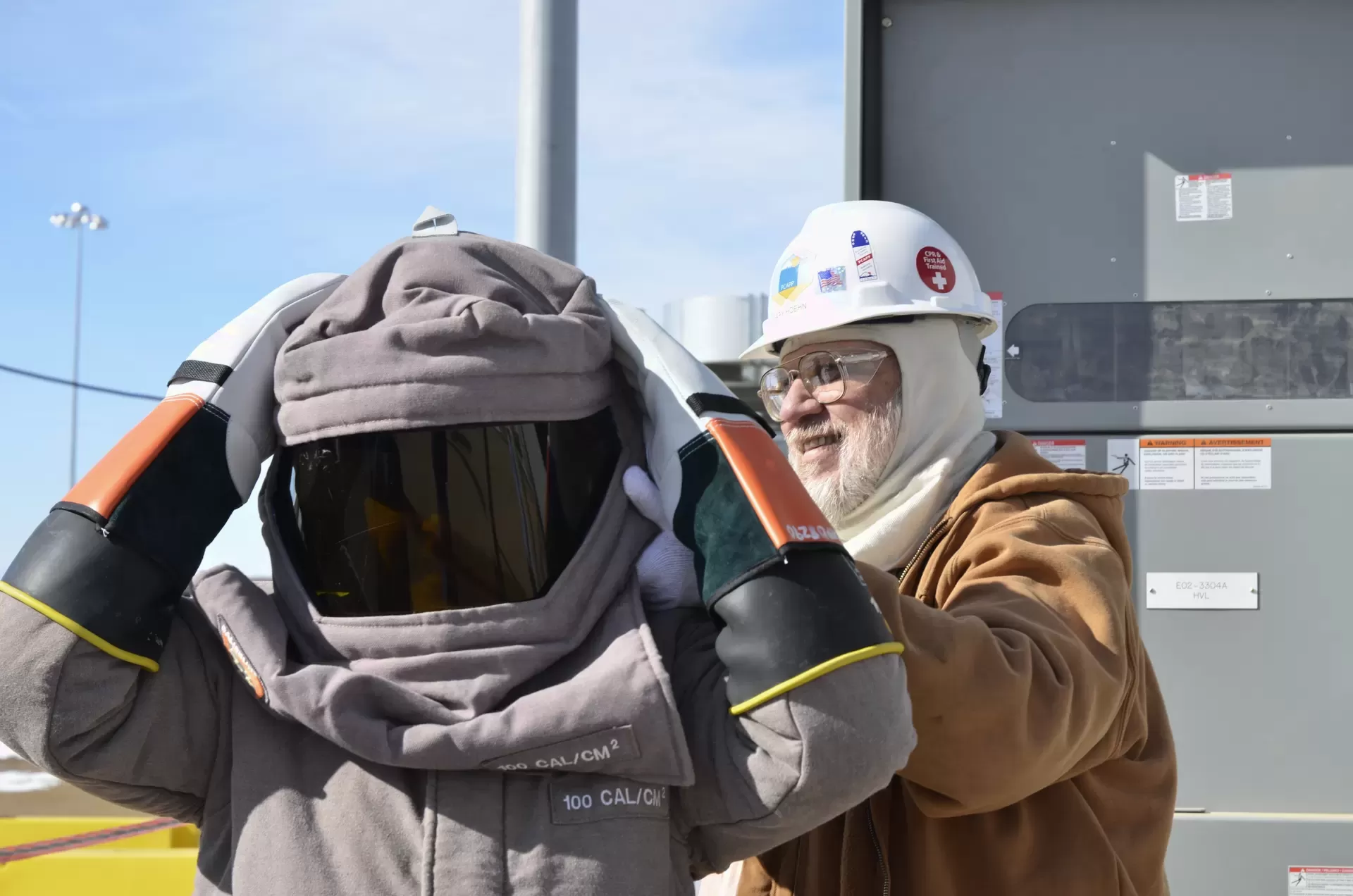
Arc Flash Study
Arc flash assessment, incident energy results and CSA Z462 arc flash labels so your electricians know the hazard at every piece of gear.
View service
Toronto
Etobicoke, Scarborough and North York plants, downtown towers and clinics: maintenance, testing and infrared electrical inspection in Toronto.
View service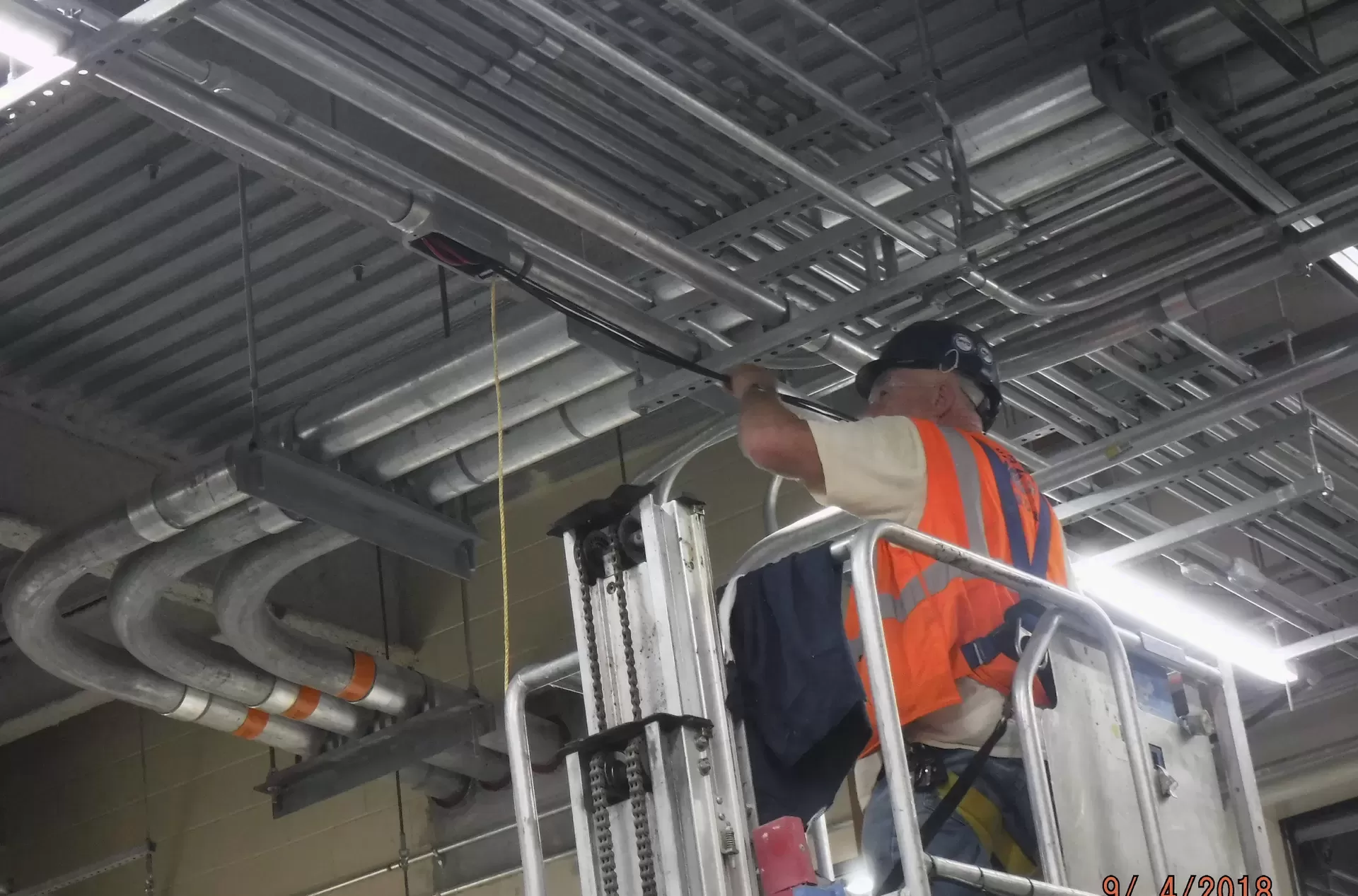
Request a callback
Plan your next electrical maintenance program with KCS
Tell us about the site and the equipment. A licensed electrician reviews it and calls you back.
- ESA/ECRA licence #7014042
- COR certified, ISNetworld, Avetta and ComplyWorks
- Work planned around shutdowns and tenant hours
- Emergency response for maintenance-contract clients
Send your request
We reply during business hours: Open daily, 9 a.m. to 9 p.m.